
Fishing-boat — History & Facts
This profound truth echoes in the quietude of a once-bustling scene, evoking a bittersweet longing for moments lost. Captured in delicate strokes, the essence of life unfolds as if whispering secrets of the past, each color both a memory and a yearning. Look to the center of the canvas, where a fishing boat cradles a gentle dance upon the soft, rippling waves. Notice how the muted palette—grays, blues, and soft whites—imbues the scene with an air of tranquility, while the subtle interplay of light illuminates the boat’s weathered texture.
The composition draws the eye effortlessly, leading to the horizon, where the sky meets the sea in a seamless embrace, inviting contemplation about journeys taken and the tides of life. Beneath the surface, contrasts abound. The serenity of the water stands in stark opposition to the weight of the boat’s solitude, suggesting a story of isolation amidst the vastness. The soft lines evoke a sense of nostalgia, hinting at the passage of time and the memories embedded in that fleeting moment.
Each brushstroke conveys a sense of longing, resonating with the viewer as they ponder their own stories amidst nature's quiet majesty. In 1879, Whistler painted this work amidst the burgeoning American art scene, grappling with the principles of aestheticism and personal expression. Living in London at the time, he was influenced by both European techniques and his own experiences, capturing the beauty of everyday life while exploring deeper emotional landscapes. This piece reflects his commitment to integrating form and feeling, a hallmark of his artistic evolution.
More Artworks by James Abbott McNeill Whistler
Browse all →
Nocturne in Blue and Silver
James Abbott McNeill Whistler
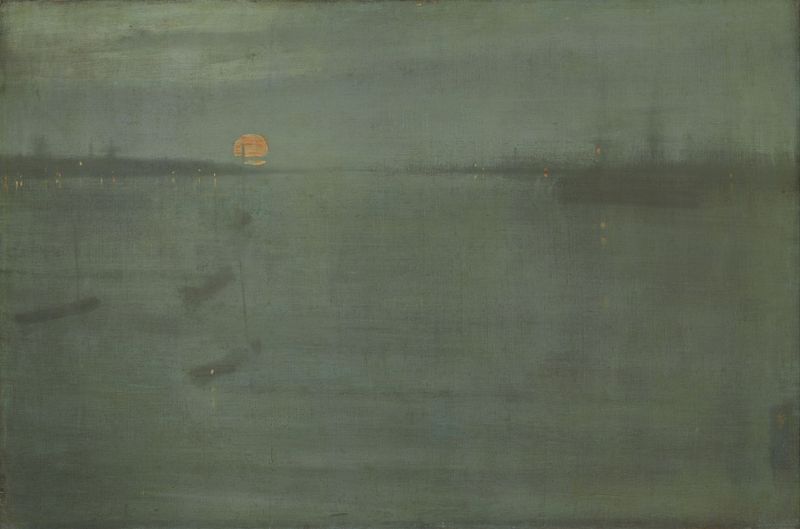
Nocturne: Blue and Gold–Southampton Water
James Abbott McNeill Whistler
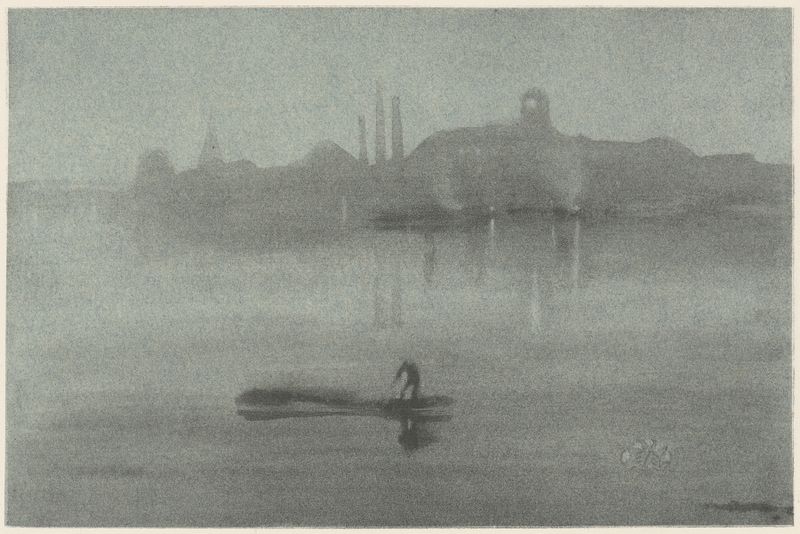
Nocturne
James Abbott McNeill Whistler
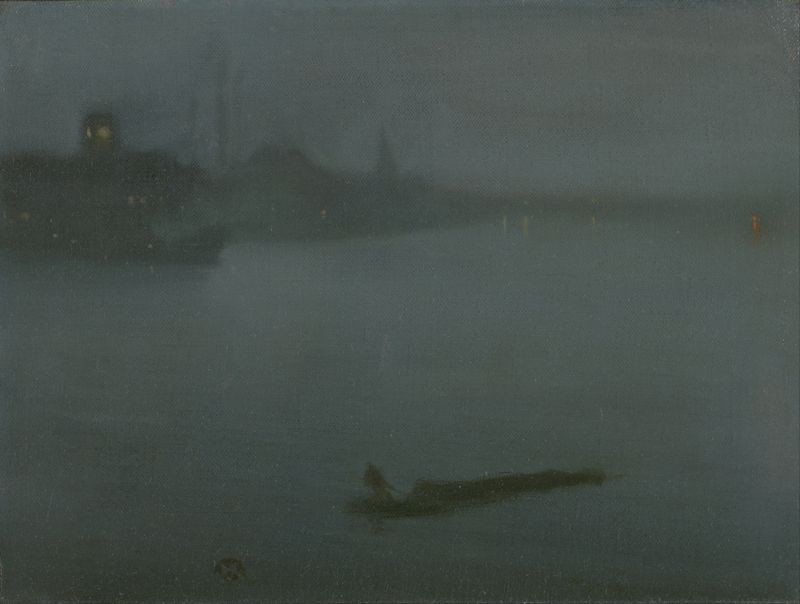
Nocturne in Blue and Silver
James Abbott McNeill Whistler
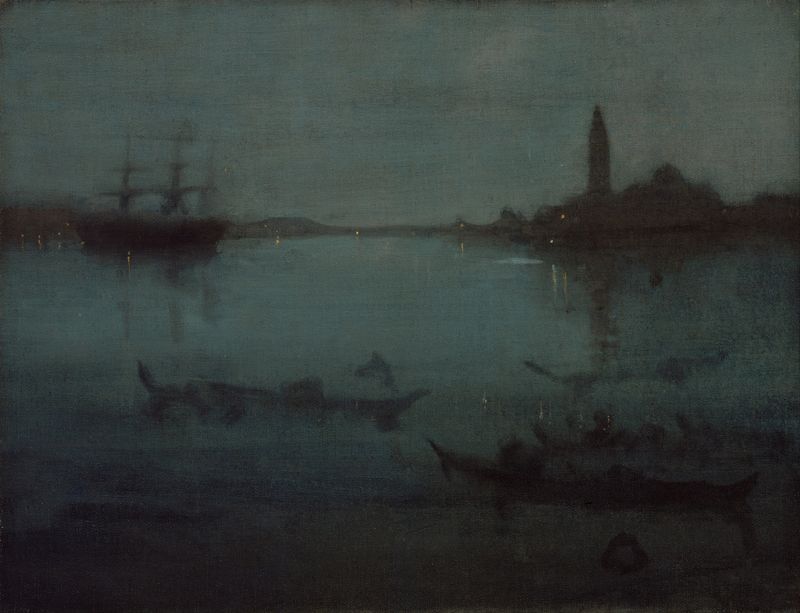
Nocturne in Blue and Silver- The Lagoon, Venice
James Abbott McNeill Whistler
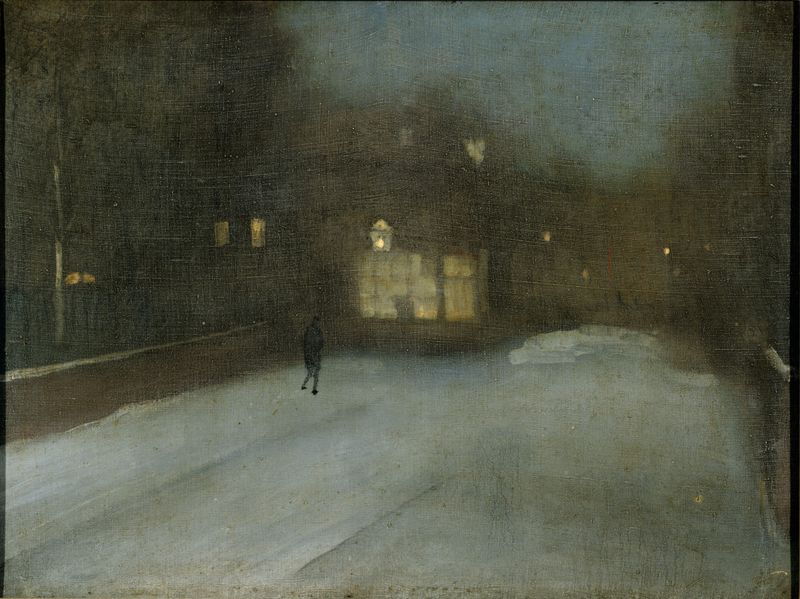
Nocturne in Grey and Gold: Chelsea Snow
James Abbott McNeill Whistler
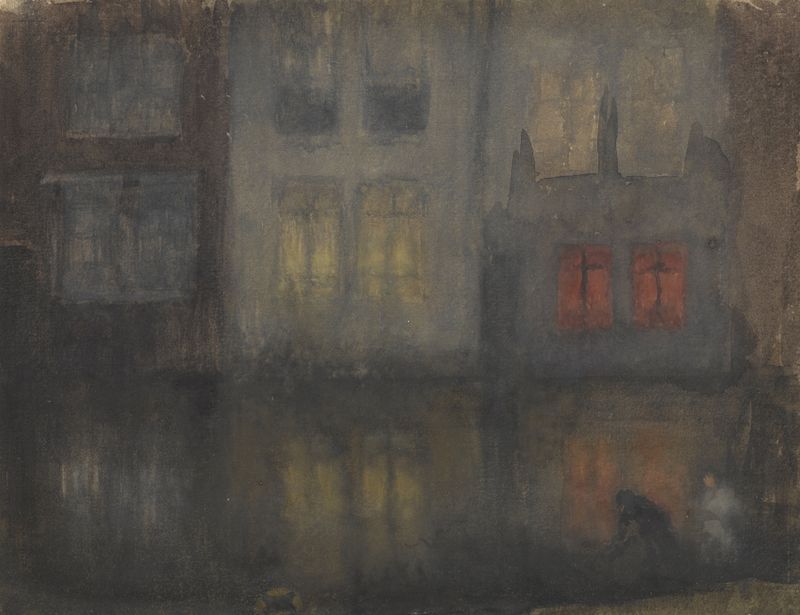
Nocturne: Black and Red—Back Canal, Holland
James Abbott McNeill Whistler
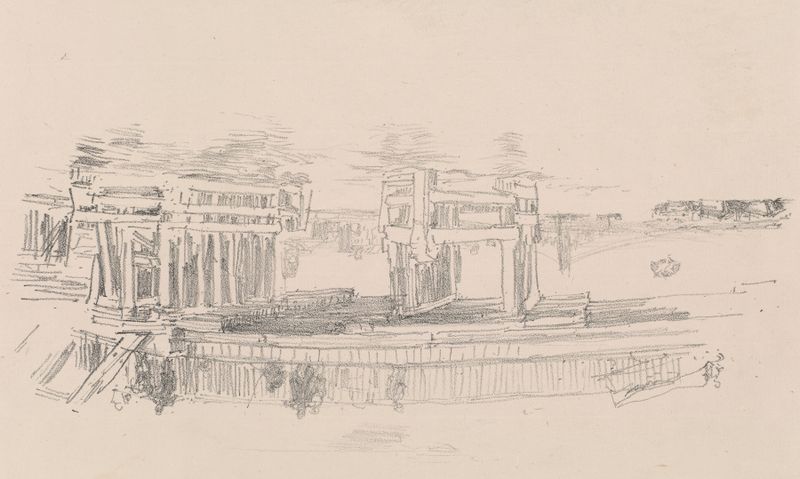
Old Battersea Bridge
James Abbott McNeill Whistler

Nocturne: Blue and Silver–Battersea Reach
James Abbott McNeill Whistler
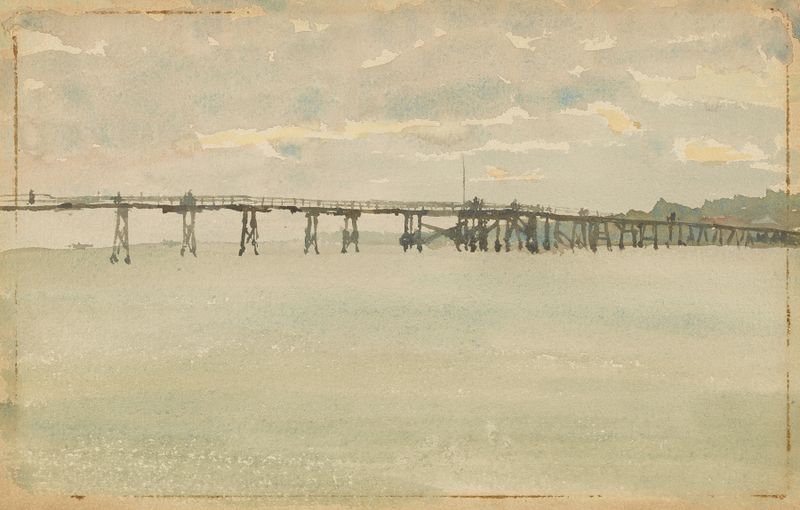
Grey and Silver–Pier, Southend
James Abbott McNeill Whistler




