Flat landscape — History & Facts
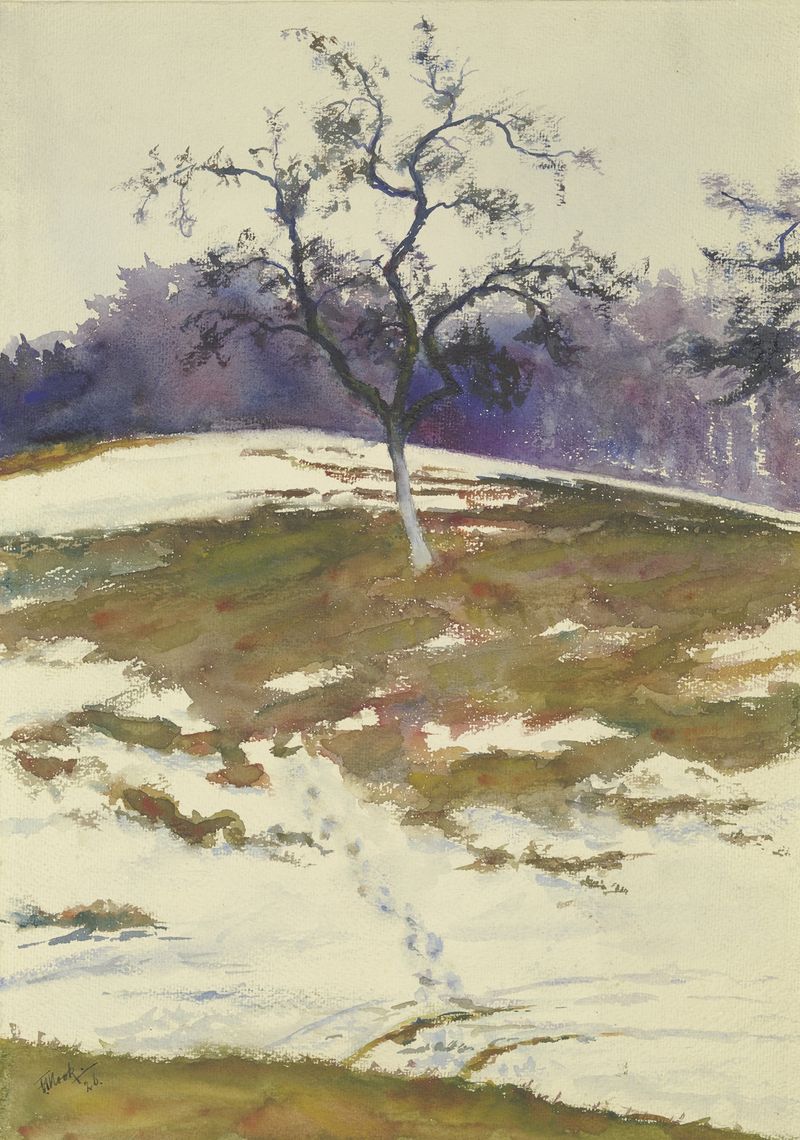
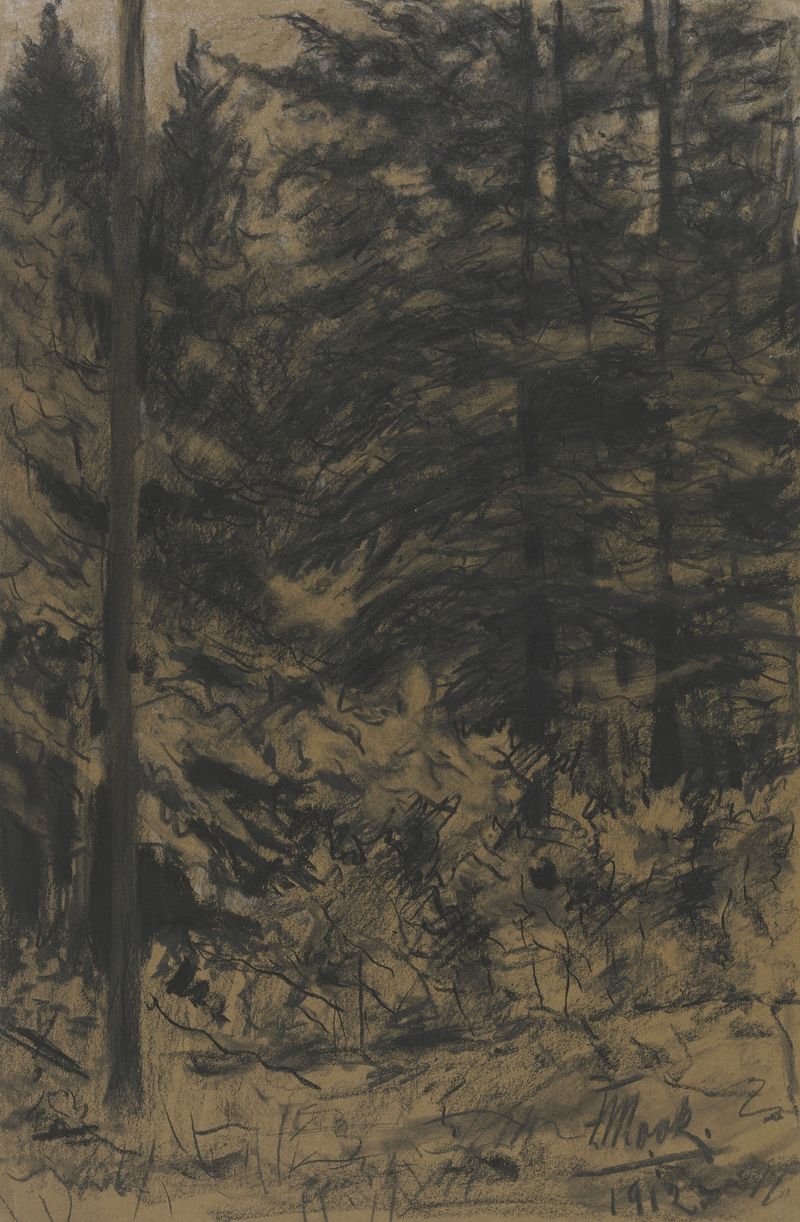
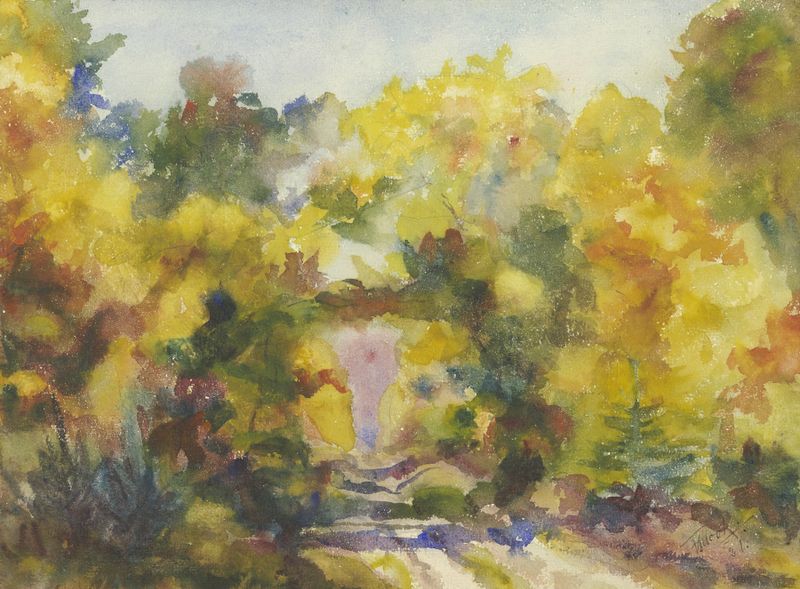
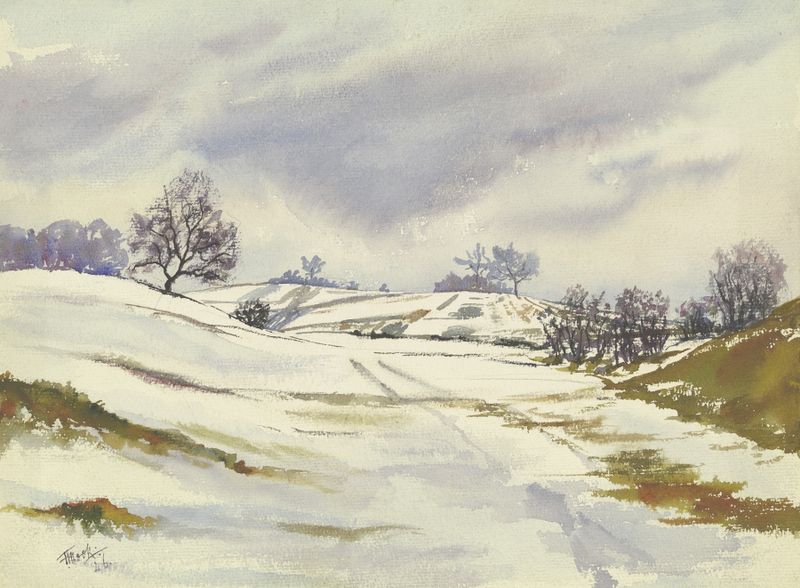
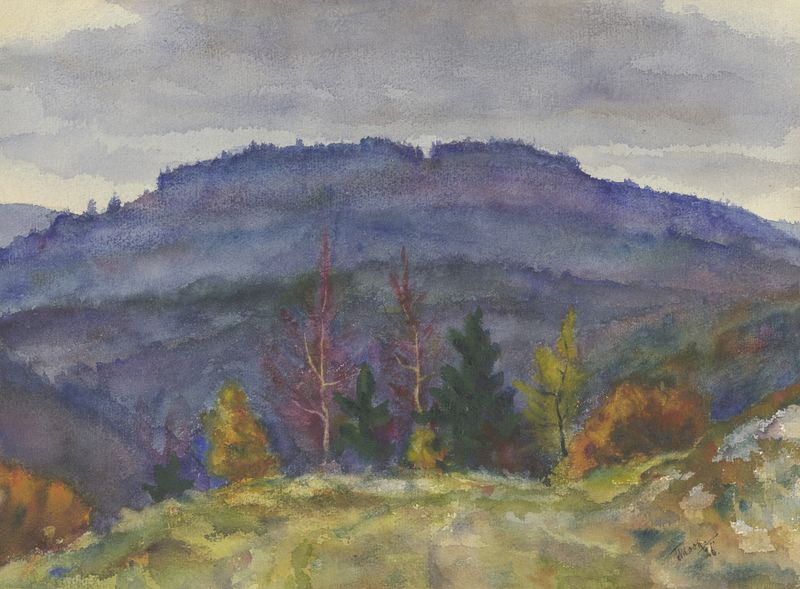
The canvas sprawls with an unsettling tranquility, inviting us to ponder the strange beauty that lies within madness. Here, the artist distills the essence of a tumultuous era into a flat, unyielding landscape that speaks of both desolation and serenity. Look to the left at the stark horizon where muted earth tones meld into the sky, hinting at an impending storm. The brushstrokes are unrefined and spontaneous, conveying raw emotion through their erratic rhythm.
As your gaze travels rightward, notice how the colors shift—a gradient of browns, greens, and ochres, each layer revealing the tension between chaos and calm, inviting contemplation of the unseen forces at play in this seemingly barren land. Delve deeper and you’ll find the contrasts that define this work. The flatness of the landscape juxtaposes the tumultuous emotions it evokes, reflecting the inner turmoil of a world marred by conflict. Each erratic stroke holds the weight of madness, whispering stories of despair and hope, while the subtle variations in color suggest an underlying pulse of life, struggling for recognition amid the desolation. In 1917, Friedrich Mook was immersed in the throes of World War I, capturing the emotional landscape of a fractured society.
While the world grappled with chaos, he found solace in paint, working in isolation yet reflecting the collective madness surrounding him. This piece stands as a testament to a tumultuous time, evoking the complexities of human experience and the fragility of existence.