Gärtnerei im Schnee am Dornbusch — History & Facts
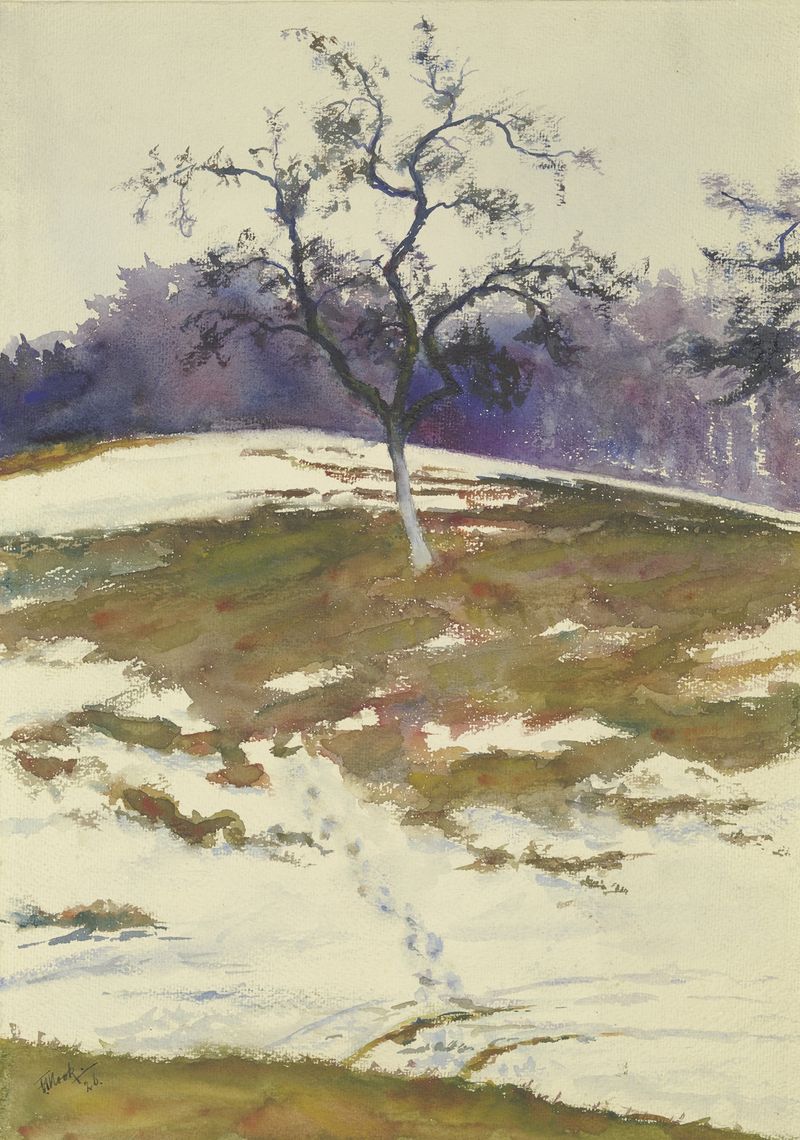
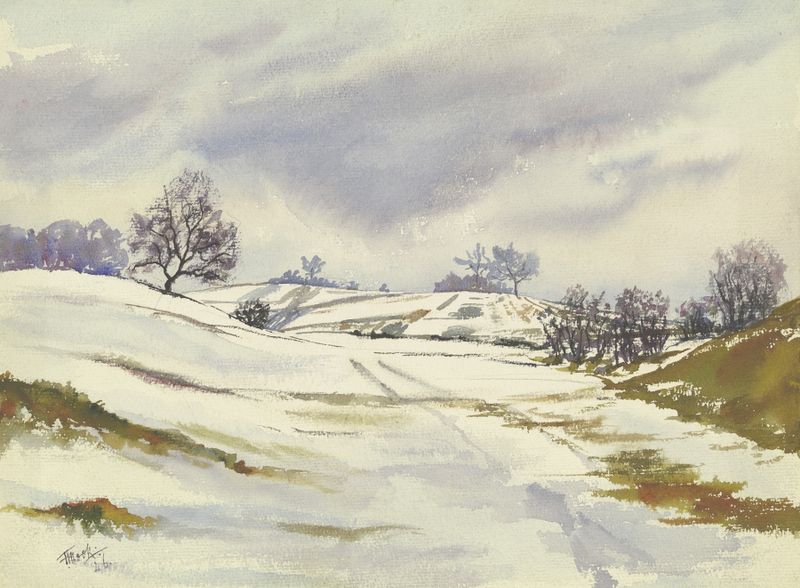
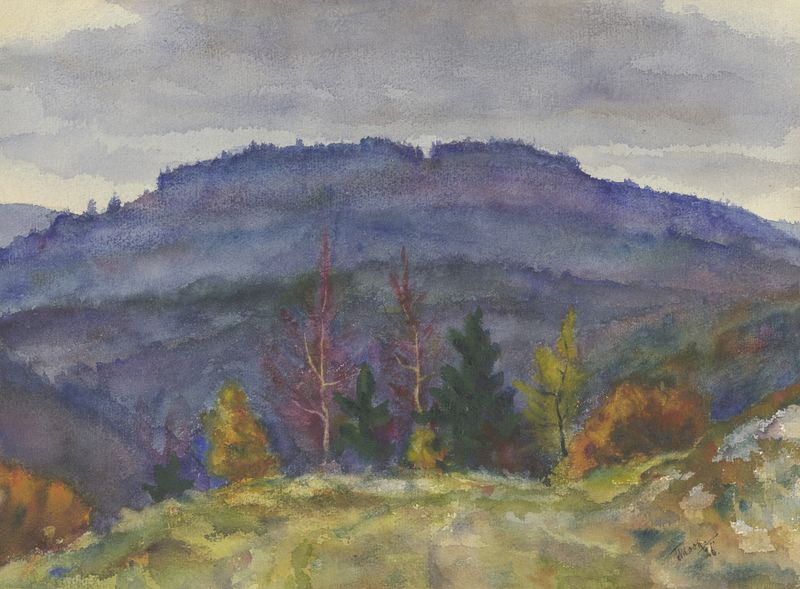
What if beauty was never meant to be finished? In the delicate balance of nature and art, Gärtnerei im Schnee am Dornbusch invites us to ponder the eternal cycle of growth and decay. The snowy landscape, cloaked in white, serves as a quiet backdrop for the vibrant echoes of life that pulse beneath the surface. Look closely at the lower right corner, where the rich greens of hidden foliage emerge from the blanket of snow. Notice how the artist employs striking contrasts between the coldness of winter and the promise of life, employing soft brush strokes that evoke a sense of tranquility.
The palette is meticulously chosen, with muted whites and blues surrounding the lively greens, conveying both a serene stillness and an awakening spirit beneath the frost. The work is laden with metaphor; the snow not only conceals but protects, suggesting that beneath the chill lies potential waiting for the right moment to burst forth. The interplay of light reminds us of the fleeting nature of seasons and the resilience of life. It captures a moment of transition, an invitation to reflect on what lies dormant yet alive, and the beauty that springs forth when the warmth returns. Friedrich Mook created this poignant piece in 1925 during a tumultuous period in post-World War I Germany, where artists struggled with the aftermath of conflict and sought new meanings through their work.
This painting emerged from a time of reflection and recovery, as Mook cultivated a connection to nature that offered solace amidst societal upheaval, echoing feelings of hope and renewal.