Forest path — History & Facts
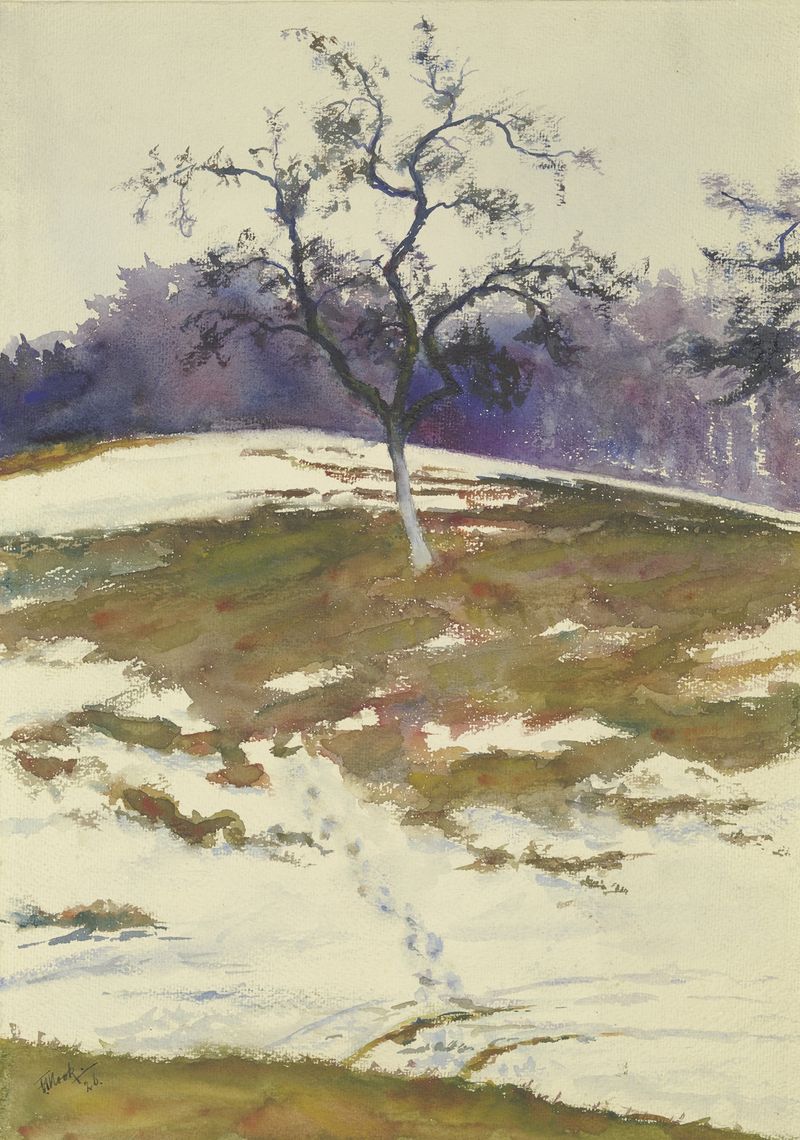
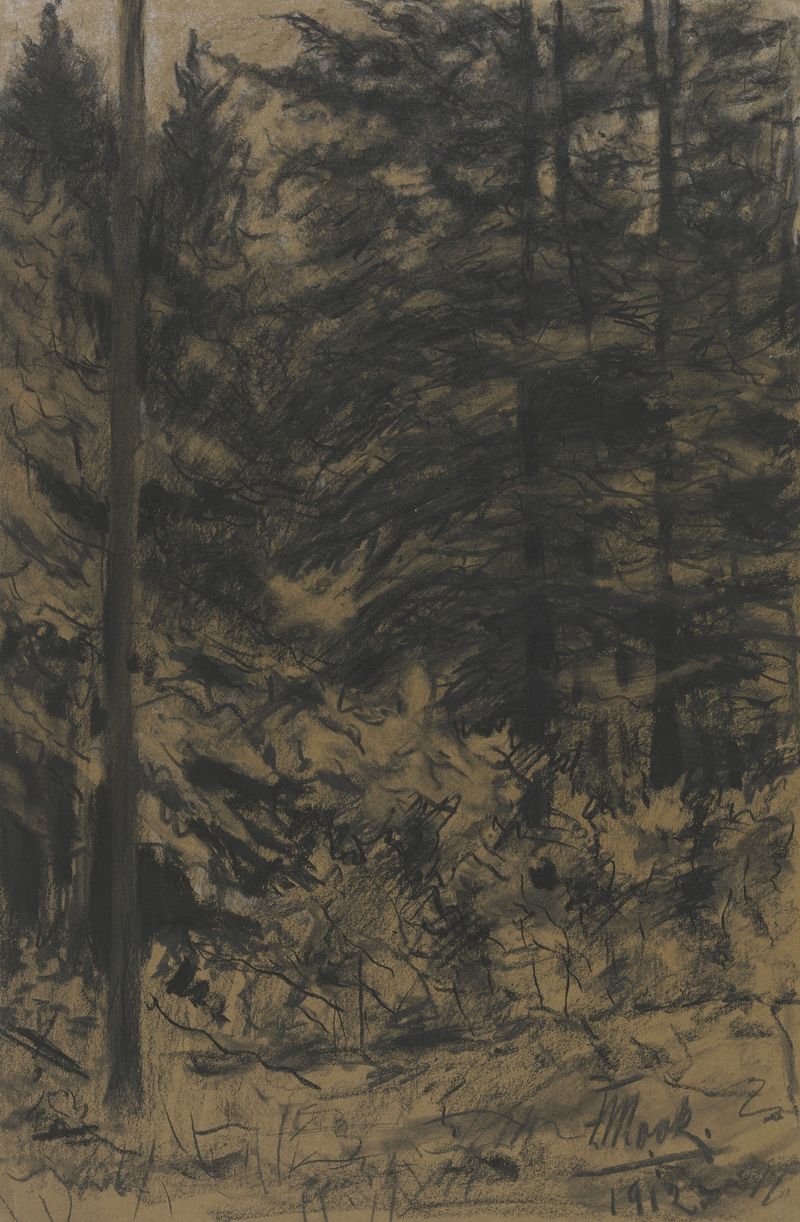
This poignant reflection resonates deeply within the brushstrokes of Forest Path, where transformation lurks behind the vibrant foliage. Look to the center of the canvas, where a winding path unfurls, beckoning the viewer into a verdant embrace. The leaves dance in hues of emerald and gold, kissed by the dappled sunlight filtering through the treetops. Notice how Mook masterfully captures the interplay of light and shadow, lending a sense of depth and serenity, while the path itself seems alive, pulsating with the promise of discovery.
The rich textures draw the eye, inviting one to traverse this quiet refuge. Yet beneath this serene surface lies an intricate web of contrasts. The lush greenery stands in stark juxtaposition to the unseen struggles that accompany growth and change. Each leaf’s brilliance may mask the decay and renewal inherent in nature, suggesting that beauty often emerges from hardship.
The path, winding yet uncertain, alludes to life's journey—a reminder that every transformation bears its own story of pain and resilience. Created in 1921, this work came at a time when the artist was exploring the intersections of nature and human emotion. Mook’s life was marked by the tumult of World War I and its aftermath, a period of profound societal change. As he infused Forest Path with vibrant colors and evocative imagery, he reflected a collective yearning for peace and healing, encapsulating both the struggles and the hope of a world in transition.