Flatford Lock — History & Analysis
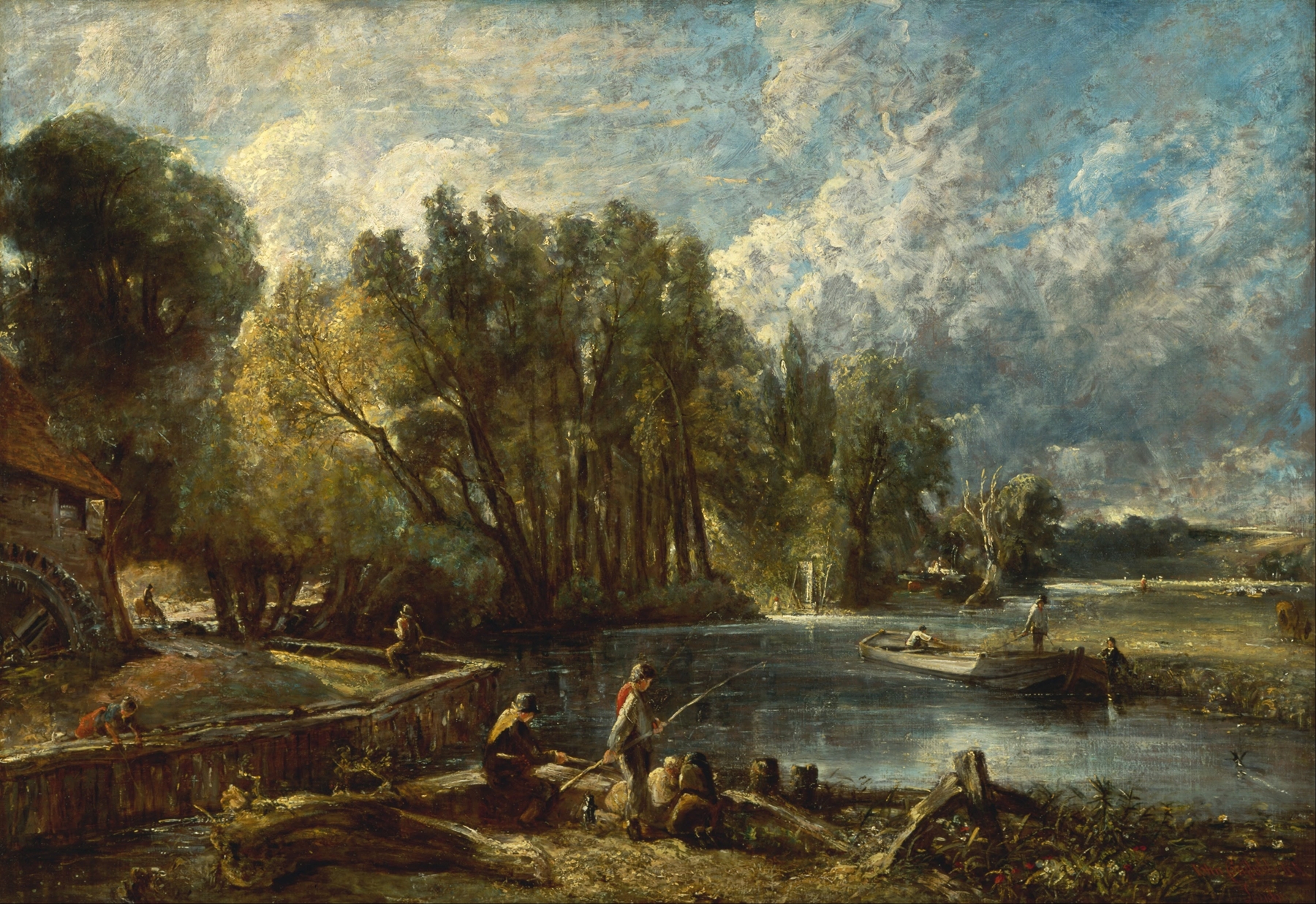
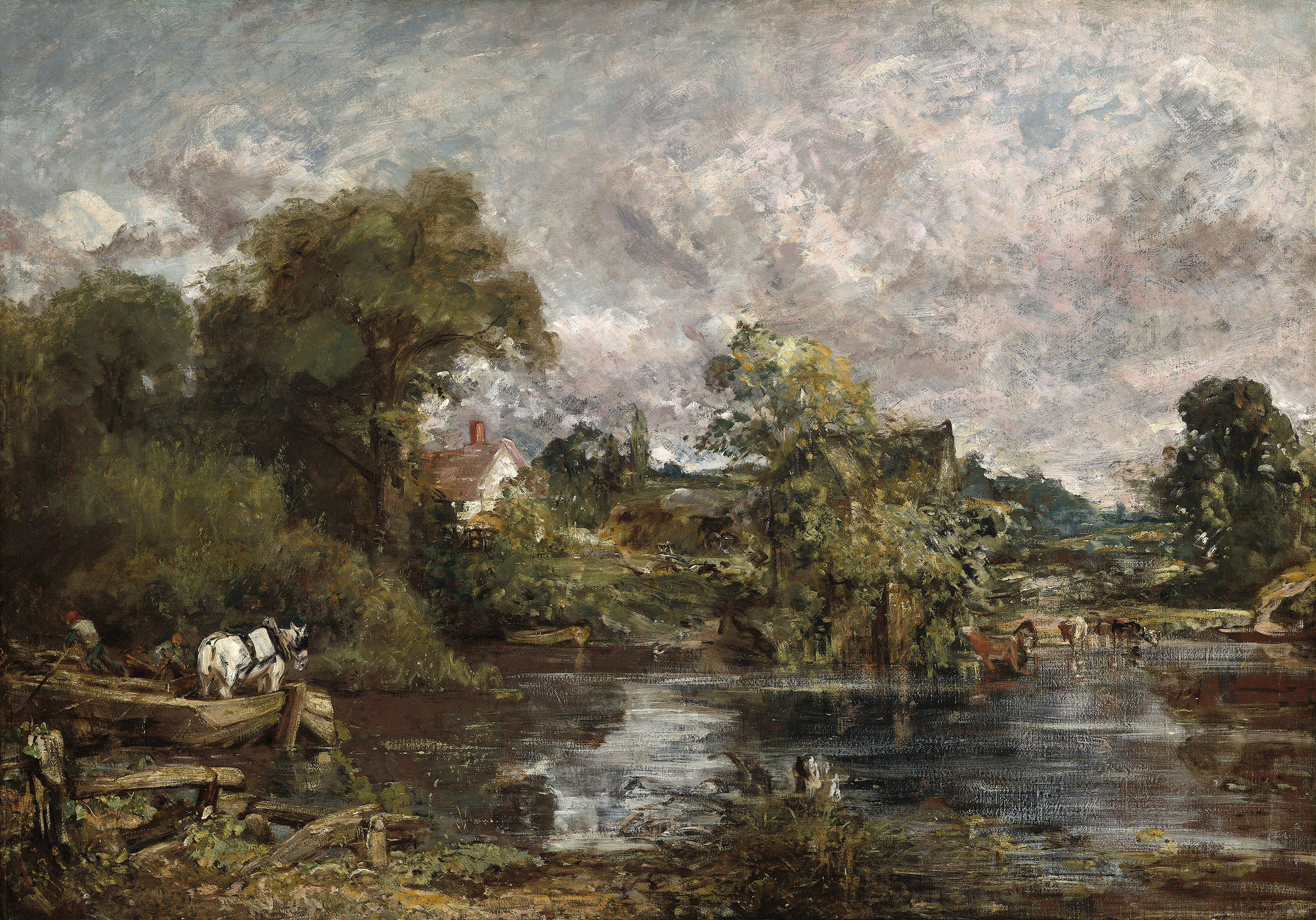
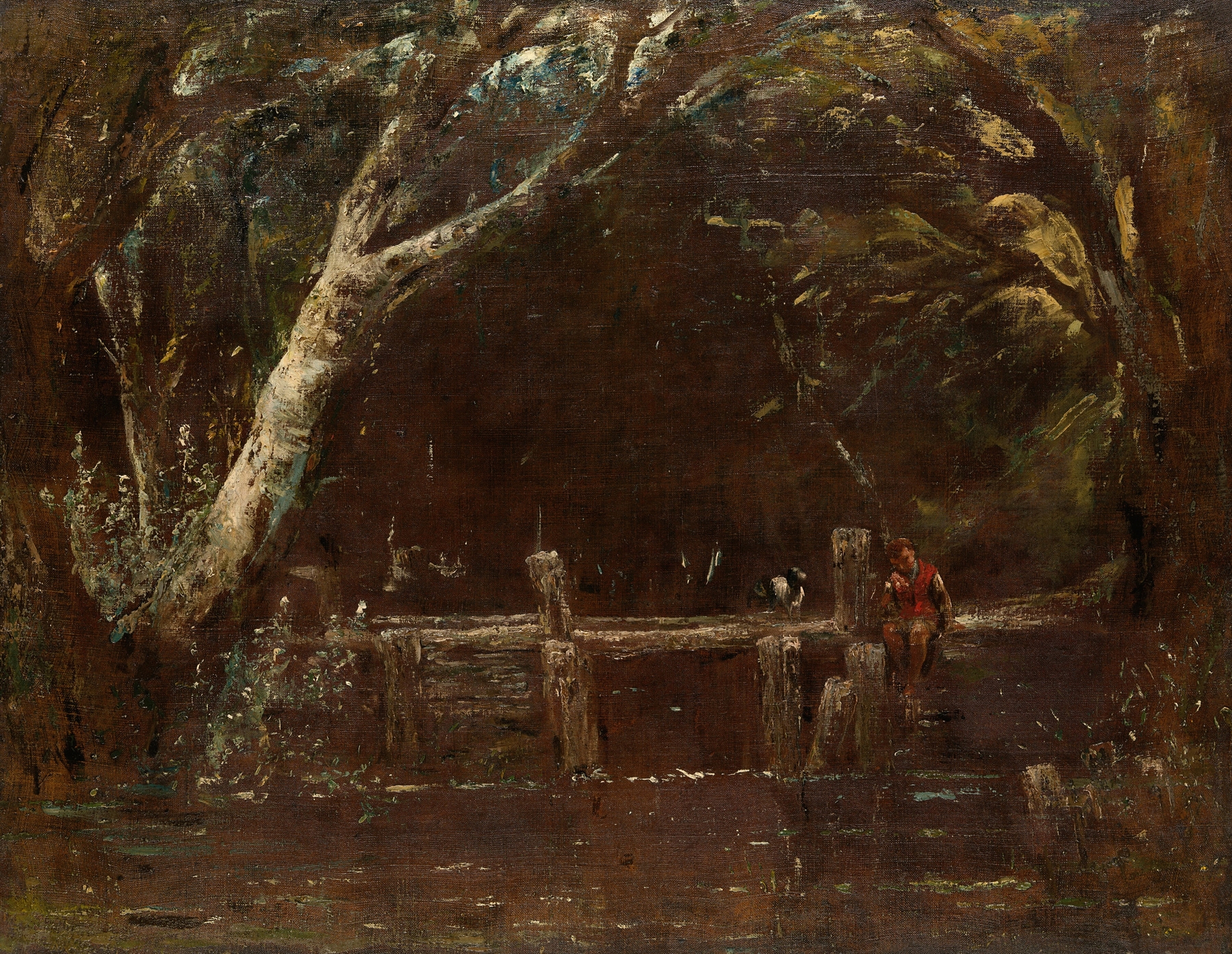
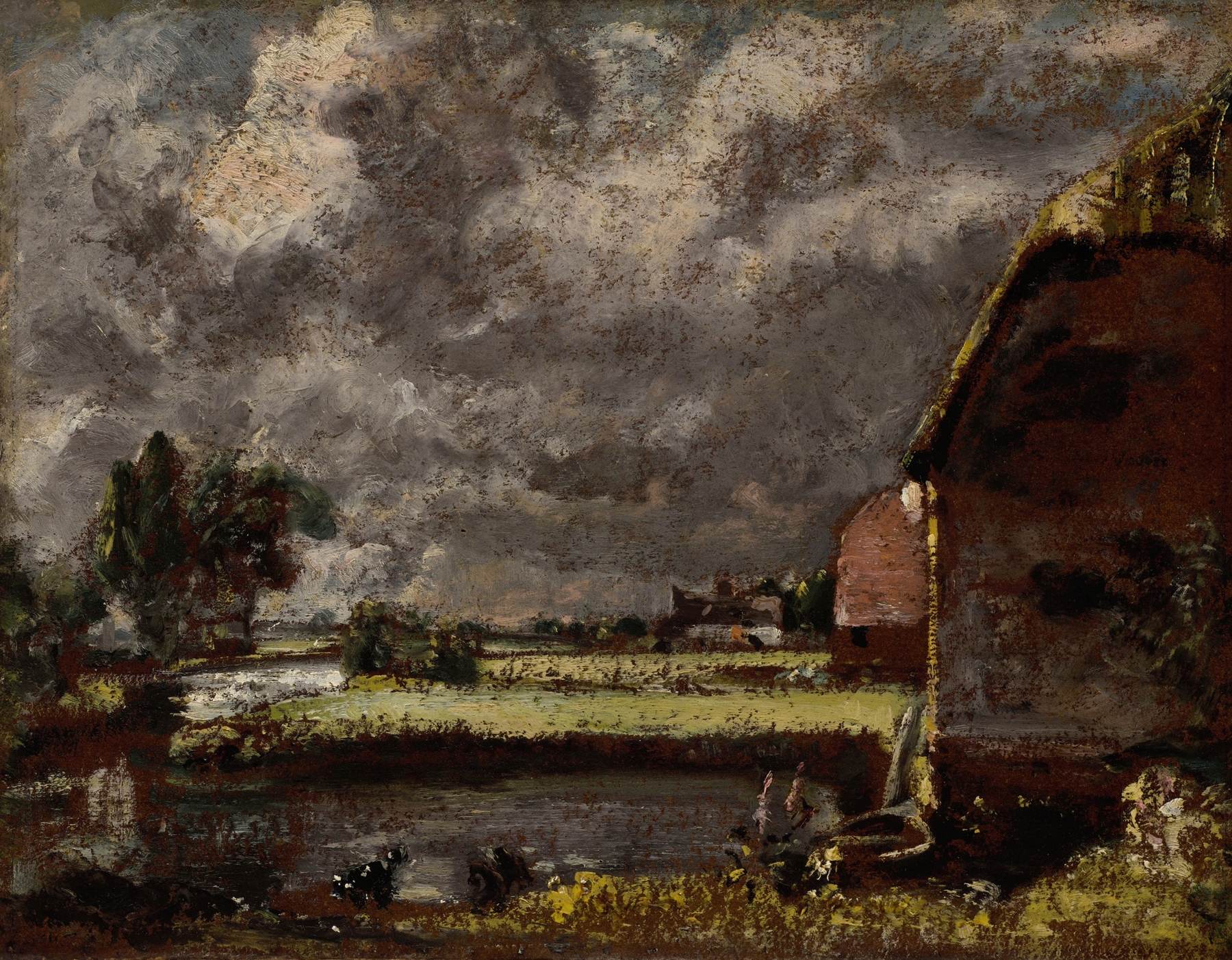
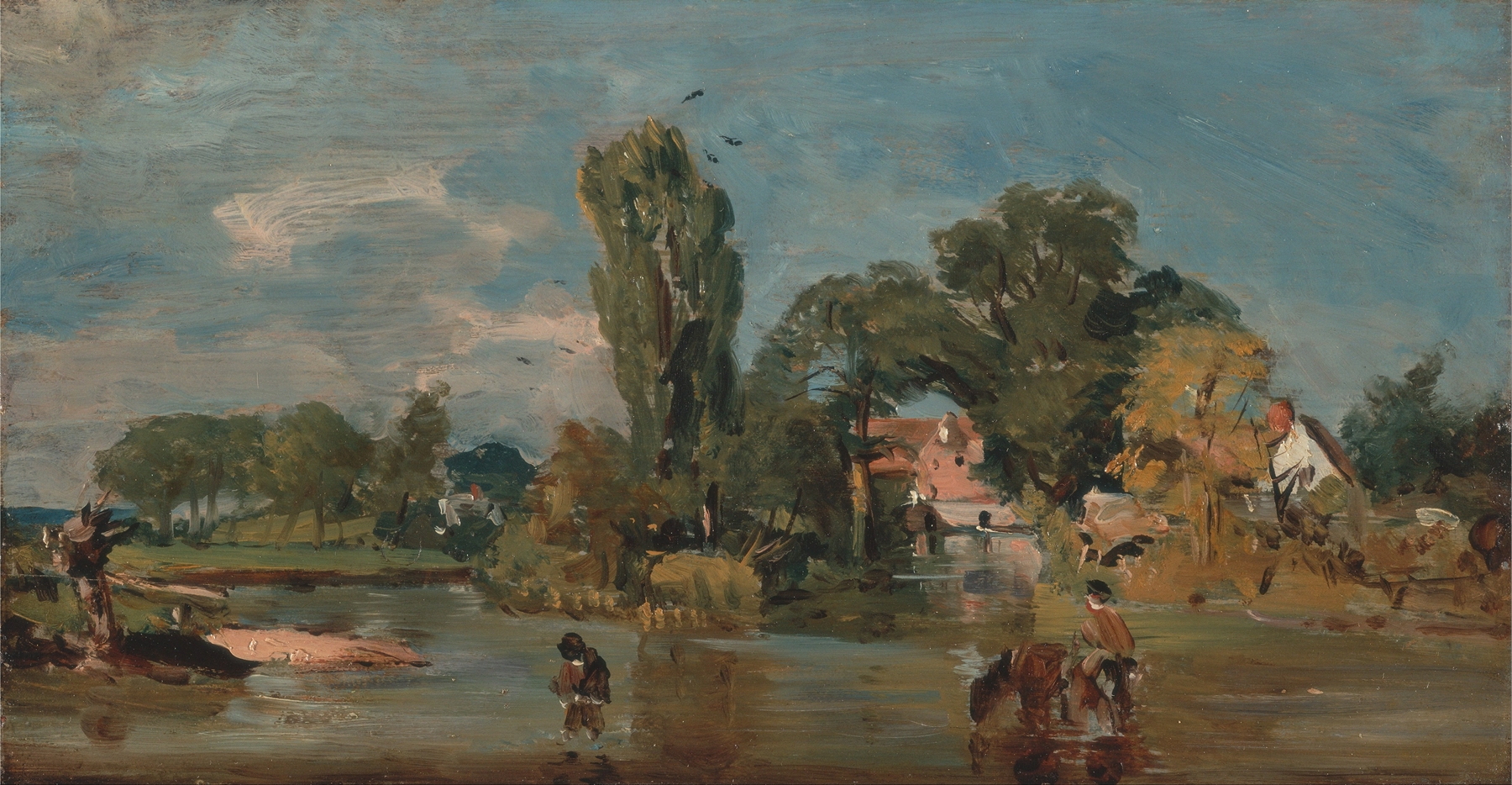
“The canvas doesn’t lie — it simply waits.” In the quiet of early morning, nature stirs, and the river whispers secrets to those who pause to listen. Here, the interplay of light and shadow reveals an awakening, not only of the landscape but of the soul itself. To appreciate this work fully, look first to the gentle flow of the river, winding through the canvas like a silver ribbon. Notice how the artist captures the sunlight dancing on the water’s surface, illuminating the vibrant greens and browns of the surrounding flora. The meticulous brushwork gives life to the reeds and trees, each leaf alive with possibility, while the rich sky suggests the promise of a new day.
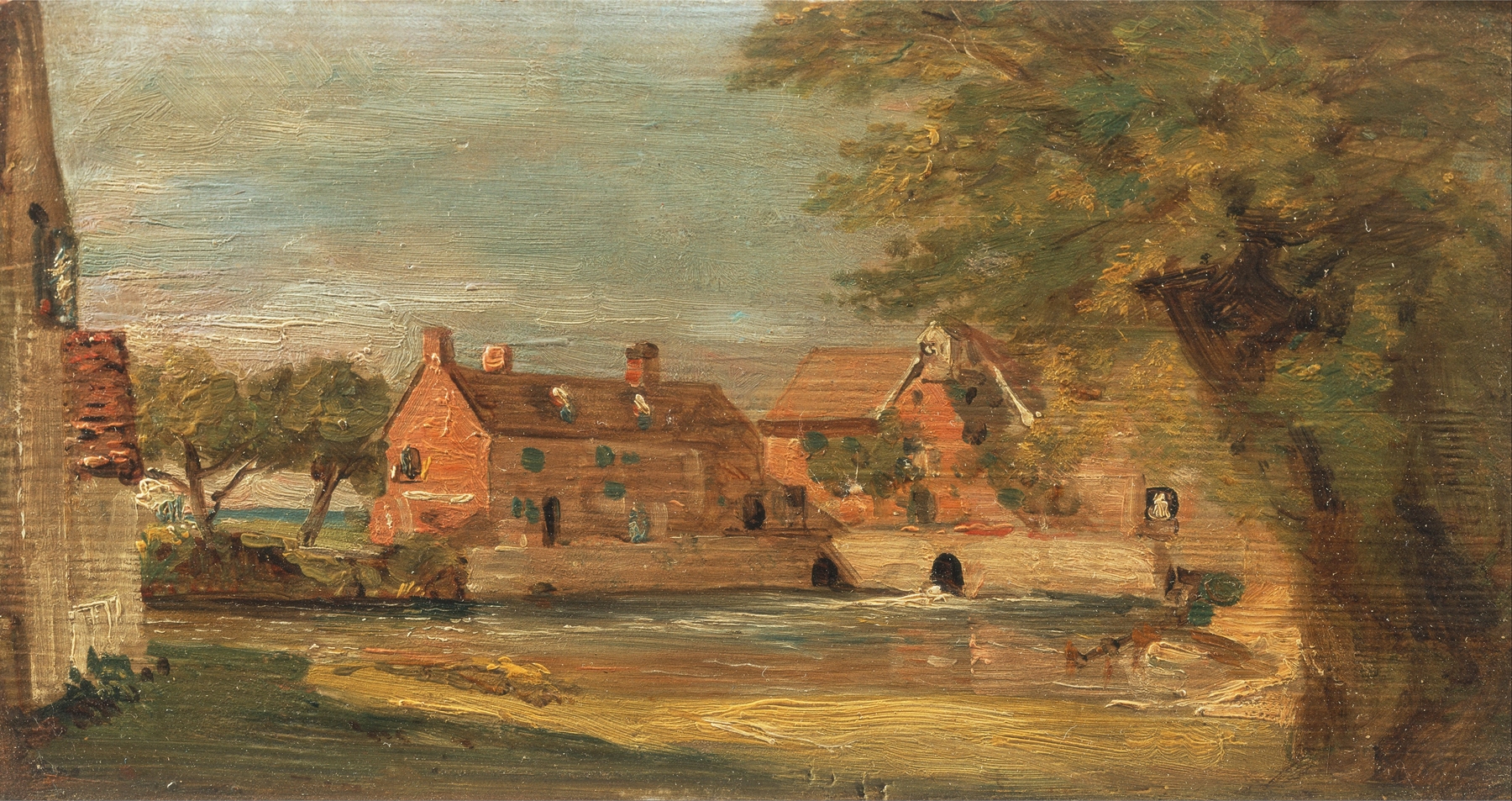
The structure of the lock, though solid, is softened by the surrounding nature, creating a harmonious balance that invites you to linger. Yet, beneath this serene façade lies a deeper narrative. The river, often a symbol of life’s journey, flows endlessly, suggesting both continuity and change. The reflections on the water echo the transient nature of existence, reminding us that every moment carries the weight of history.
The lock, while a manmade intervention, does not disrupt the flow; instead, it serves as a reminder of humanity's interaction with nature, both nurturing and controlling, revealing the tension between progress and preservation. During the years 1810-1811, the artist was deeply immersed in the English countryside, inspired by the landscapes of his youth. Emerging from the Romantic movement, he sought to express the beauty of nature with a fresh perspective. This period in his life was marked by evolving techniques and a quest for authenticity in representation, leading to works that resonated with the emotional depth found in the simplicity of everyday scenes.