
Folies-Bergère. La Tarentule — History & Facts
In Folies-Bergère. La Tarentule, Jules Chéret employs a vibrant palette dominated by reds, yellows, and greens. The composition features a lively scene with a central figure, a dancer, surrounded by an energetic crowd.
The background hints at the iconic Folies-Bergère venue, known for its theatrical performances and nightlife. This artwork captures the essence of Parisian entertainment in the late 19th century. The artwork is a lithograph, a popular medium for posters during the Art Nouveau period. Chéret's technique involves layering colors to create depth and movement, which is evident in the flowing lines and dynamic poses of the figures.
The dimensions are approximately 100 x 70 cm, making it a striking piece for display. The use of bold colors and intricate details showcases Chéret's skill in graphic design. Jules Chéret was a prominent figure in the Art Nouveau movement, often referred to as the father of the modern poster. Folies-Bergère.
La Tarentule exemplifies his ability to blend art and advertising, making it a significant work in the history of graphic design. An interesting fact about this piece is that it not only promoted the Folies-Bergère but also reflected the vibrant culture of Paris at the time. Chéret's work continues to influence contemporary poster art.
More Artworks by Jules Chéret
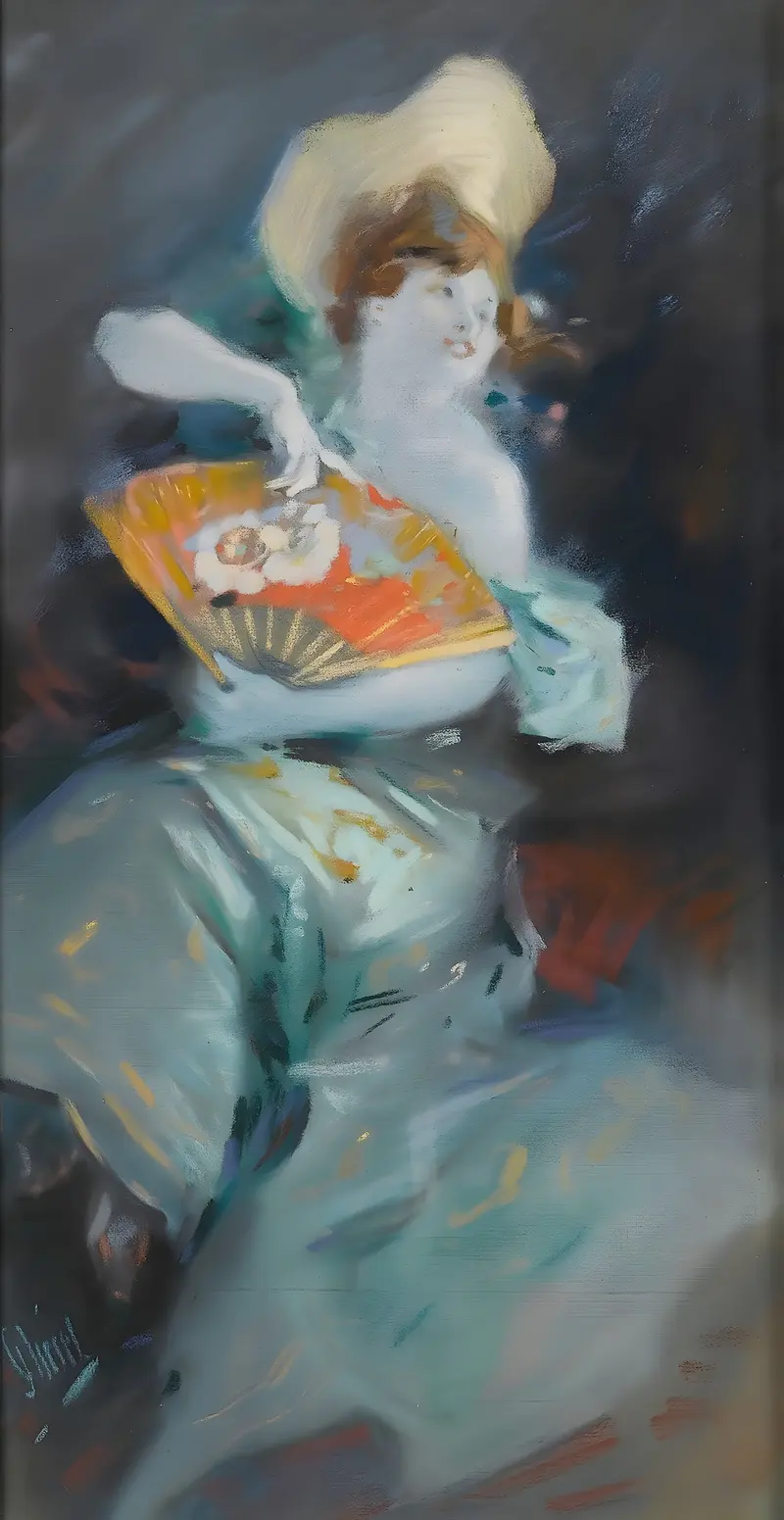
Portrait of a Lady
Jules Chéret
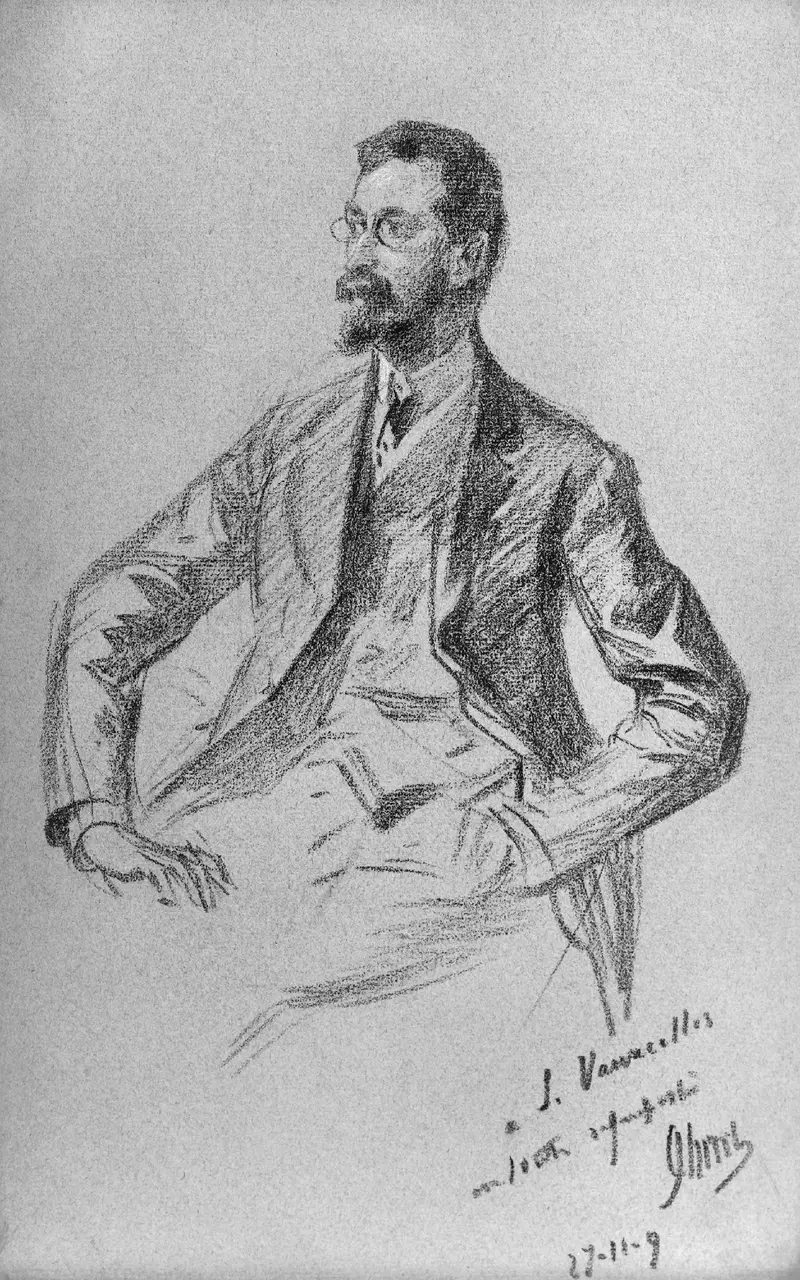
Portrait of Louis Vauxcelles
Jules Chéret

Palais de glace Champs-Élysées
Jules Chéret
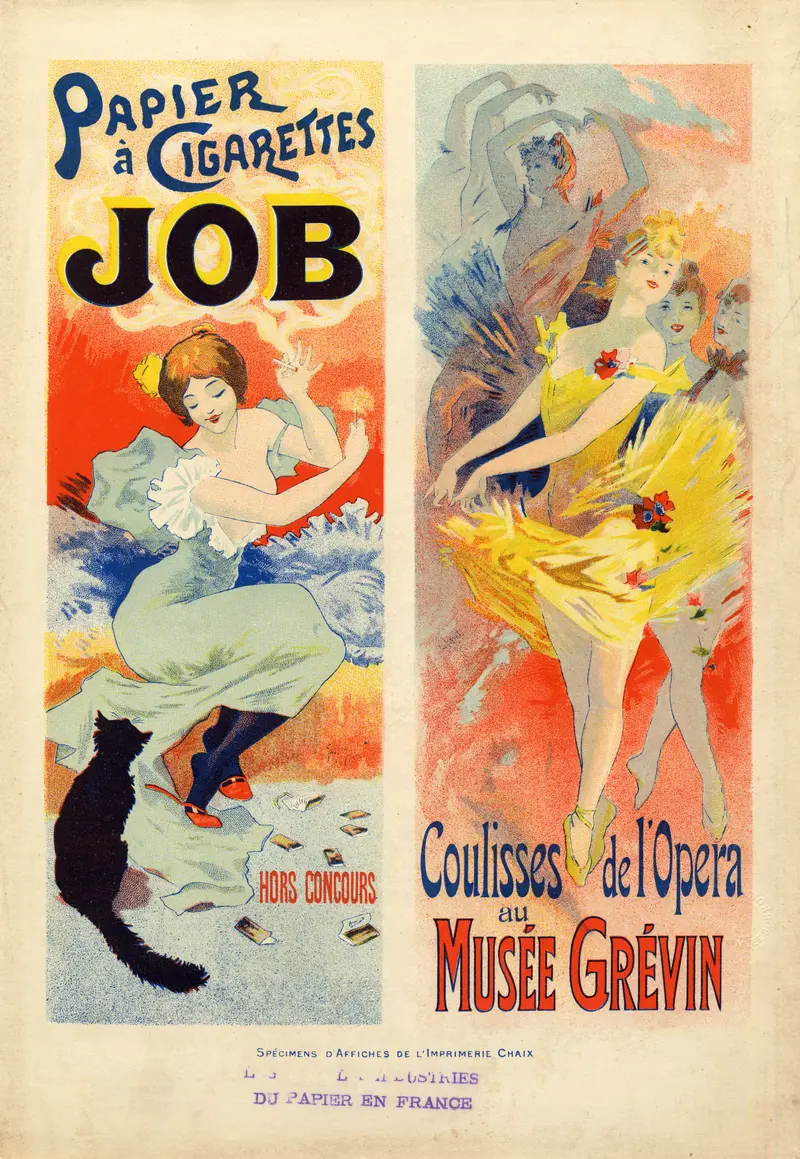
Papier à Cigarettes Job Hors Concours Coulisses de l’Opéra au Musée Grévin Spécimens d’affiches de l’Imprimerie Chaix
Jules Chéret

Aux filles du calvaire. Costume 49 f, enfant 6 f 90, visite 39 f. Exposition des nouveautés d’été
Jules Chéret
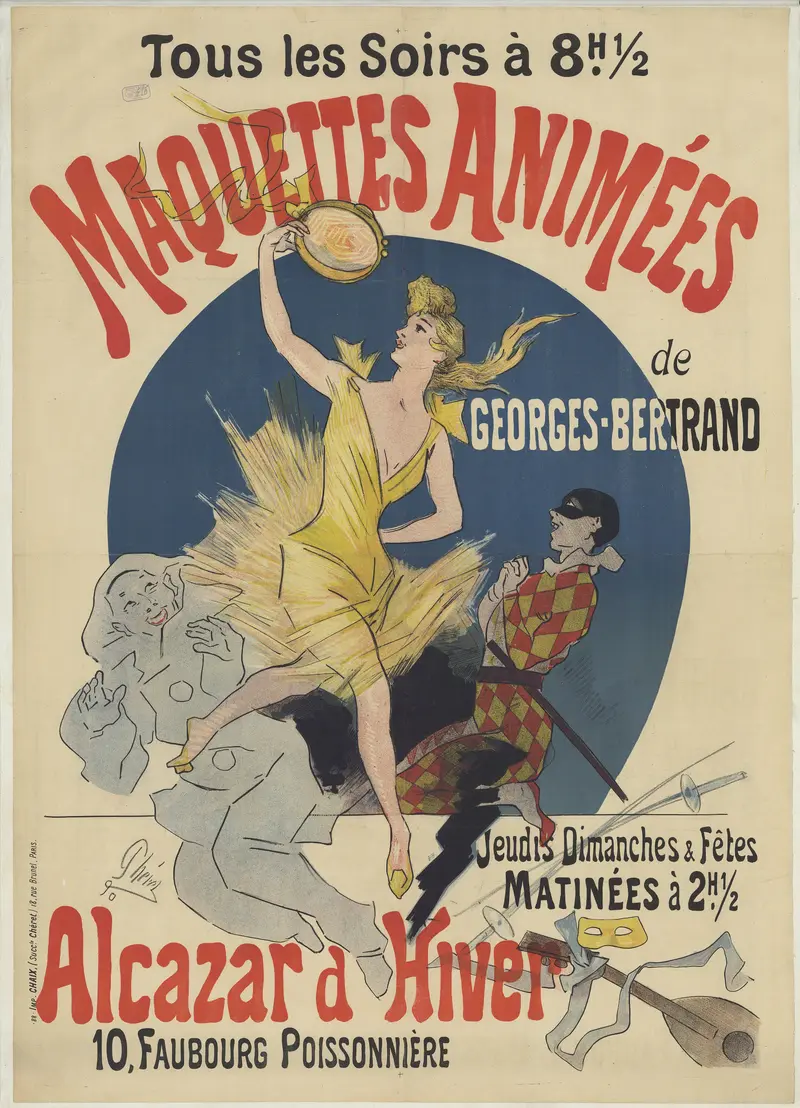
Tous les soirs à 8h 1,2 Maquettes animées. Alcazar d’hiver
Jules Chéret
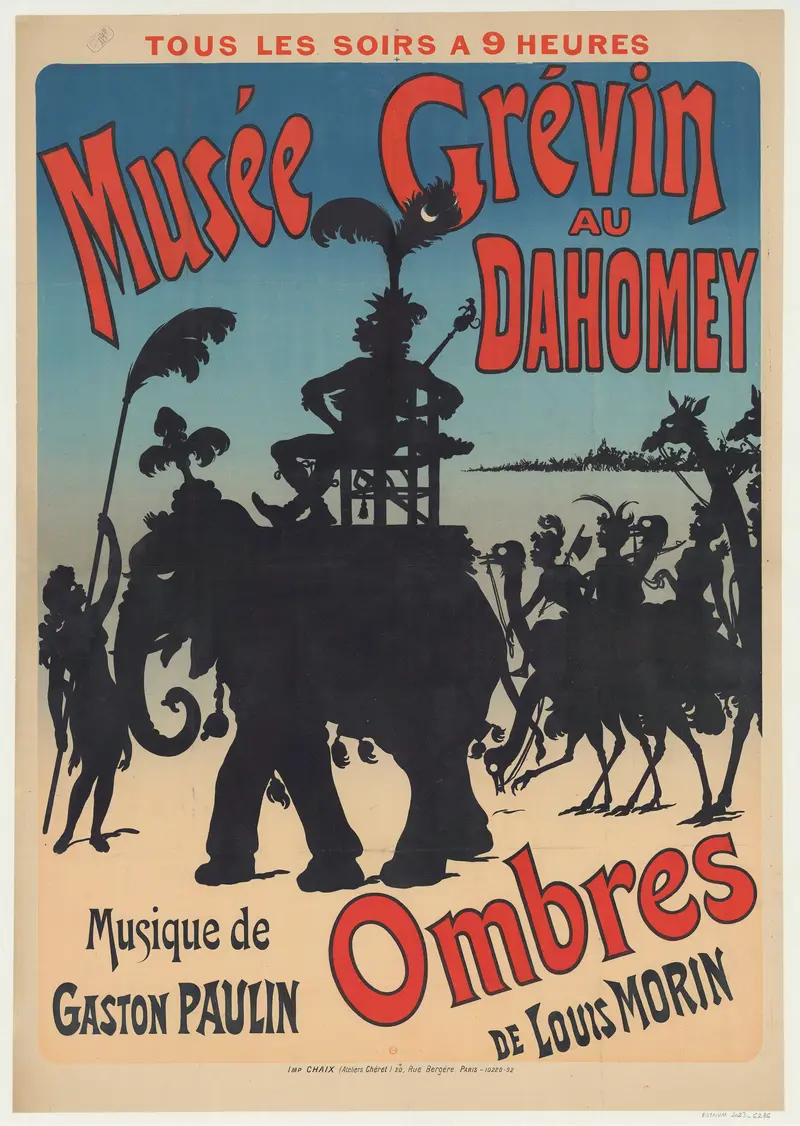
Tous les soirs à 9 heures, Musée Grévin. Au Dahomey. Ombres de Louis Morin, musique de Gaston Paulin
Jules Chéret
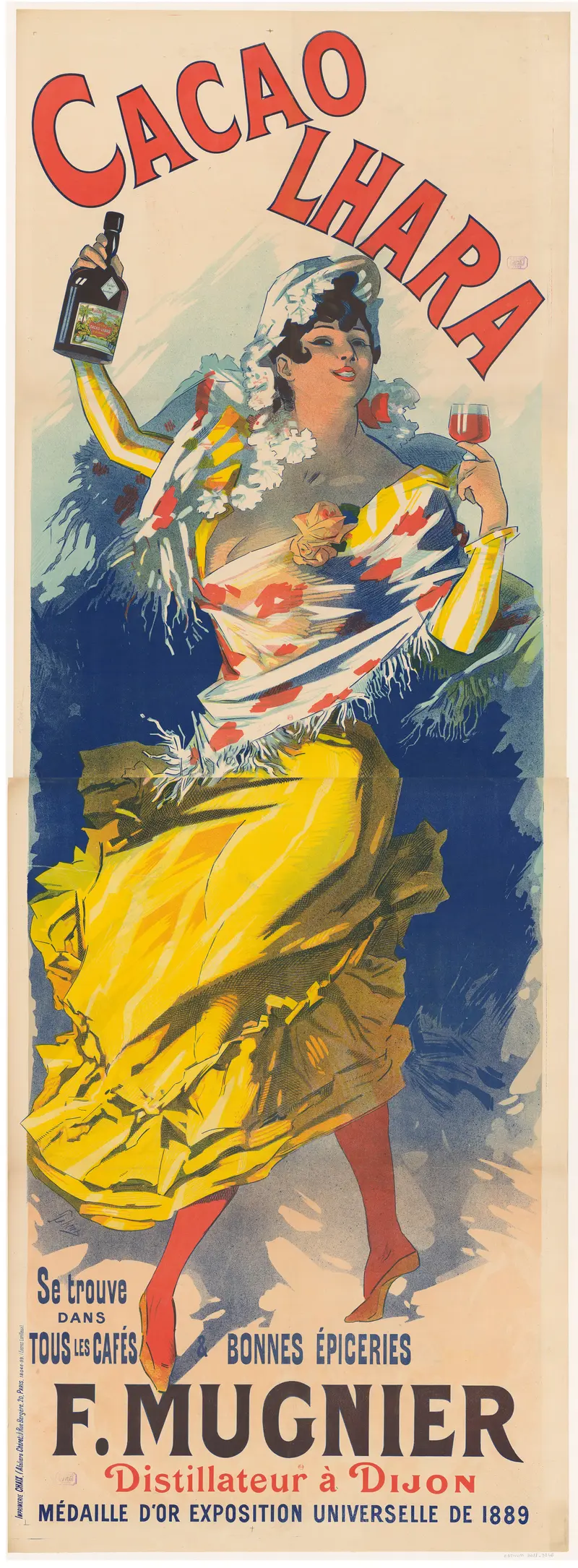
Cacao Lhara. F. Mugnier. Distillateur à Dijon. Médaille d’or exposition universelle de
Jules Chéret
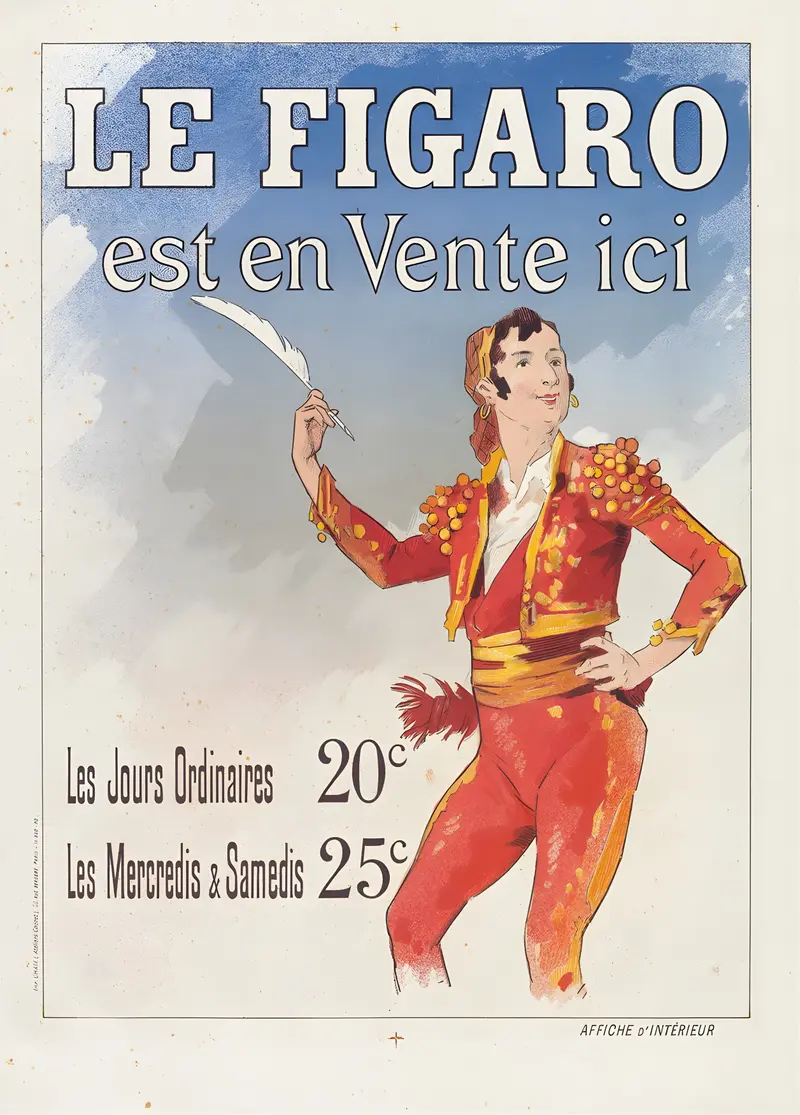
Reclamebiljet voor Le Figaro
Jules Chéret
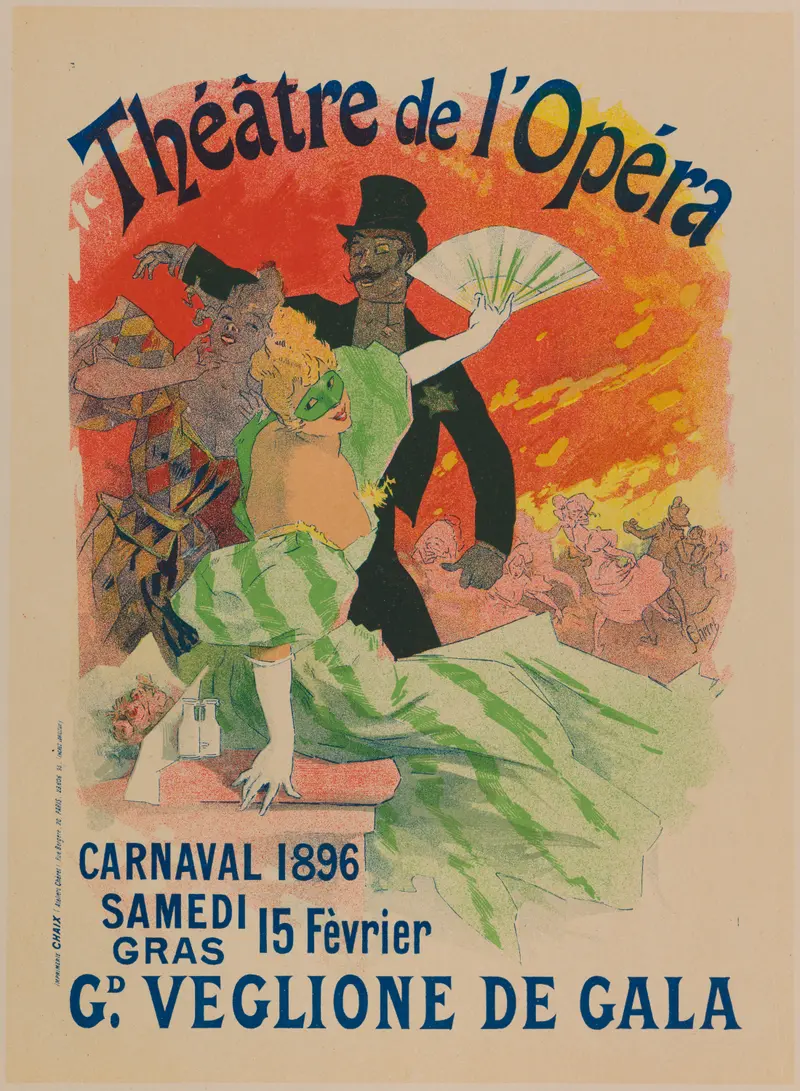
Carnaval 1896. Grand Veglione De Gala
Jules Chéret
More Genre Scene Art

Banquet of the Officers of the St George Civic Guard
Frans Hals

Rembrandt and Saskia in the Scene of the Prodigal Son
Rembrandt van Rijn

Bal du moulin de la Galette
Pierre-Auguste Renoir

Quadrille at the Moulin Rouge
Henri de Toulouse-Lautrec

A Burial at Ornans
Gustave Courbet

When Will You Marry?
Paul Gauguin