
Forest road in the Szczawnik valley — History & Facts
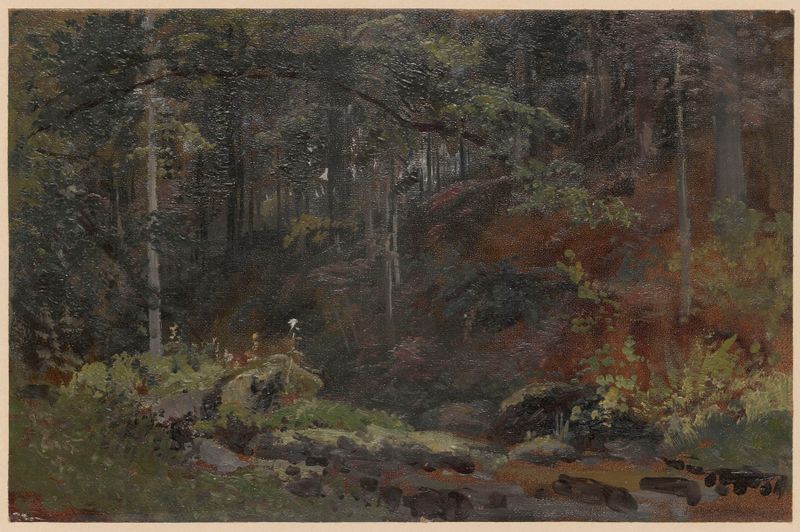
A forest road, entwined in shadows and light, speaks of rebirth amidst the stillness of nature's embrace. The silence is profound, filled with the unspoken promise of renewal that lies just beyond the trees. Look to the left, where the deep greens of the foliage cradle the path, inviting the eye to journey deeper into the scene. Notice how the dappled sunlight filters through the canopy, creating a mosaic of light and shadow that dances upon the earthy tones of the road.
The composition, rich yet restrained, balances the vibrant greens with the muted browns, evoking a sense of harmony and tranquility that invites contemplation. Hidden within this serene landscape are whispers of transformation. The gentle curve of the road suggests movement, guiding the viewer towards an unseen destination, perhaps symbolizing life’s continuous cycle. The juxtaposition of the vibrant forest with the quiet path hints at the duality of existence—growth and stillness, chaos and peace, each captured in a moment of quiet introspection. During the years between 1850 and 1881, Adolf Dressler was deeply entrenched in the Romantic movement, capturing nature's emotive power through his work.
He painted Forest Road in the Szczawnik Valley in Poland, amidst a period of personal exploration and the artistic shift towards emphasizing emotion over realism. This artwork reflects both his connection to the natural world and the broader currents of change that defined his era, reinforcing the idea that every silence holds a narrative of rebirth.
More Artworks by Adolf Dressler
Browse all →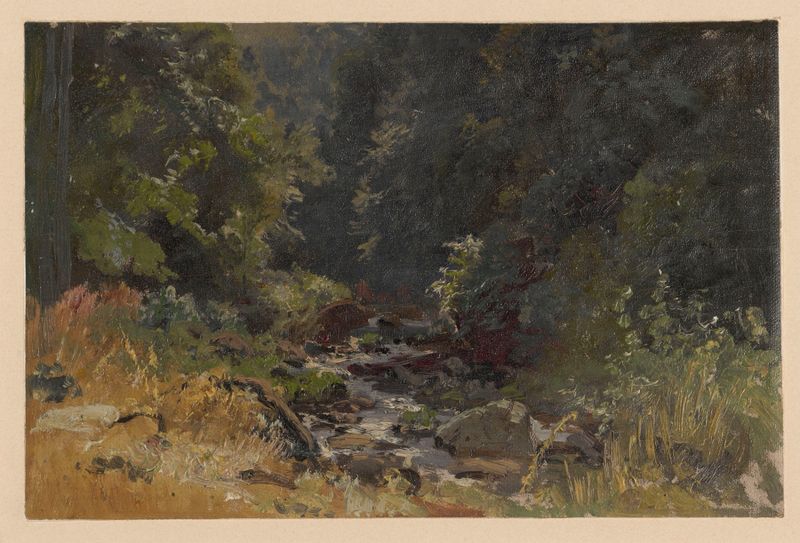
The Pełcznica Stream
Adolf Dressler
View of Przesieka
Adolf Dressler

By the River Barycz
Adolf Dressler
Plants on rocks
Adolf Dressler

Trees in a meadow near Jelcz
Adolf Dressler
Landscape near Trzebnica
Adolf Dressler

The River Czyżynka valley near the Cisy Castle
Adolf Dressler
Forest stream II
Adolf Dressler
Landscape by the River Barycz.
Adolf Dressler

Rocky slope with a stream
Adolf Dressler





