
Forum Traiani — History & Facts
Who listens when art speaks of silence? In Forum Traiani, the interplay of light against stone whispers stories of time and history, inviting the viewer to pause and reflect. Look to the left at the imposing ruins, where the sun casts elongated shadows that punctuate the intricate details of the architecture. Notice how the warm hues of ochre and terracotta contrast with the cooler blues of the sky, establishing a dialogue between earth and heaven. The composition draws the eye through the arches, creating a perspective that invites exploration, while the gentle play of light highlights the texture of weathered stone, breathing life into a landscape steeped in memory. The layered contrasts tell a deeper story—the juxtaposition of grandeur and decay reflects the passage of time and the eternal dialogue between human ambition and nature’s reclaiming force.
The silent figures scattered throughout evoke a sense of contemplation, suggesting that amidst the ruins, there is still a longing for connection and understanding. Each detail, from the cracked facades to the vibrant flora, speaks to resilience and transformation, resonating with the viewer’s own experiences of loss and renewal. In 1882, Ziegler painted Forum Traiani during a time of burgeoning interest in historical representation, particularly in the context of the neoclassical revival. Working in Germany, he was influenced by archaeological findings and a romantic view of antiquity, capturing a moment where history and personal discovery converged.
This artwork not only reflects his technical prowess but also signifies a broader cultural exploration of identity and heritage in a rapidly changing world.
More Artworks by Christoph Ziegler
Browse all →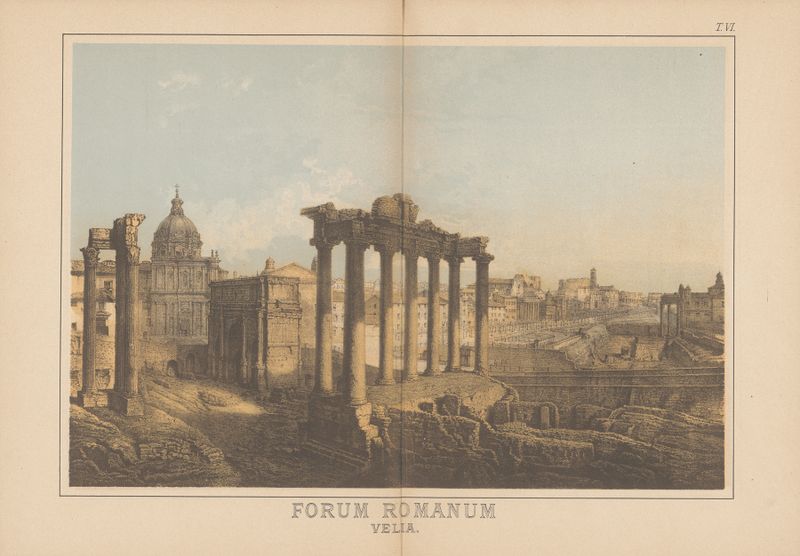
Forum Romanum
Christoph Ziegler
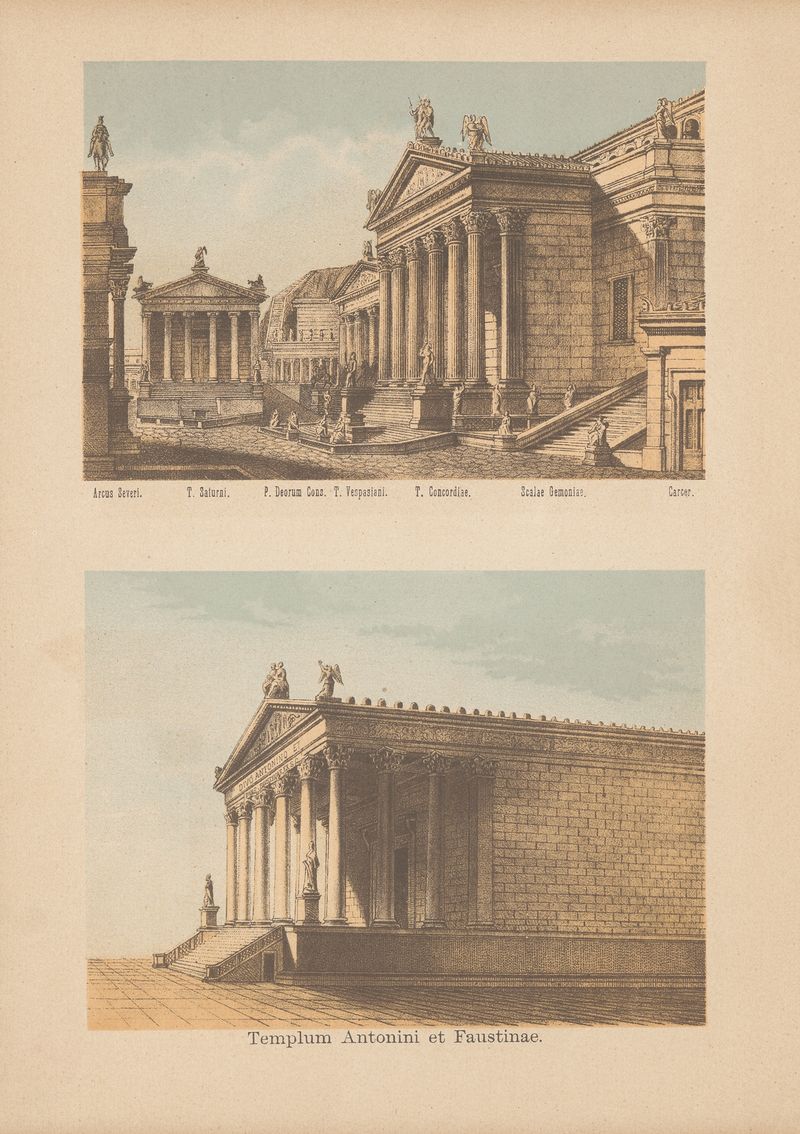
Templum Antonini et Faustinae
Christoph Ziegler
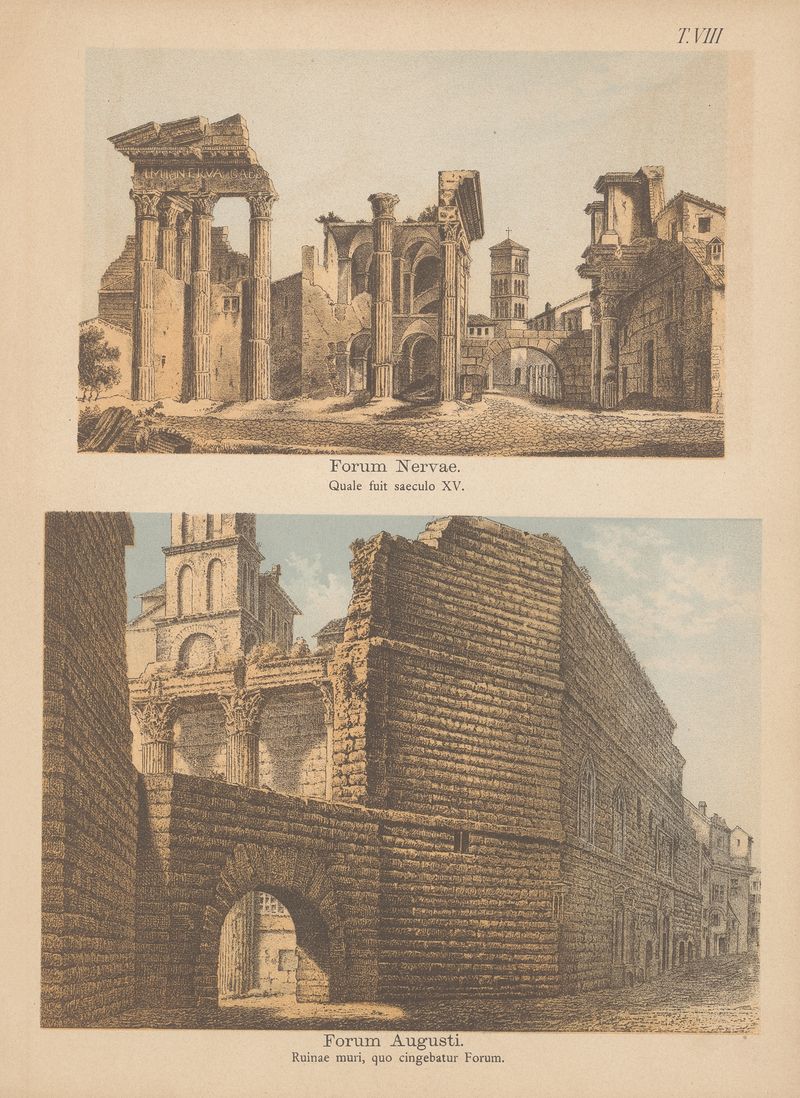
Forum Nervae, Forum Augusti
Christoph Ziegler
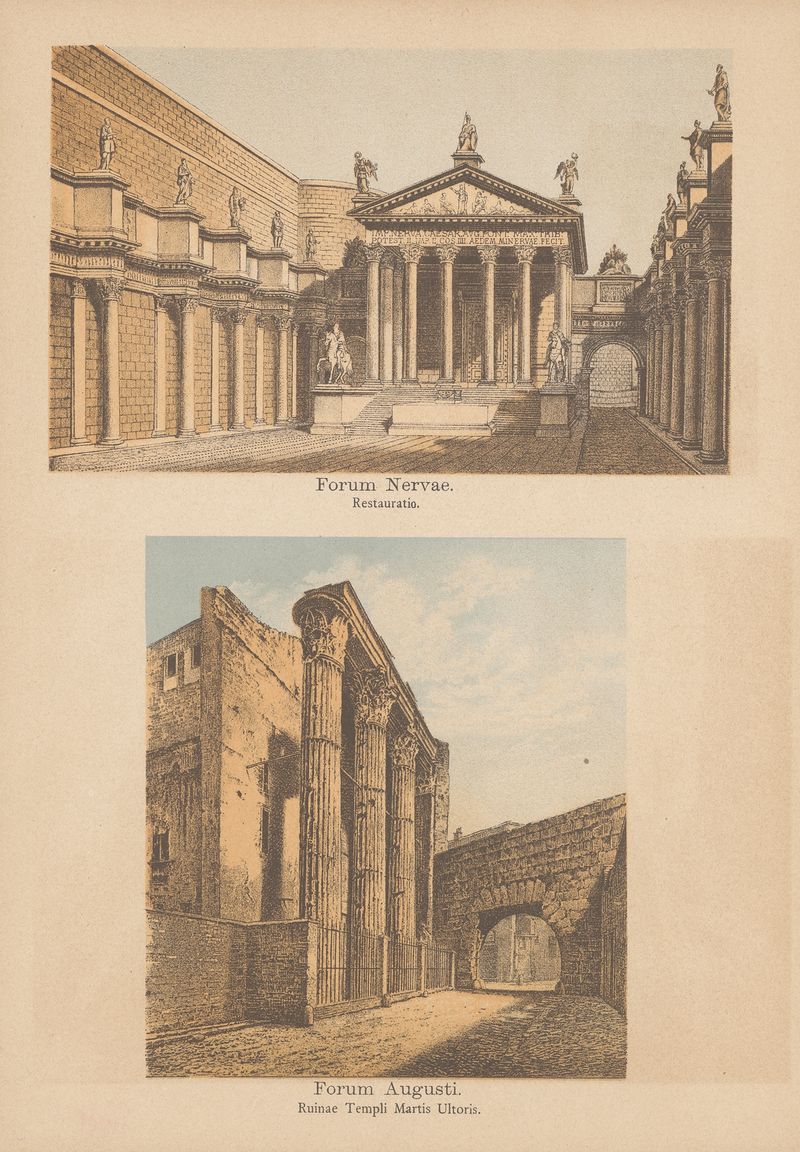
Forum Nervae, Forum Augusti
Christoph Ziegler
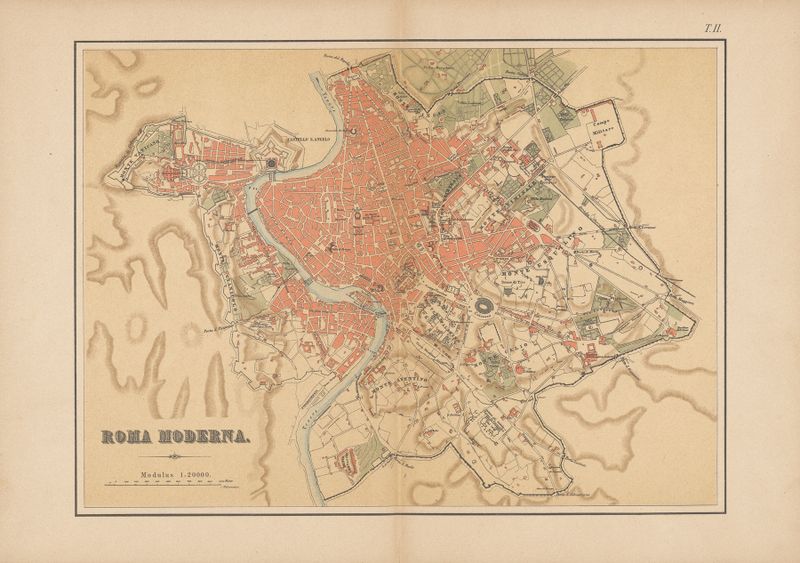
Plan des neuen Rom
Christoph Ziegler
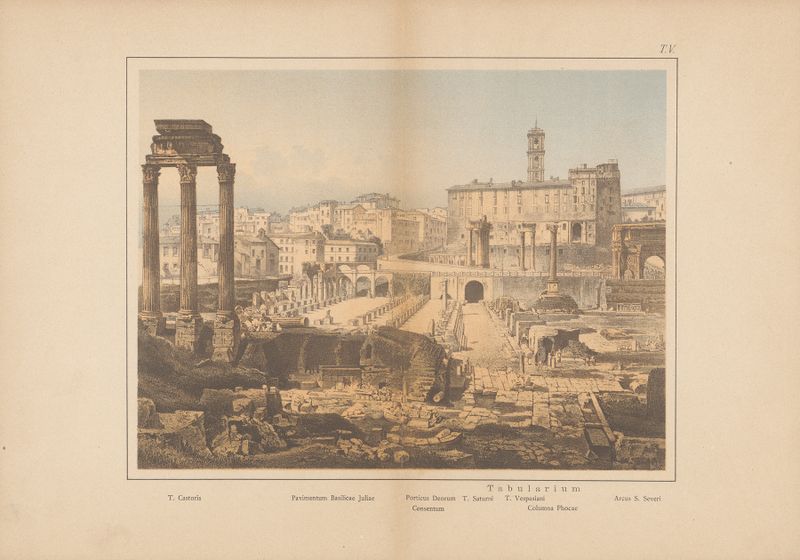
Tabularium
Christoph Ziegler
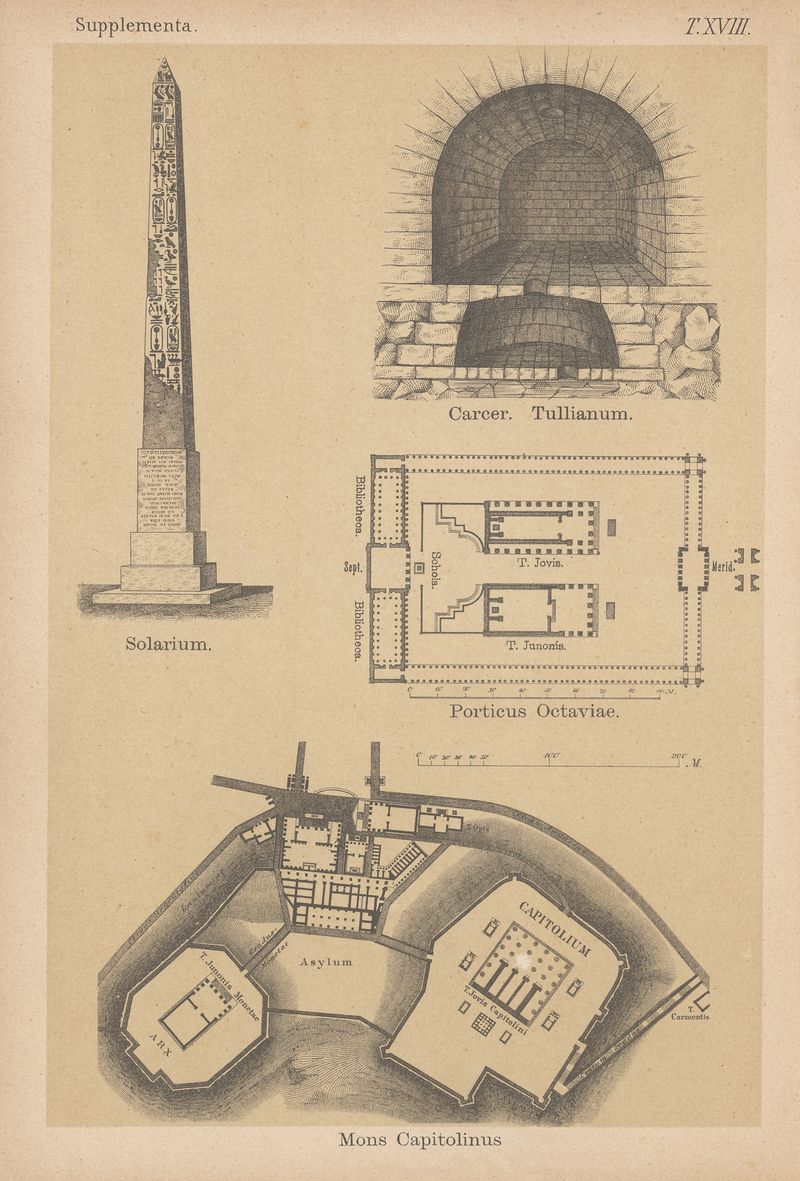
Mons Capitolinus
Christoph Ziegler
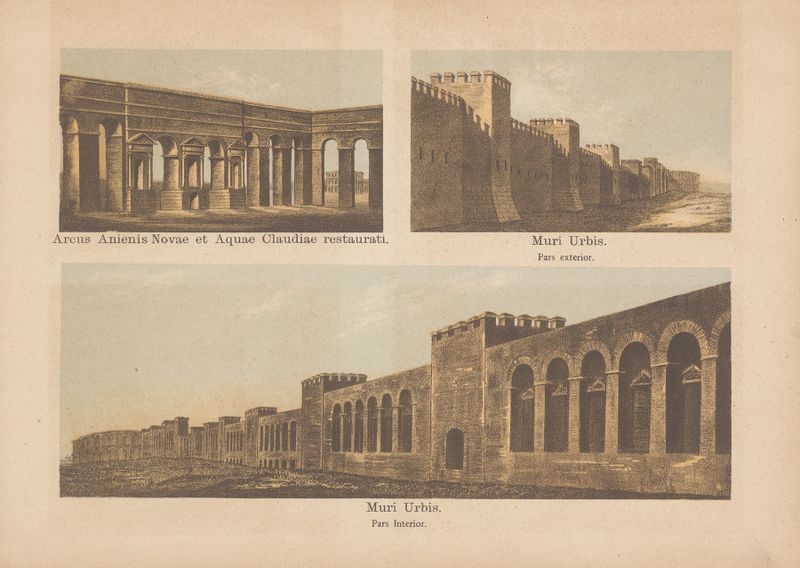
Arcus Anienis Novae, Muri urbis
Christoph Ziegler
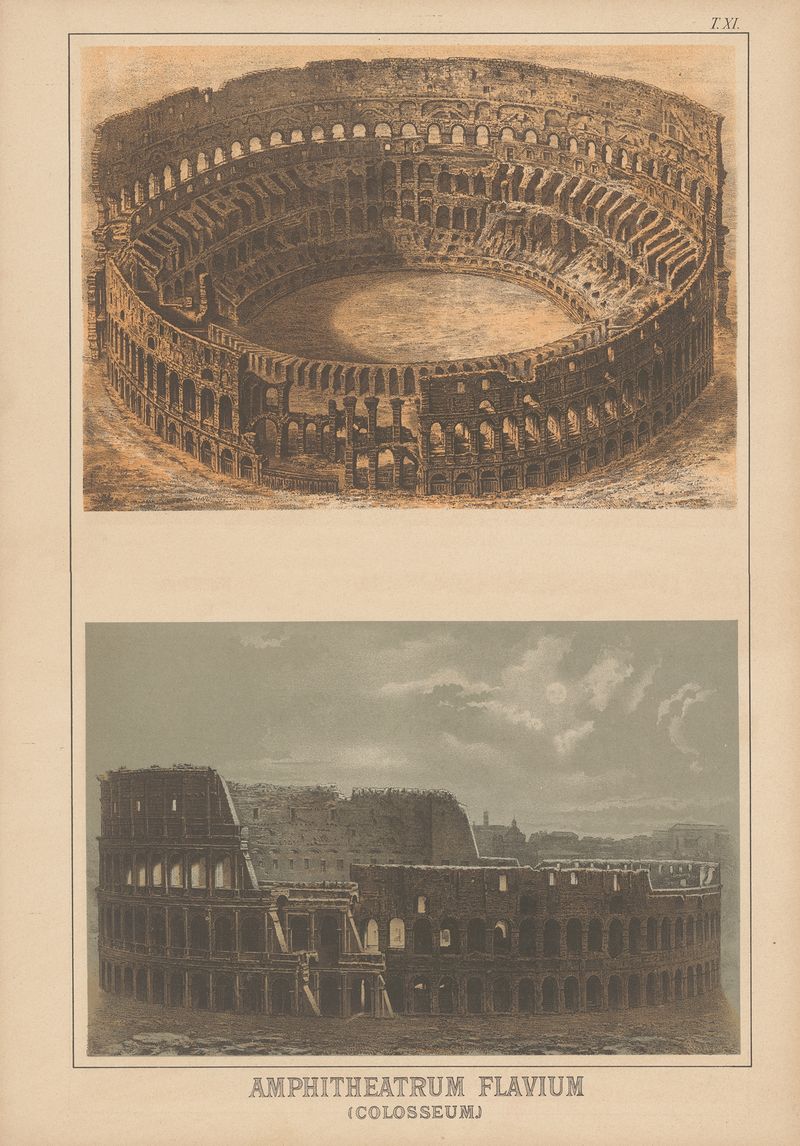
Amphitheatrum Flavium (Colosseum)
Christoph Ziegler
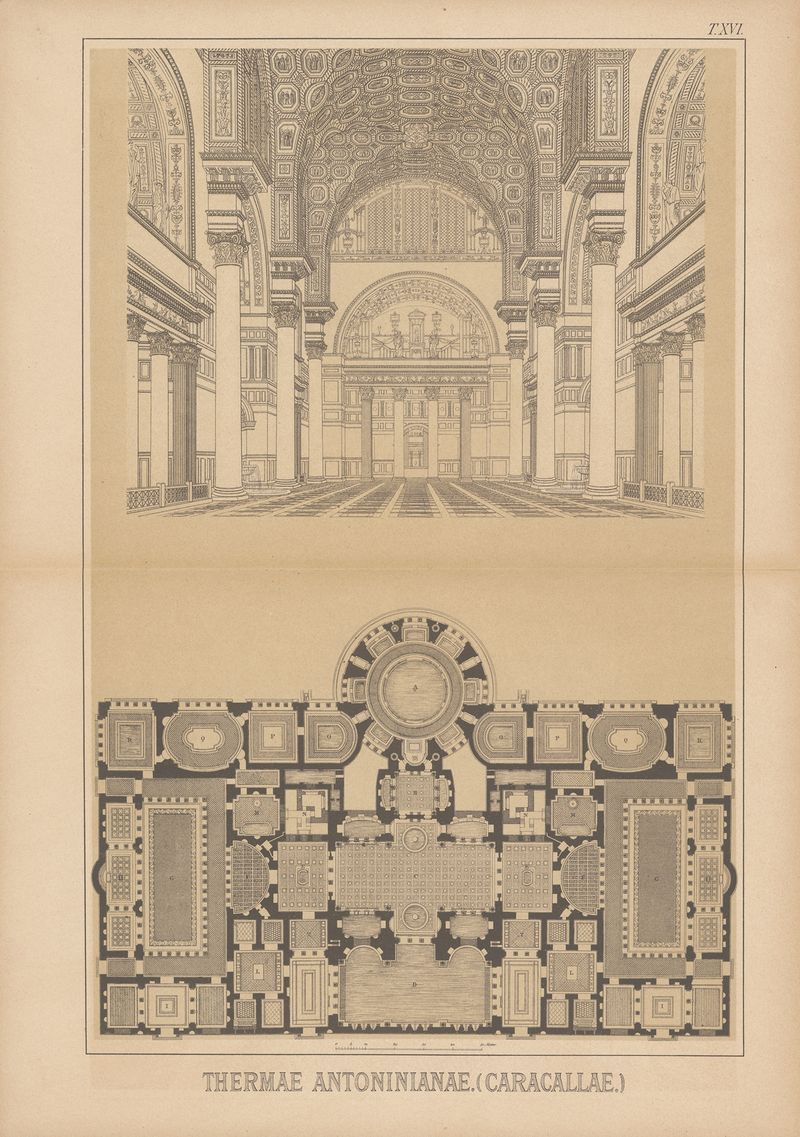
Thermae Antoninianae (Caracallae)
Christoph Ziegler
More Architecture Art
Browse all →
The statue of Liberty
Frédéric Auguste Bartholdi

View of Houses in Delft, Known as ‘The Little Street’
Johannes Vermeer

View of Houses in Delft, Known as ‘The Little Street’
Johannes Vermeer

The Cathedral in Rouen. The portal, Grey Weather
Claude Monet

The yellow house
Vincent van Gogh

The Church in Auvers-sur-Oise, View from the Chevet
Vincent van Gogh