
Fountain, Cremorne — History & Facts
What secret hides in the quiet of the canvas? Beneath layers of stillness lies a narrative steeped in emptiness and contemplation. Look to the center of the composition, where a fountain stands as a silent sentinel. Its gentle curves and ornate details invite the viewer to explore its form, while the play of light dances across the water’s surface, reflecting a subdued brilliance. The surrounding greenery, rendered in soft greens and earthy tones, creates a tranquil backdrop that heightens the fountain’s intricate features, inviting one to dwell upon the balance of nature and artistry. Yet, as one gazes deeper, an unsettling contrast emerges.
The vibrant life of the foliage juxtaposes the stillness of the water, suggesting a poignant moment of absence. The fountain, often a symbol of vitality, here speaks to solitude, as if capturing a fleeting moment before the chatter of visitors fills the air. This tension evokes reflections on the passage of time and the transient nature of beauty, urging viewers to contemplate what remains unseen and unheard. The work was created by a notable figure in the 19th century, a time when romanticism and realism were battling for prominence in the art world.
While the precise date of its creation is unknown, it's clear that the artist was influenced by the shifting social landscapes of the time, including the burgeoning interest in public parks and leisure spaces in urban settings. Amidst this transformation, the artist captured not just a scene but an atmosphere, encapsulating moments of respite and introspection.
More Artworks by William Henry Brooke
Browse all →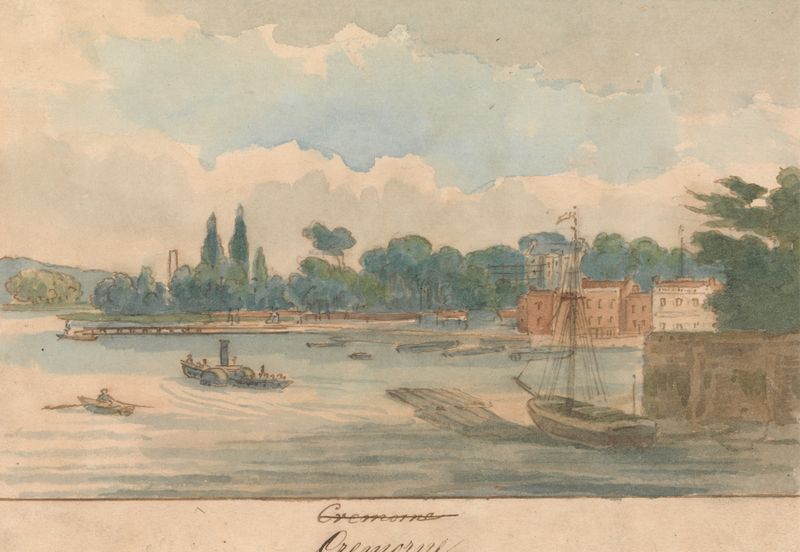
Cremorne
William Henry Brooke

Interior Marionette Theatre
William Henry Brooke
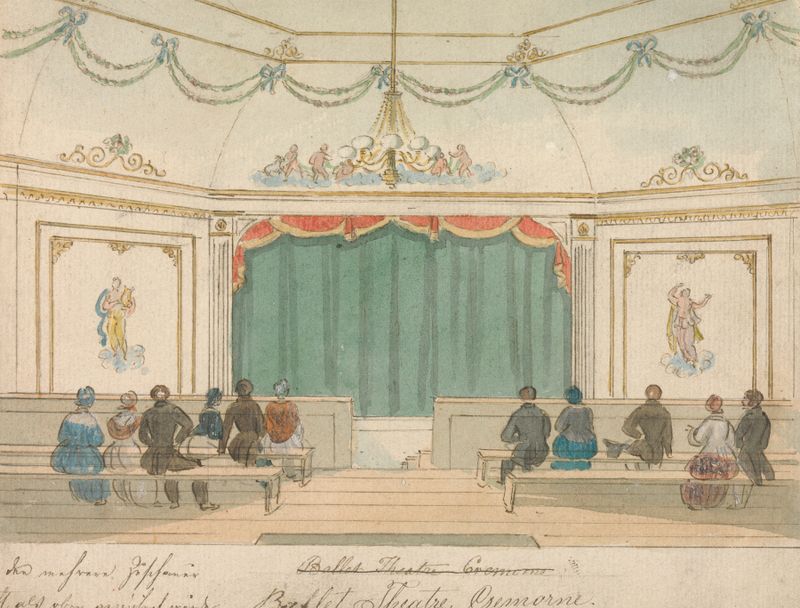
Ballet Theatre, Cremorne
William Henry Brooke
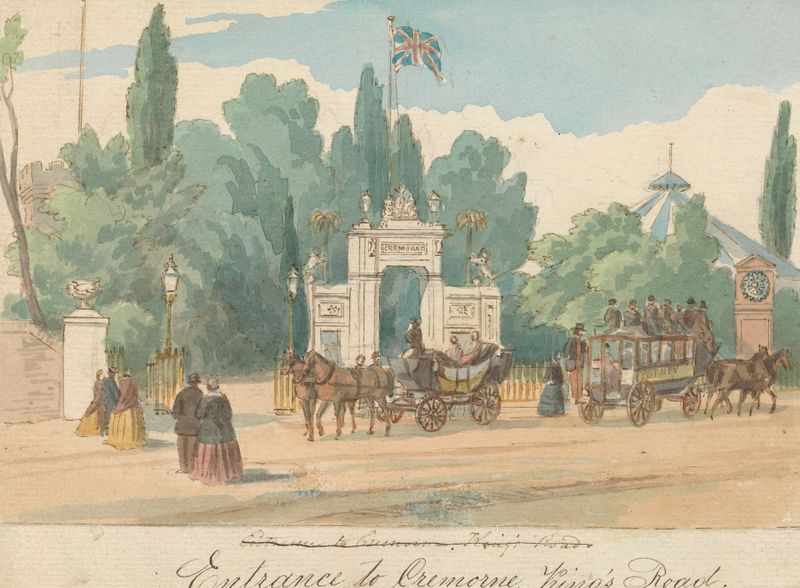
Entrance to Cremorne, King’s Road
William Henry Brooke
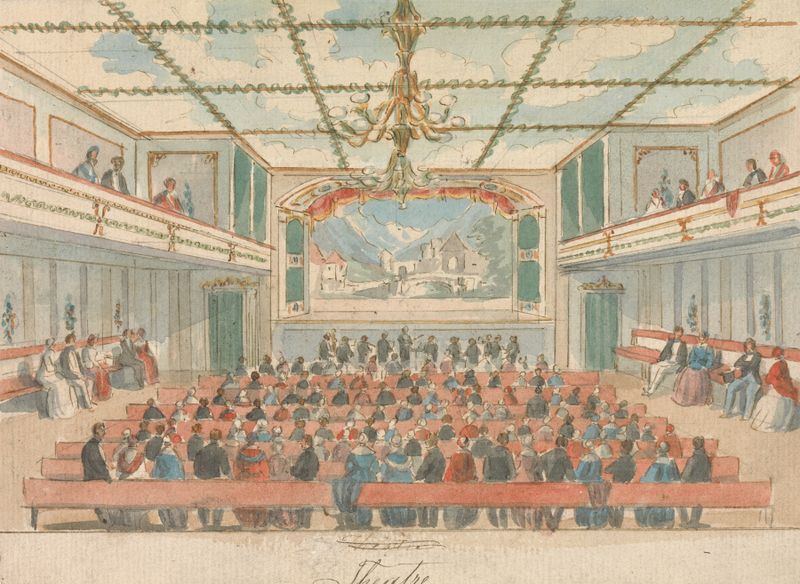
Theatre
William Henry Brooke

The Pavilion, Cremorne
William Henry Brooke

Fire Work Temple and American Building Saloon
William Henry Brooke





