
The Pavilion, Cremorne — History & Facts
What if silence could speak through light? In the stillness of The Pavilion, Cremorne, palpable grief is woven into the very fabric of the scene, hinting at stories untold. Focus on the delicate interplay between shadow and illumination across the pavilion’s architecture. The light falls softly, tracing the intricate details of the structure, while darker hues envelop the edges, creating a poignant contrast. Notice how the trees surrounding the pavilion reach toward the sky, their leaves whispering secrets of the past.
This careful composition speaks to the fragile balance between beauty and melancholy, inviting the viewer to linger. Hidden within this serene image lies an undercurrent of loss. The pavilion, often a site of joyous gatherings, now stands solitary, implying memories of laughter that once filled the air. The absence of figures, coupled with the vibrant yet muted colors, suggests a longing for connections now faded, capturing the essence of nostalgia.
This emotional tension is a stark reminder that beauty can coexist with sorrow, intertwining the delicate threads of life’s fleeting moments. During the time the artist created this work, the mid-19th century, he was deeply immersed in the Romantic movement, which sought to explore emotion through landscape and architecture. The social landscape of England was shifting, reflecting both industrial advancement and a yearning for the serenity found in nature. Amid these changes, Brooke’s creation of The Pavilion, Cremorne reveals a desire to capture a moment of stillness in a rapidly evolving world, marking a quiet tribute to both beauty and loss.
More Artworks by William Henry Brooke
Browse all →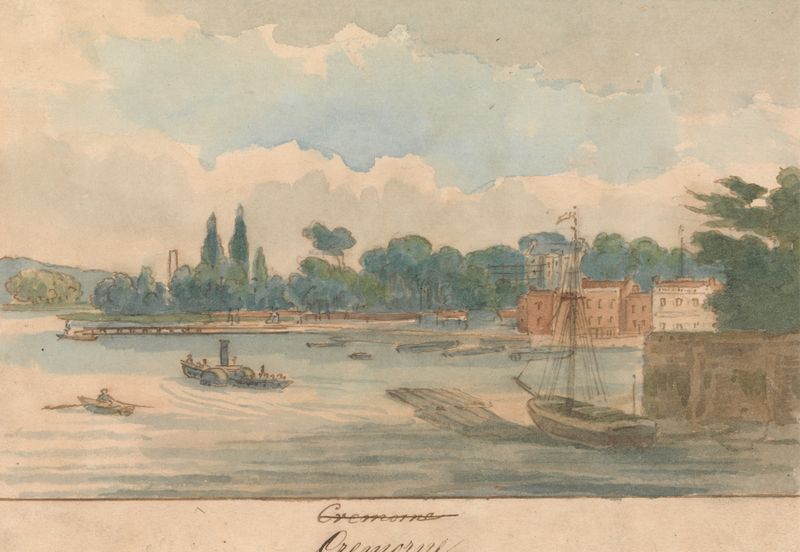
Cremorne
William Henry Brooke

Interior Marionette Theatre
William Henry Brooke
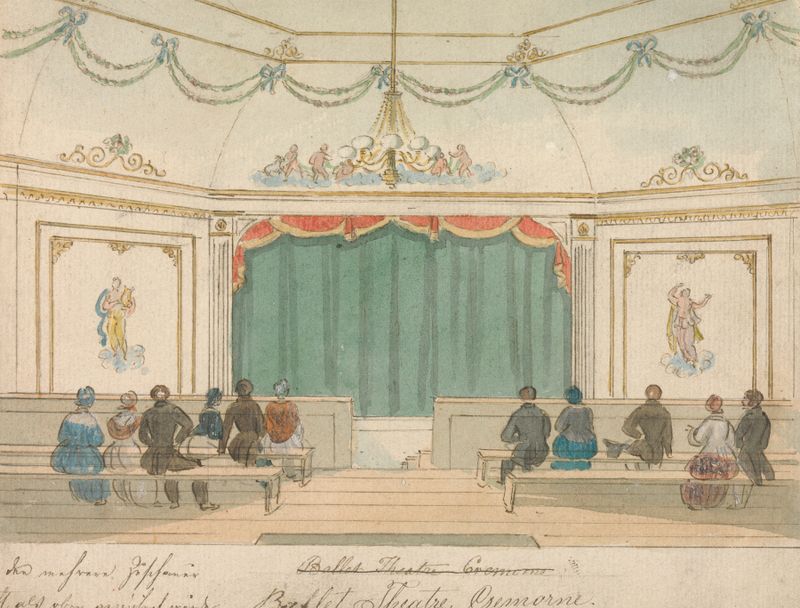
Ballet Theatre, Cremorne
William Henry Brooke

Fountain, Cremorne
William Henry Brooke
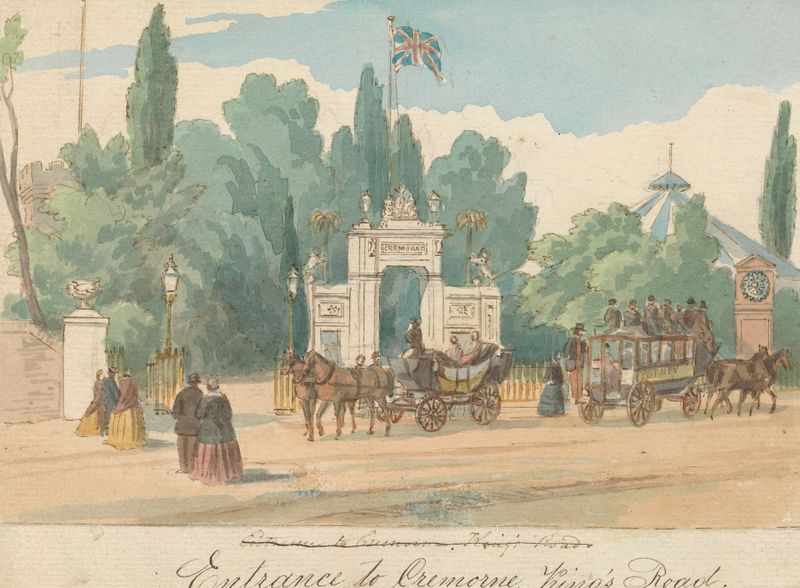
Entrance to Cremorne, King’s Road
William Henry Brooke
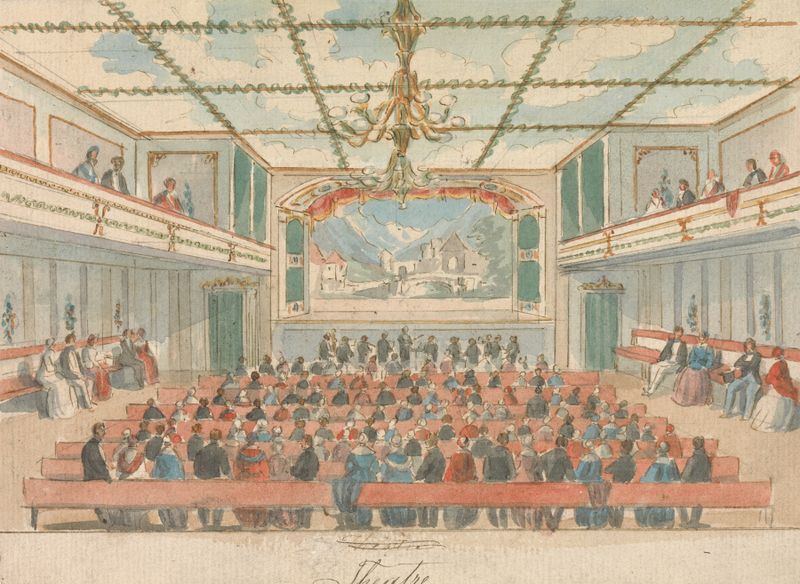
Theatre
William Henry Brooke

Fire Work Temple and American Building Saloon
William Henry Brooke
More Architecture Art
Browse all →
The statue of Liberty
Frédéric Auguste Bartholdi

View of Houses in Delft, Known as ‘The Little Street’
Johannes Vermeer

View of Houses in Delft, Known as ‘The Little Street’
Johannes Vermeer

The Cathedral in Rouen. The portal, Grey Weather
Claude Monet

The yellow house
Vincent van Gogh

The Church in Auvers-sur-Oise, View from the Chevet
Vincent van Gogh