
Theatre — History & Facts
In Theatre, the canvas transforms into a stage where the act of creation is itself a poignant performance. Focus on the vibrant palette that swirls in a harmonious chaos, drawing your attention to the dynamic interplay of light and shadow. Notice how the bold strokes seem to dance across the surface, each one layered with intention, inviting the viewer to delve deeper. The juxtaposition of rich reds and soft blues creates a tension that breathes life into the scene, while the figures emerge from the background, almost beckoning you to witness their unfolding story. Amidst the cacophony of colors lies a subtle commentary on illusion and reality.
The figures, caught between abstraction and form, suggest the transformative power of art itself, blurring the lines between spectator and performer. Look closely, and you'll see how the expressions convey both vulnerability and strength, encapsulating the fragile nature of existence and the resilience found within. Each detail whispers of myriad narratives — the emotional weight of the moment lies in the tension between stillness and movement. At the time of its creation, William Henry Brooke was immersed in the rich cultural life of 19th-century England, navigating the burgeoning landscape of modern art.
While specific dates remain elusive, this period was marked by experimentation and a shift towards more expressive forms, reflecting the artist's desire to capture not just the visible, but the essence of transformation itself.
More Artworks by William Henry Brooke
Browse all →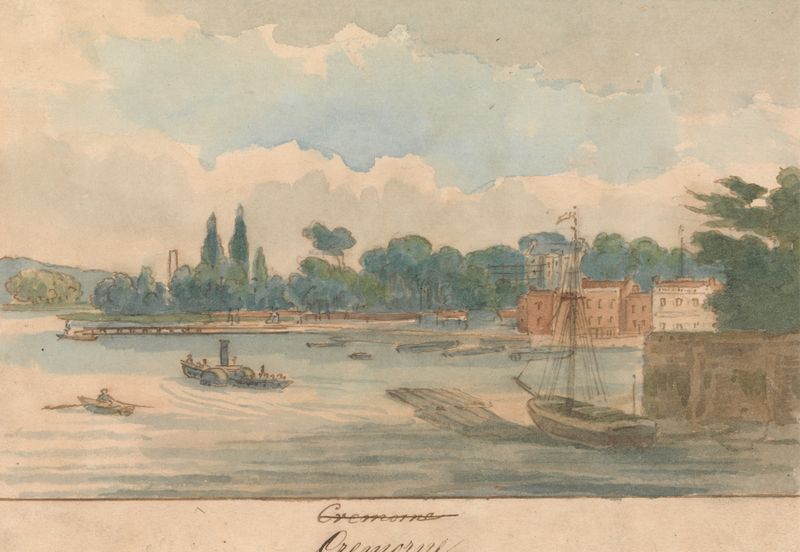
Cremorne
William Henry Brooke

Interior Marionette Theatre
William Henry Brooke
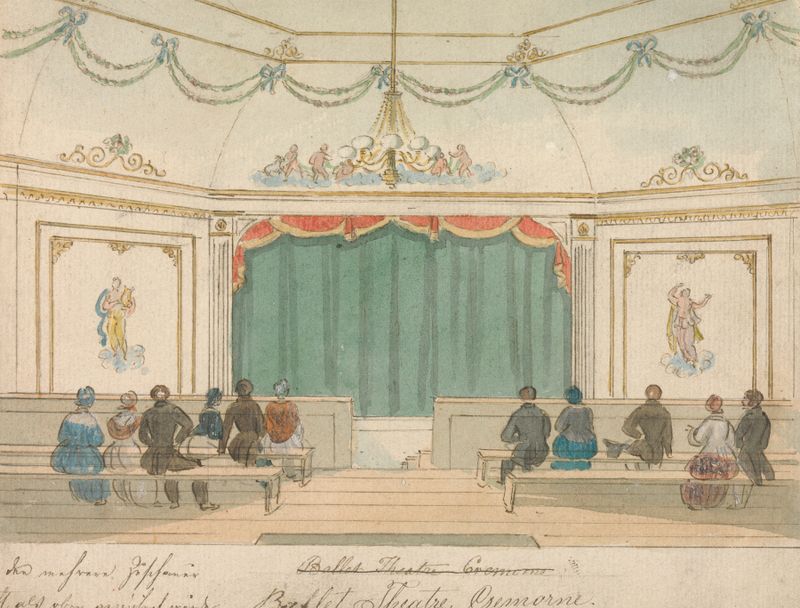
Ballet Theatre, Cremorne
William Henry Brooke

Fountain, Cremorne
William Henry Brooke
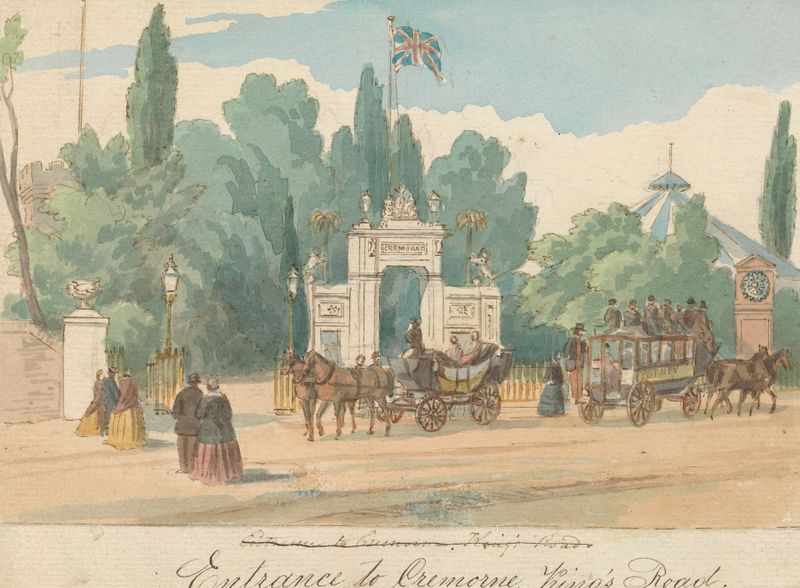
Entrance to Cremorne, King’s Road
William Henry Brooke

The Pavilion, Cremorne
William Henry Brooke

Fire Work Temple and American Building Saloon
William Henry Brooke





