
Cremorne — History & Facts
Did the painter know this moment would outlive them? The tranquility captured in this work offers a serene glimpse into a world untouched by time, a fleeting moment that invites contemplation and connection. Look to the foreground, where the lush greenery unfurls its vibrant hues, beckoning the viewer’s eye. Notice how the brushstrokes intertwine with the soft light, creating a harmonious balance between shadow and brightness. The gentle curves of the landscape lead toward a distant horizon, suggesting both depth and possibility.
The overall composition evokes a sense of peace, inviting us to linger in this idyllic setting. As you delve deeper, consider the emotional tensions at play. The serene surface of the water reflects not only the beauty of nature but also a deeper longing for tranquility in a chaotic world. The juxtaposition of vibrant foliage against the smoothness of the water creates a dialogue between life and stillness, highlighting the delicate interplay between motion and pause.
Each element, from the distant trees to the quiet waterway, holds a significance that whispers of a larger narrative, one that speaks to the human need for solace. At an undetermined time, William Henry Brooke rendered this scene, likely during a period of artistic exploration in the 19th century. Although precise details of his life during the creation of this piece remain elusive, it is known that he was part of a vibrant community of artists who sought to capture the beauty of the English landscape. His work reflects an era characterized by both the burgeoning romanticism in art and a desire to connect with nature.
More Artworks by William Henry Brooke
Browse all →
Interior Marionette Theatre
William Henry Brooke
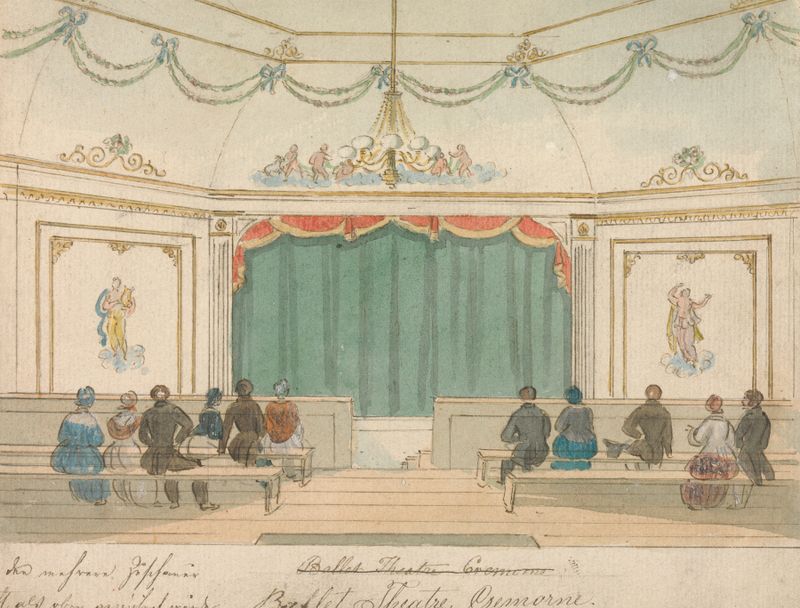
Ballet Theatre, Cremorne
William Henry Brooke

Fountain, Cremorne
William Henry Brooke
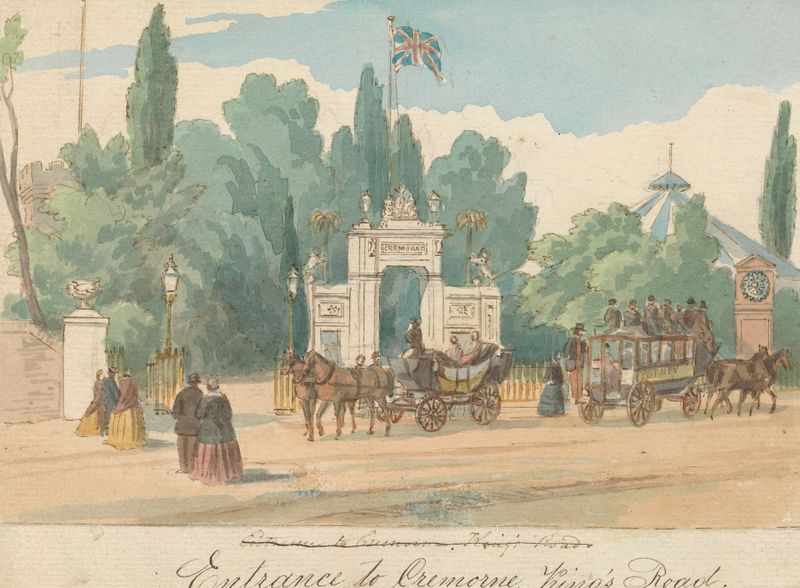
Entrance to Cremorne, King’s Road
William Henry Brooke
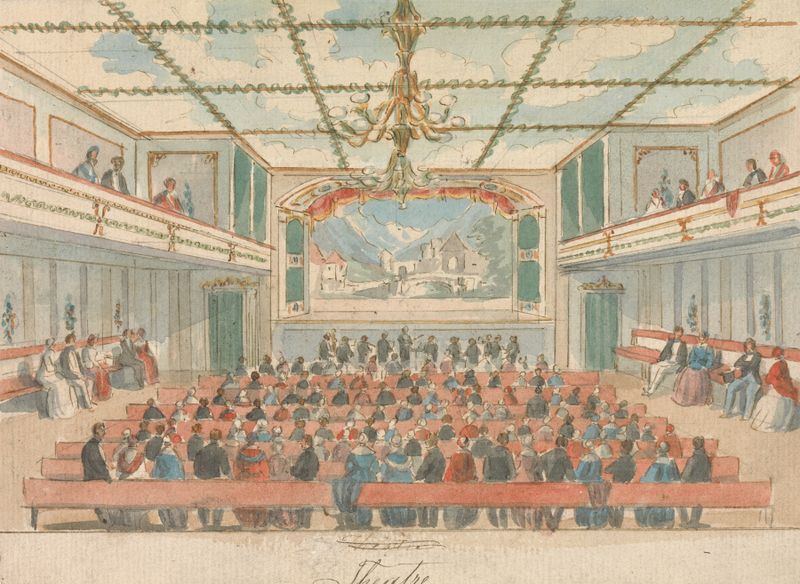
Theatre
William Henry Brooke

The Pavilion, Cremorne
William Henry Brooke

Fire Work Temple and American Building Saloon
William Henry Brooke





