
Foxley Mill, near Malmesbury — History & Facts
Where does light end, and longing begin? In the serene chaos of rural life, nature's beauty often speaks to the heart in whispers and echoes. First, focus on the delicate interplay of light and shadow that envelops the scene as you gaze at the rolling hills and the quaint mill nestled amidst the foliage. Notice how the sunlight dances across the water's surface, illuminating the vibrant greens and browns of the landscape. The composition balances the structure of the mill, with its stoic presence, against the fluidity of the surrounding nature, inviting you to explore the harmony between man-made and organic elements. The painting reveals a deeper tension between tranquility and underlying chaos.
The subtle brushstrokes create movement in the trees and water, suggesting a gentle breeze that stirs the stillness. There’s a profound sense of yearning as the viewer contemplates the mill's role in this idyllic setting—a reminder of the industriousness of humanity intertwined with the serenity of the countryside. Each detail, from the reflected light in the stream to the distant hills, encapsulates both peace and the relentless passage of time. In 1802, the artist was residing in England, a period marked by the rise of Romanticism, which emphasized nature and emotion.
As Hearne painted Foxley Mill, near Malmesbury, he was deeply influenced by the English countryside, reflecting the era's fascination with pastoral life. This work captures his desire to express the beauty of the rural landscape at a time when the Industrial Revolution began to reshape the environment around him, revealing the tension between progress and preservation.
More Artworks by Thomas Hearne
Browse all →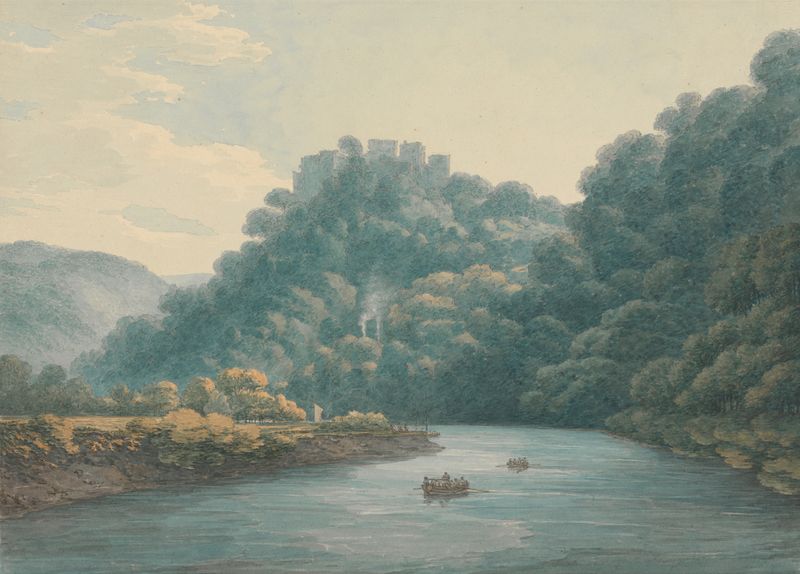
Goodrich Castle on the Wye
Thomas Hearne
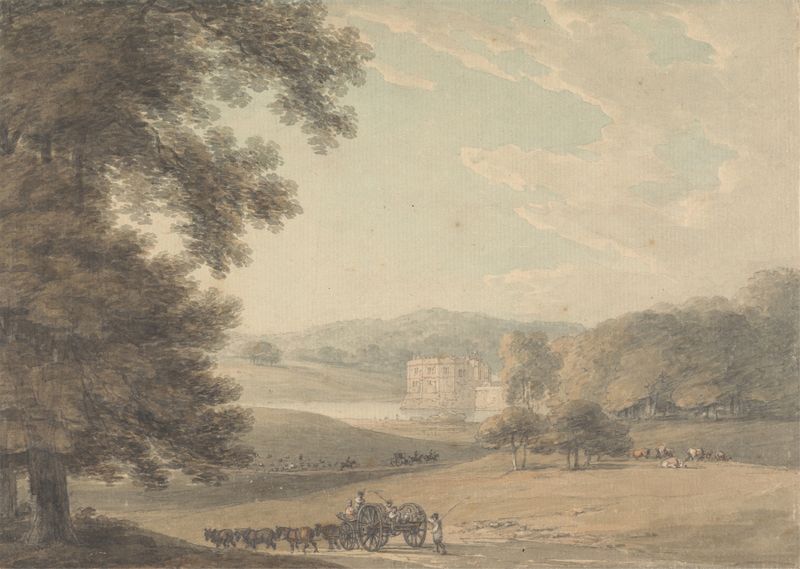
Leeds Castle, Kent
Thomas Hearne

The Ruins of Leiston Abbey
Thomas Hearne
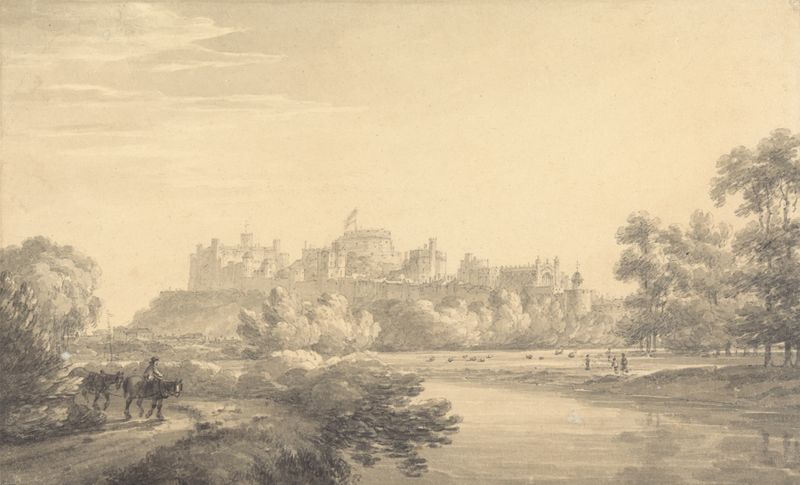
Windsor Castle
Thomas Hearne
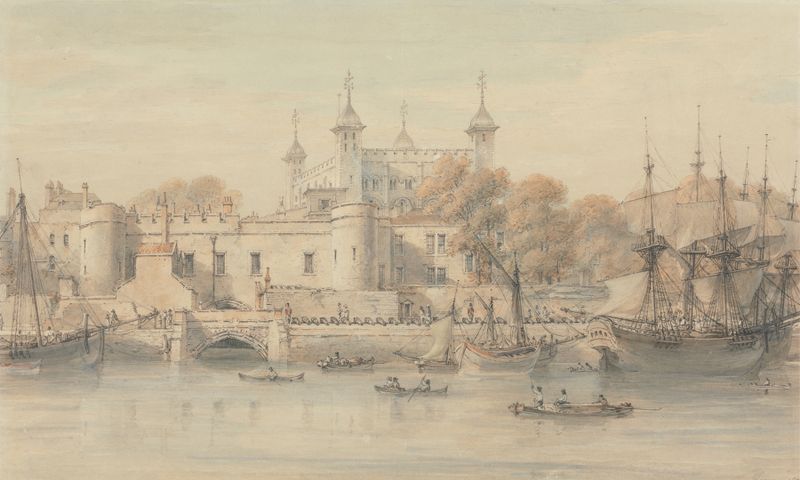
The Tower of London
Thomas Hearne
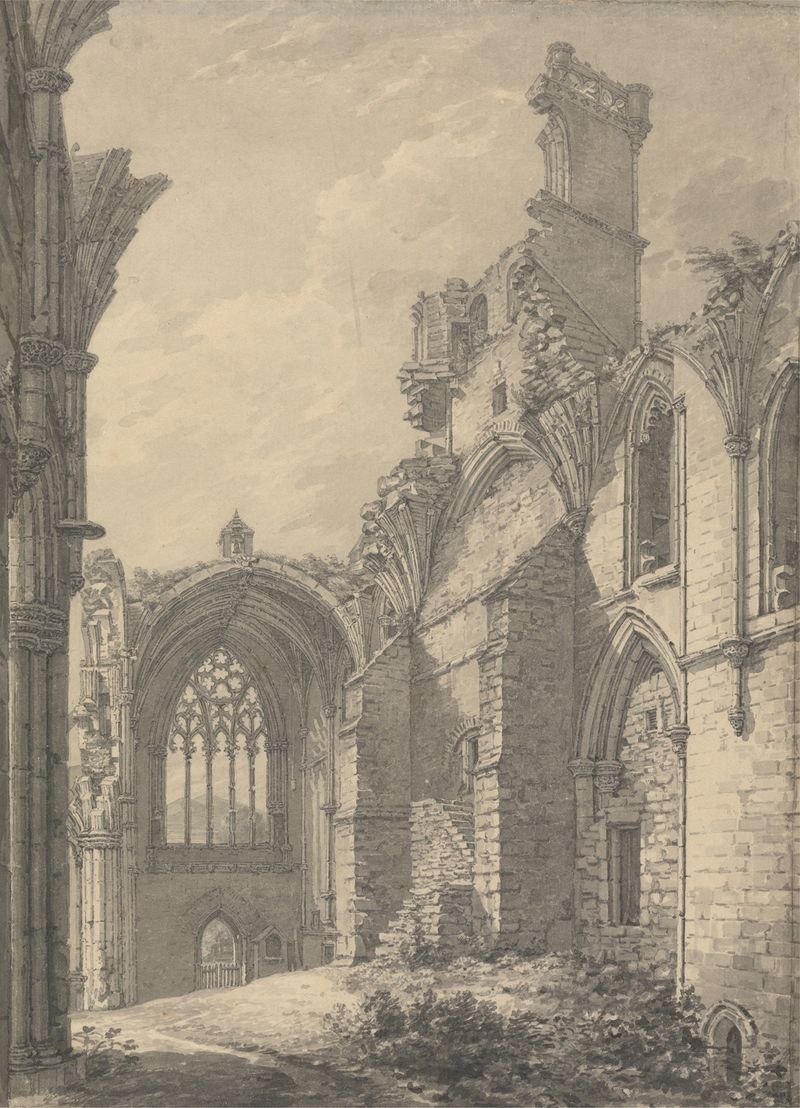
Transept of Melrose Abbey, 1778 Near Old Melrose on the River Tweed, Roxburgh
Thomas Hearne
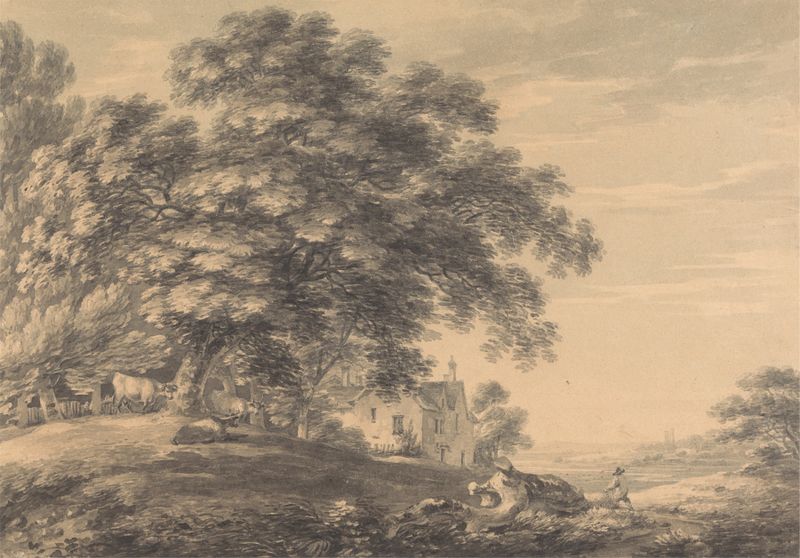
Landscape
Thomas Hearne
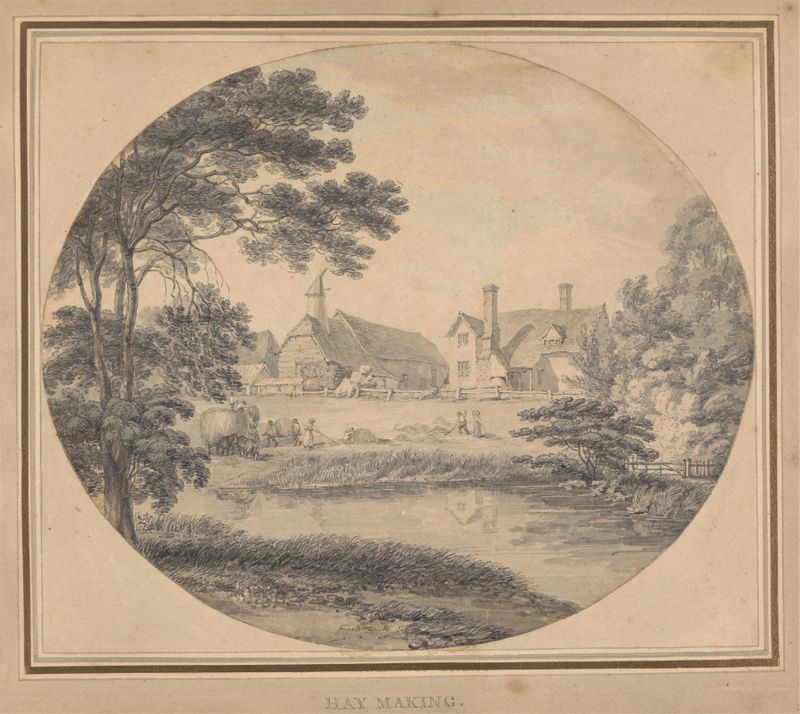
Haymaking
Thomas Hearne

Castle Acre Priory
Thomas Hearne
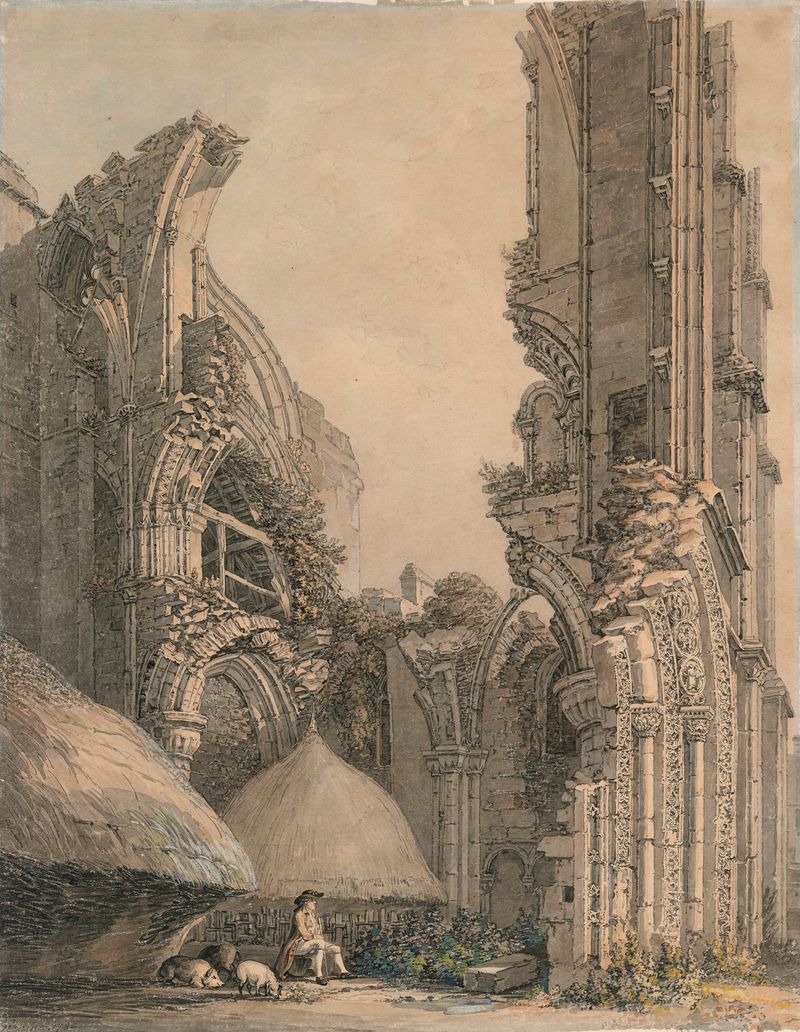
The Ruins of Malmesbury Abbey, Somerset, from the West Front (ill. for ‘The Antiquities of Great Britan’ 1807)
Thomas Hearne





