
Franz Joseph in seiner Kutsche aus der Burg kommend — History & Facts
Can beauty exist without sorrow? In Ernst Graner's Franz Joseph in seiner Kutsche aus der Burg kommend, this question lingers like a haunting melody, echoing through the chaos of a world on the brink of change. Look to the center where the Emperor sits, regal and composed within his carriage, a figure of authority yet ensnared in a moment of uncertainty. The surrounding tumult of spectators and horses creates a palpable tension, their bodies in motion contrasting the stillness of the monarch. Notice how the muted palette underscores a sense of foreboding; browns and greys merge with flickers of gold that catch the light, hinting at a grandeur that feels both awe-inspiring and ephemeral. On closer examination, the expressions of the crowd reveal a spectrum of emotions ranging from reverence to discontent, each face telling a story of its own amidst the chaos.
The juxtaposition of the serene Emperor against the swirling crowd suggests unease beneath the surface of imperial power. Shadows play upon the canvas, whispering of the unrest that looms, a foreshadowing of the tumultuous times ahead for the Austro-Hungarian Empire. Graner painted this piece in 1912, during a period of profound political and social transformation in Europe. As a court painter, he was uniquely positioned to capture the essence of an age marked by both splendor and strife.
The tumultuous prelude to World War I colored his work, as he navigated his role in an art world that wrestled with modernity, tradition, and the echoes of impending chaos.
More Artworks by Ernst Graner
Browse all →
The Departure of Emperor Francis Joseph, near the Schweizertor in Hofburg residence
Ernst Graner

Old Albrechtsplatz (today Albertinaplatz) in Vienna with the Philipphof and the Mozart monument
Ernst Graner
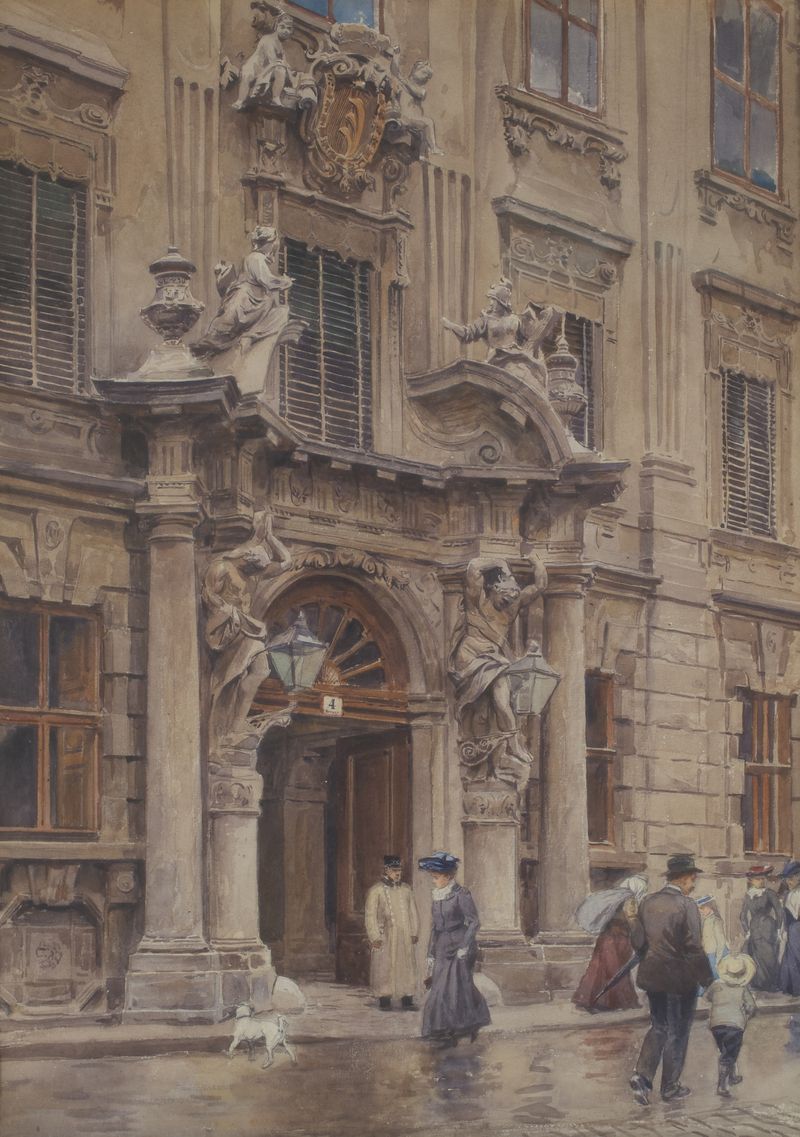
Das Portal Des Palais Kinsky
Ernst Graner
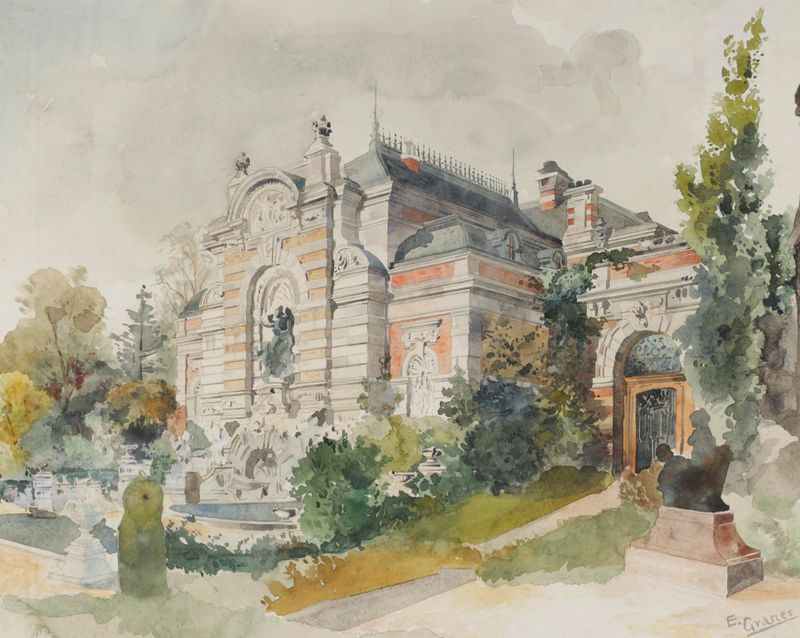
Villa in einem Park
Ernst Graner

Karlskirche
Ernst Graner

Kaiser Franz Joseph überquert den Naschmarkt
Ernst Graner

Palais des Prinzen Eugen in der Himmelpfortgasse
Ernst Graner

Die Schwendergasse In Wien Mit Schwenders Colosseum
Ernst Graner
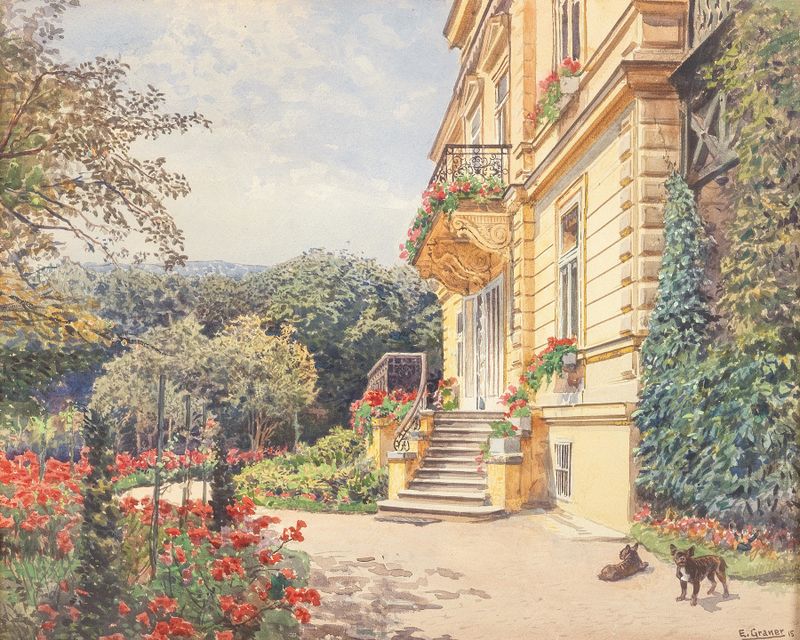
Villa in gepflegtem Garten
Ernst Graner
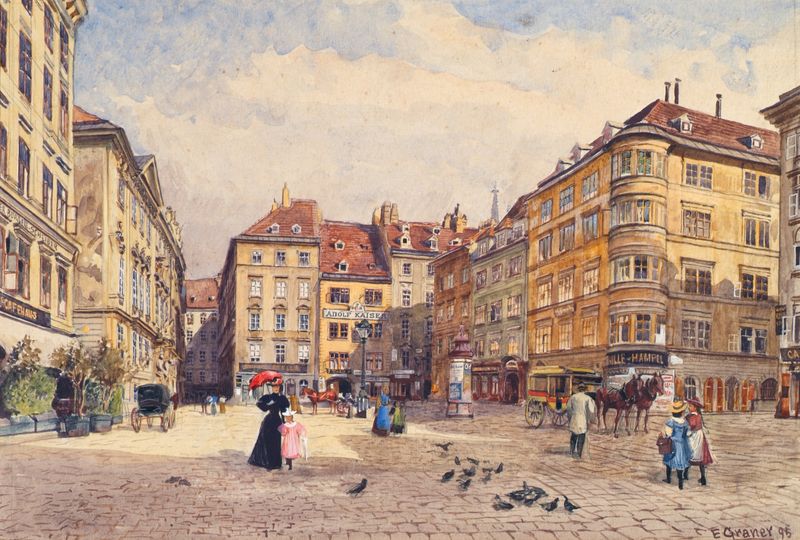
Der Judenplatz In Wien
Ernst Graner
More Historical Art
Browse all →
The Night Watch Militia Company of District II under the Command of Captain Frans Banninck Cocq
Rembrandt van Rijn

Lincoln Memorial
Henry Bacon

The Third of May 1808
Francisco de Goya

Isaac and Rebecca, Known as ‘The Jewish Bride’
Rembrandt van Rijn

The Charge of the Mamelukes (1814)
Francisco de Goya

De vier ruiters van de apocalyps
Albrecht Dürer