
French Town, Buildings and River — History & Facts
When did color learn to lie? The stillness of water and the hush of a tranquil town speak volumes, inviting the viewer into a world of silence and reflection. Look to the left at the soft blend of pastel hues that define the town’s buildings, gently fading into the calm river. Each brushstroke seems deliberate, capturing the grace of architecture nestled against nature. Notice how the light dances delicately along the water's surface, casting faint ripples that mimic the quiet elegance of the structures above.
This harmonious composition creates an intimate dialogue between earth and sky, evoking a sense of serenity. In the foreground, the subtle contrast between the warm earth tones of the buildings and the cool blues of the river suggests a deeper tension. The quietude captured in this moment hints at unspoken stories within the town — lives entwined yet solitary, each person wrapped in their own silence. Additionally, the almost elusive quality of the horizon creates a feeling of infinity, suggesting both a longing and a contentment that exists in the space between reality and imagination. Richard Parkes Bonington painted this artwork between 1821 and 1828, during a time when he was deeply immersed in the art world of France.
Struggling with his health and the challenges of establishing himself as a prominent artist, Bonington found solace in the landscapes around him. This piece reflects his emerging style, blending Romanticism with a new approach to light and color, which would greatly influence future generations of painters.
More Artworks by Richard Parkes Bonington
Browse all →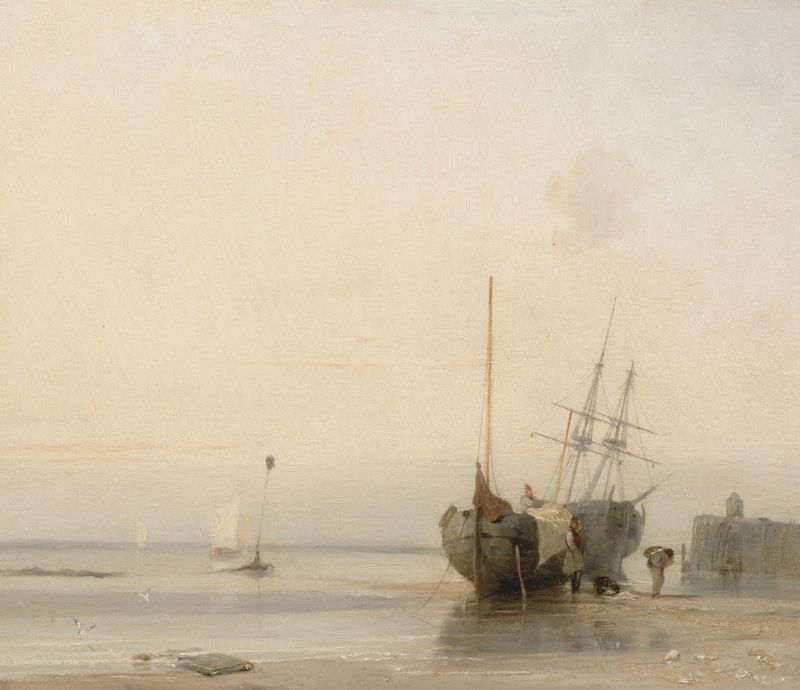
Calais Jetty, France
Richard Parkes Bonington
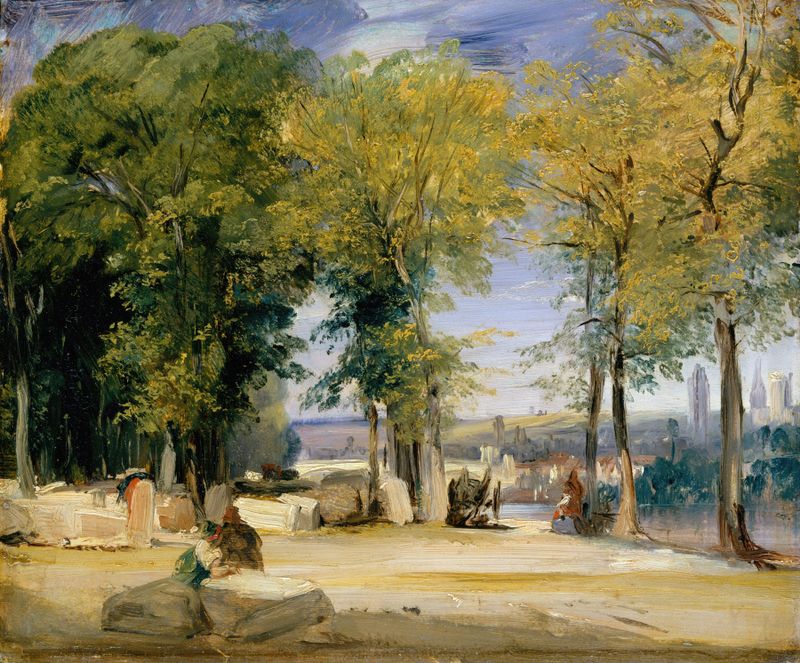
View near Rouen
Richard Parkes Bonington
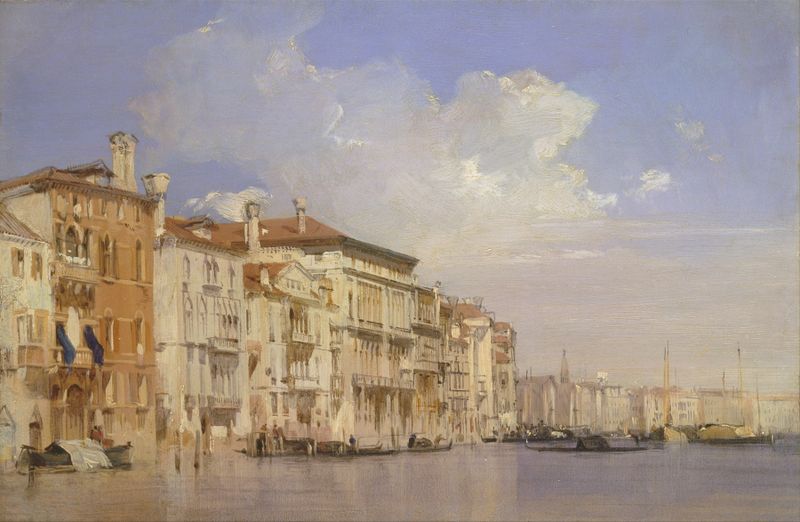
Grand Canal, Venice
Richard Parkes Bonington
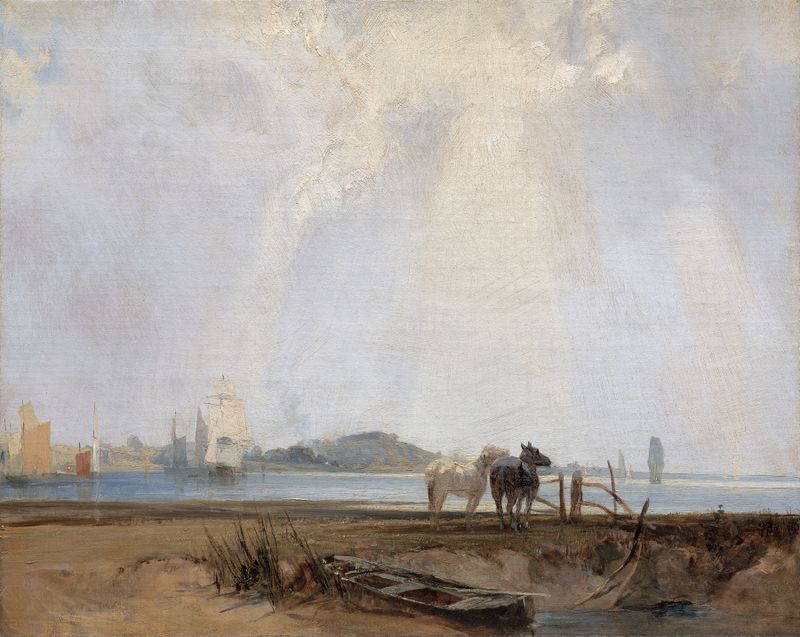
Near Quillebeuf
Richard Parkes Bonington
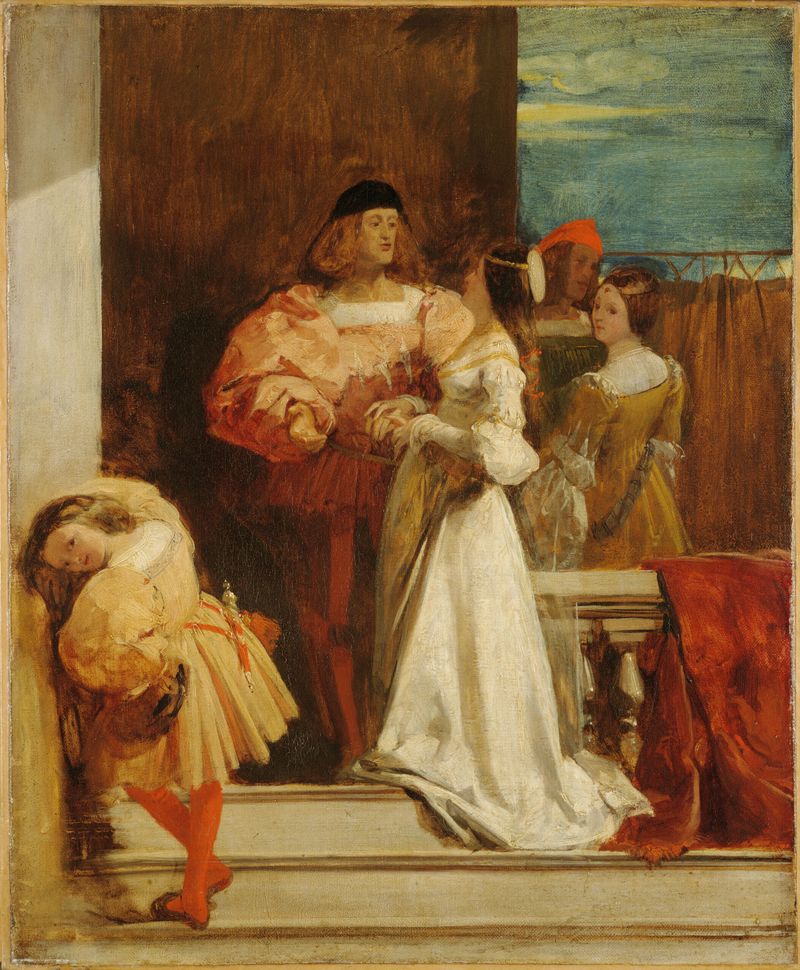
Evening in Venice
Richard Parkes Bonington
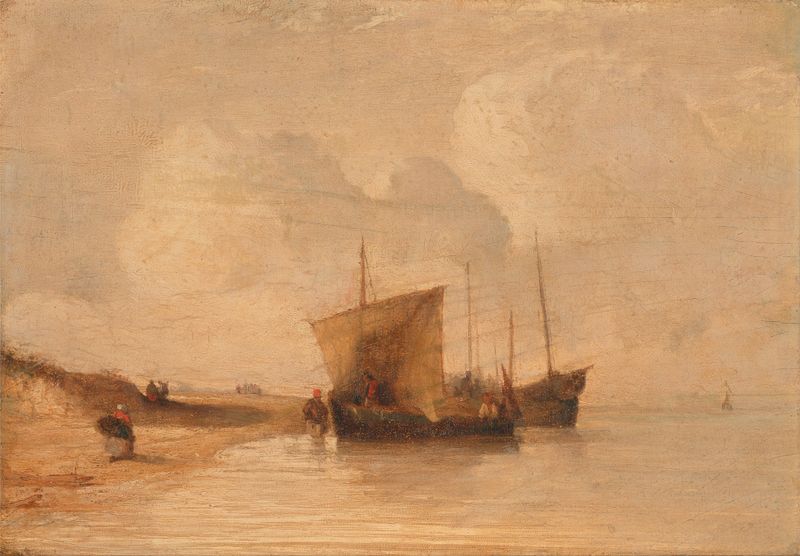
Normandy Coast
Richard Parkes Bonington
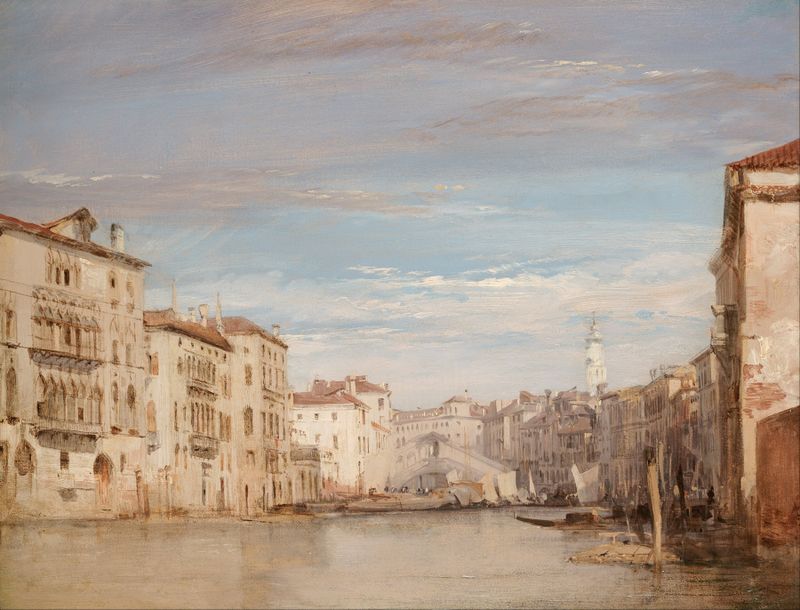
The Grand Canal, Venice, Looking Toward the Rialto
Richard Parkes Bonington
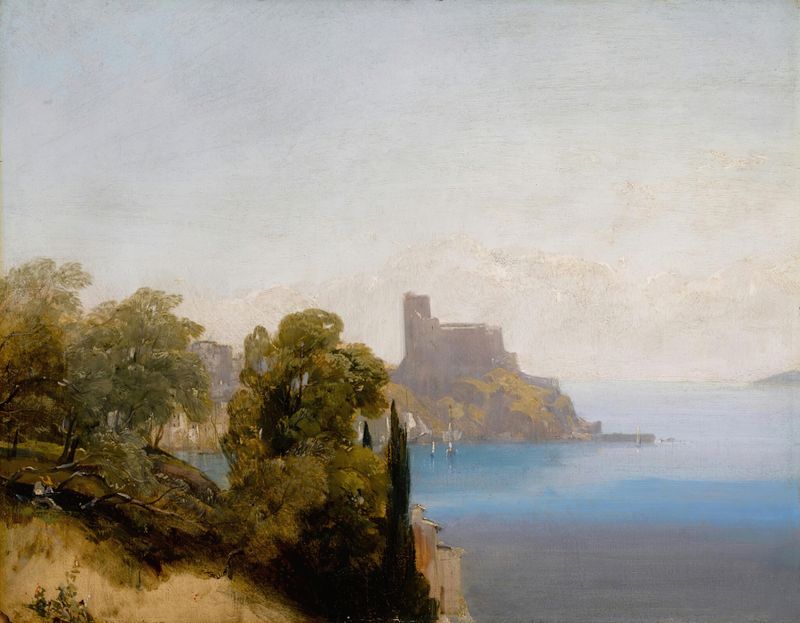
View of Lerici with Baron Charles Rivet sketching in the foreground
Richard Parkes Bonington
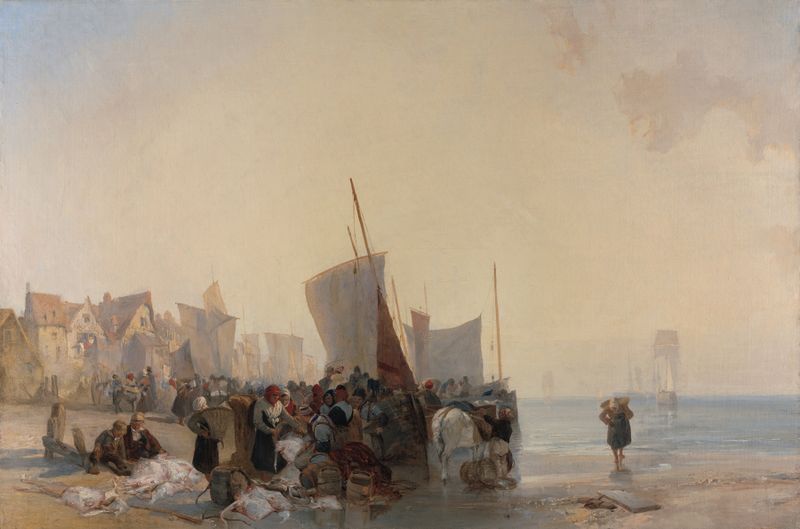
A Fish-market near Boulogne
Richard Parkes Bonington
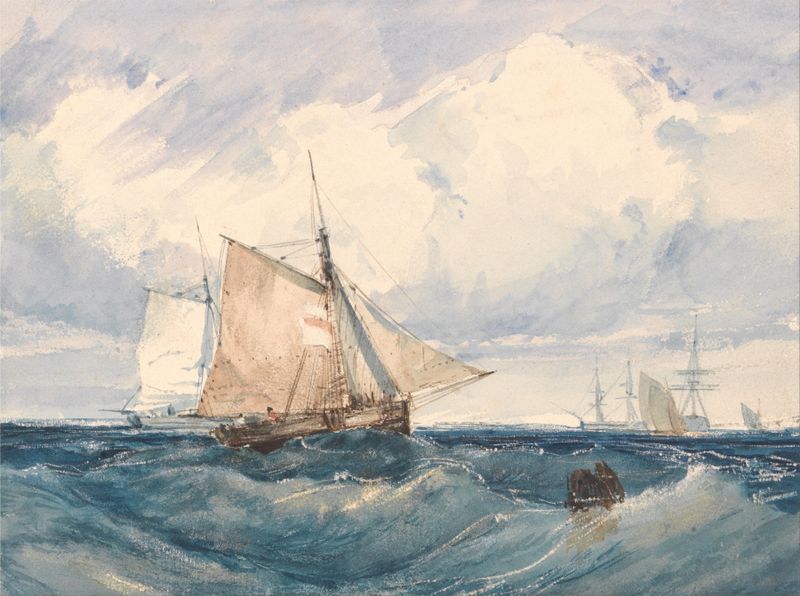
A Cutter and other shipping in a Breeze
Richard Parkes Bonington





