
Frühling in Istrien — History & Facts
It captures the essence of unspoken truths in a world on the brink of revolution, where nature immerses us in its quiet intensity. Look to the left at the vibrant green meadows, teeming with life under a sun that bathes the canvas in warm, golden hues. The brush strokes are fluid, almost carefree, yet they unite the elements with intention, guiding the eye through a landscape rich in detail. Notice how the flowers, in an array of colors, dance in the gentle breeze, their petals catching reflections of light that seem to pulse with energy. Delve deeper into the contrasting play between the serene landscape and the underlying tension of change that looms on the horizon.
The bright blossoms, symbolizing rebirth and hope, stand in stark juxtaposition to the darker undertones of the earth, hinting at the turmoil that often accompanies growth. Kaufmann's choice of vibrant yet earthy tones conveys both the beauty and the fragility of this moment, suggesting that nature, too, is touched by the currents of revolution. Adolf Kaufmann created this work in a period marked by significant political and social upheaval in Europe, particularly during the late 19th century. Living in Vienna, at a time when the ideals of nationalism and change were taking root, he sought to capture the essence of the German landscape and its transformative power.
The artwork reflects a moment of personal and collective significance as artists navigated the complexities of identity, belonging, and the natural world amid a shifting cultural landscape.
More Artworks by Adolf Kaufmann
Browse all →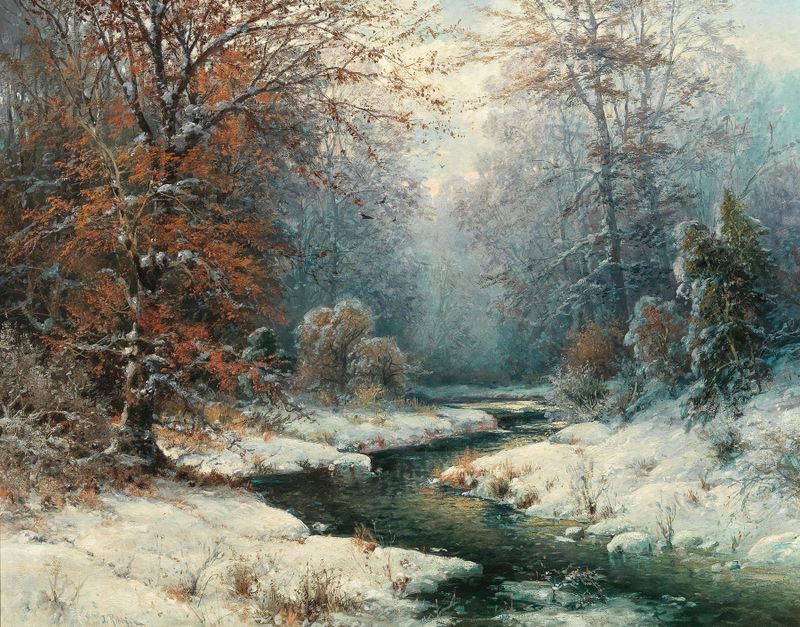
Winterliche Flusslandschaft
Adolf Kaufmann
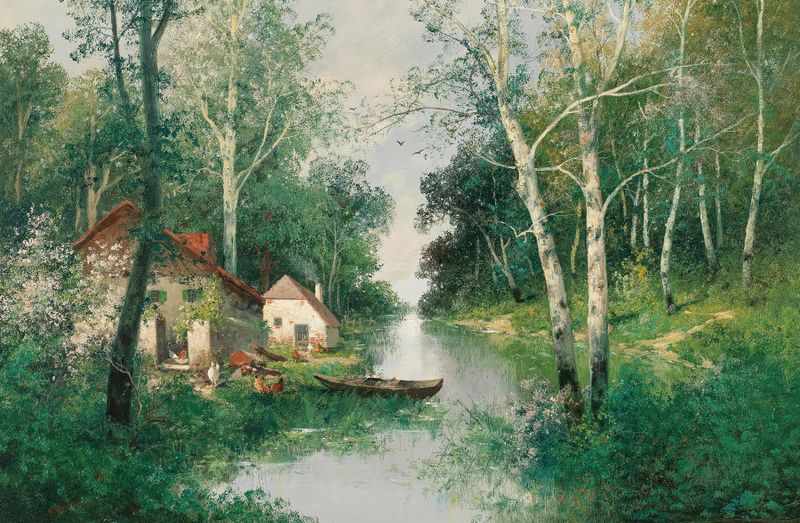
A River Landscape in Spring
Adolf Kaufmann
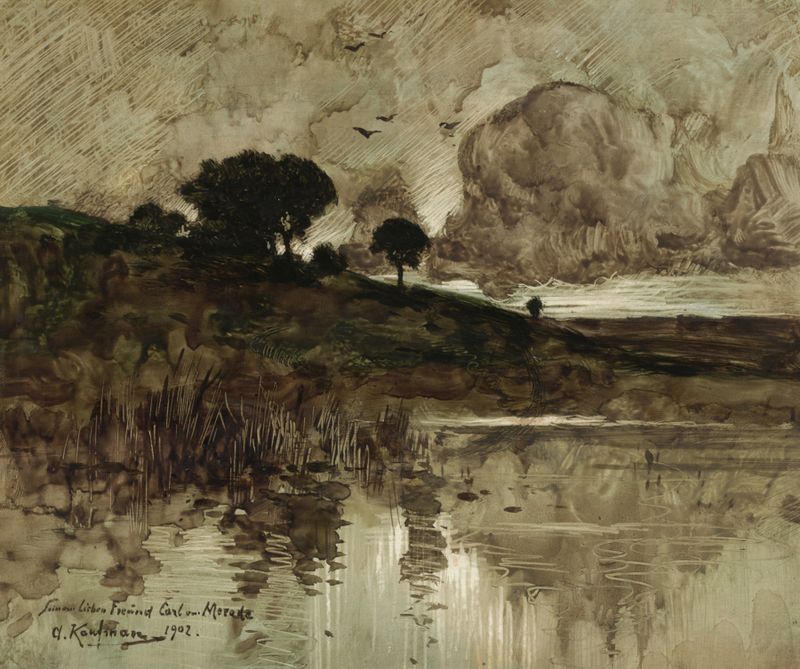
Herbstabend am See
Adolf Kaufmann
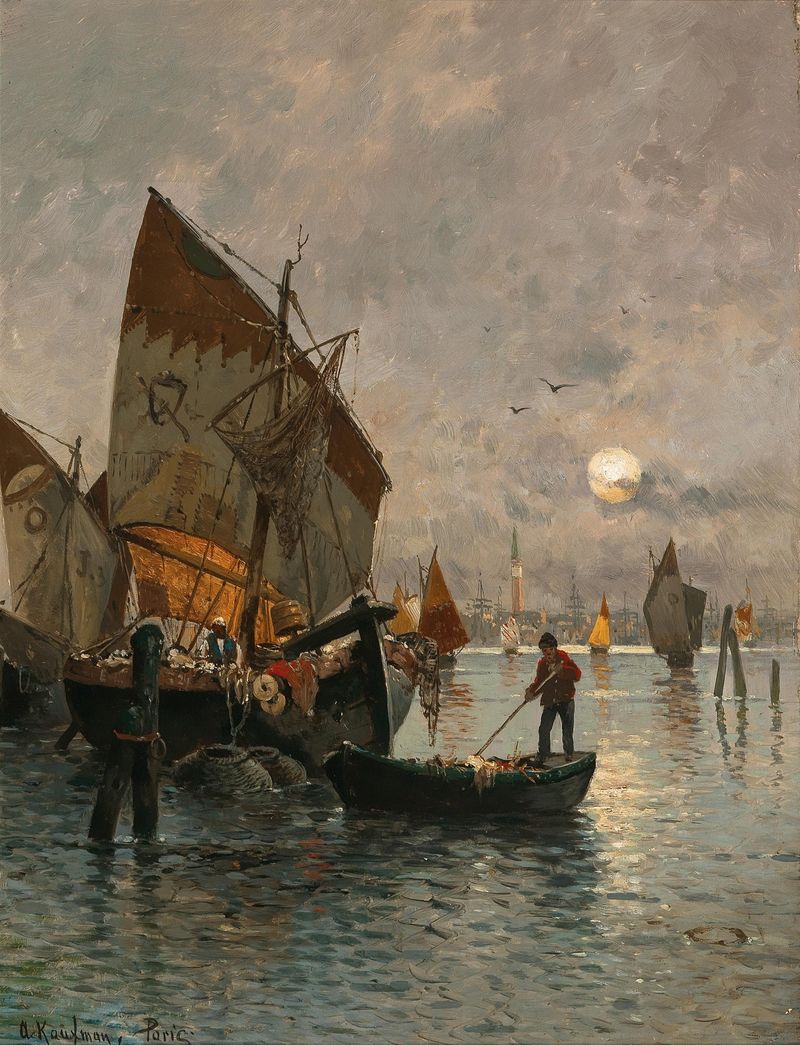
In der Lagune Venedigs
Adolf Kaufmann
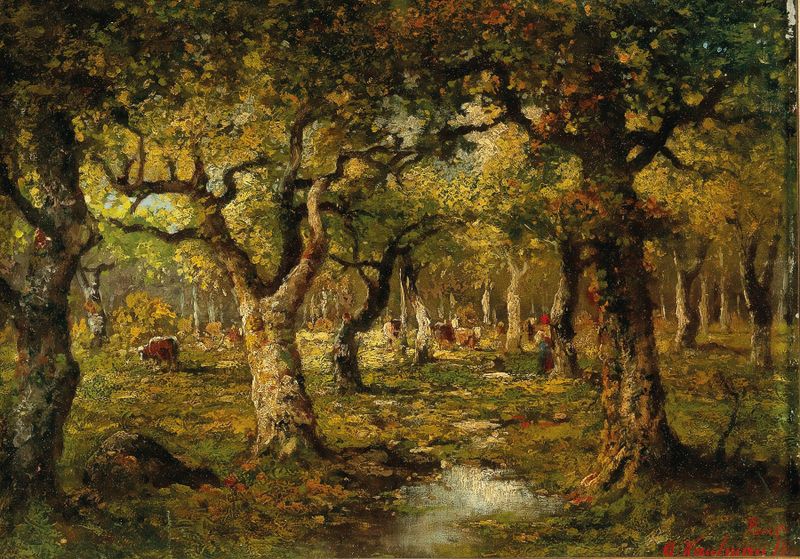
In the Forest of Barbizon
Adolf Kaufmann
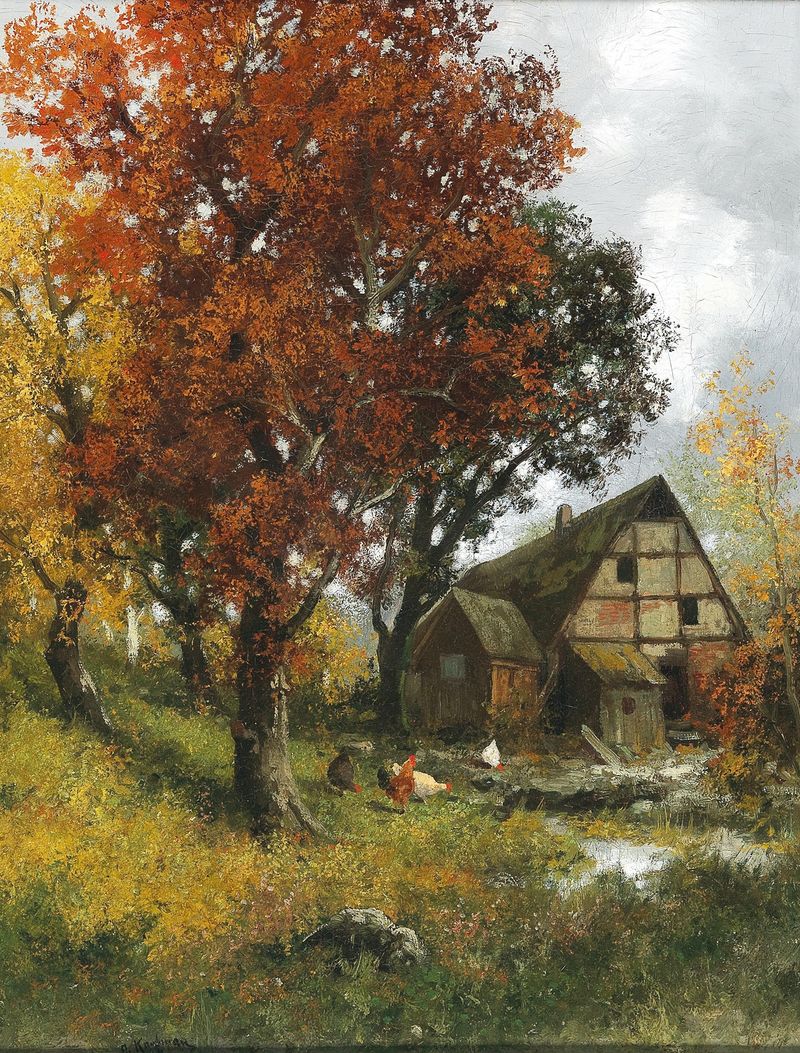
A Mill in an Autumnal Forest
Adolf Kaufmann
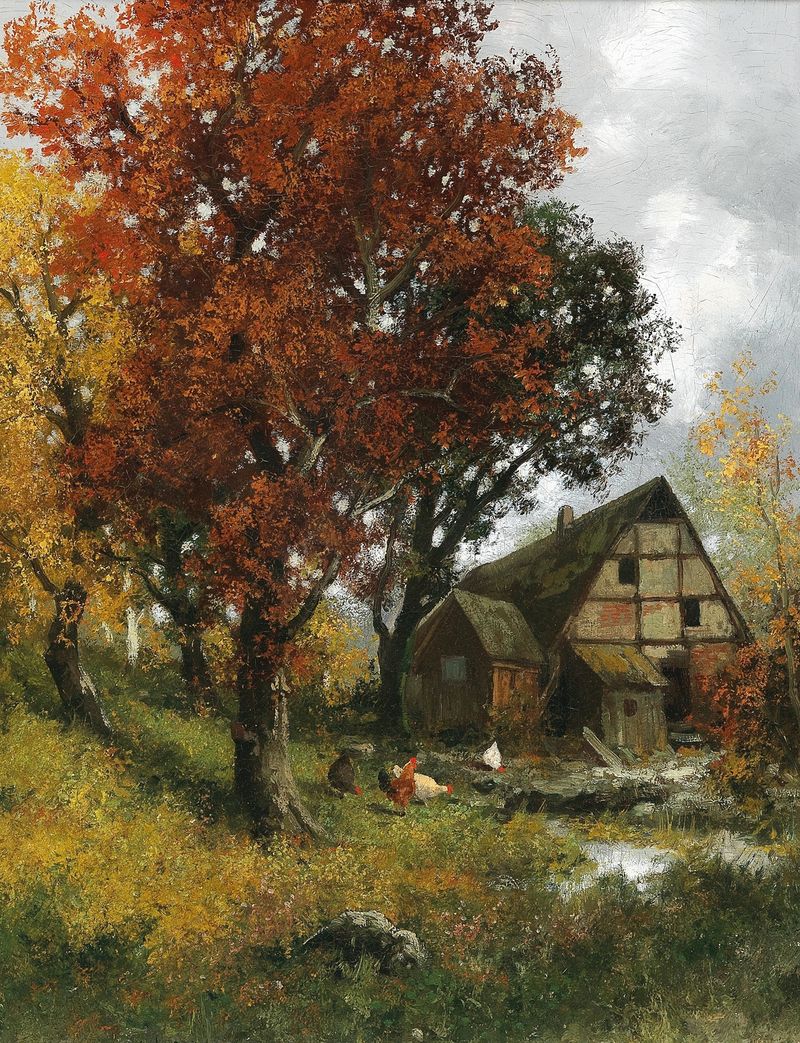
Mühle im Herbstwald
Adolf Kaufmann
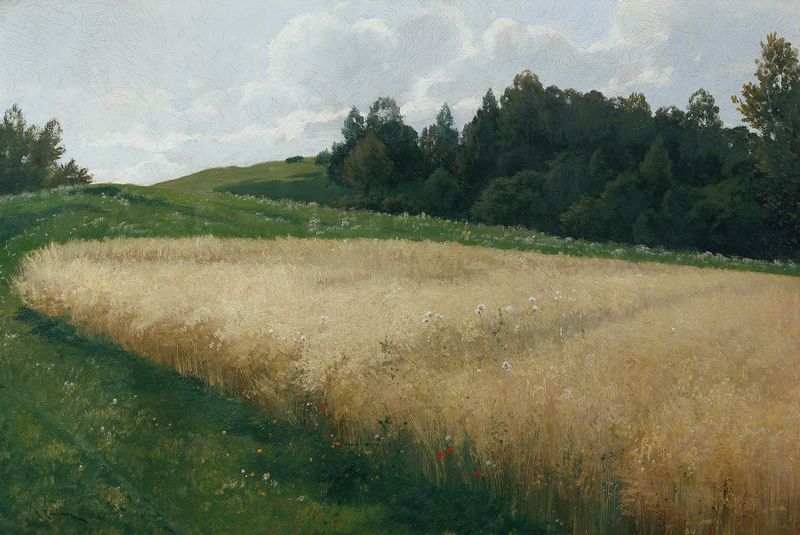
Das Haferfeld
Adolf Kaufmann
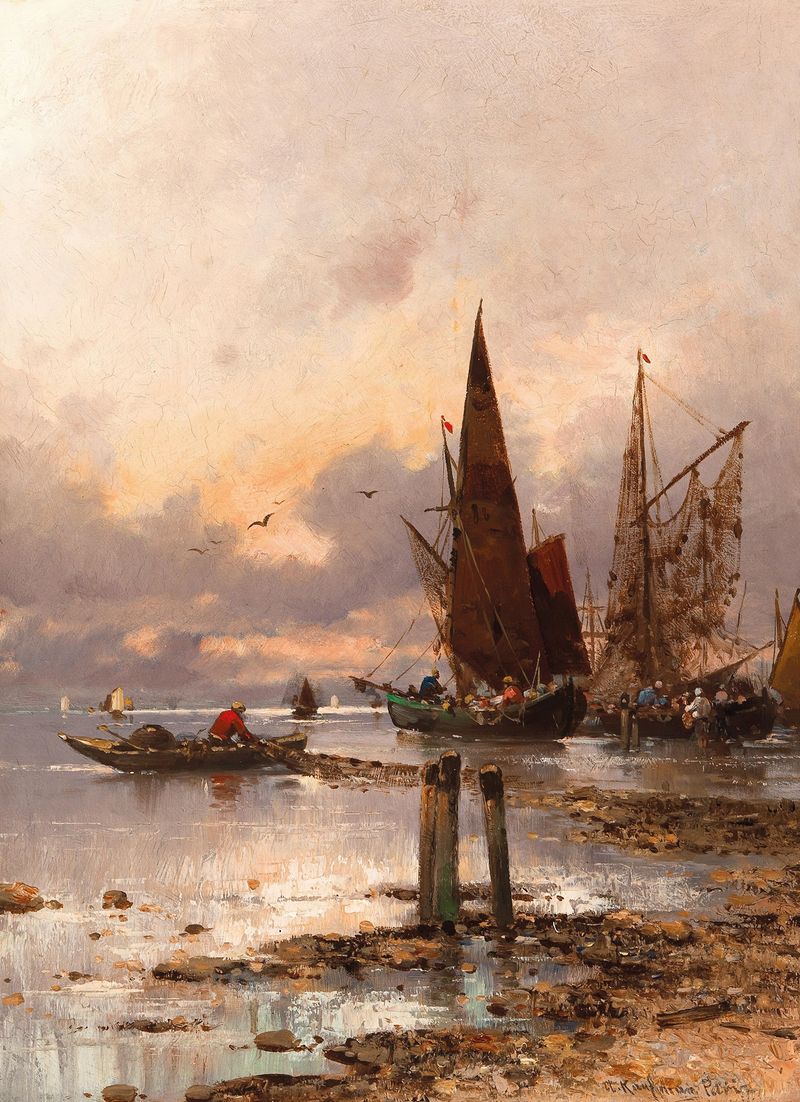
Sonnenuntergang an der griech. Küste
Adolf Kaufmann
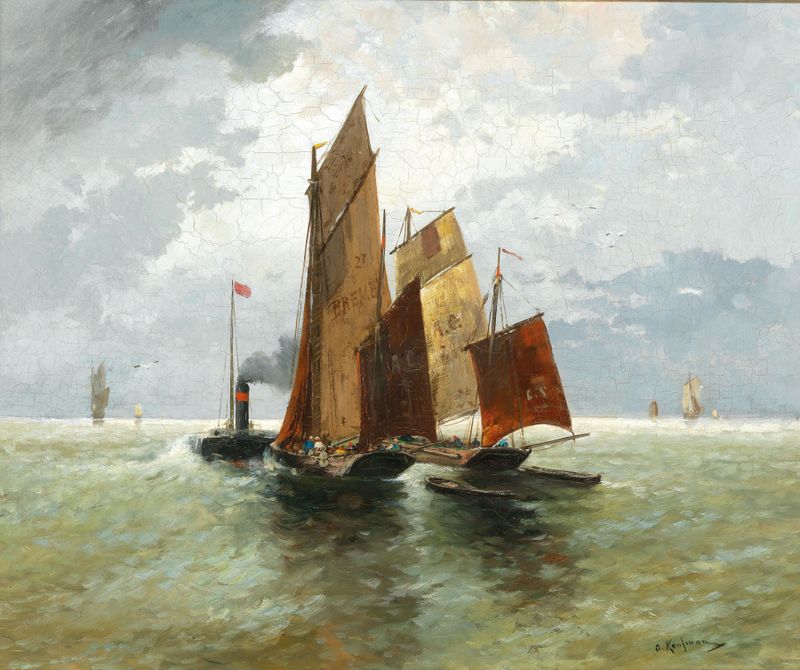
Steamboat and Fishing Boats at Sea
Adolf Kaufmann





