Fries met bladranken — History & Facts
Did the painter know this moment would outlive them? In a world where revolution swirled beneath the surface, Fries met bladranken captures a fleeting moment of nature’s quiet splendor, inviting us to ponder the weight of time and the permanence of art. Look to the center, where vibrant greens play in harmony with the ochres and soft earth tones that crisscross the canvas. The meticulous detailing of the leaves, each vein lovingly rendered, draws the eye, while a subtle gradient of light suggests an invisible sun filtering through the foliage. The composition is anchored yet dynamic, allowing movement to pulse through the arrangement—a visual echo of growth and decay. Delve deeper into the contrasts within the work: the juxtaposition between the lush, thriving foliage and the stillness of the plate beneath it speaks to the tension of nature’s bounty versus the fragility of existence.
The painter’s choice to include such elaborate detail in the leaves hints at his reverence for the natural world, while the humble plate grounds the scene, reminding us of mortality and the ephemeral joy of life’s simple pleasures. Each brushstroke feels like a quiet dialogue with the viewer, whispering stories of abundance and vulnerability. Jacob Binck created Fries met bladranken during the Renaissance, likely in the mid-16th century in Antwerp, a period marked by artistic innovation and the rise of still life as a genre. With Europe on the brink of political and social upheaval, his focus on botanical themes reflected a burgeoning interest in nature that sought to immortalize the fleeting moments of beauty amidst chaos.
More Artworks by Jacob Binck
Browse all →
Portret van Christiaan II, koning van Denemarken
Jacob Binck

Christus en de Samaritaanse vrouw
Jacob Binck
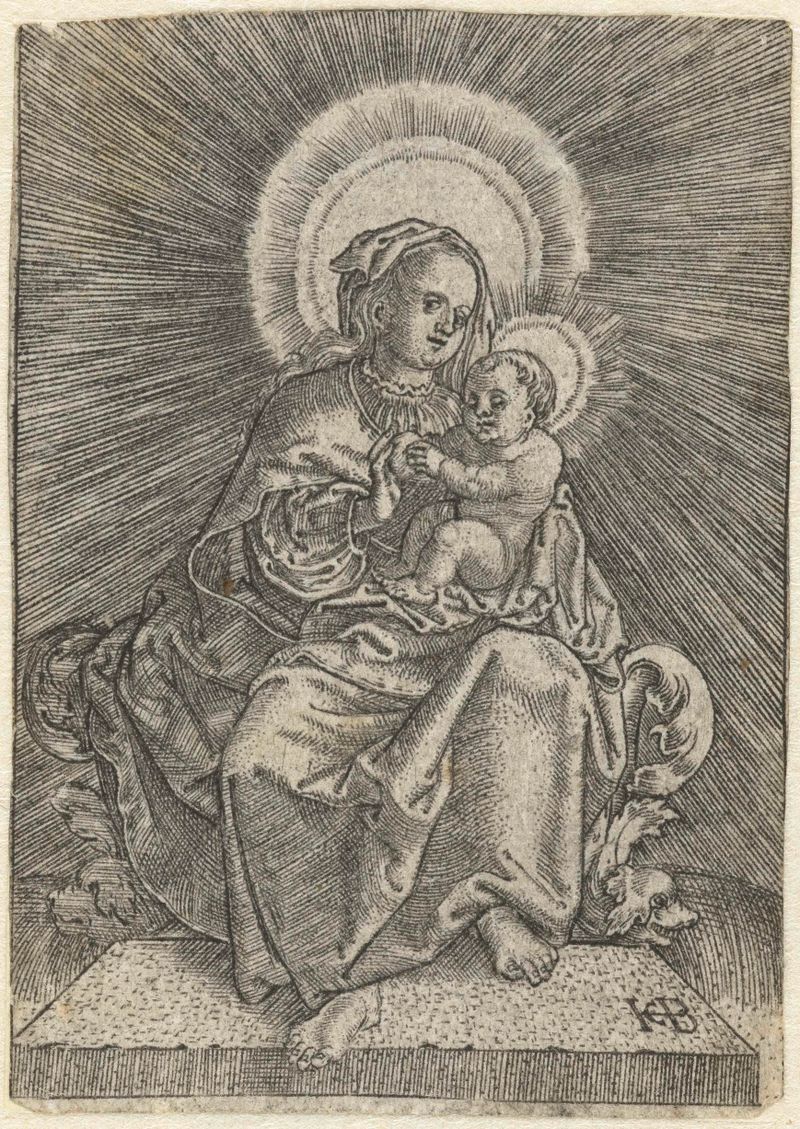
Tronende Maria met kind en appel in stralenkrans
Jacob Binck

Christus op de koude steen
Jacob Binck

Ornament met twee putti op dolfijnen onder een vaas
Jacob Binck
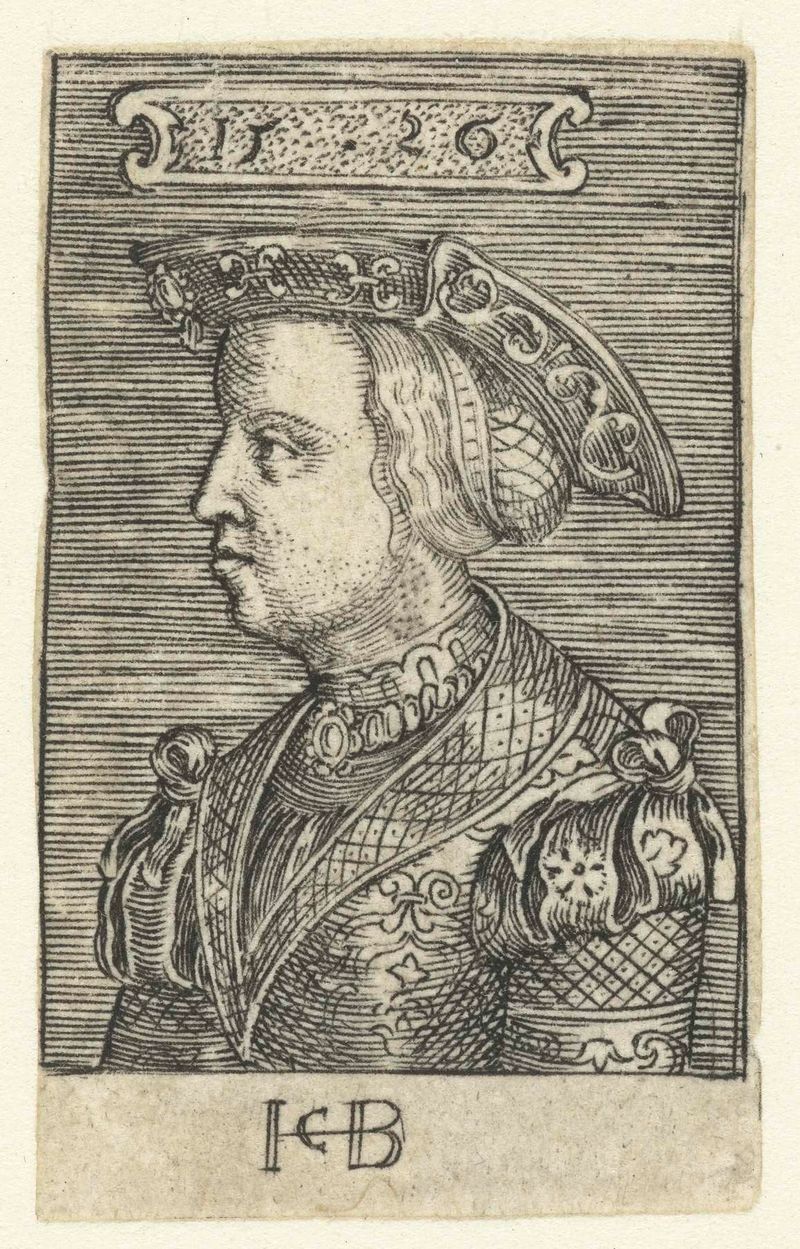
Portret van Claudia van Valois, echtgenote van Frans I
Jacob Binck

Ceres met kroon van korenaren, sikkel, brandende toorts en tweekoppige slang
Jacob Binck
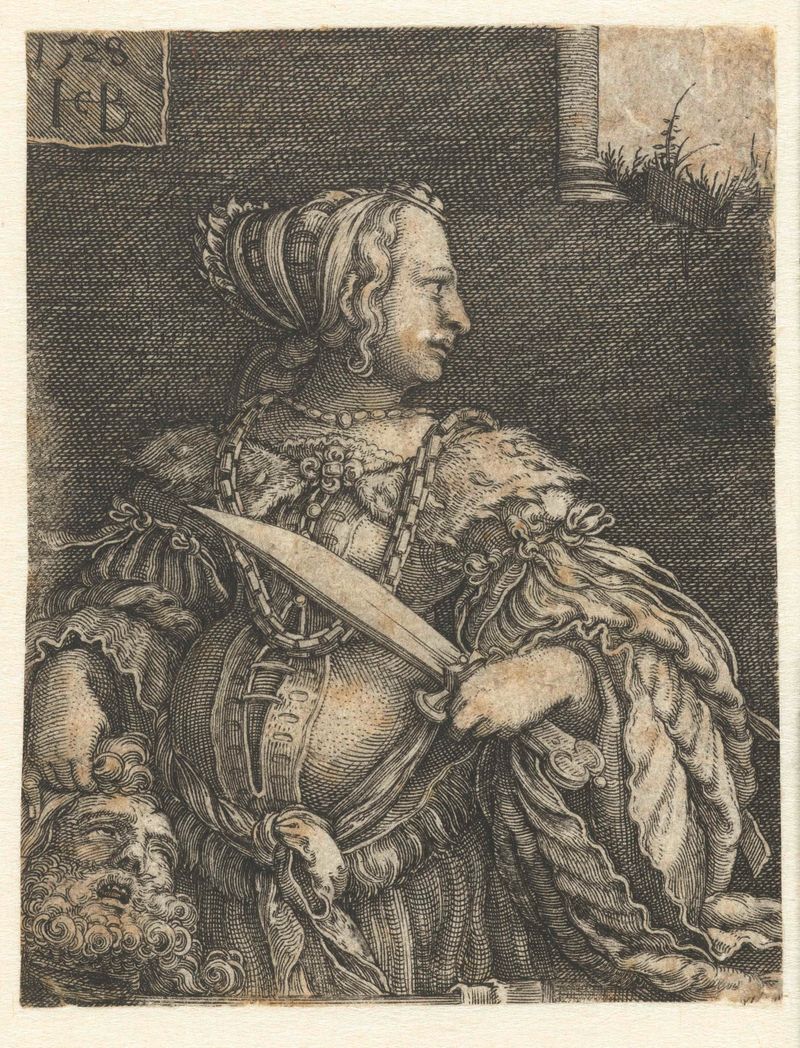
Judith met het hoofd van Holofernes
Jacob Binck
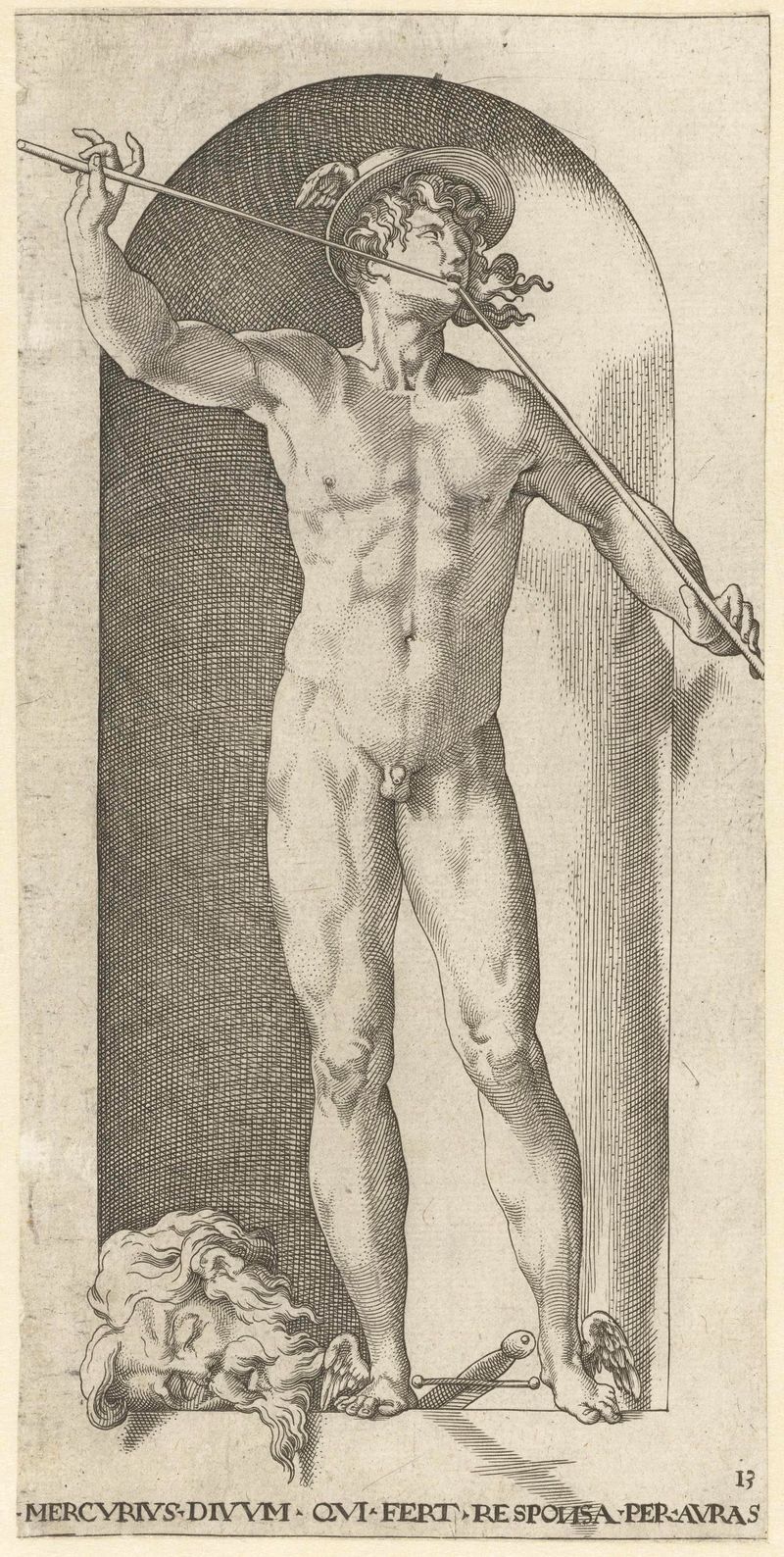
Mercurius met het hoofd van Argus
Jacob Binck

Minerva (Pallas Athena) met Medusahoofd op schild
Jacob Binck