
Fulham — History & Facts
Is this a mirror — or a memory? The essence of a place captured in delicate hues stirs a quiet awe, inviting reflection on the passage of time and the nature of perception. Look closely at the soft blues and muted grays that envelop the canvas; they create a serene backdrop that draws the eye to the foreground. Notice how the light dances upon the water, glistening like scattered jewels while the understated architecture of Fulham whispers its story in the shadows. The composition is both simple and intricate, with gentle strokes that suggest a tranquil afternoon — a stillness punctuated only by the ripples of the river. Yet beneath this calm surface lies a duality: the vibrant life of the scene contrasts with an underlying melancholy, hinting at fleeting moments forever captured but never fully grasped.
The reflection in the water serves as a poignant reminder of transience, inviting us to contemplate what remains in our own memories, submerged yet always present. The subtle interplay of light and color evokes a feeling of nostalgia, as if we are peering into a dream. During the late 1870s, Whistler was in London, immersed in the world of the Aesthetic Movement, which emphasized beauty in art over a narrative. Amidst personal and financial challenges, he painted Fulham, an exploration of perception and atmosphere.
This period marked a significant evolution in his artistic approach, as he sought to encapsulate feelings and impressions rather than mere representations, forever altering the landscape of modern art.
More Artworks by James Abbott McNeill Whistler
Browse all →
Nocturne in Blue and Silver
James Abbott McNeill Whistler
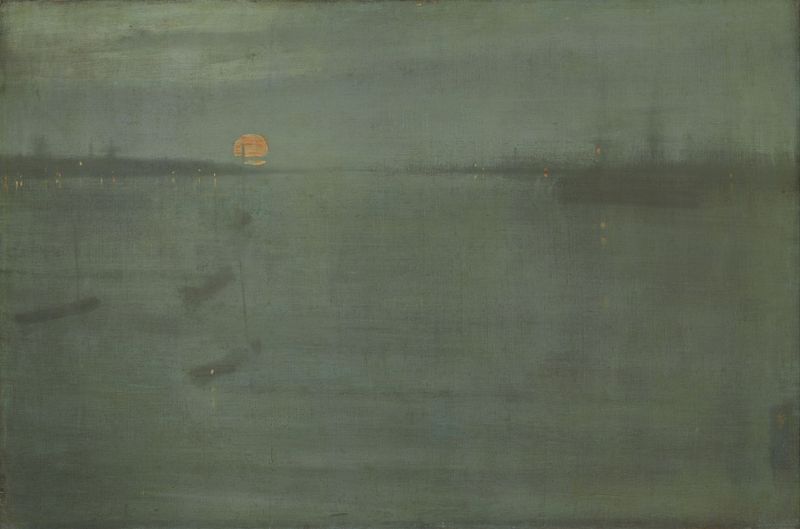
Nocturne: Blue and Gold–Southampton Water
James Abbott McNeill Whistler
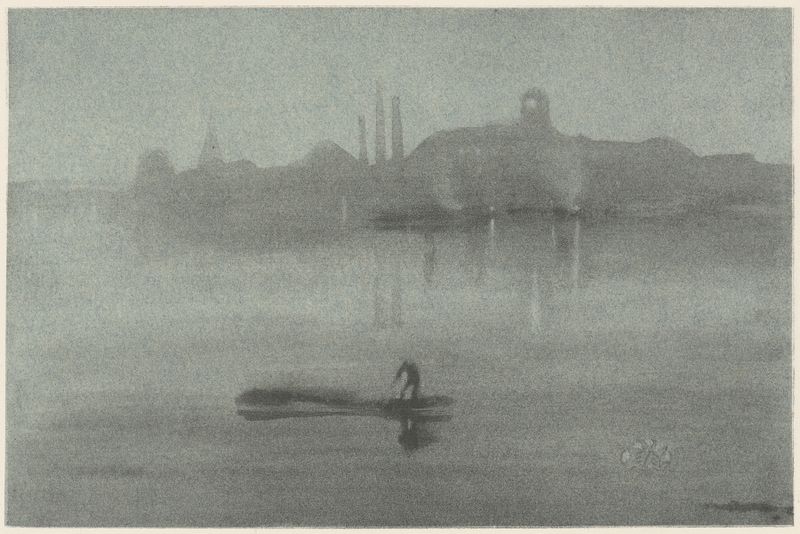
Nocturne
James Abbott McNeill Whistler
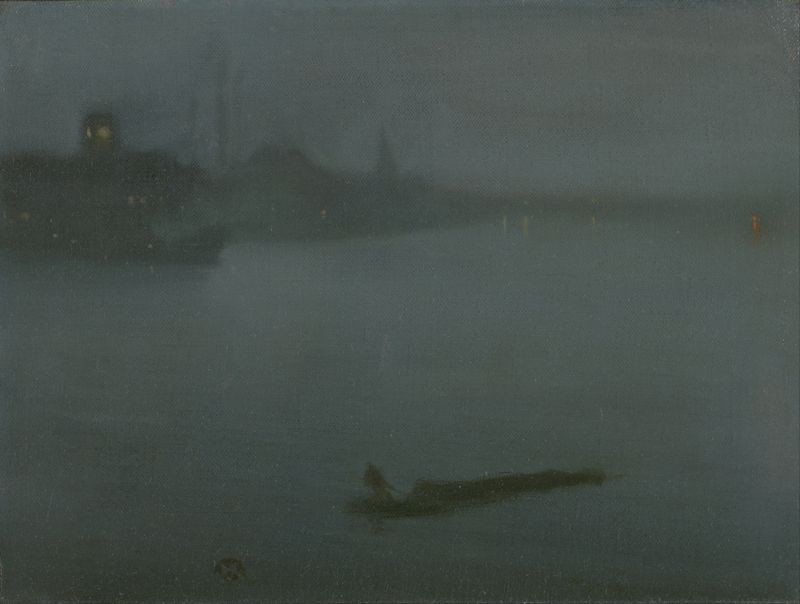
Nocturne in Blue and Silver
James Abbott McNeill Whistler
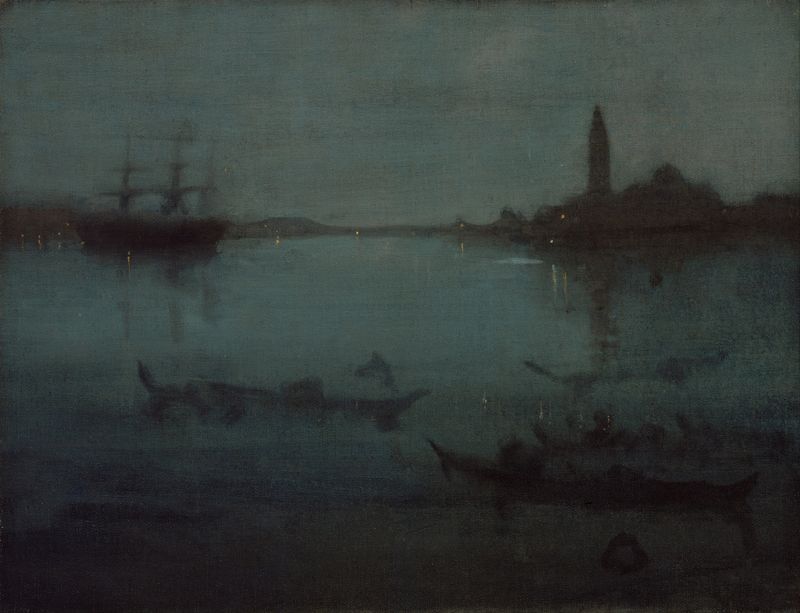
Nocturne in Blue and Silver- The Lagoon, Venice
James Abbott McNeill Whistler
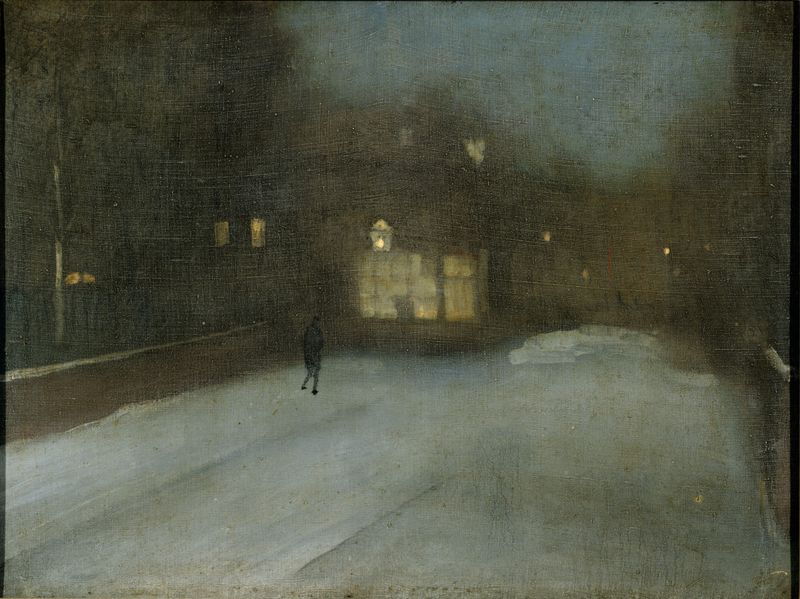
Nocturne in Grey and Gold: Chelsea Snow
James Abbott McNeill Whistler
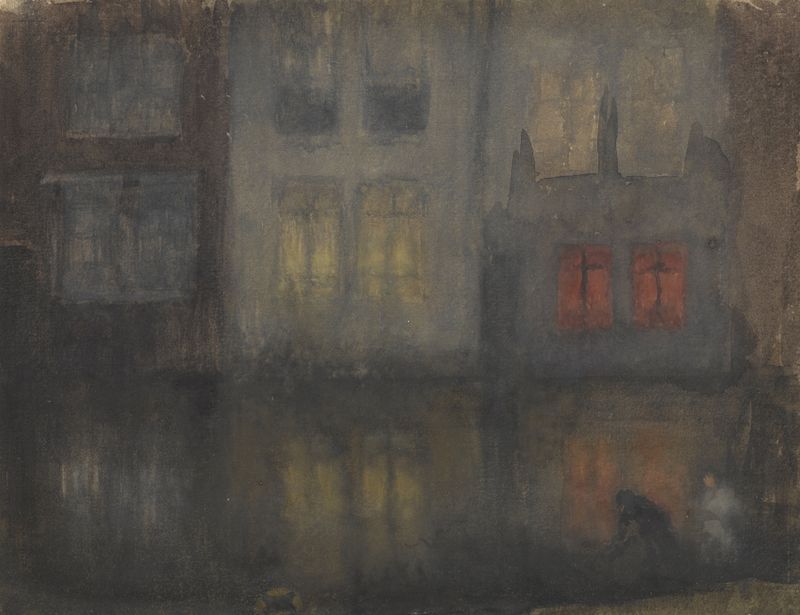
Nocturne: Black and Red—Back Canal, Holland
James Abbott McNeill Whistler
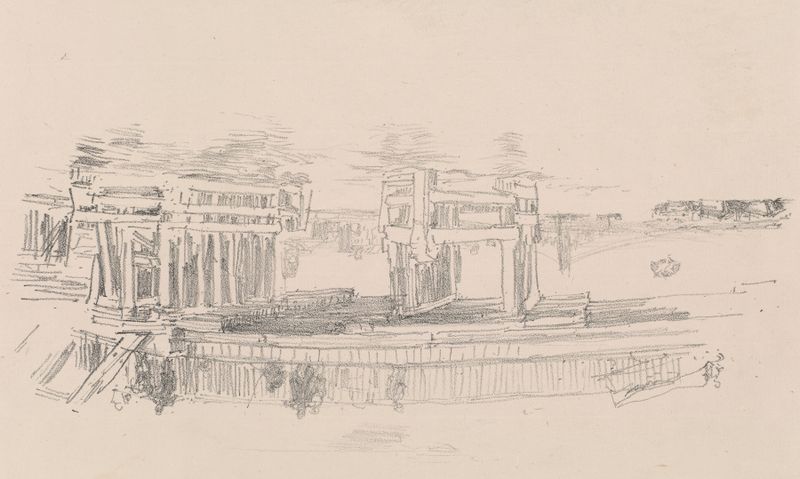
Old Battersea Bridge
James Abbott McNeill Whistler

Nocturne: Blue and Silver–Battersea Reach
James Abbott McNeill Whistler
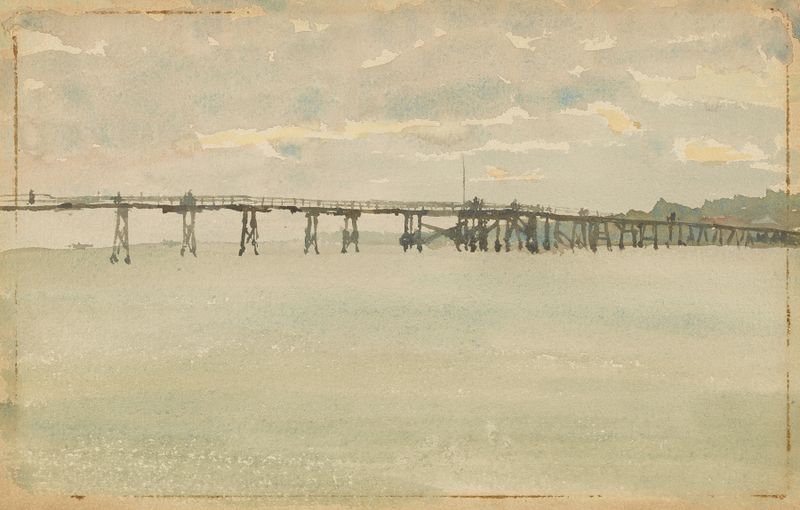
Grey and Silver–Pier, Southend
James Abbott McNeill Whistler





