
Fulham — History & Facts
In Fulham, the essence of movement dances across the canvas, capturing the rhythm of life in a moment that transcends time. Focus on the hazy sky that envelops the scene, where shades of soft greys and muted blues blend seamlessly, creating a moody atmosphere. Look to the left at the delicate outlines of the buildings, their forms barely defined yet undeniable, with the fluid strokes suggesting a gentle breeze. Notice how the water reflects this ethereal light, rippling with subtle hints of color that breathe life into the composition, as if the entire landscape is sighing. Beneath the surface, the work reveals contrasts of permanence and transience.
The solid structures of the buildings evoke a sense of stability, yet they appear to dissolve in the atmospheric haze, illustrating the ephemeral nature of memory. The flowing water introduces a sense of movement, capturing the constant flux of both the environment and the passage of time, inviting the viewer to reflect on their own fleeting experiences. In 1879, while living in London, the artist was deeply engaged with the interplay of light and color. This was a time of exploration for him, as he sought to convey emotions through an innovative approach to painting that would bridge traditional techniques and the emerging Impressionist movement.
The scene depicted here serves as a poignant reminder of his artistic journey, a blend of the familiar and the elusive, resonating with the currents of change in both his life and the art world of the era.
More Artworks by James Abbott McNeill Whistler
Browse all →
Nocturne in Blue and Silver
James Abbott McNeill Whistler
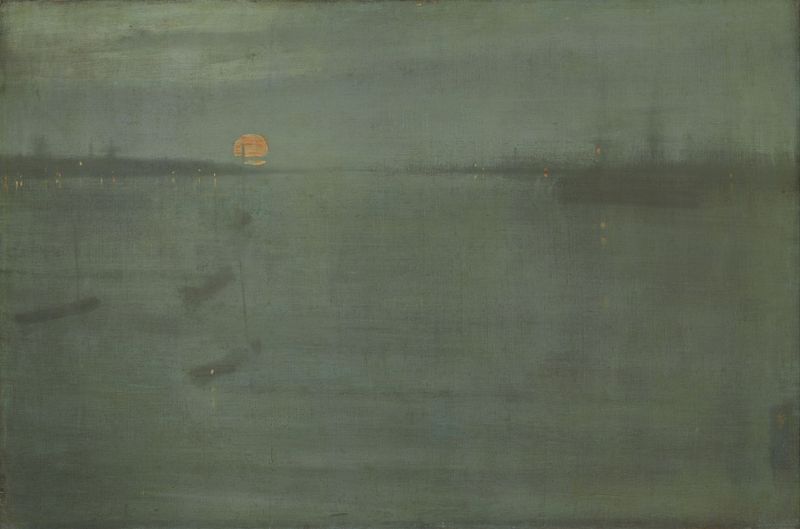
Nocturne: Blue and Gold–Southampton Water
James Abbott McNeill Whistler
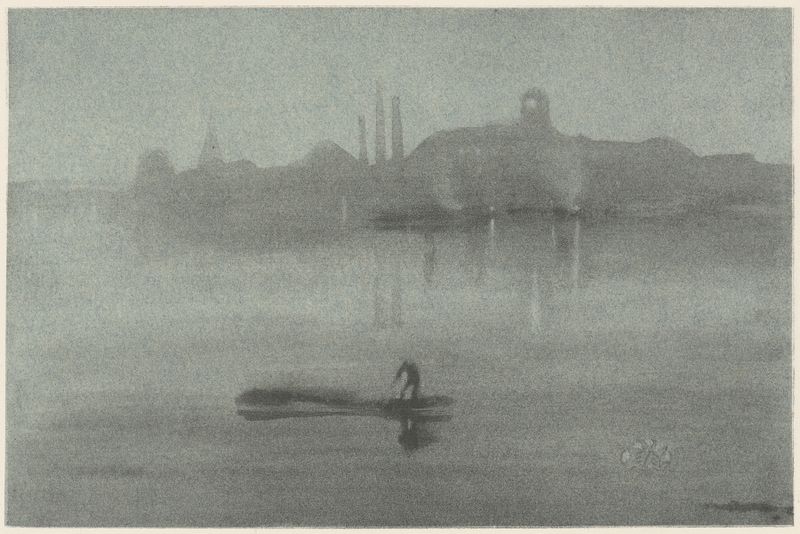
Nocturne
James Abbott McNeill Whistler
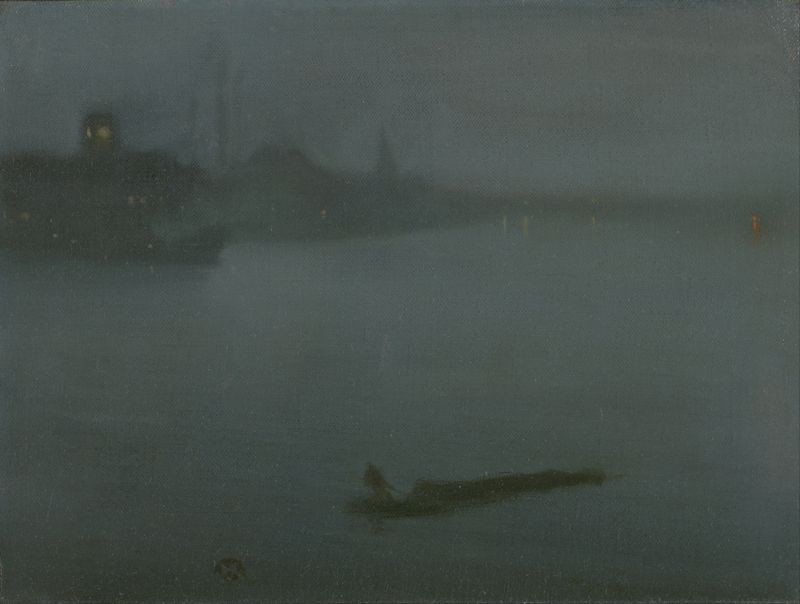
Nocturne in Blue and Silver
James Abbott McNeill Whistler
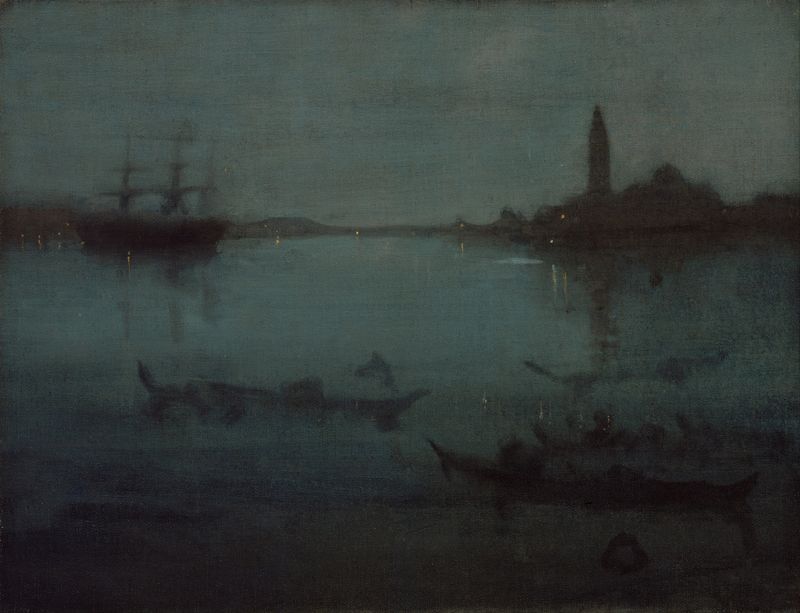
Nocturne in Blue and Silver- The Lagoon, Venice
James Abbott McNeill Whistler
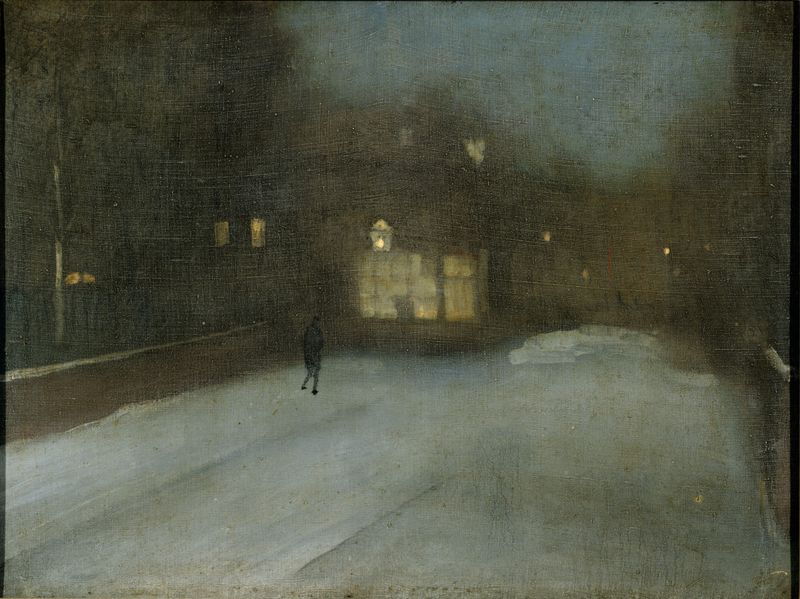
Nocturne in Grey and Gold: Chelsea Snow
James Abbott McNeill Whistler
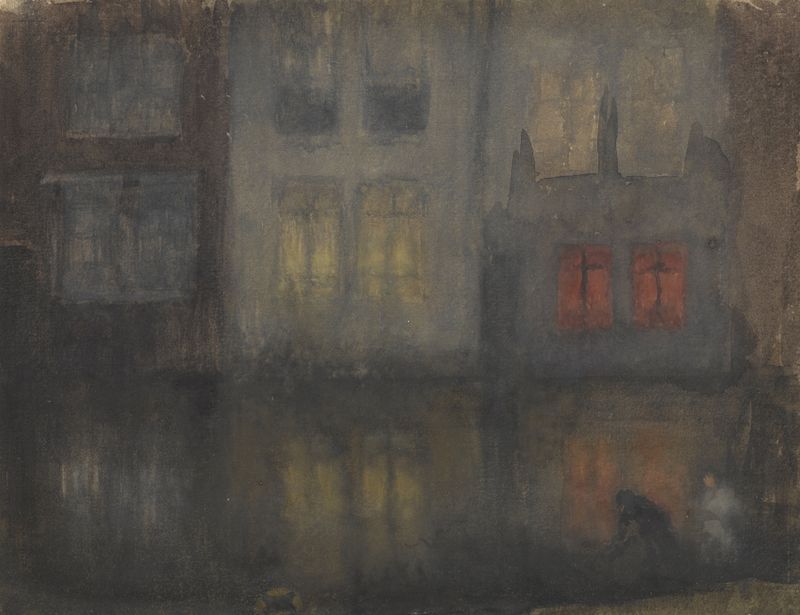
Nocturne: Black and Red—Back Canal, Holland
James Abbott McNeill Whistler
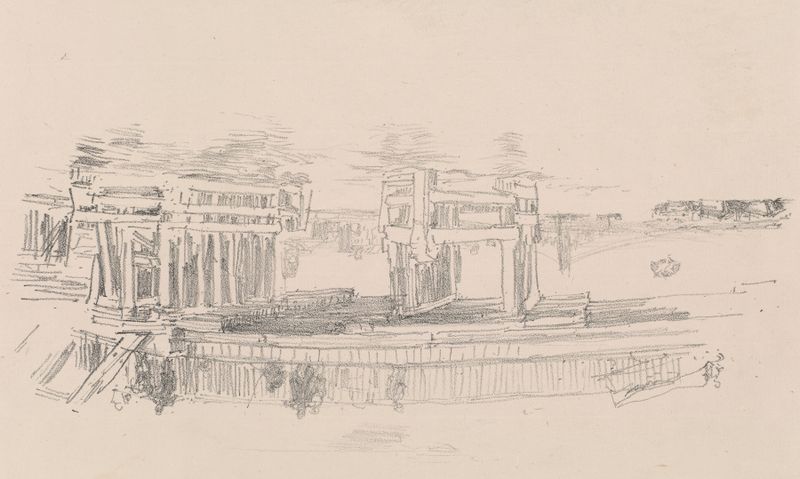
Old Battersea Bridge
James Abbott McNeill Whistler

Nocturne: Blue and Silver–Battersea Reach
James Abbott McNeill Whistler
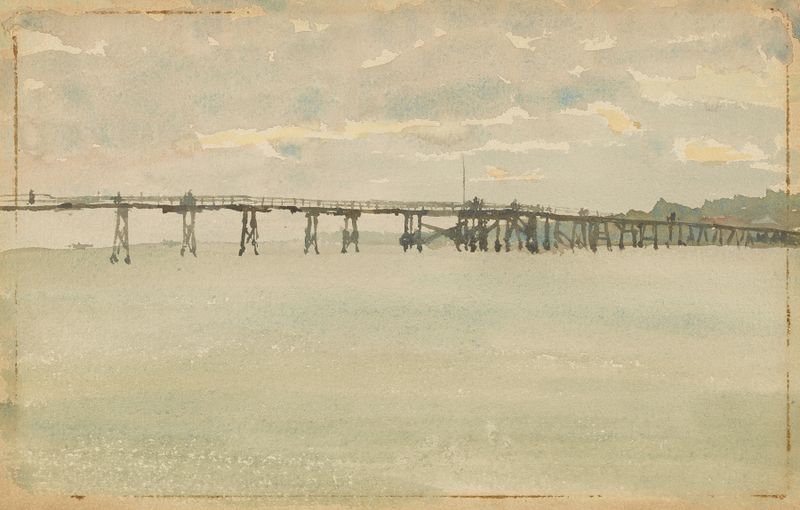
Grey and Silver–Pier, Southend
James Abbott McNeill Whistler





