
Funeral Feast — History & Facts
A hush fills this wooden room, where the living gather close around the dead, and every gesture is weighted with meaning. The eye is drawn first to the casket, its dark mass anchoring the scene, while a solitary man stands beside it, his hand raised as if to steady both himself and the mourners with words or prayer. Candlelight glimmers on the faces, picking out the sorrow and fatigue in the bowed heads, the clasped hands, the child leaning into his mother’s lap for comfort.
The palette is earthy and somber, the low ceiling pressing the group into intimacy, while the open door at the back hints at the world beyond, cold and indifferent to the grief within. Painted in 1854 by Adolph Tidemand, this work belongs to a moment in Scandinavian art when painters turned with new seriousness to the rituals and realities of rural life. The scene is unmistakably Norwegian, with its log walls, woven textiles, and the plain dignity of the mourners’ dress. Such images were often created to honor the customs of the countryside at a time when industrialization threatened to sweep them away, and they found a home in national museums eager to preserve a sense of identity.
Now held by the National Museum of Art, Architecture and Design, Funeral Feast invites us to linger over the faces and hands, to read the story of a community holding itself together in the face of loss.
More Artworks by Adolph Tidemand

Bridal Procession on the Hardangerfjord
Adolph Tidemand
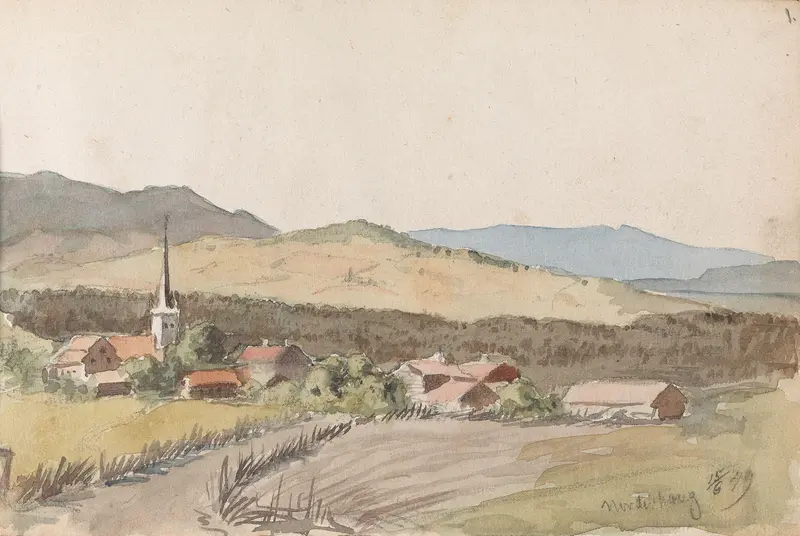
Fra Haugsbygd
Adolph Tidemand
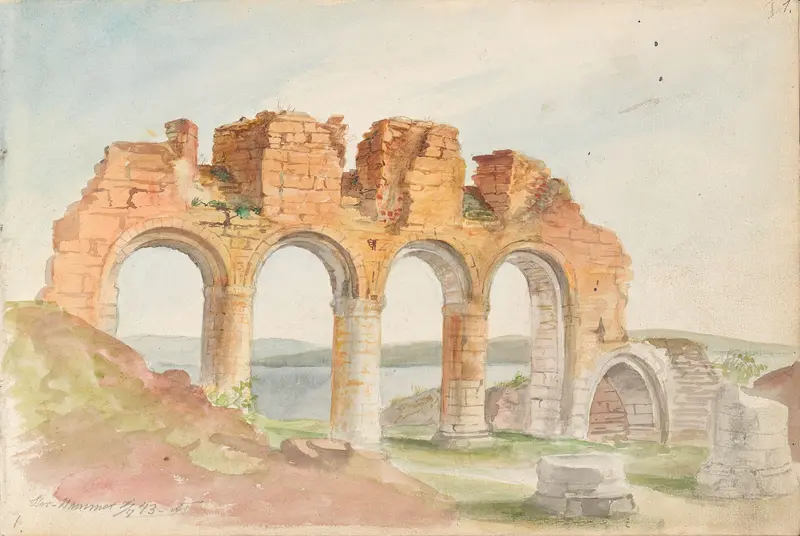
Domkirkeruinen, Hamar
Adolph Tidemand
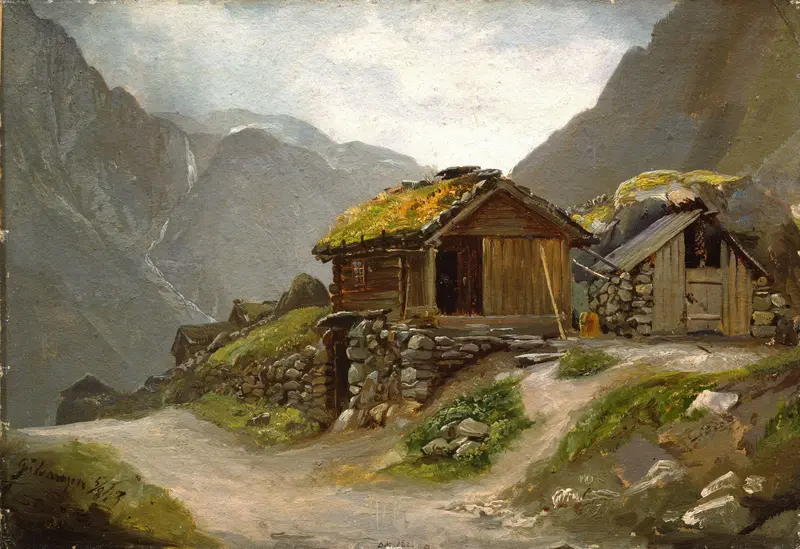
View from Gudvangen
Adolph Tidemand
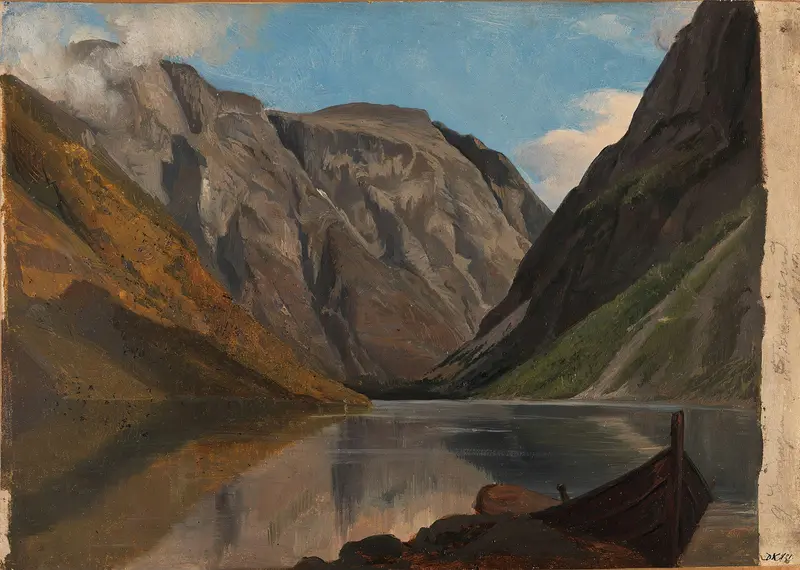
View of Gudvangen
Adolph Tidemand
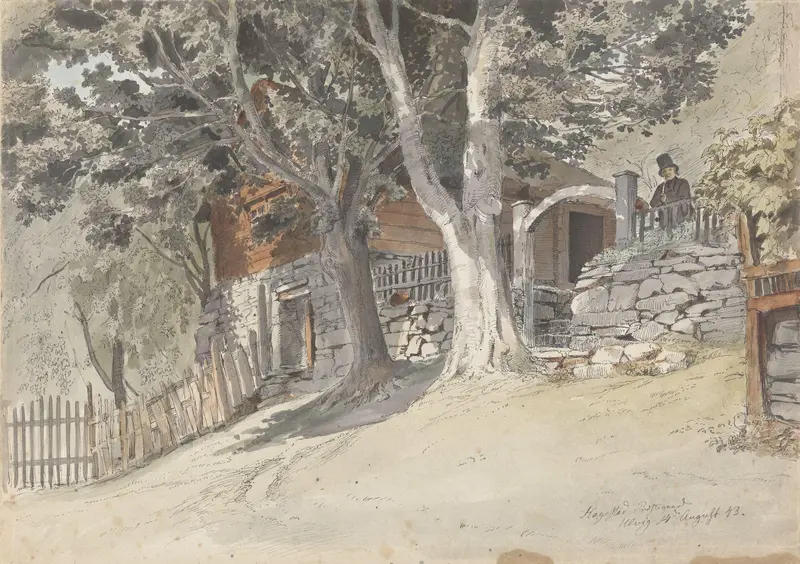
Hagestad prestegård, Ulvik i Hardanger
Adolph Tidemand
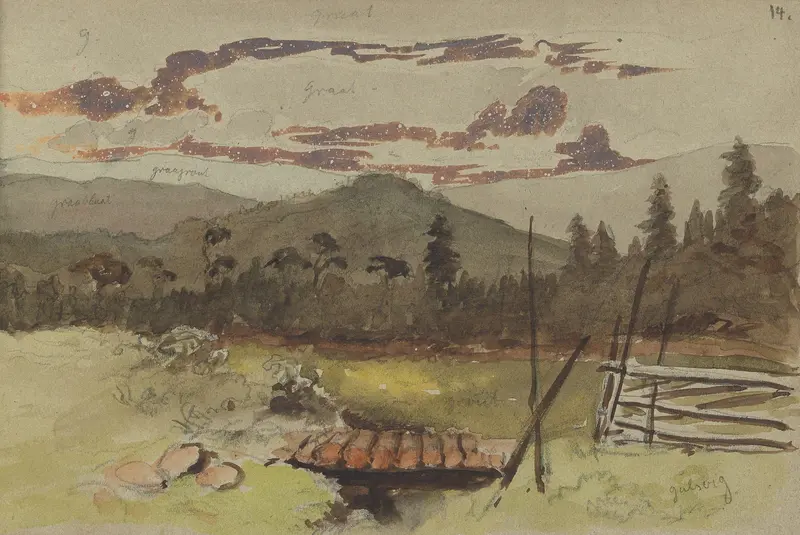
Fra Gulsvik
Adolph Tidemand
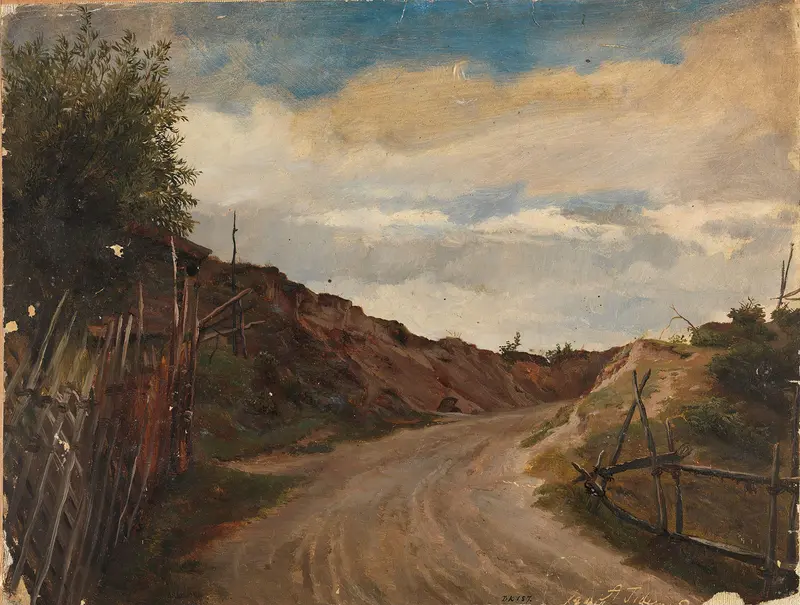
Country Road
Adolph Tidemand
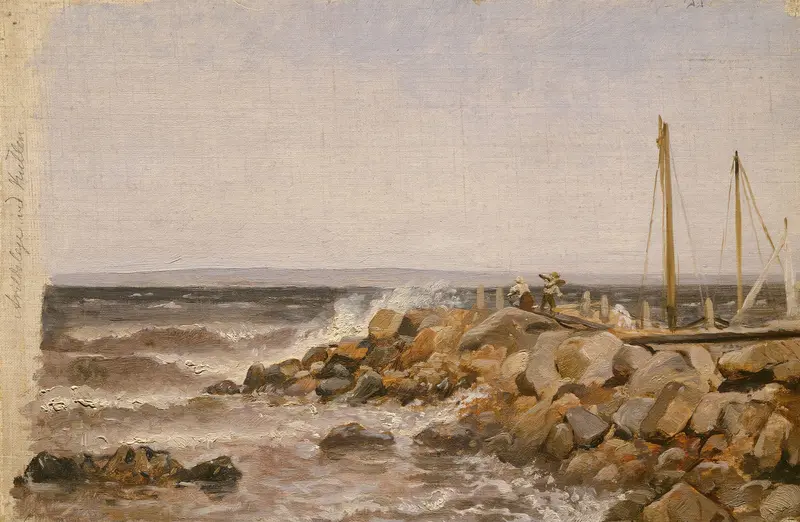
From Kullen in Sweden
Adolph Tidemand
Untitled
Adolph Tidemand
More Genre Scene Art

Banquet of the Officers of the St George Civic Guard
Frans Hals

Rembrandt and Saskia in the Scene of the Prodigal Son
Rembrandt van Rijn

Bal du moulin de la Galette
Pierre-Auguste Renoir

Quadrille at the Moulin Rouge
Henri de Toulouse-Lautrec

A Burial at Ornans
Gustave Courbet

When Will You Marry?
Paul Gauguin