
Fuori la grotta di Posilipo — History & Facts
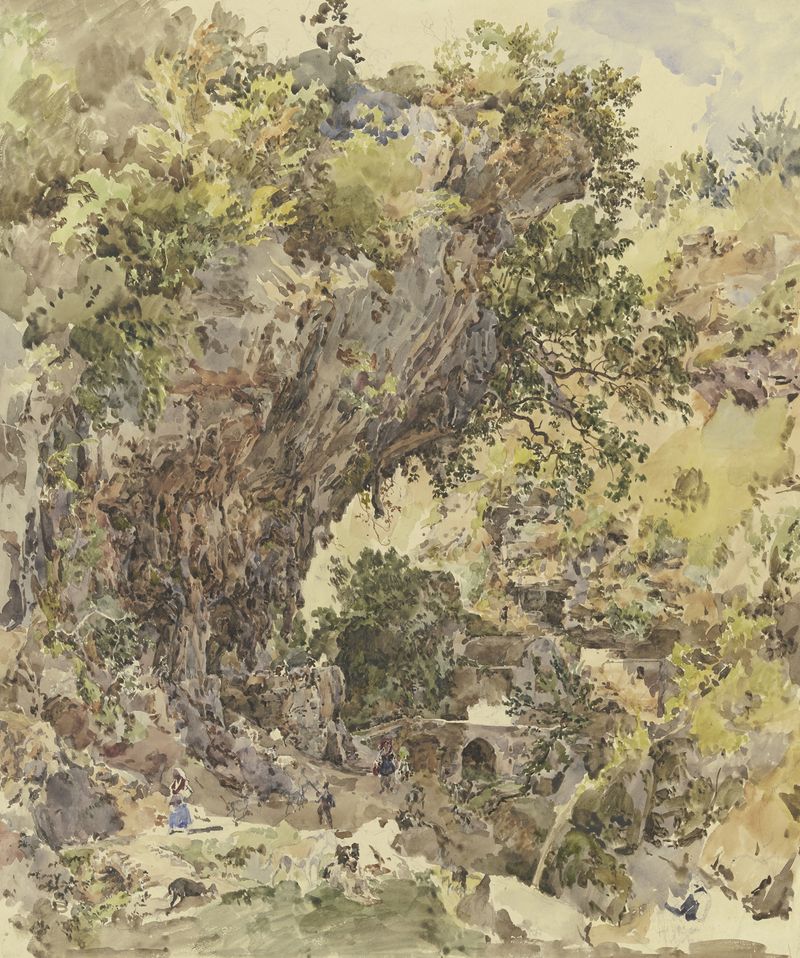
In this delicate interplay, light becomes the bridge that connects the viewer to the essence of existence captured in the artwork. Look to the center where a gentle luminosity illuminates the archway of a cave, drawing the eye inward into shadowy depths. The warm hues of ochre and soft blues cradle the entrance, inviting exploration while simultaneously hinting at mystery. Notice how the interplay of light and shadow dances across the rocky formations, revealing intricate textures that evoke both stability and transience. The juxtaposition of the bright, inviting exterior against the dark, enigmatic interior serves as a metaphor for the human experience—the allure of the known versus the apprehension of the unknown.
The viewer is left to contemplate what lies beyond the cave, representing the barriers and thresholds we all face in life. The careful application of color enhances this tension; the surrounding landscape buzzes with life yet remains silent, echoing the unspoken questions that linger in the air. In 1841, Johann Nepomuk Rauch was immersed in the vibrant artistic currents of Romanticism while living in Italy. This period was characterized by a deep connection to nature and emotion, as artists sought to express the sublime.
Amidst social and political upheaval, Rauch turned to the picturesque landscapes of the Italian coast, capturing not just the scenery but the underlying truths of existence through his masterful manipulation of light.
More Artworks by Johann Nepomuk Rauch
Browse all →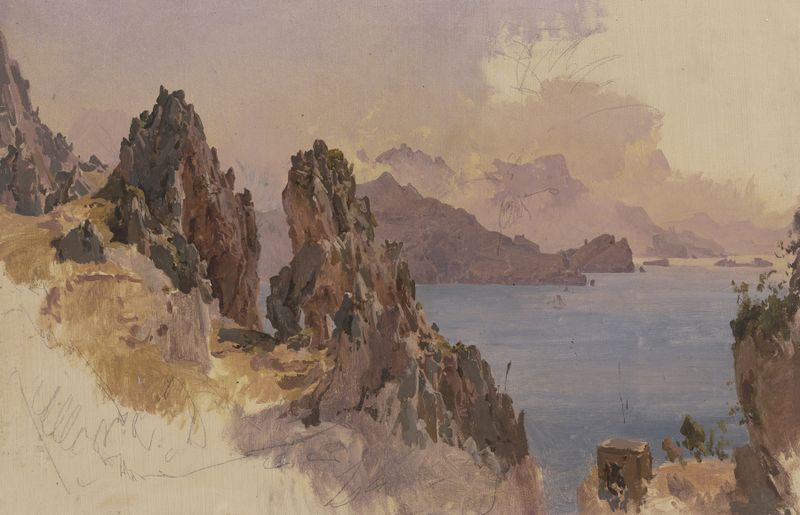
Süditalienische Felsenküste
Johann Nepomuk Rauch
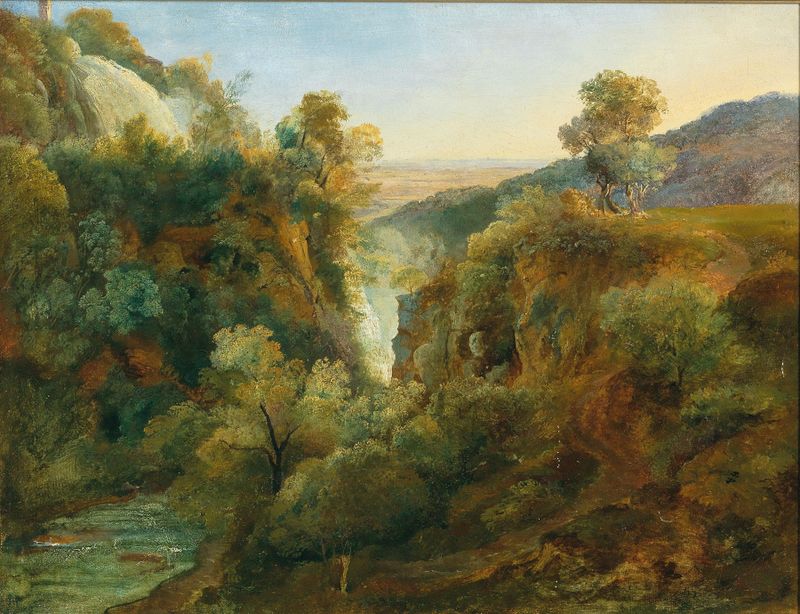
Wasserfall bei Tivoli
Johann Nepomuk Rauch
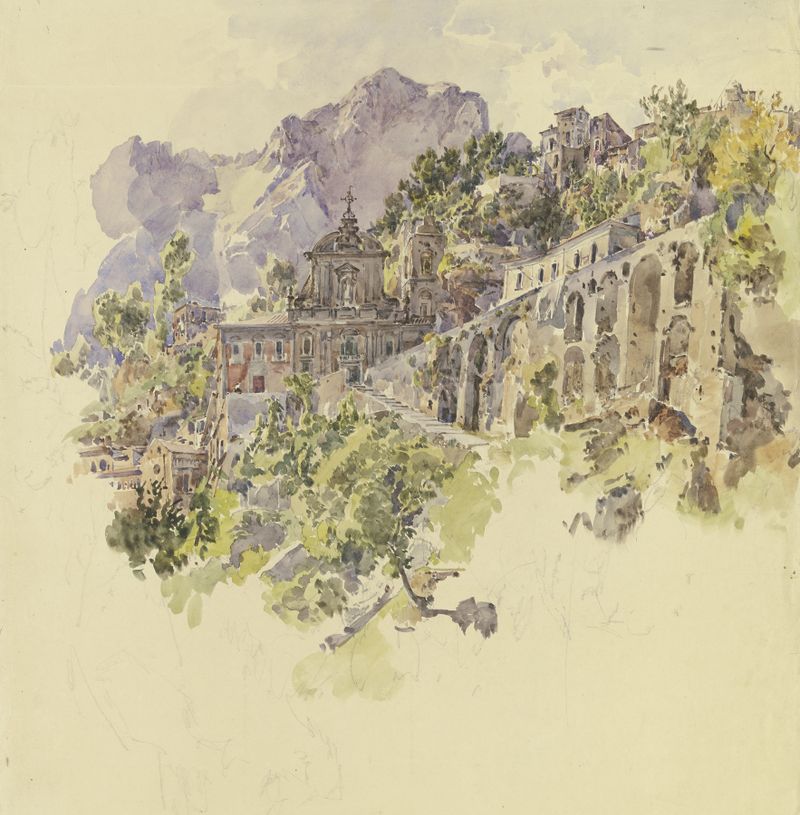
Kloster im Gebirge mit großen Terrassen und Treppen
Johann Nepomuk Rauch

Felsabhang mit Bäumen bei Nemi
Johann Nepomuk Rauch

La Marina grande del Vico
Johann Nepomuk Rauch
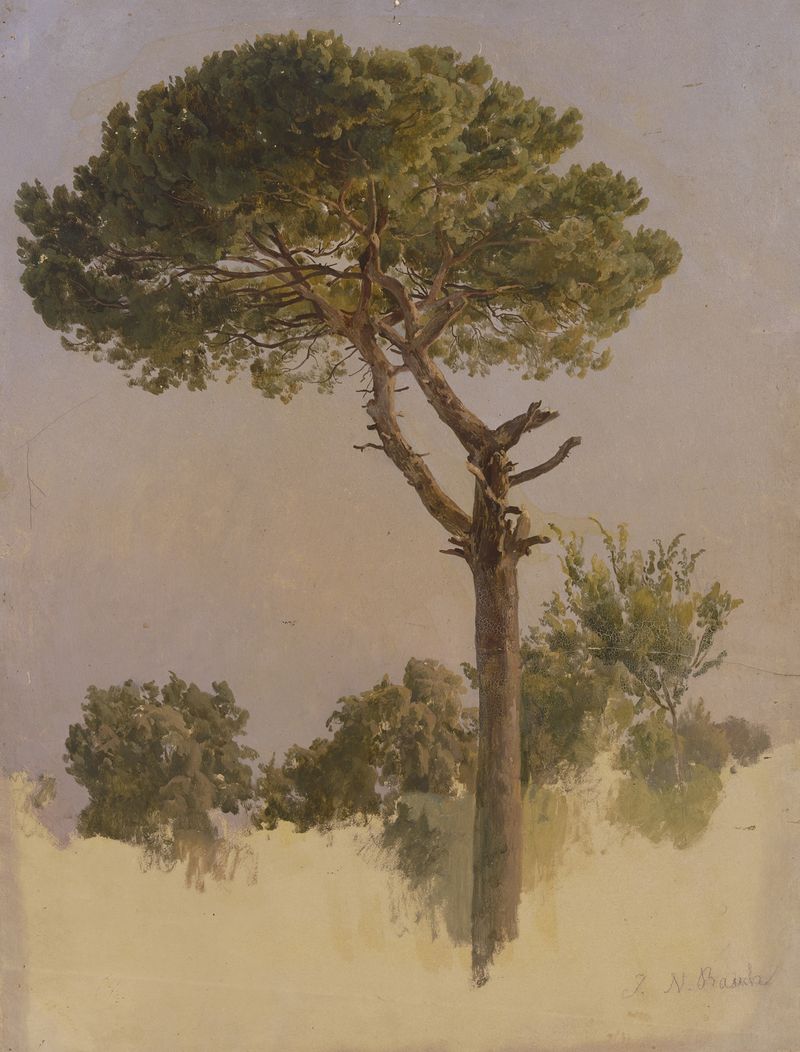
Pinienbaum bei S. Nicola da Tolentino in Rom
Johann Nepomuk Rauch
Gebirgslandschaft mit einer Brücke und vielen Figuren, links eine großartige Felspartie
Johann Nepomuk Rauch

Wasser-Reservoir in Tivoli
Johann Nepomuk Rauch

Rast an der Landstraße
Johann Nepomuk Rauch
Molo di Gaeta
Johann Nepomuk Rauch





