
Kloster im Gebirge mit großen Terrassen und Treppen — History & Facts
What if silence could speak through light? In the serene embrace of nature, faith materializes in stone, whispering secrets known only to the mountains. Look to the foreground of this painting, where masterfully layered terraces unfurl like a ribbon, guiding the eye upward. The architecture of the monastery emerges with a gentle authority; its soft hues blend into the earthy palette of the surrounding landscape. Notice how the light bathes the terraces, casting elongated shadows that suggest both depth and solitude.
Each stairwell beckons contemplation, drawing you into a quiet dialogue between the man-made and the divine. Delve deeper into the emotional interplay of light and shadow. The stark contrast of the sturdy monastery against the ethereal backdrop of the mountains invites reflection on the human spirit’s persistence in the face of nature's vastness. Furthermore, the careful arrangement of the terraces symbolizes a journey toward enlightenment, each step a testament to faith's gradual ascent.
The presence of the mountains looms large, suggesting both the protection and isolation that faith can impart. Created between 1841 and 1847, this piece emerged during a time of religious revival and romanticism in Europe. Rauch, influenced by the natural world and the shifting tides of spiritual thought, sought to illustrate not just physical landscapes but the profound connections between humanity and divinity. This era saw an exploration of faith as both a personal and collective journey, reflected in this striking representation of a sanctuary in nature’s embrace.
More Artworks by Johann Nepomuk Rauch
Browse all →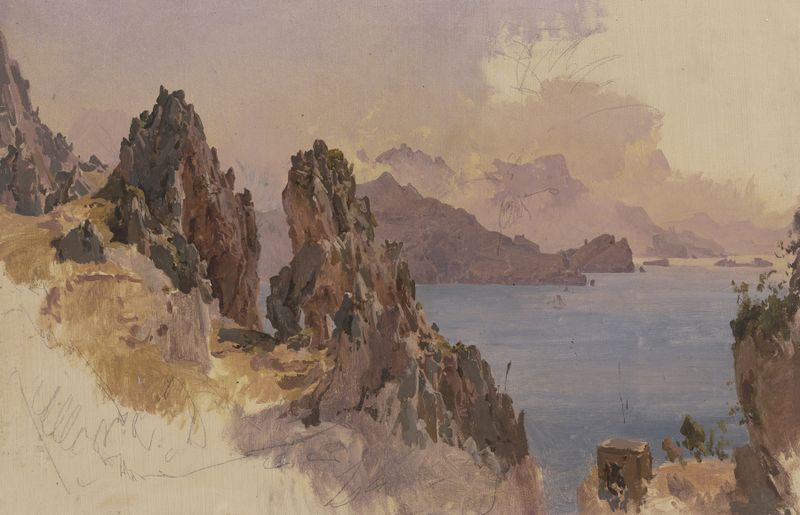
Süditalienische Felsenküste
Johann Nepomuk Rauch
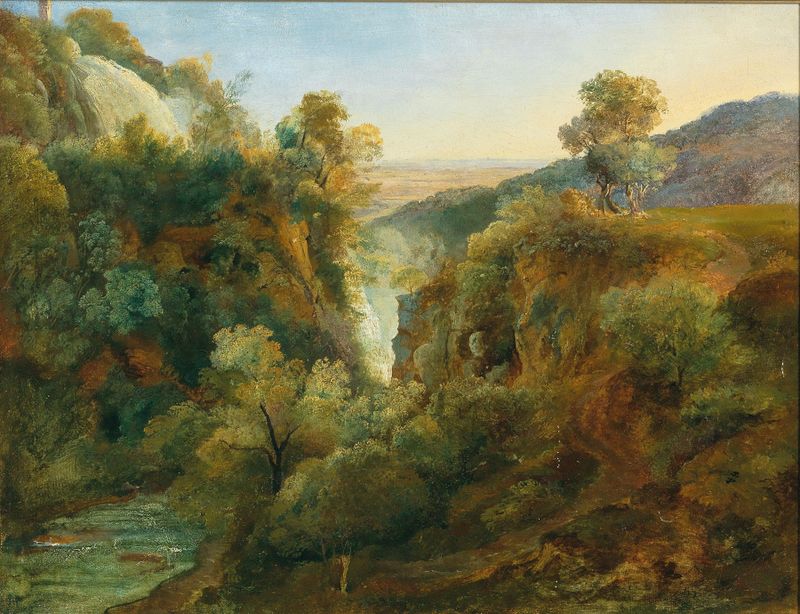
Wasserfall bei Tivoli
Johann Nepomuk Rauch

Felsabhang mit Bäumen bei Nemi
Johann Nepomuk Rauch

La Marina grande del Vico
Johann Nepomuk Rauch
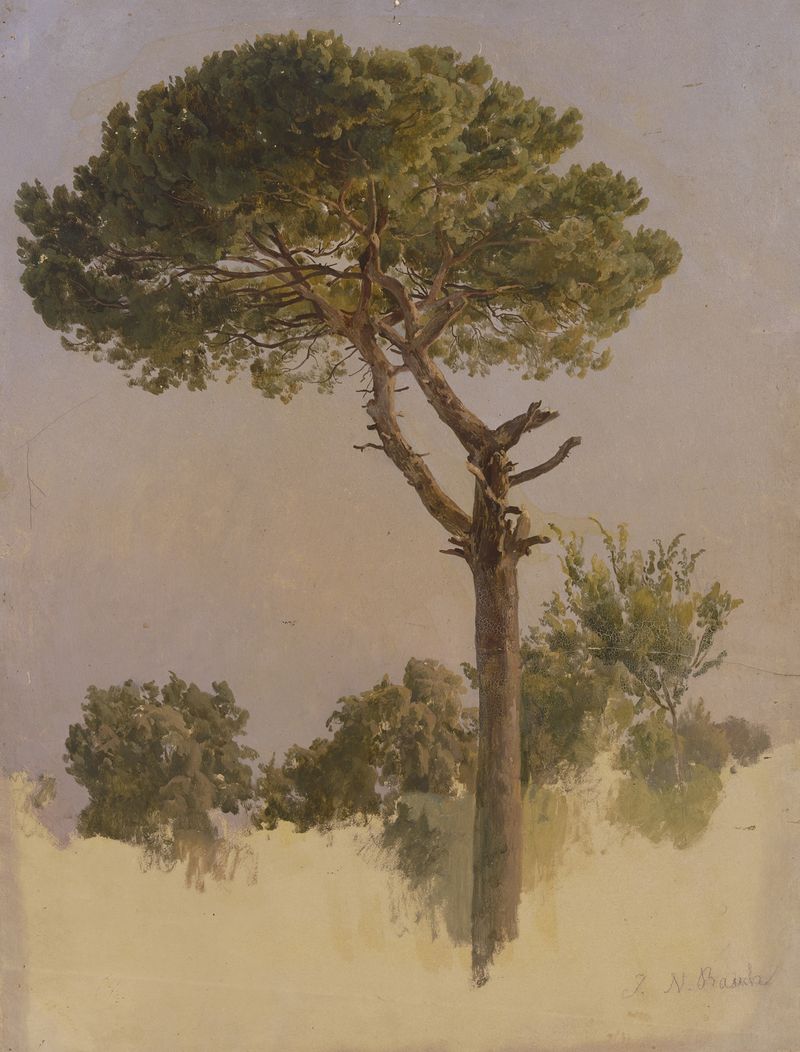
Pinienbaum bei S. Nicola da Tolentino in Rom
Johann Nepomuk Rauch
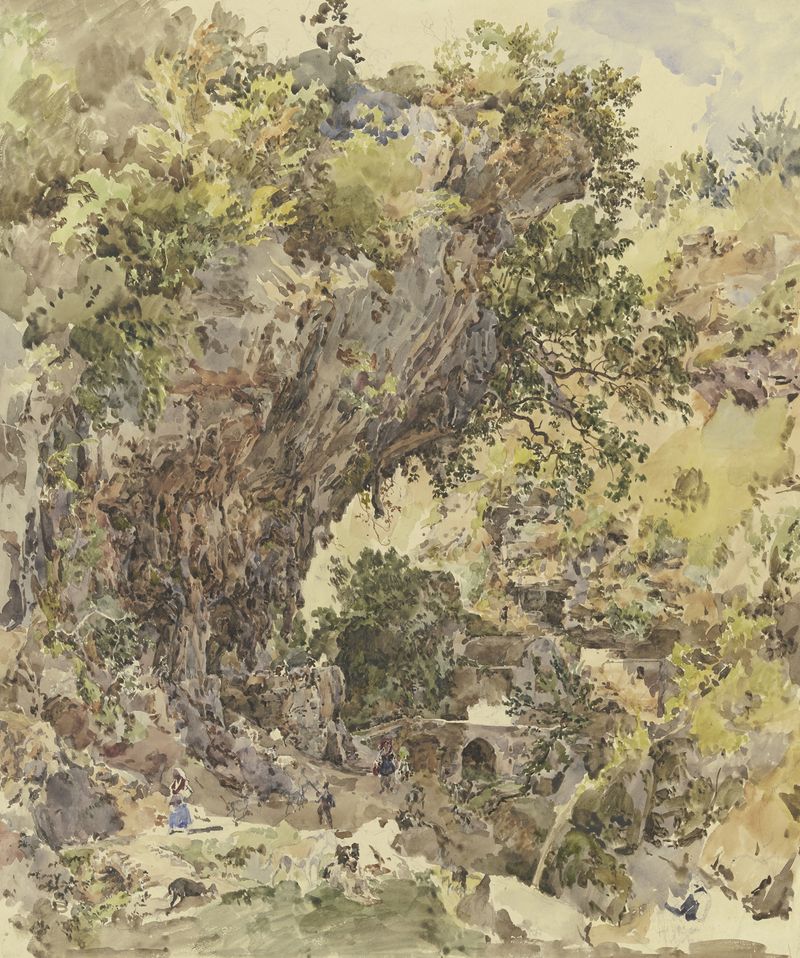
Gebirgslandschaft mit einer Brücke und vielen Figuren, links eine großartige Felspartie
Johann Nepomuk Rauch

Fuori la grotta di Posilipo
Johann Nepomuk Rauch

Wasser-Reservoir in Tivoli
Johann Nepomuk Rauch

Rast an der Landstraße
Johann Nepomuk Rauch
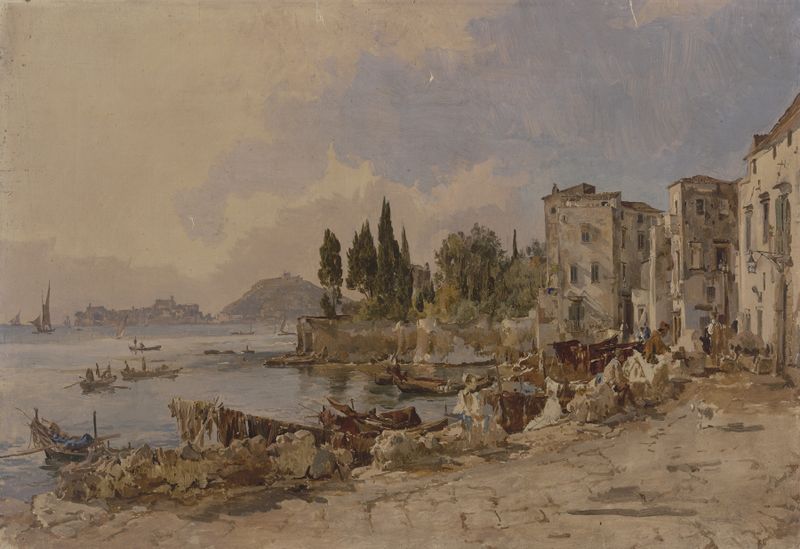
Molo di Gaeta
Johann Nepomuk Rauch
More Architecture Art
Browse all →
The statue of Liberty
Frédéric Auguste Bartholdi

View of Houses in Delft, Known as ‘The Little Street’
Johannes Vermeer

View of Houses in Delft, Known as ‘The Little Street’
Johannes Vermeer

The Cathedral in Rouen. The portal, Grey Weather
Claude Monet

The yellow house
Vincent van Gogh

The Church in Auvers-sur-Oise, View from the Chevet
Vincent van Gogh