
Furnival’s Inn — History & Facts
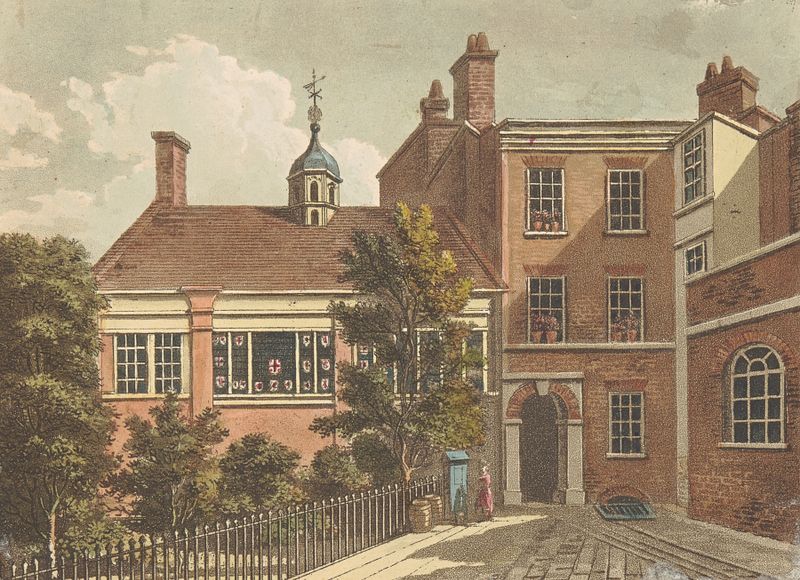
Could a single brushstroke hold eternity? In the quiet corners of Furnival’s Inn, a world of unspoken betrayal and unmet expectations resides beneath the surface of its tranquil facade. Begin your exploration in the foreground, where the intricate detailing of the inn's timeworn architecture draws the eye. Look closely at the soft play of light dancing across the weathered stone walls, each shadow whispering tales of the many visitors who passed through its doors. Notice how the muted color palette evokes a sense of nostalgia, while the delicate brushwork suggests both the passage of time and the fleeting nature of human interaction, hinting at secrets left unshared in this seemingly mundane space. Within this stillness lies an emotional tension; the shadows cast by the overhanging eaves seem to loom larger than life, casting doubt on the intentions of those who enter.
The open door, a stark invitation, juxtaposes the sense of enclosure, symbolizing the duality of welcome and warning. Each figure depicted—lost in their own preoccupations—reflects the complexity of relationships entwined within these walls, hinting at the betrayals that mar even the most intimate connections. In 1800, Samuel Ireland created this artwork amidst a burgeoning artistic atmosphere in England, where Romanticism was beginning to take hold. The age was marked by a growing appreciation for individuality and emotional depth, a reaction to the rigid conventions of previous artistic movements.
As Ireland painted, he faced personal challenges, including his own evolving legacy. Furnival’s Inn stands as a testament to his exploration of human nature, encapsulating a moment in time when both art and life were richly intertwined yet fraught with complexity.
More Artworks by Samuel Ireland
Browse all →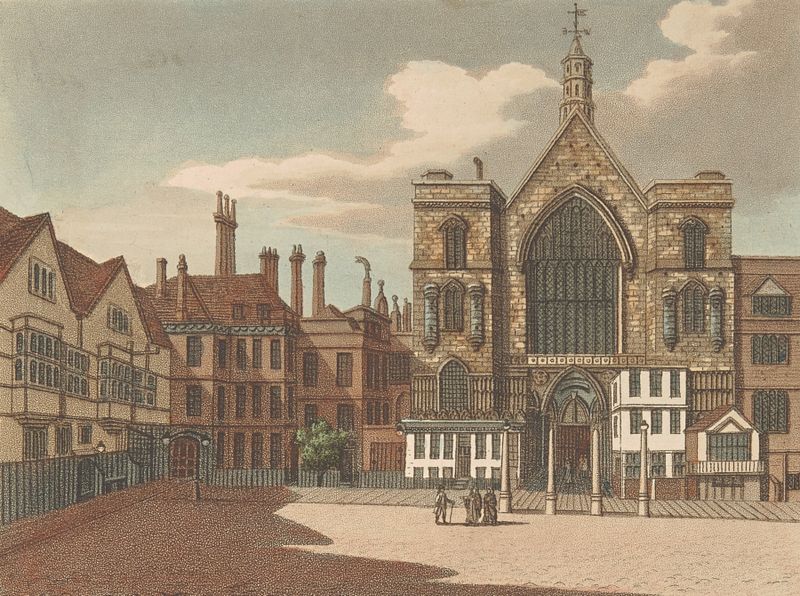
Westminster Hall
Samuel Ireland

Southwest View of Middle Temple
Samuel Ireland
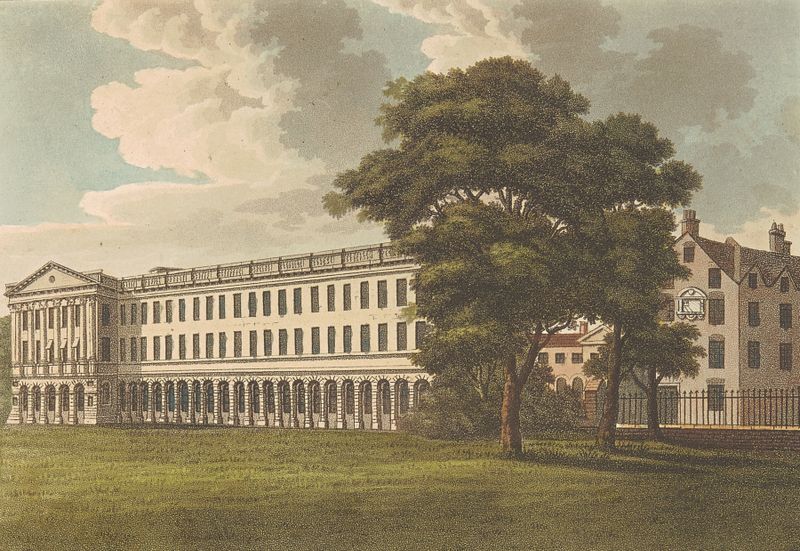
Stone Buildings, Lincoln’s Inn
Samuel Ireland
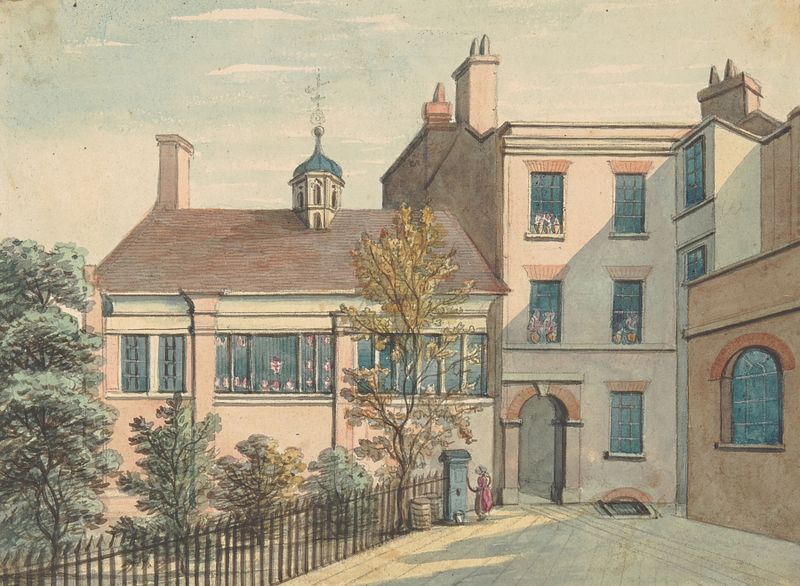
Barnard’s Inn
Samuel Ireland

Lincoln’s Inn Hall and Chapel
Samuel Ireland

Lion’s Inn
Samuel Ireland
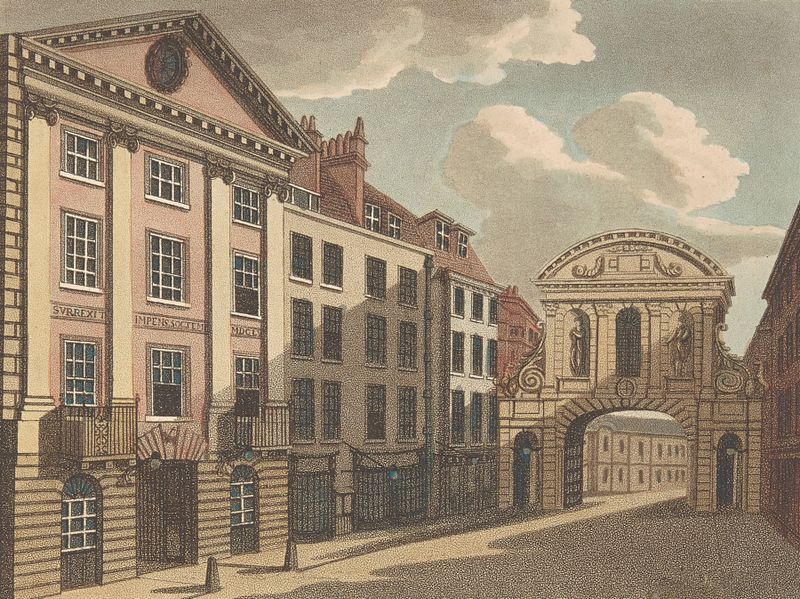
Middle Temple Gate
Samuel Ireland
Barnard’s Inn
Samuel Ireland

Westminster Hall
Samuel Ireland
Lincoln’s Inn Gate
Samuel Ireland
More Architecture Art
Browse all →
The statue of Liberty
Frédéric Auguste Bartholdi

View of Houses in Delft, Known as ‘The Little Street’
Johannes Vermeer

View of Houses in Delft, Known as ‘The Little Street’
Johannes Vermeer

The Cathedral in Rouen. The portal, Grey Weather
Claude Monet

The yellow house
Vincent van Gogh

The Church in Auvers-sur-Oise, View from the Chevet
Vincent van Gogh