
Galeasen "Bertha" av Ljugarn (ägare JG Claudelin) som vrak vid Lauviken och Langbjenne fiskeläge — History & Facts
A beached hulk commands the eye, its skeletal timbers jutting skyward as if in silent protest against the calm that now surrounds it. The remains of the Galeasen "Bertha" av Ljugarn dominate the shallow water, its ribs exposed, its purpose spent. Nearby, a pair of figures in a rowboat seem almost incidental, dwarfed by the wreck and the wide, pale sky.
The palette is cool and restrained, the blues and greys of water and air nearly merging, interrupted only by the dark mass of the ship and the scattered ochres of stones and sand. The gentle light does not dramatize but rather lingers, inviting the viewer to linger too, to study the play of reflections and the quiet persistence of life—gulls, boats, distant smoke—around this monument to loss. Painted in 1914 by Axel Lindman, this work belongs to a tradition of maritime painting that flourished in northern Europe as the age of sail gave way to steam. Such images were often commissioned to commemorate vessels or to mark the passing of a way of life, though history has kept few traces of the specific patrons or purposes behind many individual works.
The photograph by Jopparn, from which this painting draws, anchors it firmly in its time: a moment when the Swedish coasts were still dotted with fishing settlements and the bones of old ships. The melancholy dignity of the scene is not nostalgia, but a record of transition—one that asks us to look again at what endures, and what quietly slips away.
More Artworks by Axel Lindman
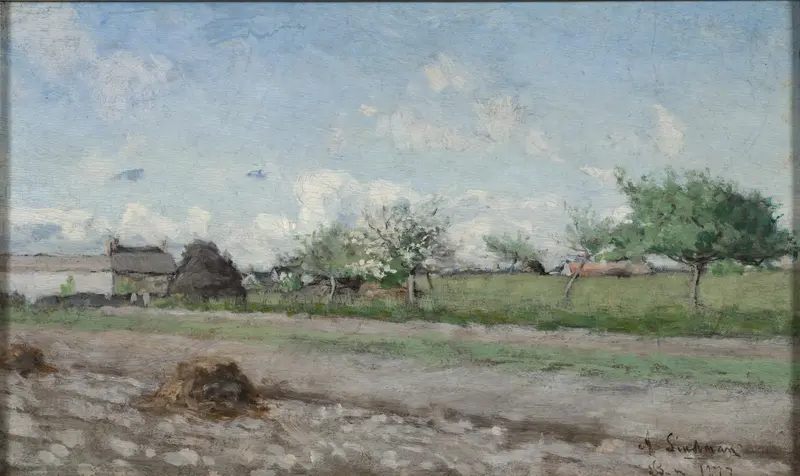
Apple Tree in Flower. Motif from Barbizon
Axel Lindman
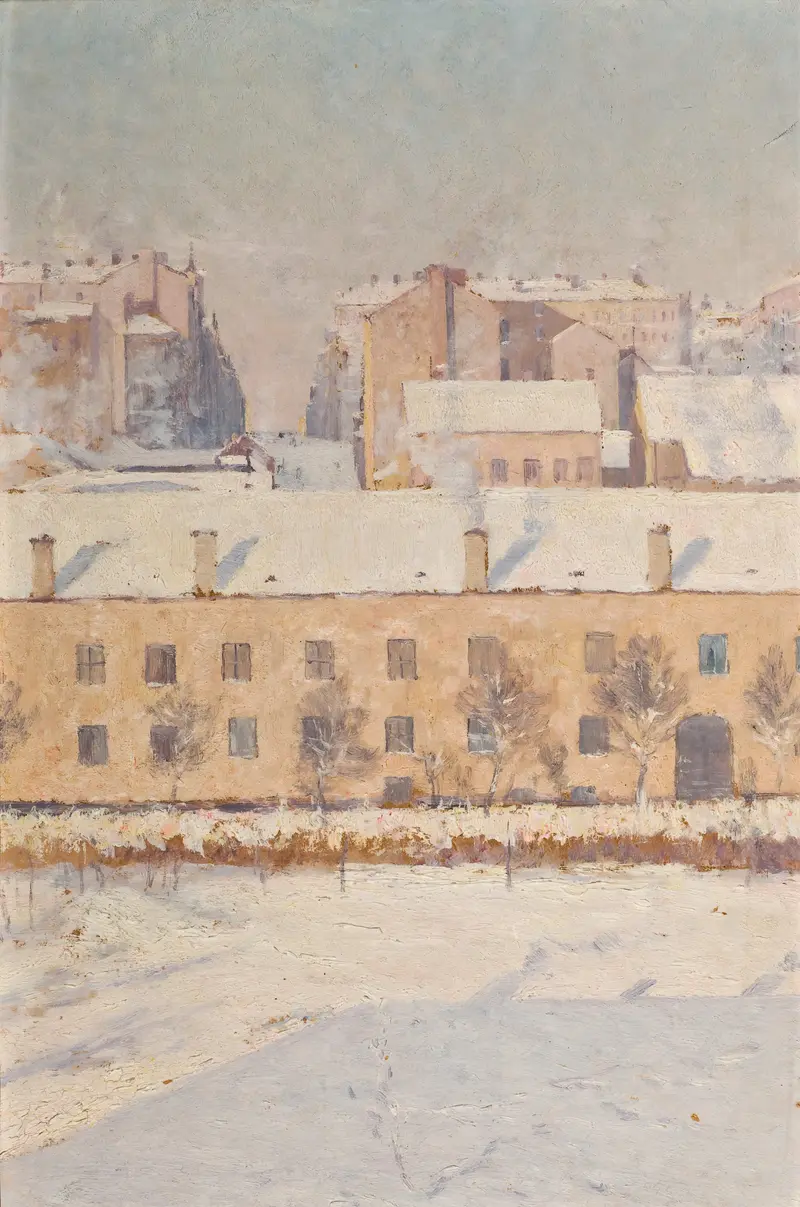
A Winter Scene. Motif from Southern Stockholm
Axel Lindman
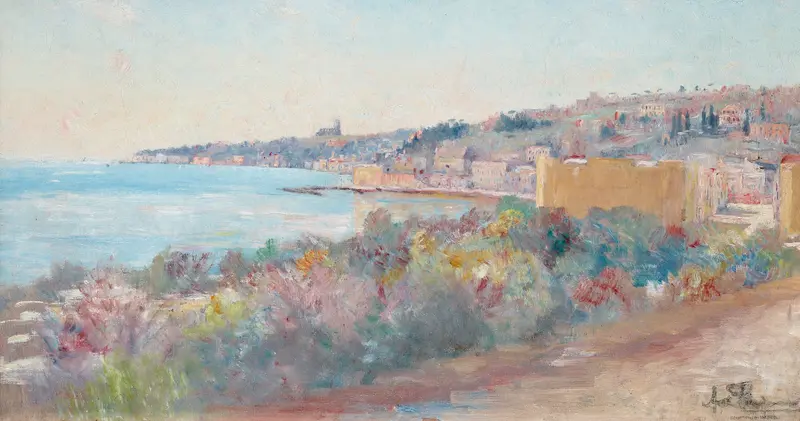
Vy över Nice, Frankrike
Axel Lindman
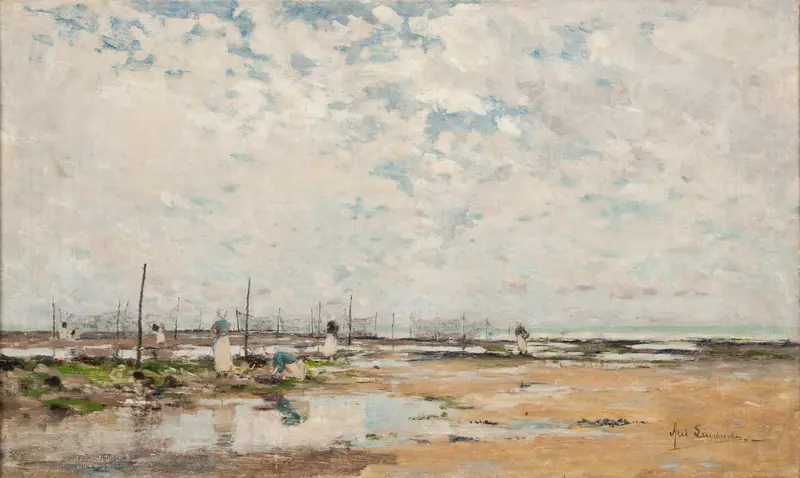
The Beach at Villerville, Normandy
Axel Lindman
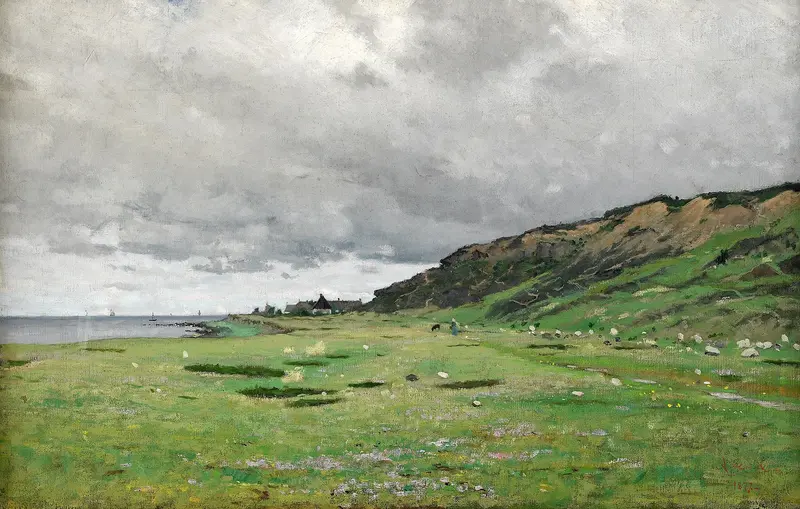
Coastal Landscape, Normandie
Axel Lindman
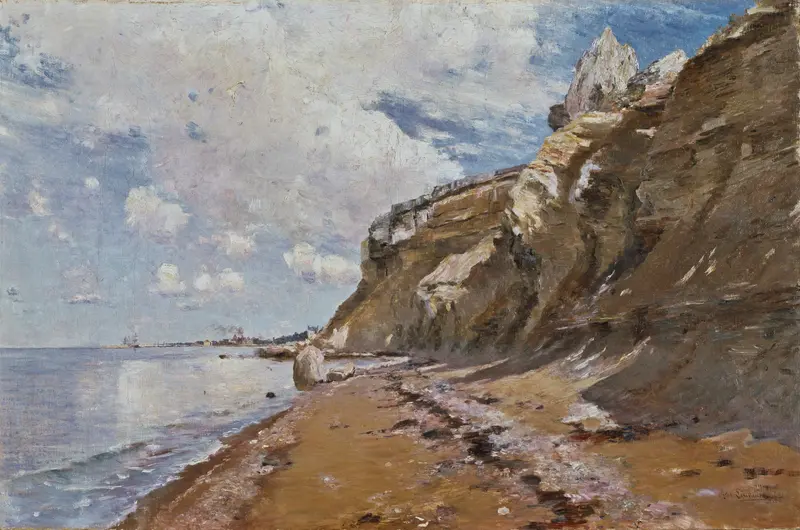
Part of the Shore near Visby
Axel Lindman
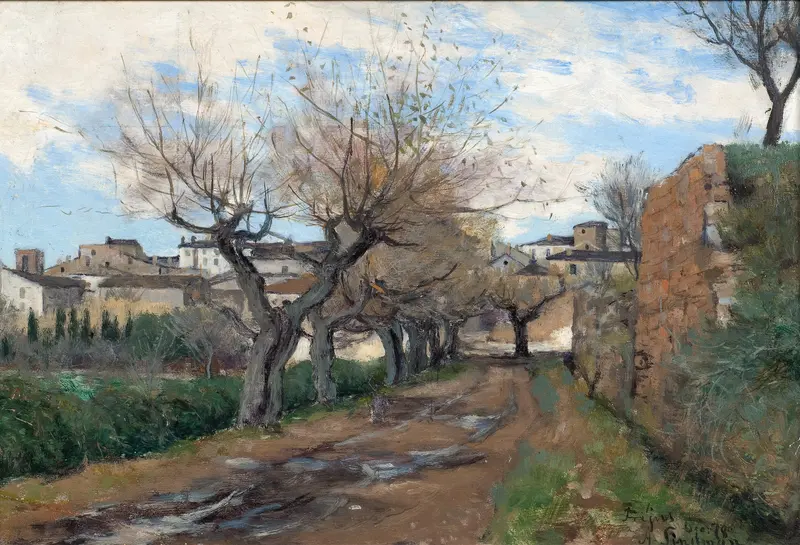
A Street in Fréjus
Axel Lindman
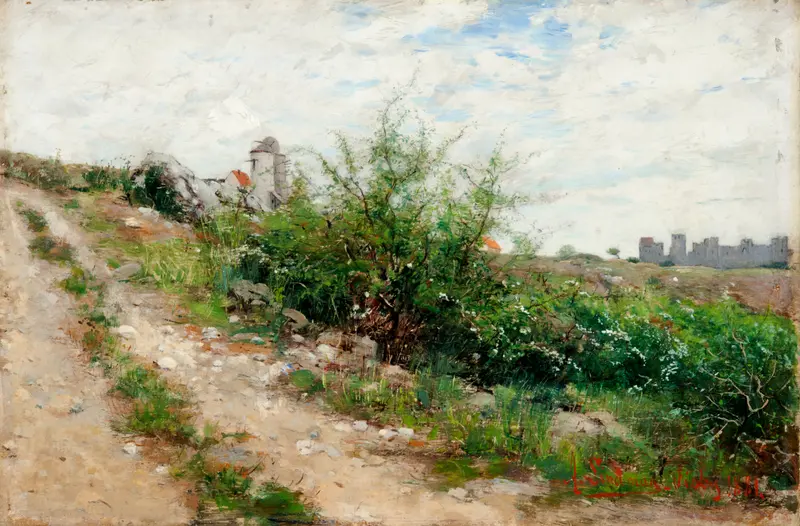
Scene from Visby
Axel Lindman
Sea Approach to Stockholm
Axel Lindman





