Galileo’s Villa — History & Facts
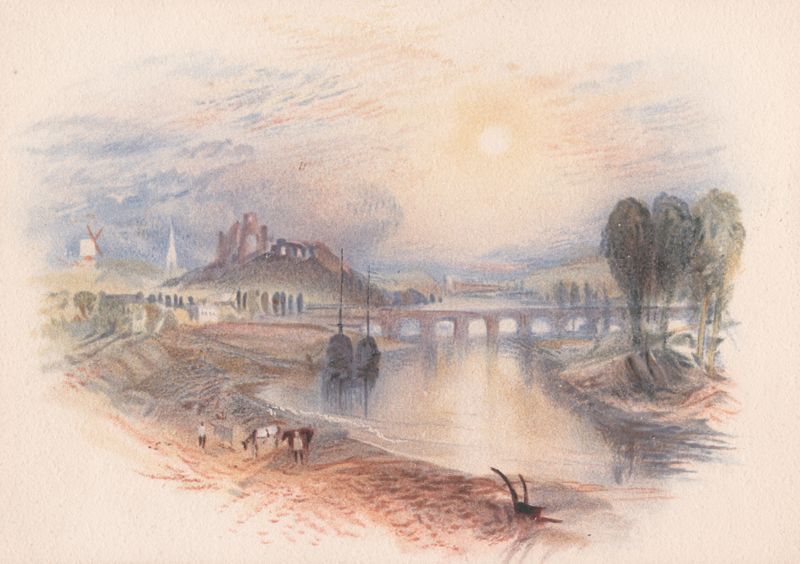
In the quiet cradle of innocence, a moment of discovery lingers, untouched and profound. It whispers to us, inviting us to ponder the lost wonders of our youth and the untainted visions we once cherished. Look first at the tranquil landscape bathed in soft, golden hues. The rolling hills stretch gently towards a serene sky, while a quaint villa nestles snugly among the greenery.
Notice how the light dances upon the rooftops, illuminating the vibrant reds and earthy browns that create a harmonious balance. The brushwork is fluid, an invitation to wander through the pastoral scene, with each stroke echoing the artist’s yearning for simplicity and purity. A deeper exploration reveals the tension between innocence and the inevitable passage of time. The villa, a symbol of human aspiration, stands in stark contrast to the boundless nature surrounding it—reminding us that all beauty is transient.
The delicate figures in the scene embody both wonder and vulnerability, as they appear lost in their thoughts, evoking a bittersweet nostalgia for moments soon to fade into memory. This poignant juxtaposition blurs the line between the idealized world and the reality that awaits. In 1884, the artist painted this work while living in the tranquil Italian countryside, a time when the art world was shifting towards realism and impressionism. Long found inspiration in landscapes that celebrated the simplicity of rural life, mirroring the broader cultural movement towards appreciating nature and its inherent beauty.
His focus on innocence reflects a longing for a return to a more genuine experience, capturing the essence of a world on the brink of modernity.