A Village Fair — History & Facts
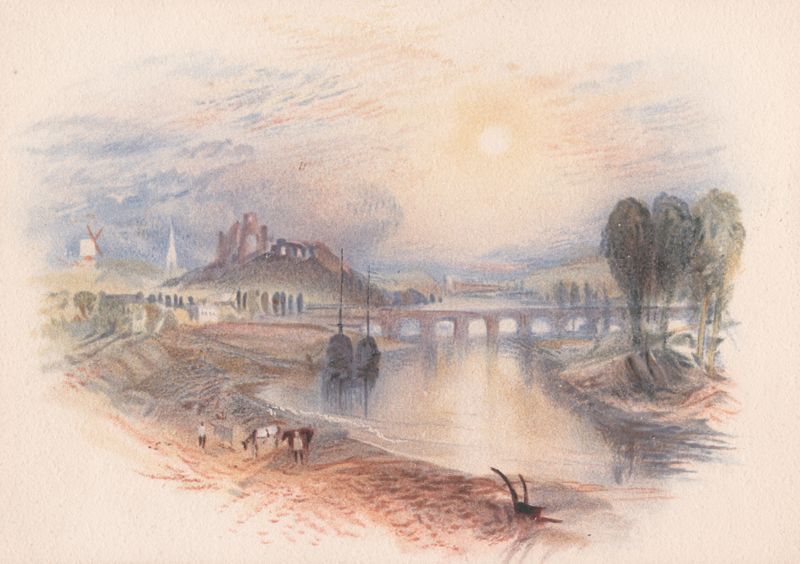
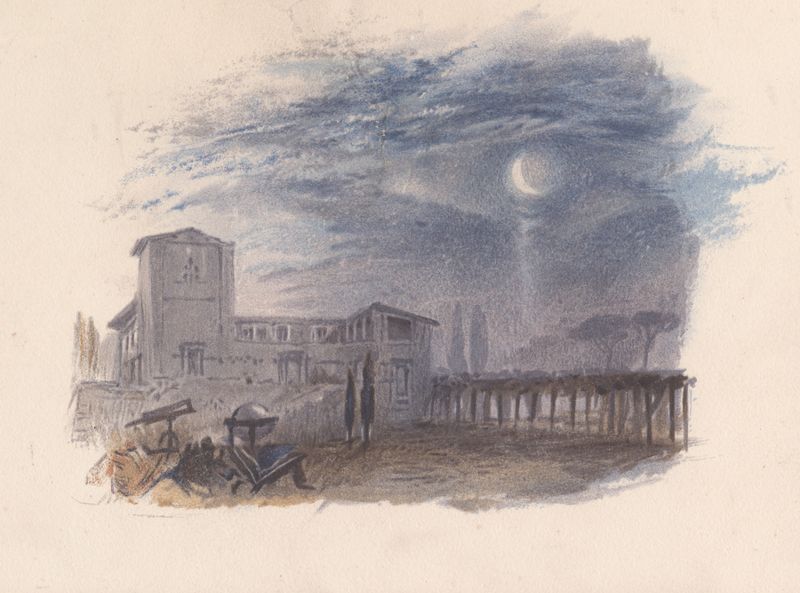
Who listens when art speaks of silence? In a world bustling with noise, the whispers of a tranquil gathering beckon us to pause and reflect. Focus on the center of the canvas where figures are drawn together, their postures suggesting a moment paused within the laughter and chatter of the village fair. Notice how the gentle palette of soft blues and warm earth tones invites the eye, while the dappled light filters through the trees, creating a drowsy warmth that envelops the scene. The vibrant details of the stalls, festooned with colorful fabrics and bustling with activity, contrast beautifully with the calm expressions on the faces of the villagers. Beneath this apparent festivity lies a deeper narrative of shared moments and fleeting joys.
The children’s innocent glee juxtaposes with the adults' more subdued contemplations, hinting at the complexities of life woven into the fabric of community gatherings. Each character, with their unique expressions and gestures, reveals a story of connection and solitude, allowing viewers to feel both the vibrancy of the fair and the quiet echoes of individual thoughts. Created in 1884, M.H. Long captured this village fair during a period marked by the rise of Impressionism, which emphasized light, color, and momentary experiences.
Living in Britain at the time, Long was influenced by the changing dynamics of rural life as industrialization began to alter the landscapes and social fabric of communities. This work reflects both the joy and the underlying stillness that defines human experience, offering a poignant glimpse into the essence of village life.