Loch Lommond — History & Facts
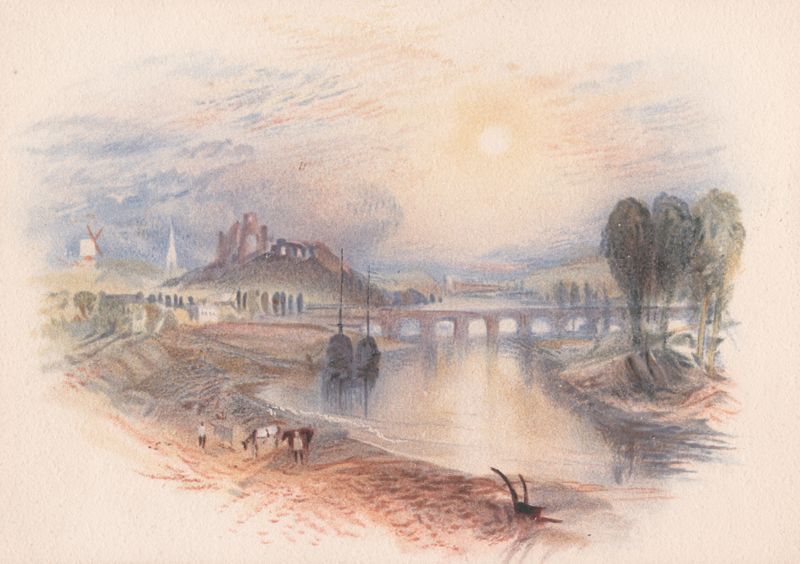
In the gentle interplay of light and shadow, the real essence of our surroundings often emerges unseen, waiting to be discovered. Look to the foreground where vibrant greens and blues blend harmoniously, mirroring the tranquil waters of the loch. The layered brushstrokes create a sense of movement, inviting the viewer’s gaze deeper into the canvas. Notice how the light dances across the surface of the water, revealing fleeting reflections that suggest a hidden narrative, while the shadowy silhouettes of trees stand sentinel along the banks, grounding the composition in a tranquil stillness. The shimmering interplay between light and shadow embodies a delicate balance—one that reflects both the serenity of nature and the underlying currents of time passing.
The contrast between the vivid colors of the landscape and the darker tones of the trees evokes a sense of duality; it’s as if the painting whispers secrets of the natural world, inviting contemplation. This juxtaposition of elements draws attention to the ephemeral beauty of the scene, hinting at the transience of life itself. M.H. Long painted Loch Lommond in 1884 during a period of profound experimentation and change in the art world.
At this time, the Impressionist movement was gaining momentum, encouraging artists to capture moments of light and atmosphere. Long’s work exemplifies this shift, reflecting the landscapes of his native Scotland while resonating with the broader cultural movements that sought to depict reality through a new lens, emphasizing emotion and sensation over strict realism.