Paestum — History & Facts
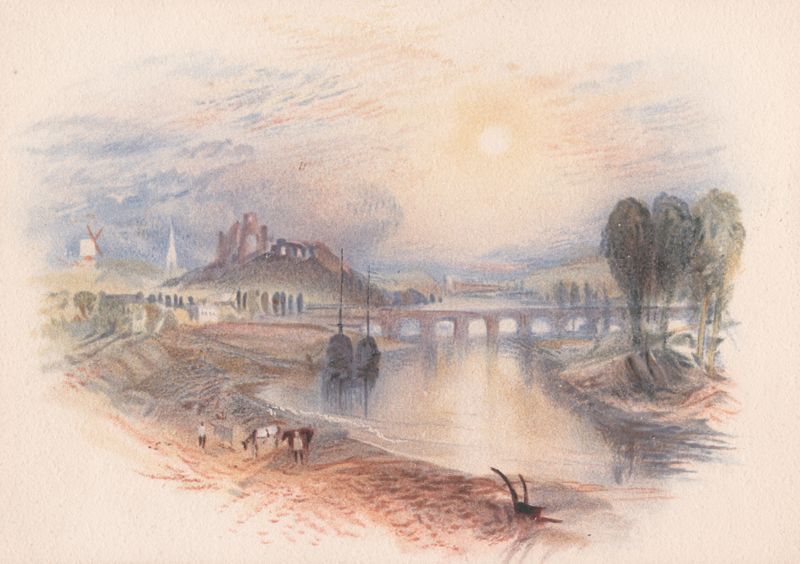
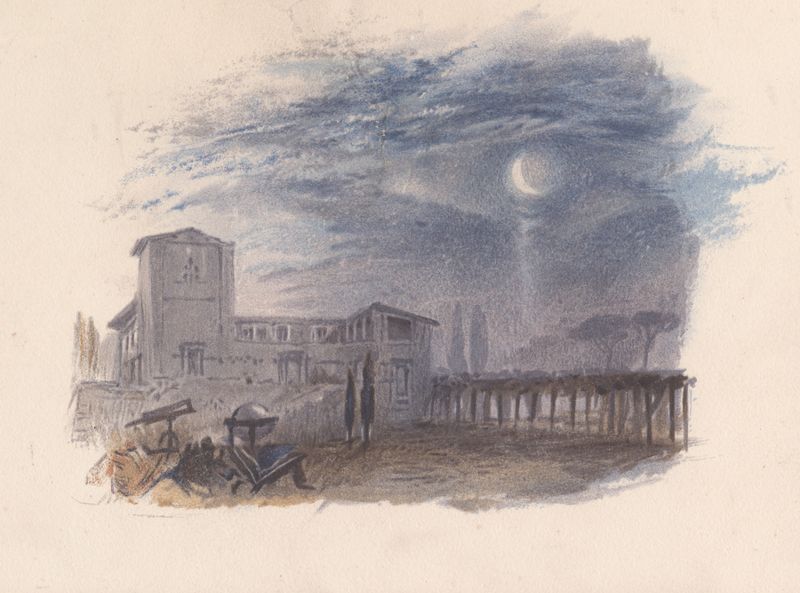
When did color learn to lie? What if the very hues that illuminate our world could conceal its chaotic undercurrents? Look closely at the vibrant swathes of earth tones and azure skies that dance across the canvas. Notice how the artist juxtaposes the solemnity of the ancient ruins with the vibrant life of the surrounding landscape. The crumbling columns stand stoic against a backdrop of lush greenery, while dabs of warm sunlight cascade down, infusing the scene with an almost deceptive tranquility.
This masterful play of color invites the viewer to linger, but urges them to question the peace it portrays. Yet, within this serene beauty lies an unsettling tension. The stark contrasts between the dilapidated structures and the flourishing nature evoke a sense of transience, reminding us of the inevitable passage of time. The brushstrokes hint at a chaos just beneath the surface; the chaos of memories, of civilizations lost, and the relentless march of nature reclaiming its territory.
Each detail, from the worn stone to the vibrant foliage, speaks to the duality of existence: beauty intertwined with decay. In 1884, M.H. Long created Paestum during a period of artistic exploration, when many were captivated by the interplay of light and color. Living in a time of burgeoning Impressionism, he sought to capture not only the physical aspects of his surroundings but also the emotional resonance they held.
The remnants of ancient history combined with the vibrancy of life reflect both his personal journey and a larger cultural moment, as artists grappled with their role in representing a world filled with both chaos and beauty.