
St. Herbert’s Chapel — History & Facts
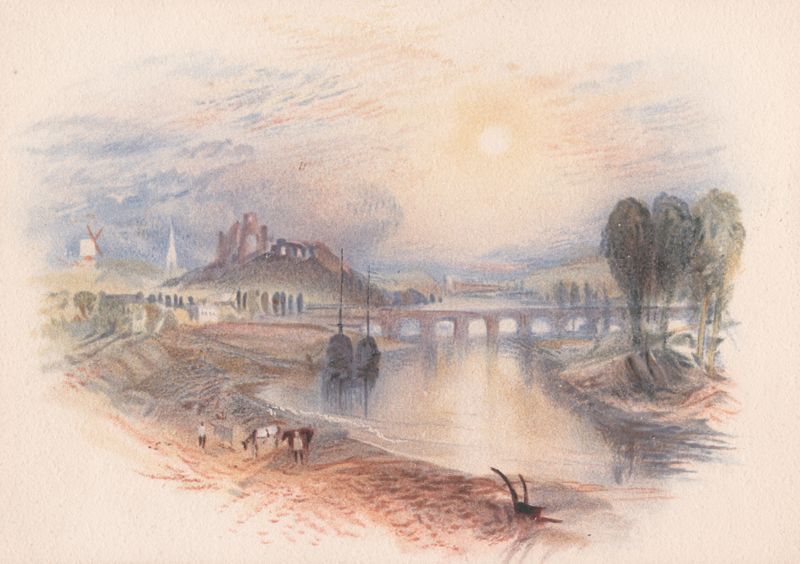
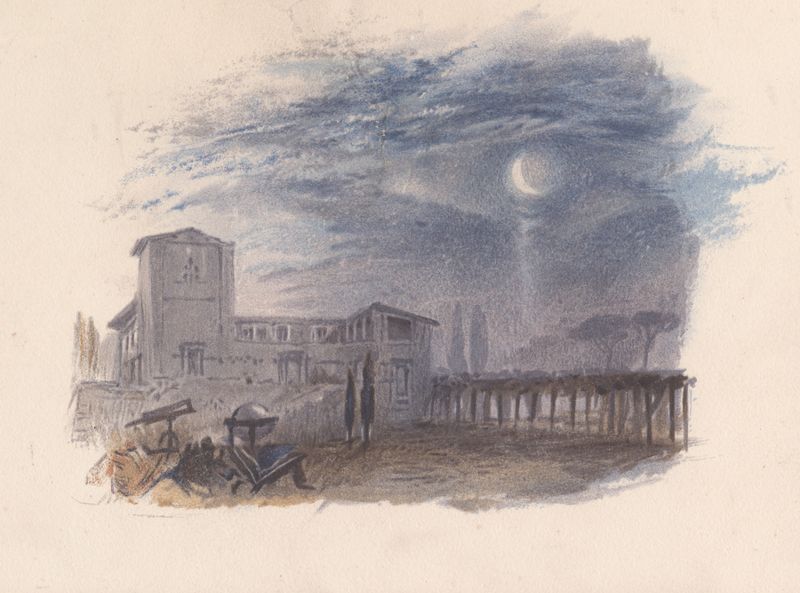
In a world filled with fleeting moments, what destiny do we carve through our creations? Gaze at the tranquil scene captured here; the gentle interplay of light and shadow invites your eye to the chapel’s façade first. Look closely at the soft greens of the surrounding foliage, which frame the structure in a protective embrace. Notice how the warm hues of ochre and gold illuminate the stone, revealing a sense of timelessness and serenity.
The meticulous brushwork reveals the artist's intimate connection with the subject, each stroke a tender whisper of devotion. Delve deeper into the intricacies of the composition. The juxtaposition of the calm, solid chapel against the swirling clouds above evokes a sense of divine presence, suggesting that this place is both a refuge and a conduit to the sublime. Tiny details, like the delicate vines climbing the chapel’s walls, signify the relentless passage of time and nature’s quiet reclamation.
This tension between the man-made and the organic speaks to our own destinies—how we are shaped by the environments we inhabit and the legacies we leave behind. In 1884, M.H. Long painted this piece during a time of significant artistic evolution in Britain, as the Pre-Raphaelite movement was making waves. Living in an era that sought to marry realism with the romantic, he embraced a form that honored both nature and spirituality.
This work emerged from a personal exploration of identity amidst the changing landscape of art, reflecting his own quest for meaning and connection to a storied past.
More Artworks by M.H. Long
Browse all →



More Architecture Art
Browse all →
The statue of Liberty
Frédéric Auguste Bartholdi

View of Houses in Delft, Known as ‘The Little Street’
Johannes Vermeer

View of Houses in Delft, Known as ‘The Little Street’
Johannes Vermeer

The Cathedral in Rouen. The portal, Grey Weather
Claude Monet

The yellow house
Vincent van Gogh

The Church in Auvers-sur-Oise, View from the Chevet
Vincent van Gogh