
Garden Front of Weaver’s Hall — History & Facts
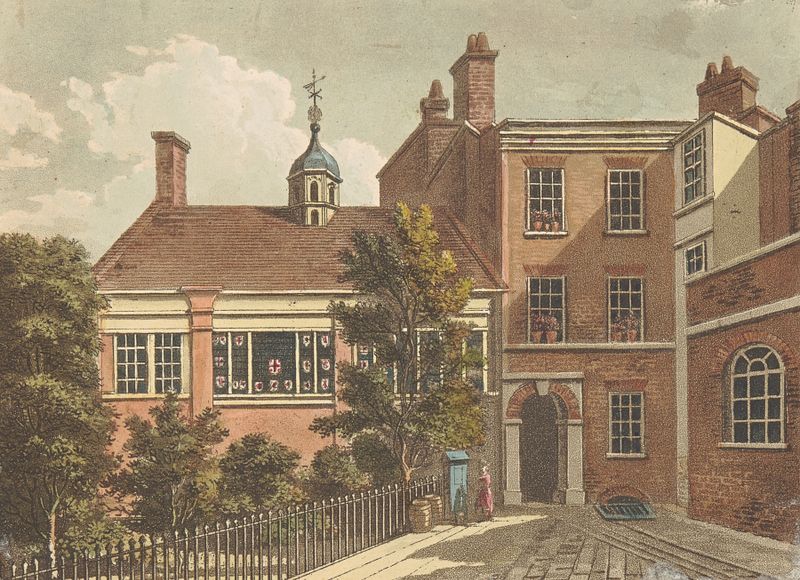
In a tranquil garden, the sunlight filters through the branches, casting patterned shadows on the cobblestone path. A solitary figure stands by a weathered wall, their gaze fixed on the blossoming flora, yet their presence feels heavy with unspoken thoughts. The air hums softly, an echo of a serene moment tinged with palpable solitude. Focus first on the meticulously crafted flowers that burst with color to the left, their vibrancy accentuated against the muted tones of the brick and mortar.
Notice how the artist employs a delicate balance of light and shadow, creating a depth that invites you deeper into the scene. The composition draws the eye toward the heart of the garden, where nature thrives, while the architecture of Weaver's Hall looms quietly in the background, almost a distant memory. Beneath the surface, there’s a startling contrast between the lively blooms and the stark, imposing structure behind them, perhaps a reflection on the passage of time and human absence. The emptiness of the space is profound, suggesting the weight of history and the silence of those who once filled it.
Each petal seems to sing a song of life, while the hall stands as a testament to what once was, evoking a bittersweet nostalgia. Samuel Ireland painted Garden Front of Weaver’s Hall between 1794 and 1800 while living in England during a period marked by both artistic exploration and societal change. As the world around him transformed with the rise of romanticism, he sought to capture the essence of his surroundings—the tension between nature's beauty and human constructs, reflecting the emotional landscape of his time.
More Artworks by Samuel Ireland
Browse all →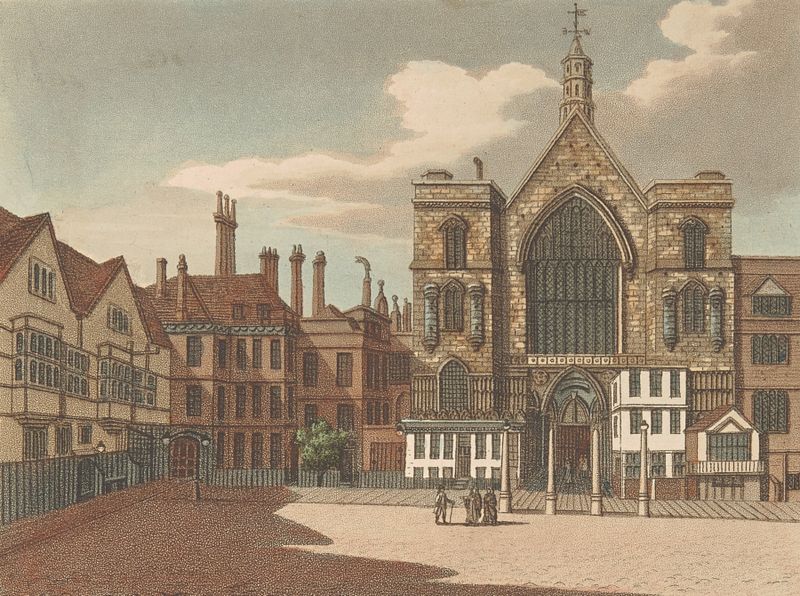
Westminster Hall
Samuel Ireland

Southwest View of Middle Temple
Samuel Ireland
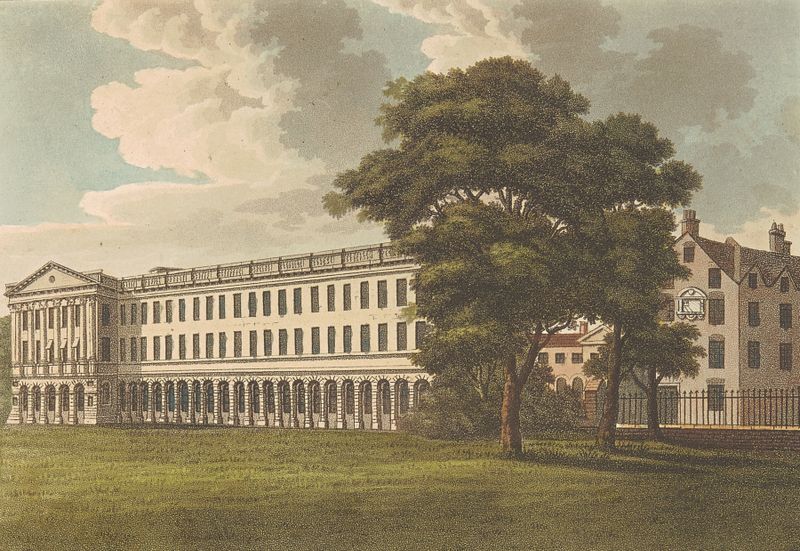
Stone Buildings, Lincoln’s Inn
Samuel Ireland
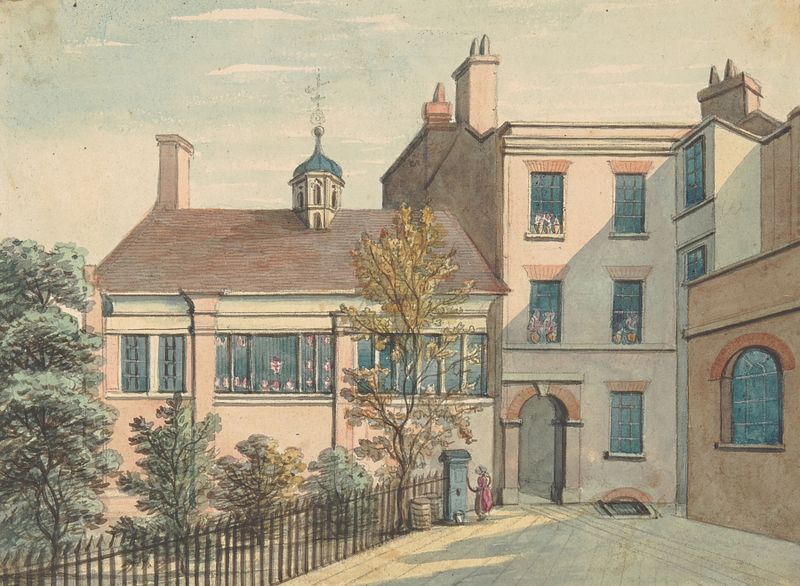
Barnard’s Inn
Samuel Ireland

Lincoln’s Inn Hall and Chapel
Samuel Ireland

Lion’s Inn
Samuel Ireland
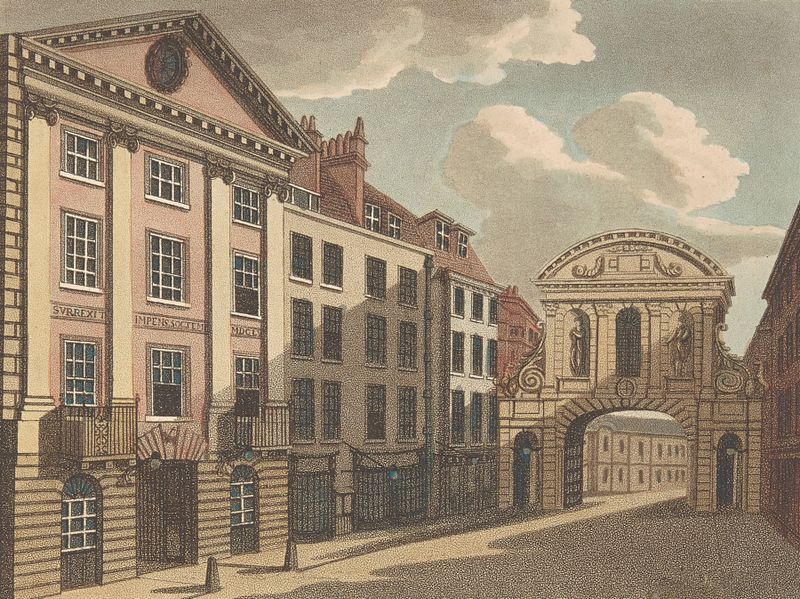
Middle Temple Gate
Samuel Ireland
Barnard’s Inn
Samuel Ireland

Westminster Hall
Samuel Ireland
Lincoln’s Inn Gate
Samuel Ireland





