
Garden in Bystra — History & Facts
A gentle breeze rustles the leaves, sending petals swirling in the afternoon sun. A solitary figure leans against the gate, inhaling the fragrance of blooming flowers, lost in reverie. The vibrant hues of a garden, bursting with life, create a serene backdrop against which memories flicker like shadows. Look to the left at the riot of colors in the blossoming flowers that dominate the foreground, their petals painted with strokes of crimson, cerulean, and gold.
Notice how the light cascades through the verdant leaves, casting playful shadows on the path, inviting the viewer to wander deeper into this tranquil sanctuary. The composition is a delicate balance between the flourishing flora and the quiet introspection of the figure, capturing a fleeting moment of peace and reflection. The figure's posture suggests a connection to the garden, both physically and emotionally. This scene speaks of nostalgia, evoking the bittersweet nature of memory, as the lush surroundings may represent moments long past, yet vividly felt.
The juxtaposition of the vibrant life of the garden with the stillness of the person paints a poignant picture of solitude amidst abundance, hinting at a story of longing and remembrance. Julian Falat painted Garden in Bystra in 1909 while living in Poland, capturing a time when the artist was increasingly drawn to representing nature’s beauty in his works. This period marked a shift in his career, as he embraced the Impressionist style, influenced by the changing landscape of art in Europe. The painting embodies his focus on light and color, reflecting both a personal connection to the serene environment and a broader cultural appreciation for the natural world during the early 20th century.
More Artworks by Julian Falat
Browse all →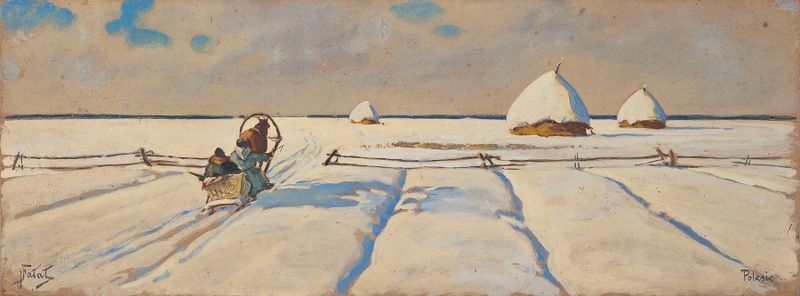
Sleigh in a snowy field – Polesia
Julian Falat
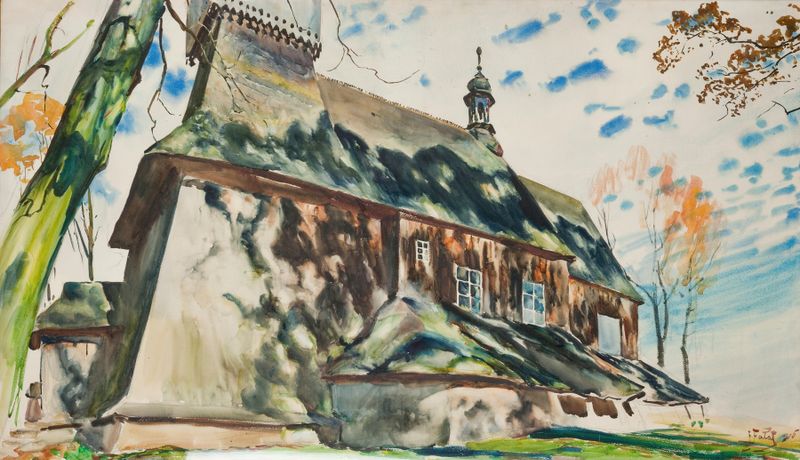
Church in Osiek
Julian Falat
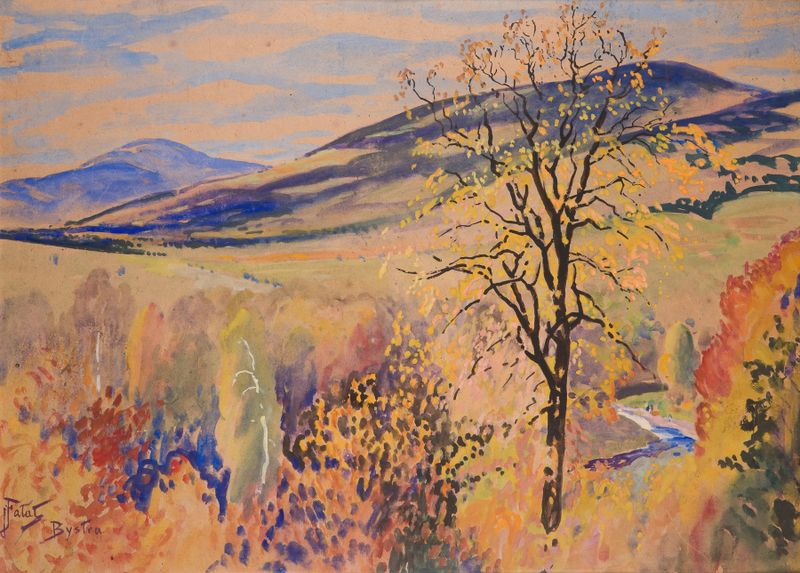
Pejzaż jesienny z Bystrej
Julian Falat
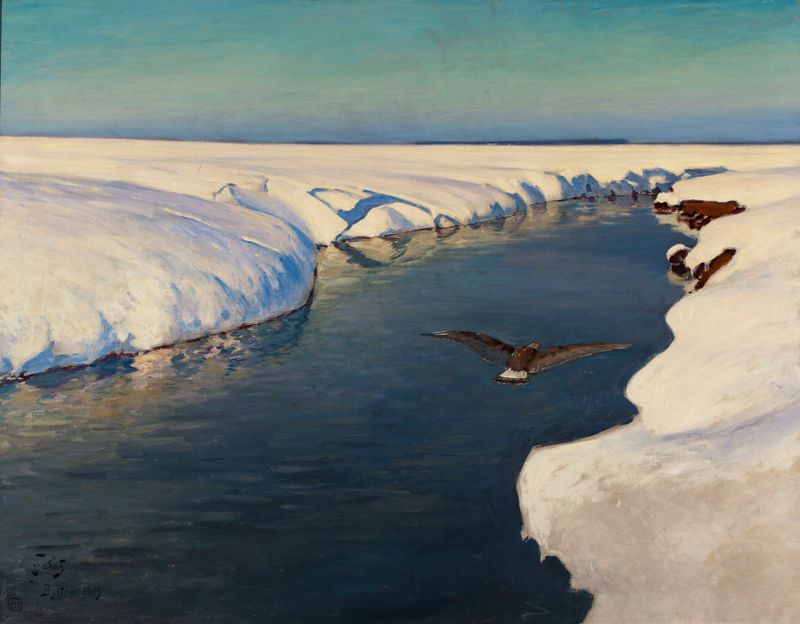
Winter landscape with a river and a bird
Julian Falat
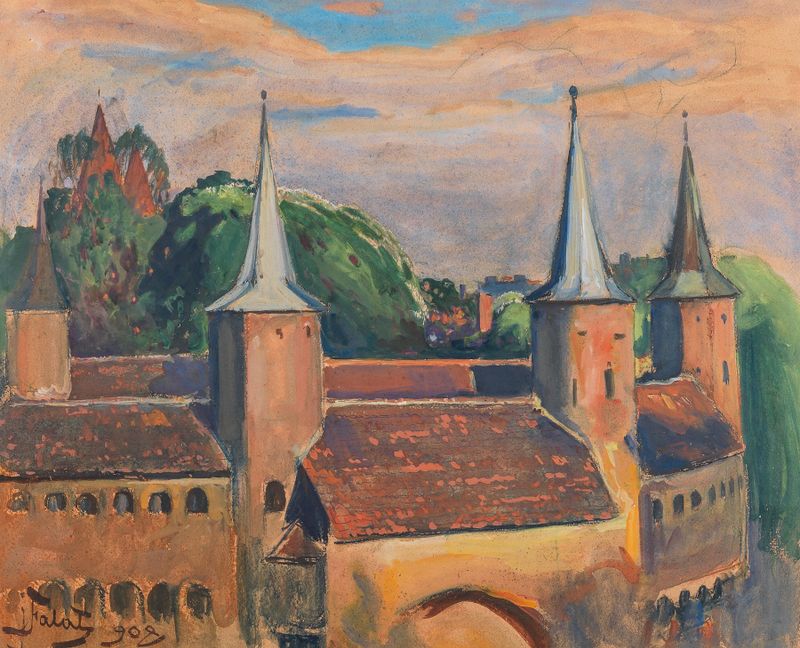
The Kraków Barbican
Julian Falat
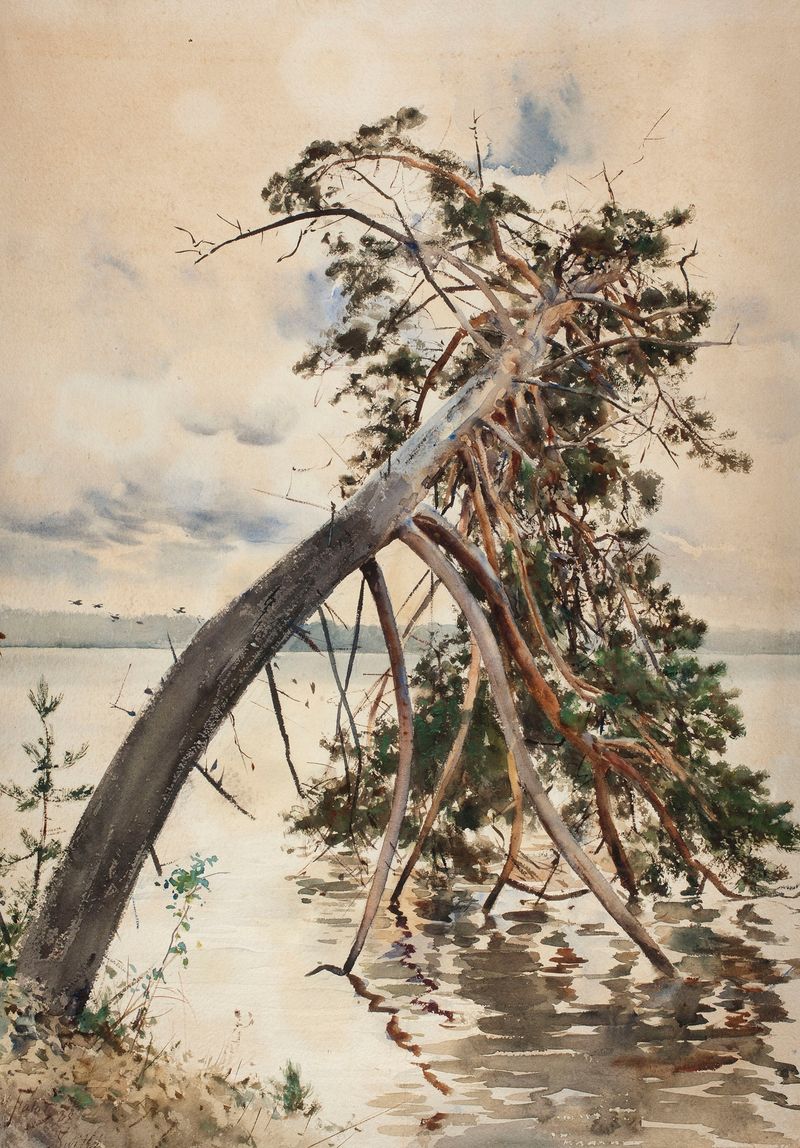
Świteź
Julian Falat
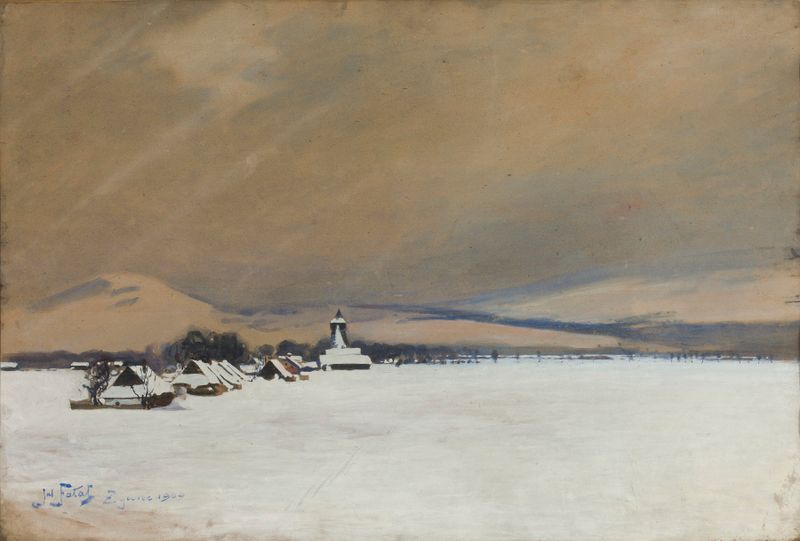
Winter landscape from Żywiec
Julian Falat
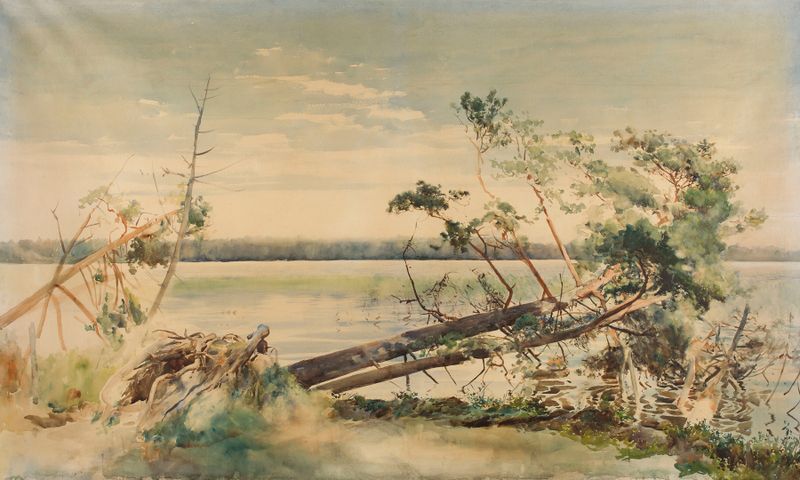
Świteź
Julian Falat
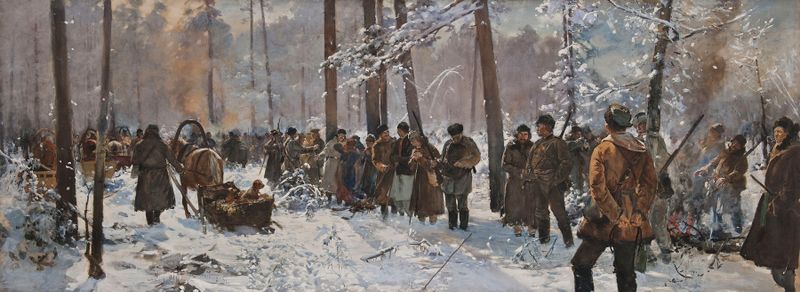
Battue at a hunt in Nieśwież
Julian Falat
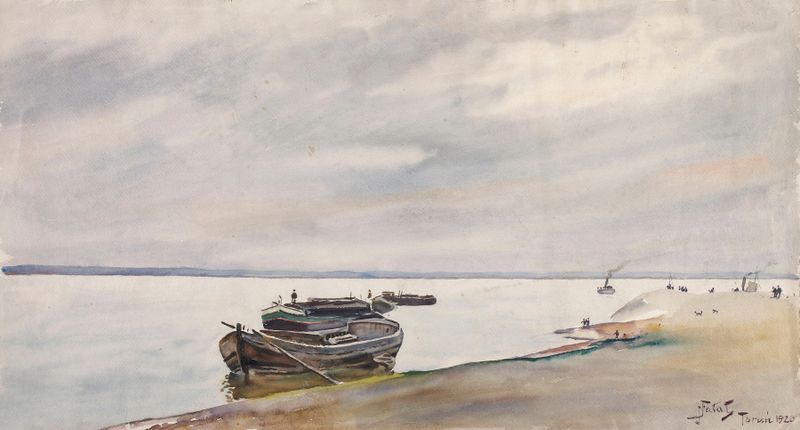
Boats and steamship on the Vistula near Toruń
Julian Falat





