
Gate of Tangiers — History & Facts
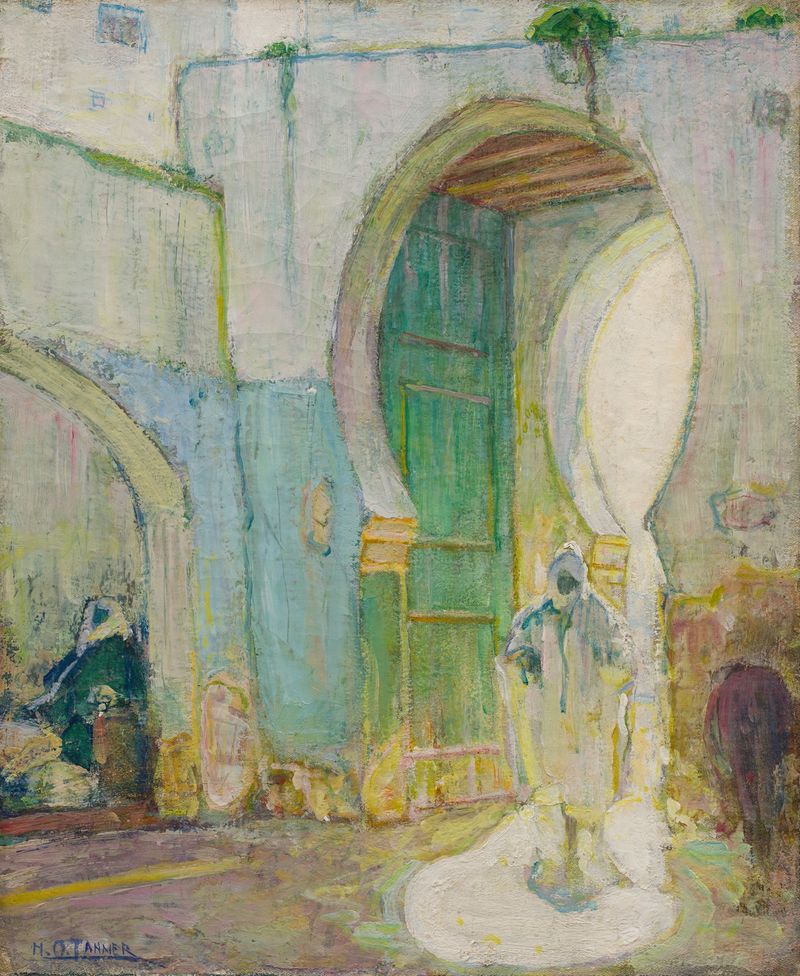
Can paint confess what words never could? In Gate of Tangiers, fear hangs palpably in the air, cloaked in the uncertainty of what lies beyond the ornate archway. Look to the left at the intricate details of the gate, each carving telling stories of a world steeped in history and mystery. The warm, muted tones of ochre and terracotta invite you to explore further, while the cool blues and greens in the shadows suggest a lurking unease. Tanner's brushwork captivates the eye, guiding it from the vivid textures of the architecture to the figure standing hesitantly, poised on the threshold of an unknown journey. One cannot ignore the tension between the light illuminating the gateway and the darkness that obscures the distant landscape.
The solitary figure, draped in flowing garments, is both a symbol of hope and a harbinger of apprehension, caught in the moment of decision. The contrasting colors evoke a sense of duality—exploration versus uncertainty—revealing the artist's understanding of the human condition. Painted in 1910 during his time in Paris, Tanner was influenced by both his African American heritage and the artistic movements of the era. This work emerged amid a burgeoning interest in exoticism and cultural identity, reflecting Tanner's own journey as an artist striving to transcend boundaries.
In Gate of Tangiers, he encapsulates the complex emotions surrounding migration and belonging, mirroring the fears and hopes of many during a time of change.
More Artworks by Henry Ossawa Tanner
Browse all →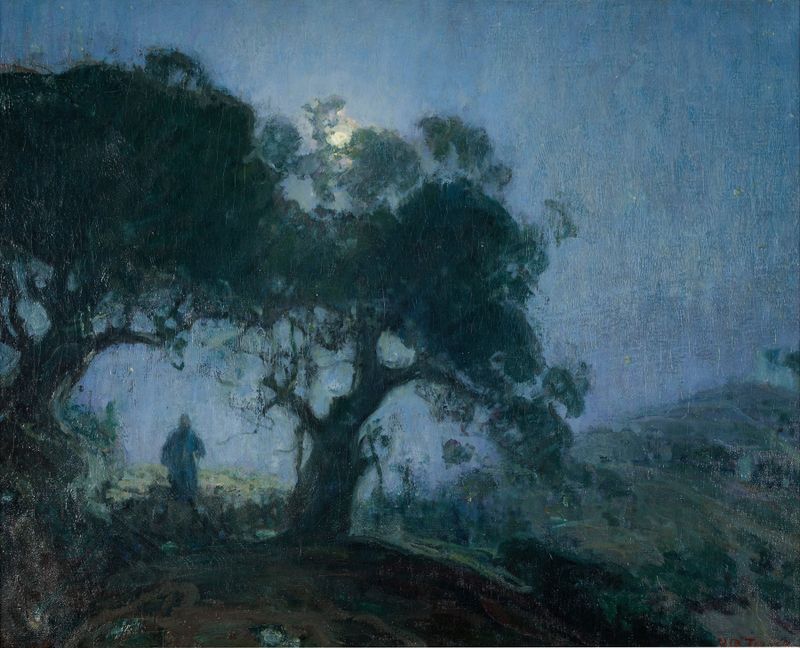
The Good Shepherd
Henry Ossawa Tanner
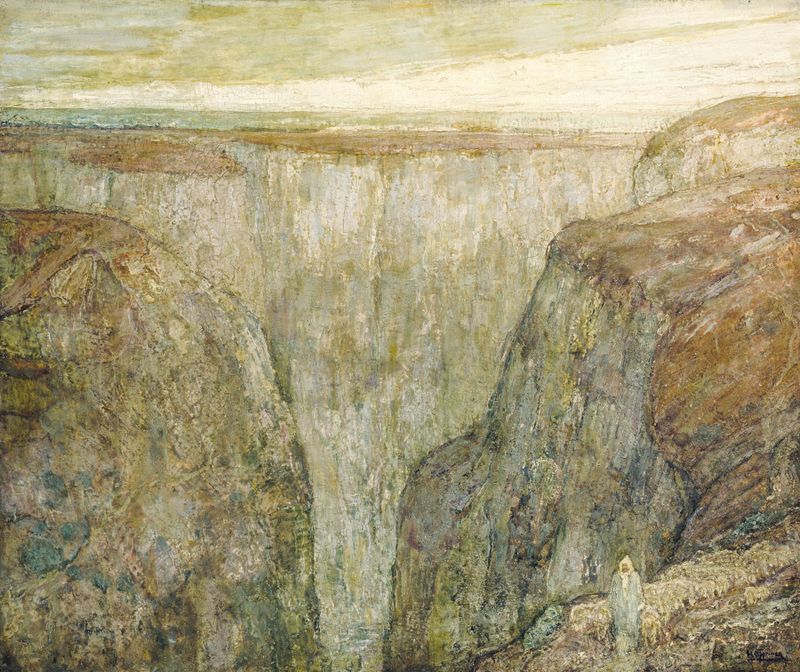
The Good Shepherd (Atlas Mountains, Morocco)
Henry Ossawa Tanner
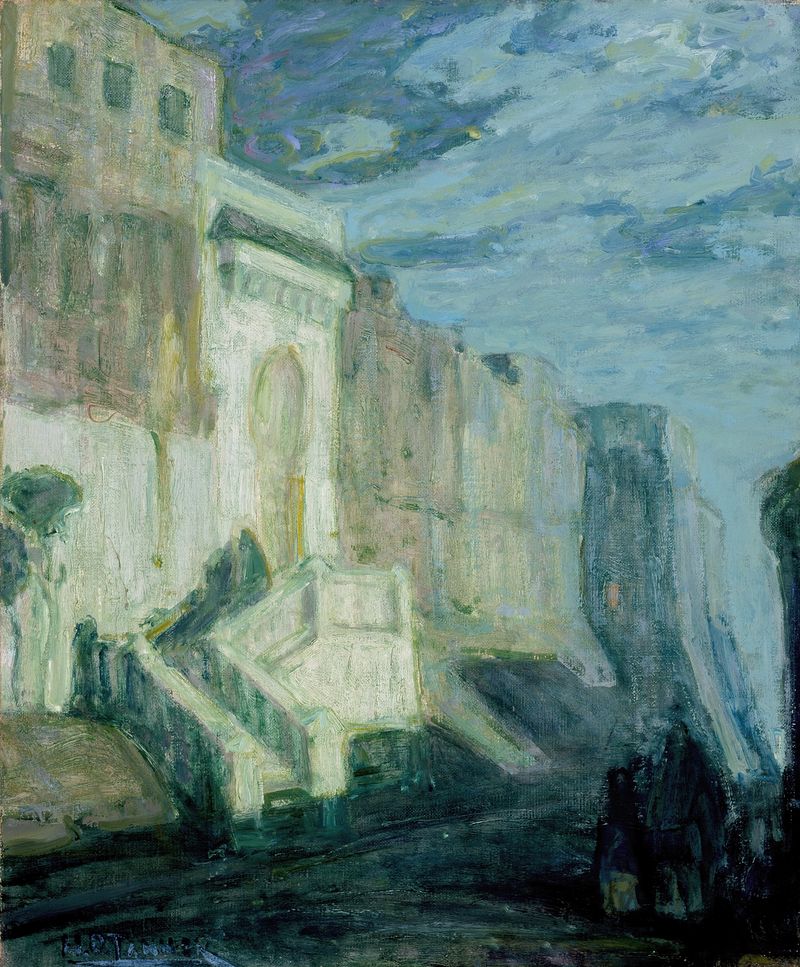
Moonlight; Walls of Tangiers
Henry Ossawa Tanner
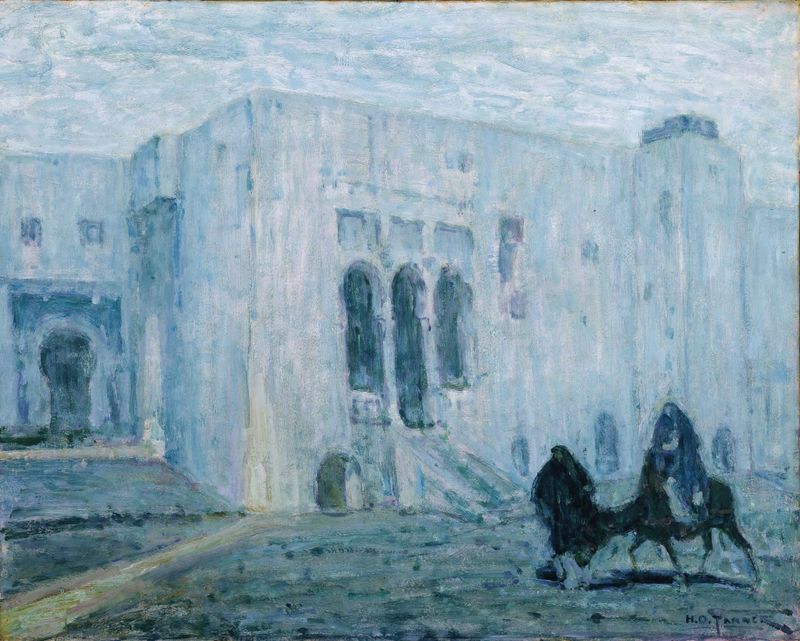
Palace of Justice, Tangier
Henry Ossawa Tanner
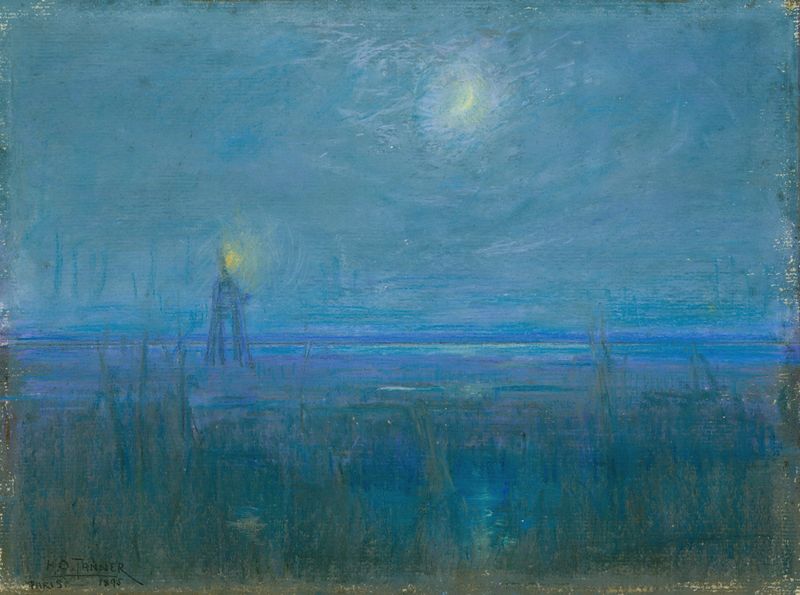
Marshes In New Jersey
Henry Ossawa Tanner
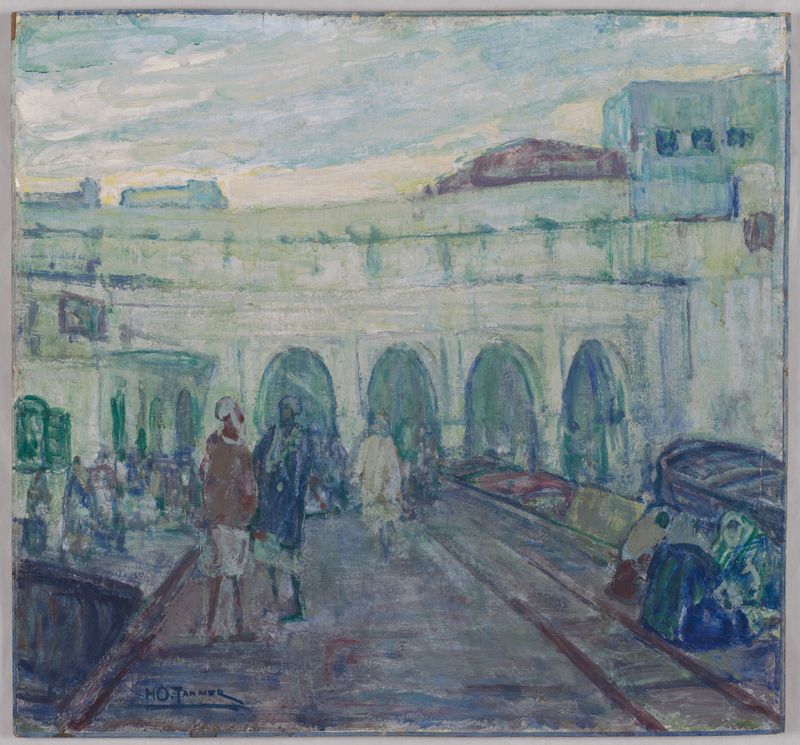
Port of Tangiers (Entrance to the Customs House)
Henry Ossawa Tanner
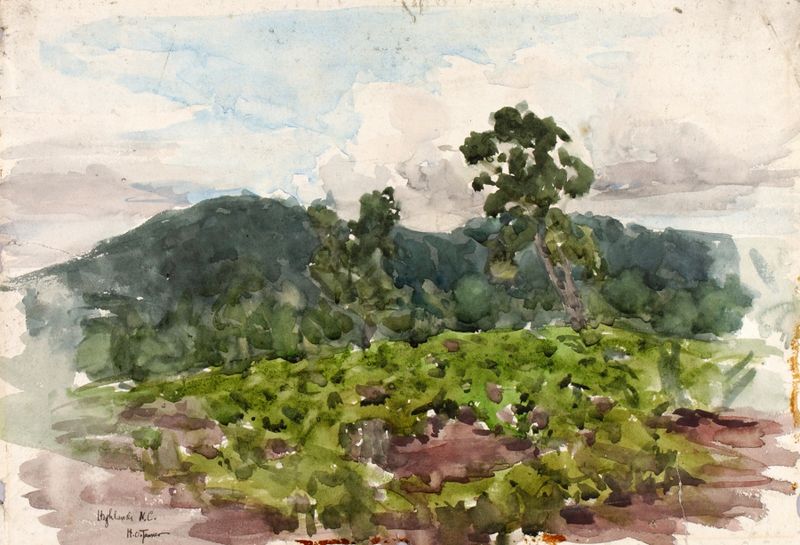
Highlands, N.C.
Henry Ossawa Tanner
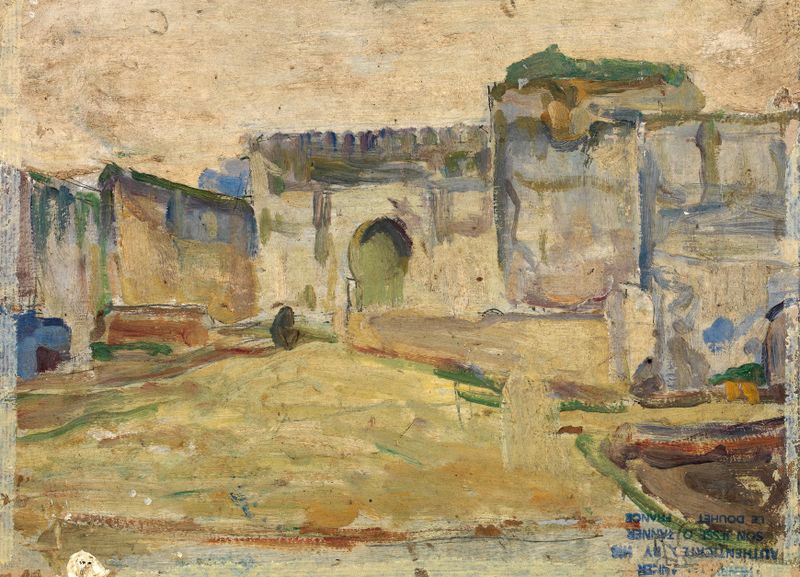
Street Scene, Tangier (Crenelated Architecture)
Henry Ossawa Tanner
Gateway, Tangier
Henry Ossawa Tanner
Kansas City, Kansas
Henry Ossawa Tanner
More Architecture Art
Browse all →
The statue of Liberty
Frédéric Auguste Bartholdi

View of Houses in Delft, Known as ‘The Little Street’
Johannes Vermeer

View of Houses in Delft, Known as ‘The Little Street’
Johannes Vermeer

The Cathedral in Rouen. The portal, Grey Weather
Claude Monet

The yellow house
Vincent van Gogh

The Church in Auvers-sur-Oise, View from the Chevet
Vincent van Gogh