
Gateway, Tangier — History & Facts
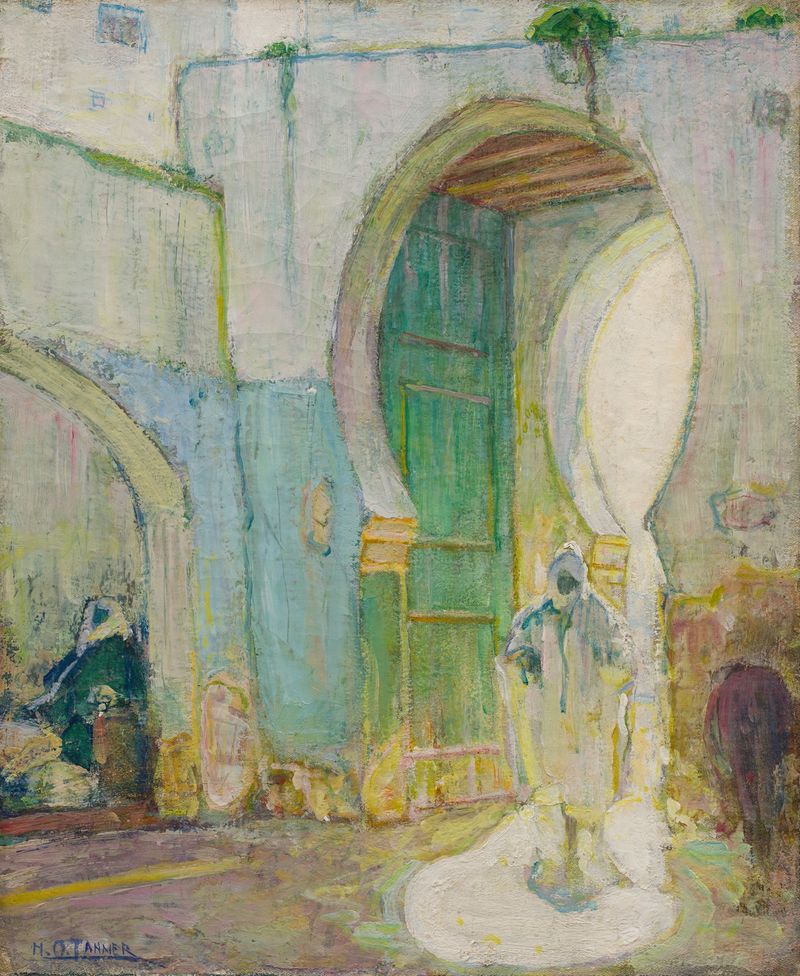
In Gateway, Tangier, the interplay of light and shadow unveils a world where legacy dances between suffering and hope. The striking contrast of the vibrant colors invites viewers to contemplate the life experiences embedded within the artwork. Look closely to the right at the ornate archway, its intricate patterns shimmering with warmth. Notice how the golden light cascades through the opening, illuminating the textured walls that seem to whisper stories of a bygone era.
The deep blues and earthy tones create a dialogue of tranquility and tension, inviting exploration into the unseen spaces beyond the threshold. The painting reveals deeper emotional currents through the juxtaposition of brightness and the looming shadows. The brightness of the arch—symbolizing opportunity—stands in stark contrast to the dimness surrounding it, suggesting the struggles faced in striving toward a brighter future. Each brushstroke conveys not just a scene but a deeper narrative of cultural intersections, reflecting Tanner's own journey as an African American artist navigating a complex legacy. In 1910, Tanner painted this work while living in France, far from his home in the United States, where racial tensions were high.
He was an established figure in the art world, yet constantly grappling with his identity and heritage. This period marked a time of personal reflection and artistic evolution for him, allowing Tanner to explore themes that transcended geographical boundaries—ultimately capturing both the beauty and pain associated with cultural legacies.
More Artworks by Henry Ossawa Tanner
Browse all →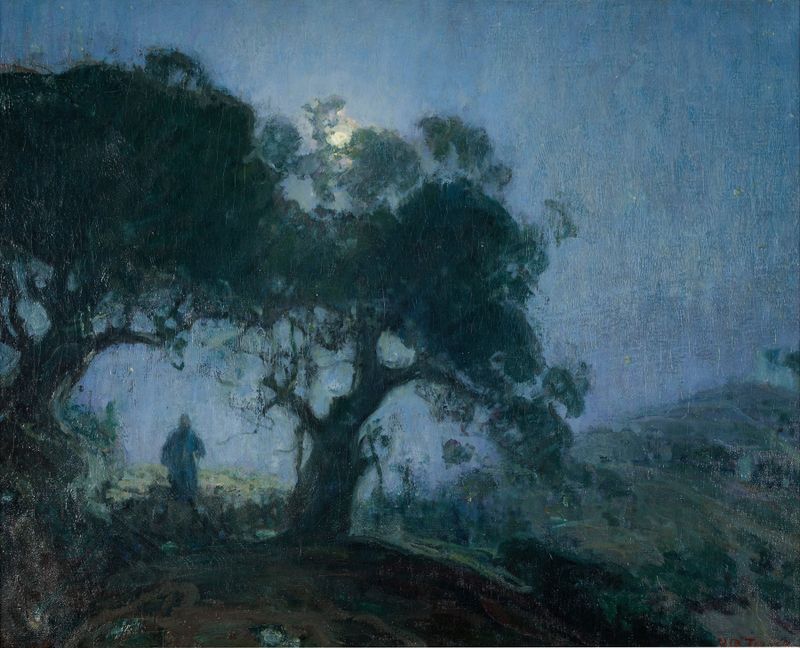
The Good Shepherd
Henry Ossawa Tanner
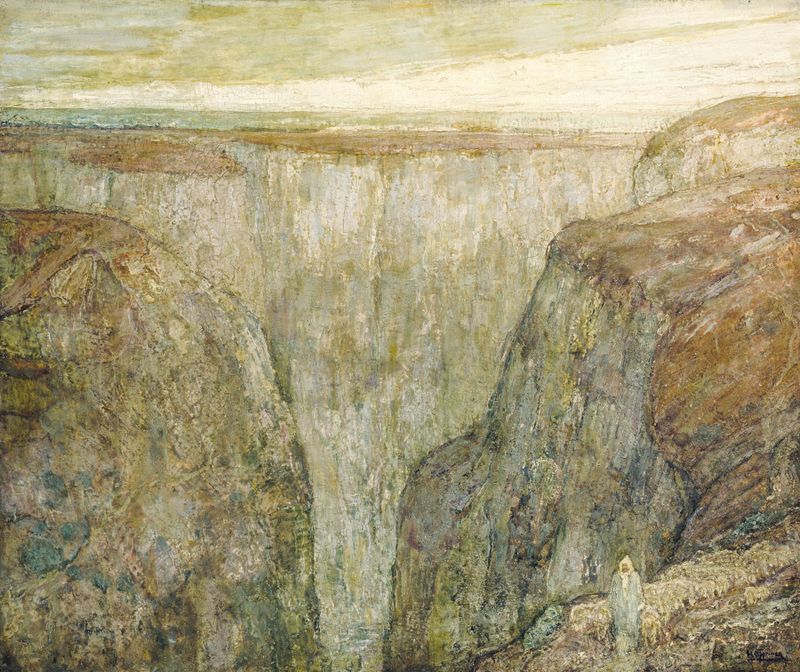
The Good Shepherd (Atlas Mountains, Morocco)
Henry Ossawa Tanner
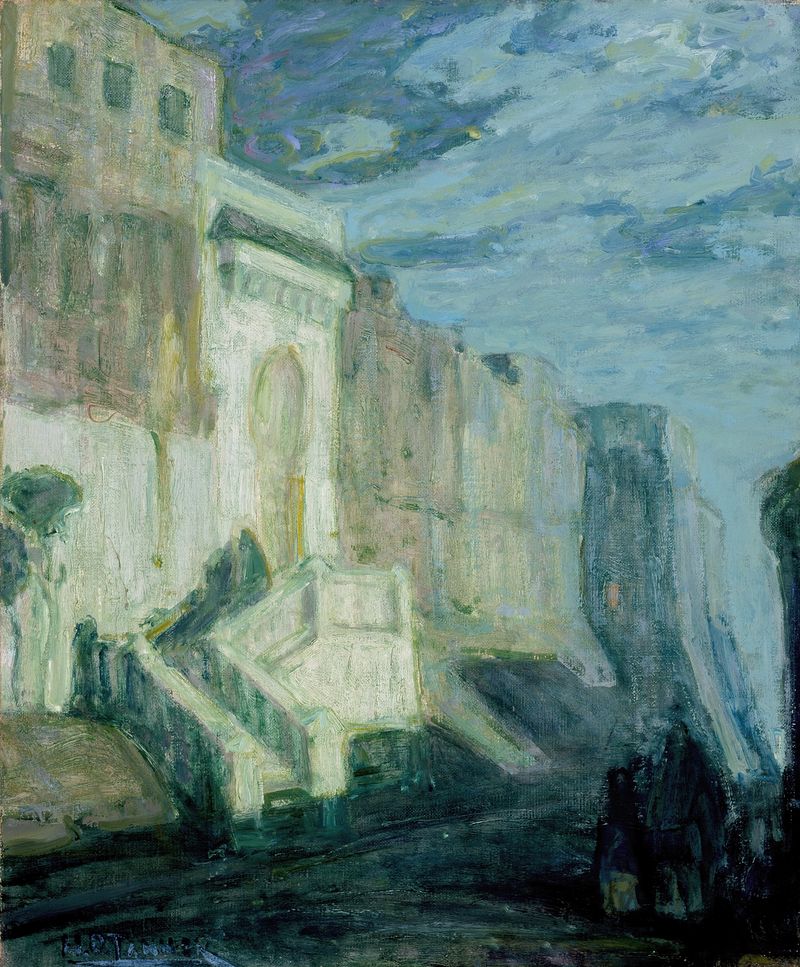
Moonlight; Walls of Tangiers
Henry Ossawa Tanner
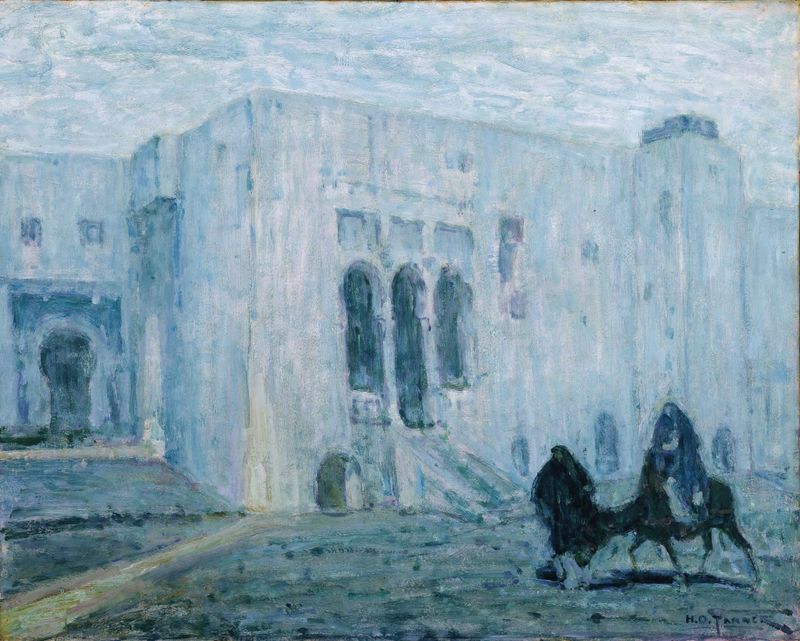
Palace of Justice, Tangier
Henry Ossawa Tanner
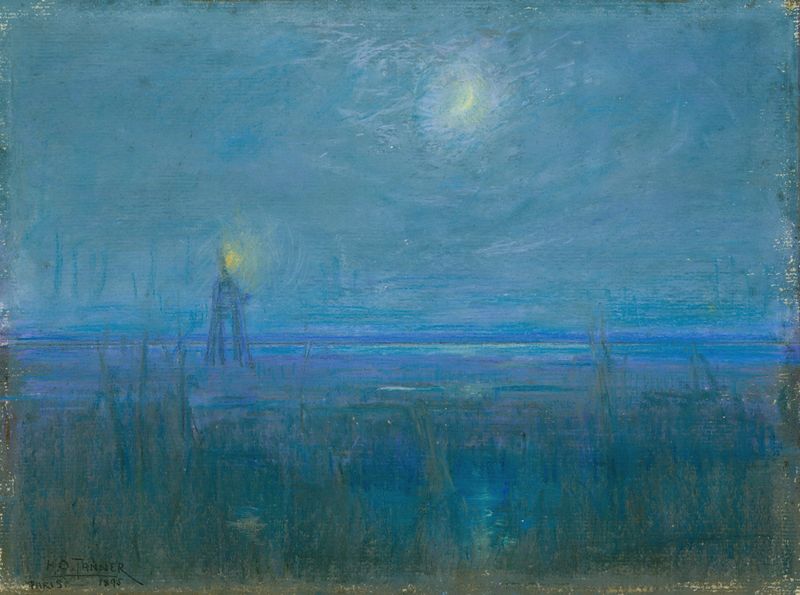
Marshes In New Jersey
Henry Ossawa Tanner
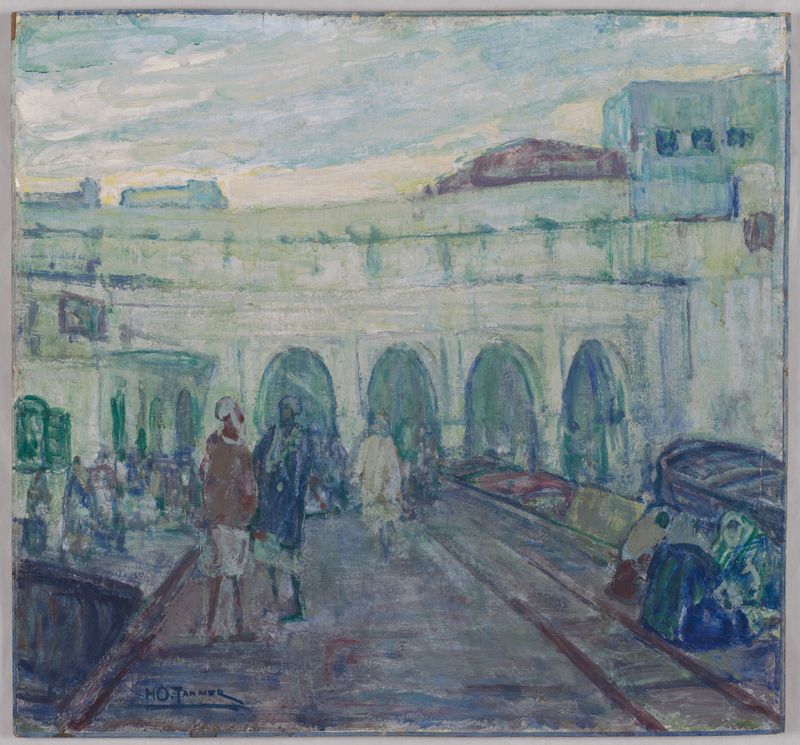
Port of Tangiers (Entrance to the Customs House)
Henry Ossawa Tanner
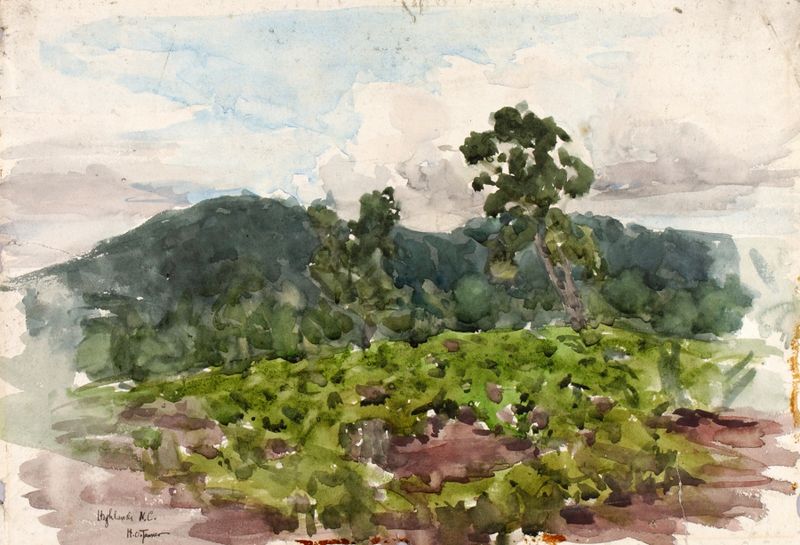
Highlands, N.C.
Henry Ossawa Tanner
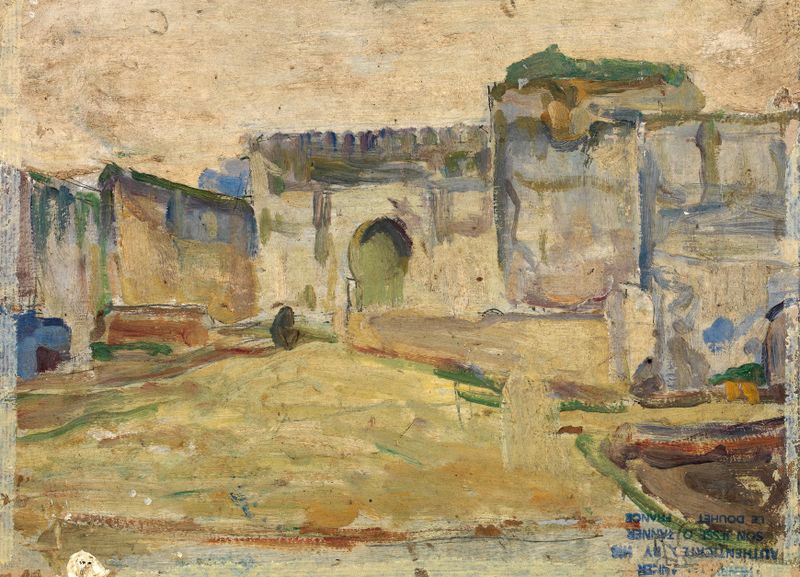
Street Scene, Tangier (Crenelated Architecture)
Henry Ossawa Tanner
Gateway, Tangier
Henry Ossawa Tanner
Kansas City, Kansas
Henry Ossawa Tanner
More Architecture Art
Browse all →
The statue of Liberty
Frédéric Auguste Bartholdi

View of Houses in Delft, Known as ‘The Little Street’
Johannes Vermeer

View of Houses in Delft, Known as ‘The Little Street’
Johannes Vermeer

The Cathedral in Rouen. The portal, Grey Weather
Claude Monet

The yellow house
Vincent van Gogh

The Church in Auvers-sur-Oise, View from the Chevet
Vincent van Gogh