
Gaza — History & Facts
Did the painter know this moment would outlive them? Shot through time, the echoes of creation breathe life into Gaza, a canvas that speaks to the resilience of culture and history against the relentless march of time. Look to the left at the warm golden hue illuminating the ancient stone architecture, inviting viewers to journey into the heart of the city. The buildings rise majestically, their weathered surfaces etched with the stories of countless lives. Notice the rich blues and greens woven into the palette, hinting at the vibrancy of the Mediterranean landscape, juxtaposed against the starkness of the stone.
The composition’s layered textures create depth, drawing you into the bustling streets that seem to hum with unspoken narratives. Beneath the apparent stillness lies a complex tension between past and present. The juxtaposition of light and shadow suggests the eternal struggle of civilizations, their glories and tragedies intertwined. The figures, though small within the vastness of the scene, represent countless individuals whose lives unfold within this historical tapestry, each one a testament to the resilience of human spirit.
While the architecture stands firm, the dynamic sky captures the ephemeral nature of existence, fraught with change and continuity. In 1852, as Stroobant painted Gaza, he was immersed in a world characterized by burgeoning interest in Orientalism and historicism, reflecting Western societies’ fascination with the East. Living in Belgium, he was part of a larger narrative in European art where artists sought to capture the essence of distant lands and cultures, often romanticized through their unique perspectives. This period was pivotal, marking a time of exploration and cultural exchange that would shape narratives in art for generations to come.
More Artworks by François Stroobant
Browse all →
Interior of the church of Notre Dame du Sablon at Brussels
François Stroobant
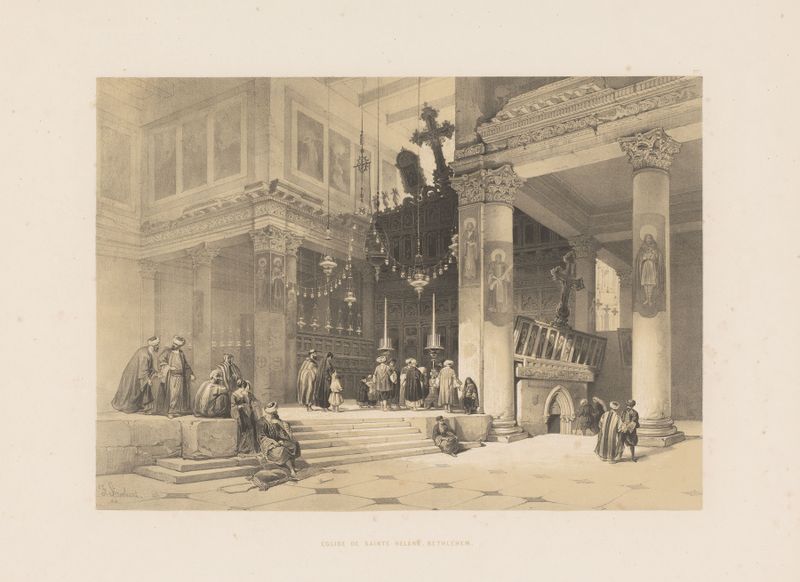
Église de sainte Hélène. Bethléhem
François Stroobant
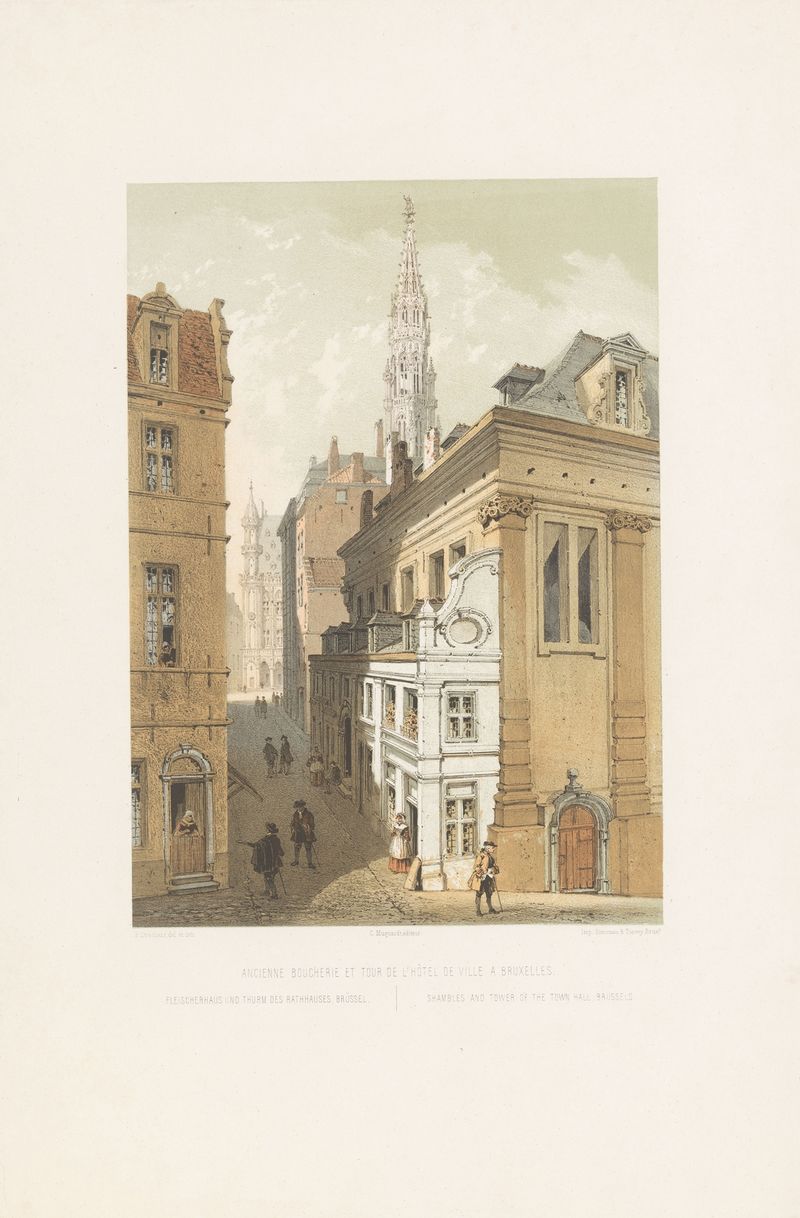
Shambles and tower of the town hall, Brussels
François Stroobant

Intérieur de l’église Grecque du Saint-Sépulcre
François Stroobant
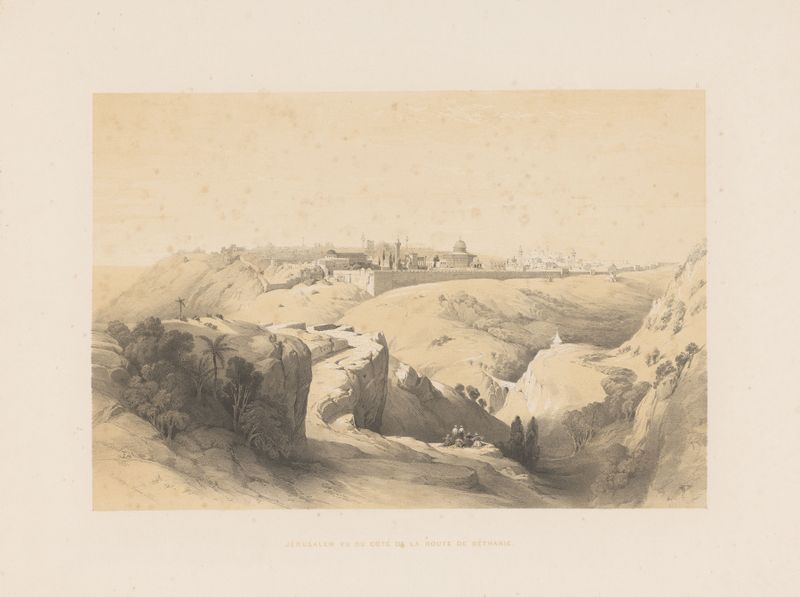
Jérusalem vu du coté de la route de Béthanie
François Stroobant

Le tabernacle du Saint-Sépulcre
François Stroobant

Town hall Brussels
François Stroobant

Fontaine de Jacob à Sichem
François Stroobant
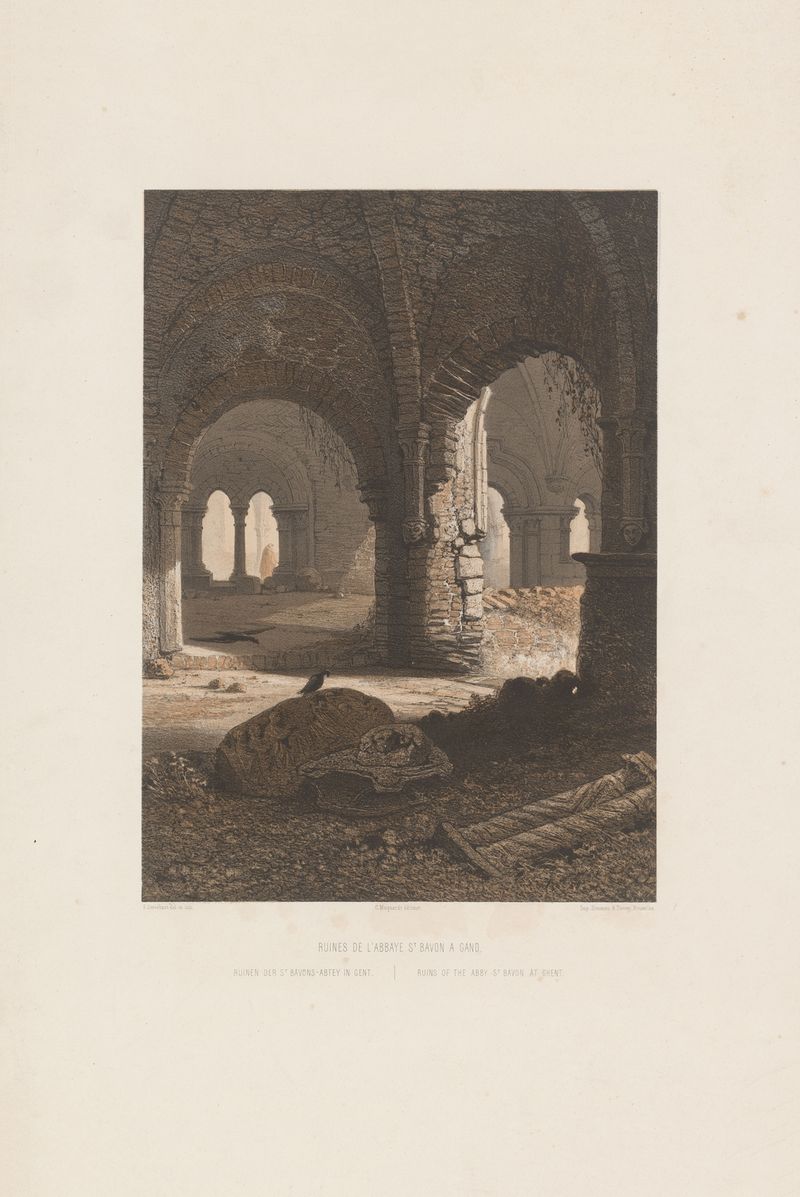
Ruins of the abby St Bavon at Ghent
François Stroobant

Vue de Naplouse
François Stroobant
More Architecture Art
Browse all →
The statue of Liberty
Frédéric Auguste Bartholdi

View of Houses in Delft, Known as ‘The Little Street’
Johannes Vermeer

View of Houses in Delft, Known as ‘The Little Street’
Johannes Vermeer

The Cathedral in Rouen. The portal, Grey Weather
Claude Monet

The yellow house
Vincent van Gogh

The Church in Auvers-sur-Oise, View from the Chevet
Vincent van Gogh