
Gebel Serbal From Above Wadi Useit, Eygpt — History & Facts
In this sweeping vista of the Egyptian landscape, a quiet melancholy saturates the scene like the dust settling at dusk, where vibrant hues wrestle with an underlying sense of loss. The vastness of the land whispers secrets of ancient stories, inviting viewers to explore the interplay of light and shadow that captures both beauty and longing. Look closely at the foreground, where soft washes of ochre and earthy tones cradle the undulating hills. Notice how the light blankets the terrain, casting gentle shadows that carve out intricate forms against the backdrop of the distant Gebel Serbal.
The palette is both muted and rich, reflecting the sun’s fading warmth, while wisps of cloud drift lazily overhead, hinting at the passage of time. Each brushstroke seems to breathe life into the landscape, creating a sense of depth that pulls the eye toward the horizon. As you absorb the scene, consider the juxtaposition of the monumental mountain and the delicate, ephemeral clouds; they embody the tension between permanence and transience. Here, Lear captures a world where nature’s grandeur stands in stark contrast to the fleeting moments of human existence.
This poignancy evokes a bittersweet sense of longing—both for the untouched beauty of the landscape and for what it represents: a history steeped in silence and solitude. In 1849, Edward Lear traveled through Egypt, a time when European fascination with the Orient was at its zenith. He painted Gebel Serbal From Above Wadi Useit during a journey marked by exploration and artistic experimentation, capturing the raw beauty of the land while reflecting his own feelings of isolation. This work emerged against a backdrop of burgeoning Romanticism in art, emphasizing nature's emotive power and the artist's inner world.
More Artworks by Edward Lear
Browse all →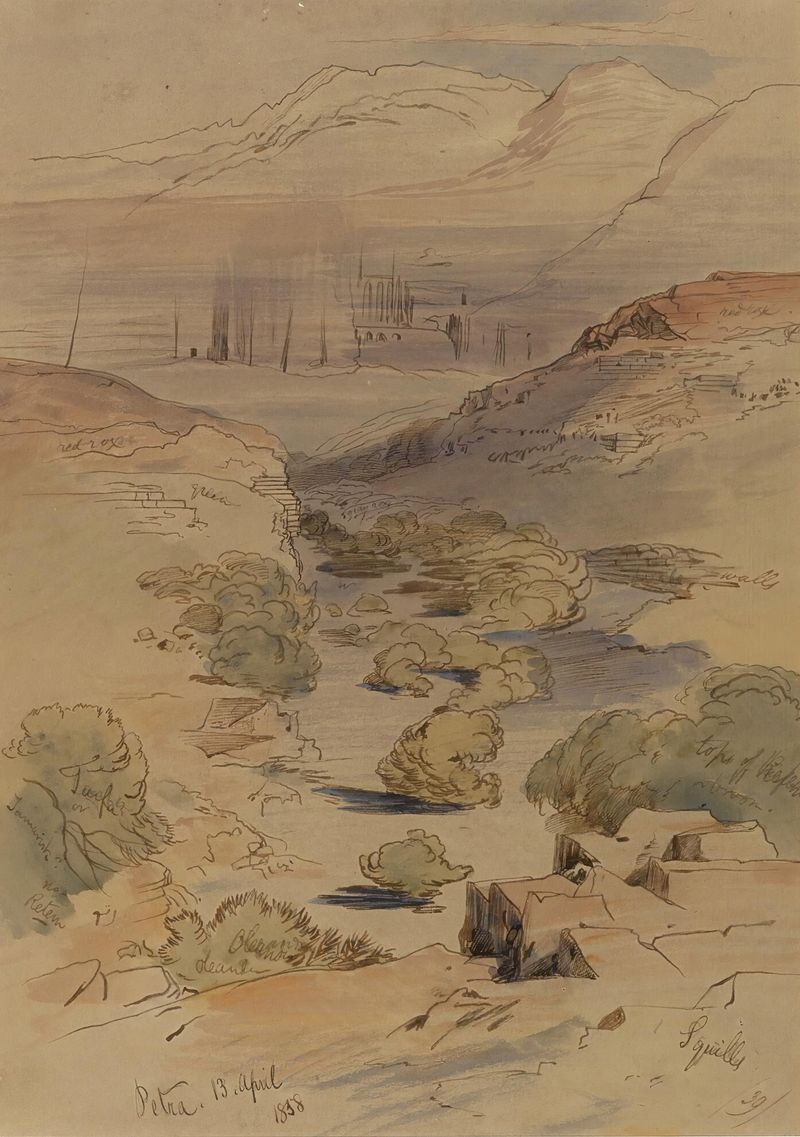
Petra
Edward Lear
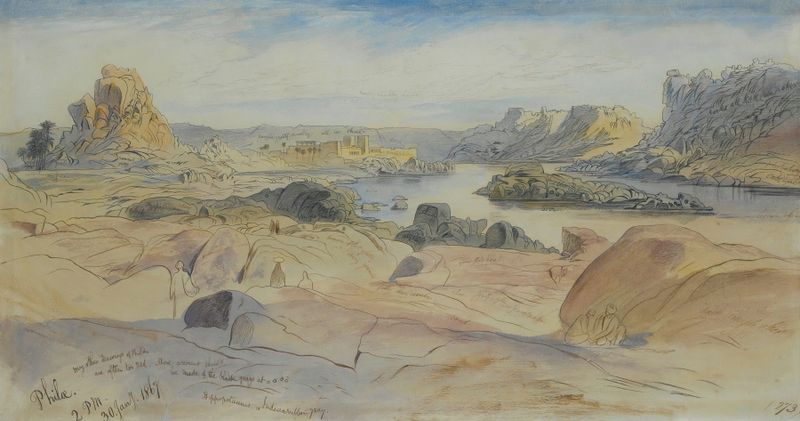
Philae, Egypt
Edward Lear
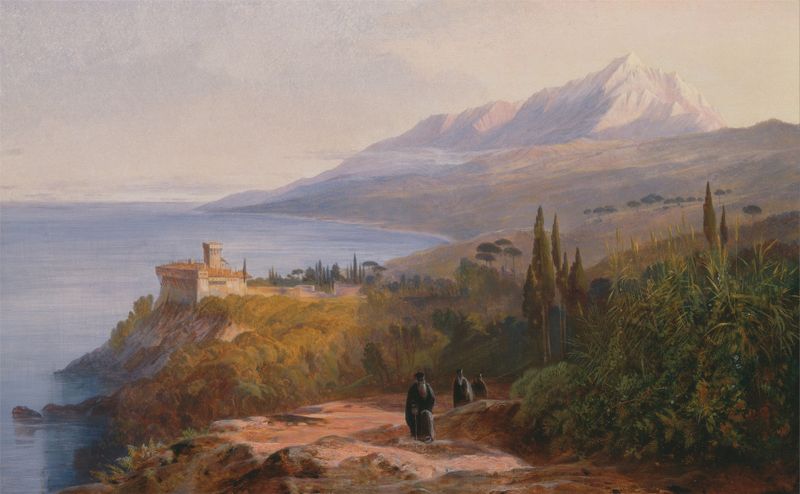
Mount Athos and the Monastery of Stavronikétes
Edward Lear
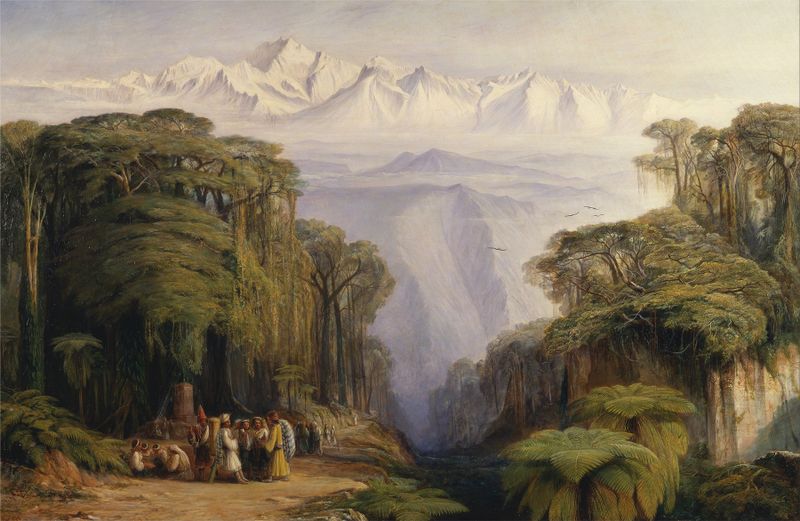
Kangchenjunga from Darjeeling
Edward Lear
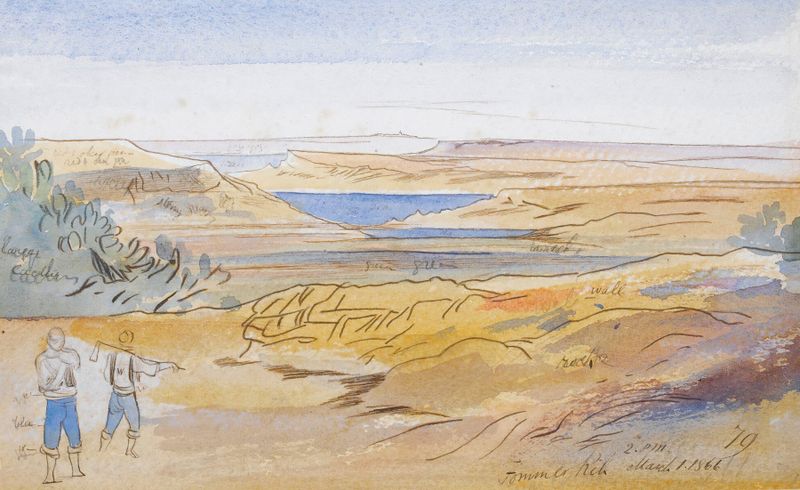
Fomm Ir-Rih, Malta
Edward Lear
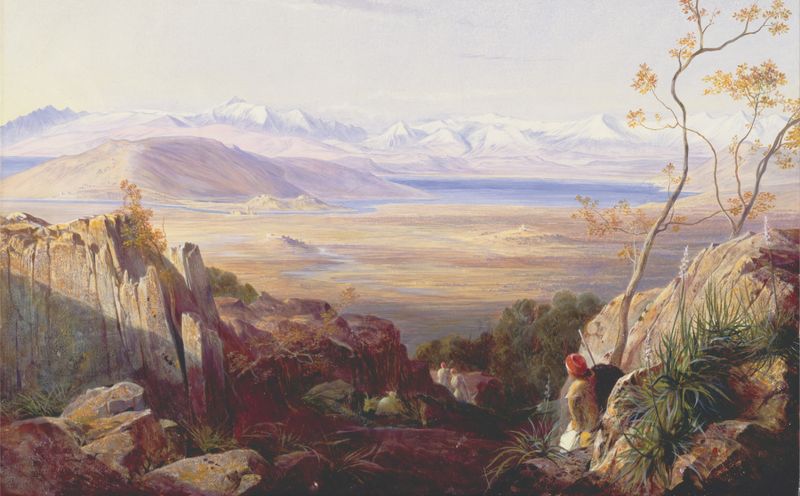
Butrinto, Albania
Edward Lear
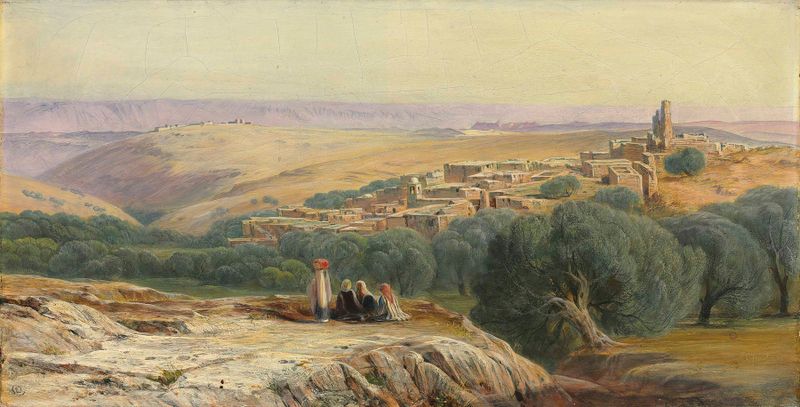
The Plains of Bethany
Edward Lear

Karnak, 9-30 pm, 22 January 1867
Edward Lear
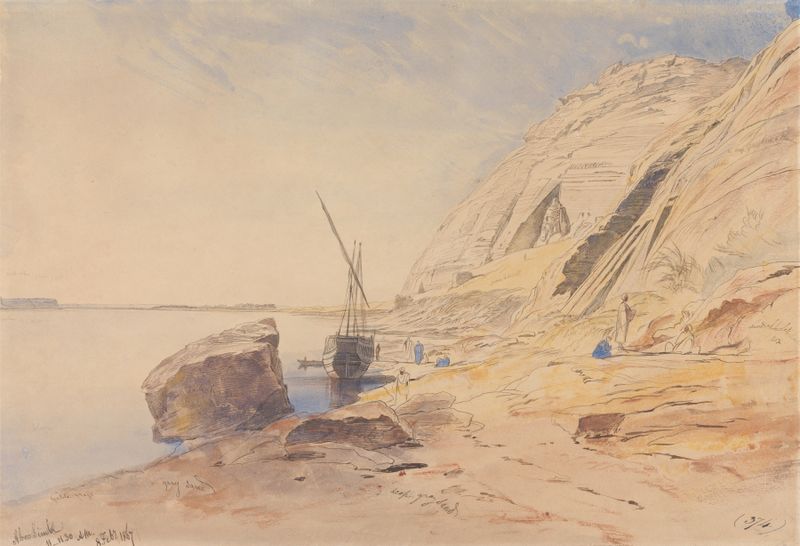
Abu Simbel, 11-11;30 am, 8 February 1867 (374)
Edward Lear

A View Of Mount Athos And The Pantokrator Monastery, Greece
Edward Lear





