
Gebirgsbach — History & Facts
Each stroke of paint whispers the fleeting nature of existence, inviting contemplation on the delicate balance between life and mortality. Begin by looking closely at the intricate interplay of blues and greens that blend seamlessly into one another. Notice how the texture of the paint evokes the fluid motion of water, creating an almost hypnotic rhythm. The artist’s meticulous attention to the details of the rocky banks frames the scene, while ethereal light cascades across the surface, shimmering like the fleeting moments of life itself. As your gaze wanders, consider the contrasts presented within the composition.
The tumultuous water, representing the chaos of nature, coexists with the serene landscape, suggesting a harmony that belies the underlying tension of mortality. Hidden in the gentle curves of the stream are reflections of the past and the inevitable passage of time, reminding us that just as the water flows, so too do our lives. Albert Rieger painted this work during a time of personal introspection, likely in the late 19th century, as he navigated the complex currents of the burgeoning Impressionist movement. Influenced by the natural landscapes around him and the changing perceptions of art, he sought to capture not only the beauty of his surroundings but also the transient essence of life itself.
This piece resonates with the spirit of an era grappling with change, both in nature and within the human experience.
More Artworks by Albert Rieger
Browse all →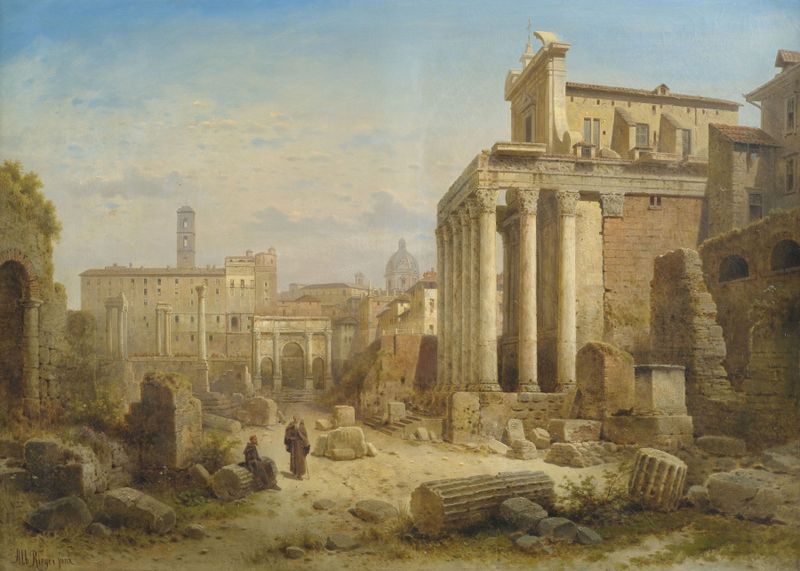
Blick auf das Forum Romanum mit dem Septimius-Severus-Bogen und dem Tempel der Faustina und des Antonius Pius
Albert Rieger

Segelschiffe Vor Venedig
Albert Rieger

The Naval Battle of Lissa
Albert Rieger

The Orient In The Evening Light
Albert Rieger
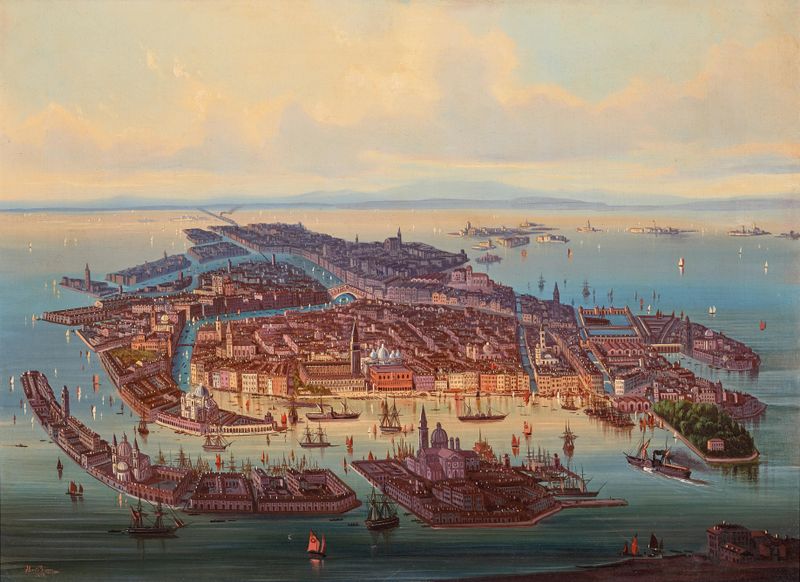
A Panoramic View Of Venice
Albert Rieger
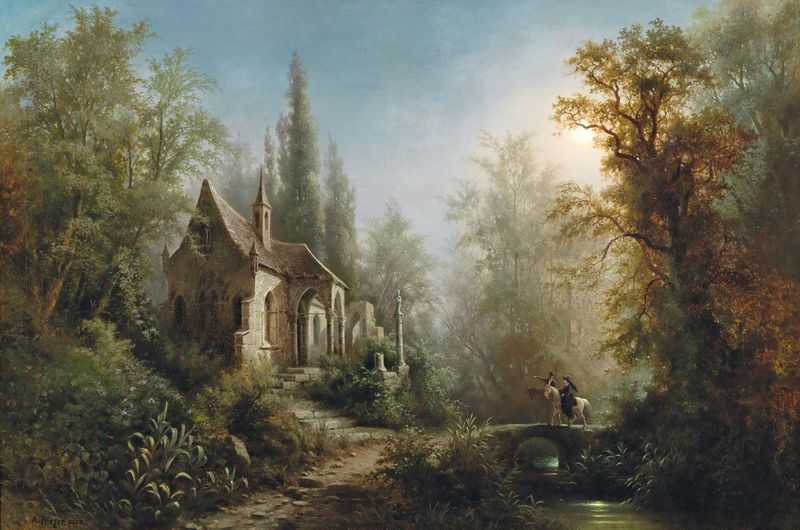
A Moonlit Night Over A Chapel And Riders
Albert Rieger
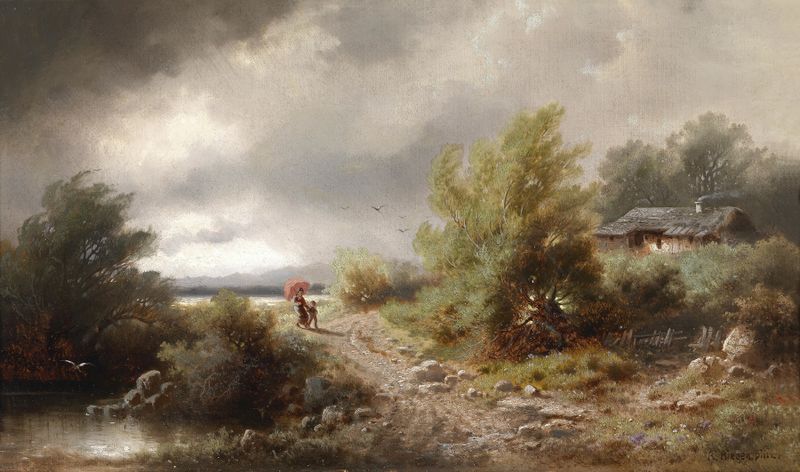
Aufziehendes Gewitter
Albert Rieger

Mountain stream
Albert Rieger
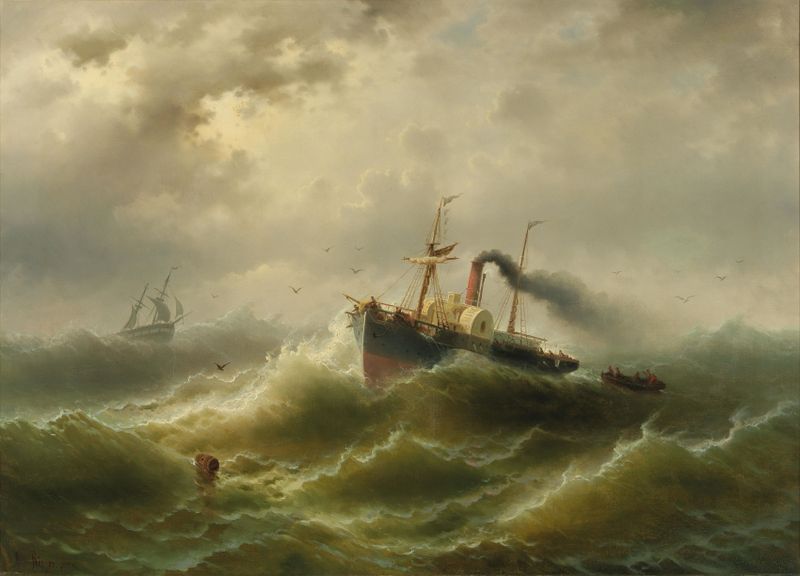
Steamboat In A Storm On The North Sea
Albert Rieger
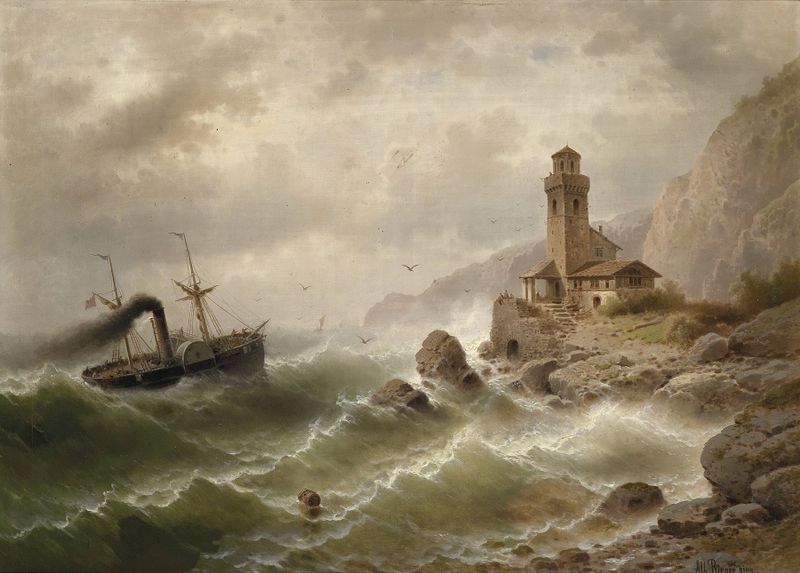
Dampfschiff vor der Küste
Albert Rieger





