
Gebirgslandschaft mit pflügendem Bauern G 303 Lenbachhaus — History & Facts
What first catches the eye in Gebirgslandschaft mit pflügendem Bauern is the sense of quiet determination that anchors the foreground, where a farmer and his sturdy team of horses carve furrows into the earth. The sweep of their movement is set against the vast, layered backdrop of the Alps, a stage of blue and green that dwarfs human effort yet seems to honor it. The farmer’s raised arm, guiding the plow and the animals, draws a diagonal that leads the viewer’s gaze from the churned soil up toward the luminous sky.
Every detail—down to the horses’ taut muscles and the farmer’s weathered clothing—serves to root this moment in the daily reality of rural labor, while the cool, clear light gives the entire scene a sense of crisp morning air and purpose. Painted in 1825, this work stands firmly within the tradition of early nineteenth-century landscape painting, when artists across Europe began to look to the countryside not just as a backdrop, but as a subject worthy of attention in its own right. In German-speaking lands, such images often carried a sense of national identity and nostalgia, reflecting both the dignity of rural life and the grandeur of the local terrain. While little is recorded about the specific history of this painting, its presence today in the Lenbachhaus collection places it among works that celebrate the intersection of human labor and nature.
The world it comes from was one in which such scenes were both familiar and rapidly changing, as industrialization began to transform the rhythms of rural existence—inviting us to linger on the details that might otherwise be swept away by time.
More Artworks by Albrecht von Adam

Peasants Resting in the Field
Albrecht von Adam
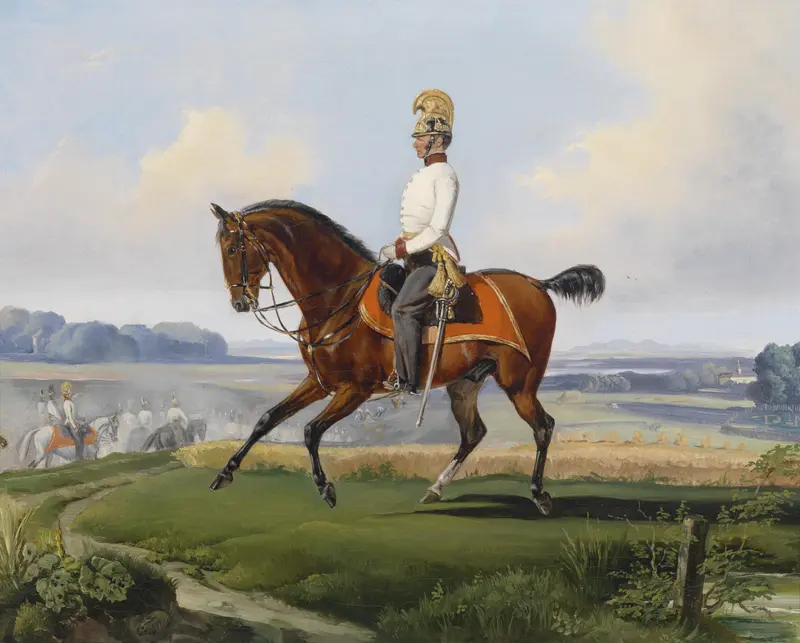
Portrait Oberleutnant Theodor von Klein zu Pferde
Albrecht von Adam
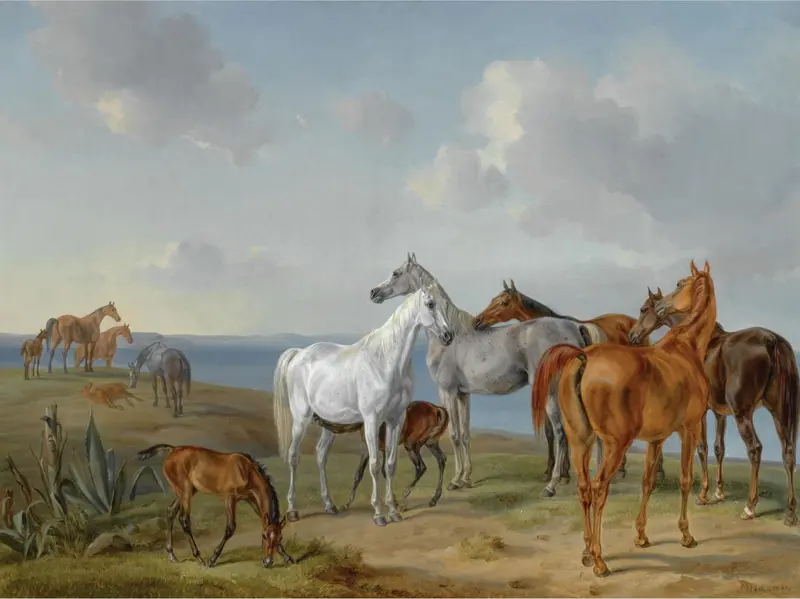
Arabian Horses at Pasture
Albrecht von Adam
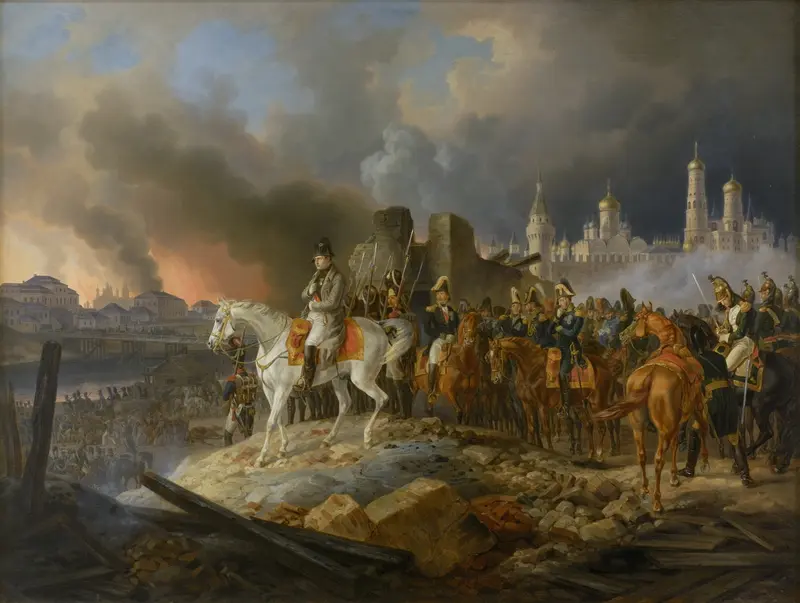
Napoleon in burning Moscow - Adam Albrecht
Albrecht von Adam
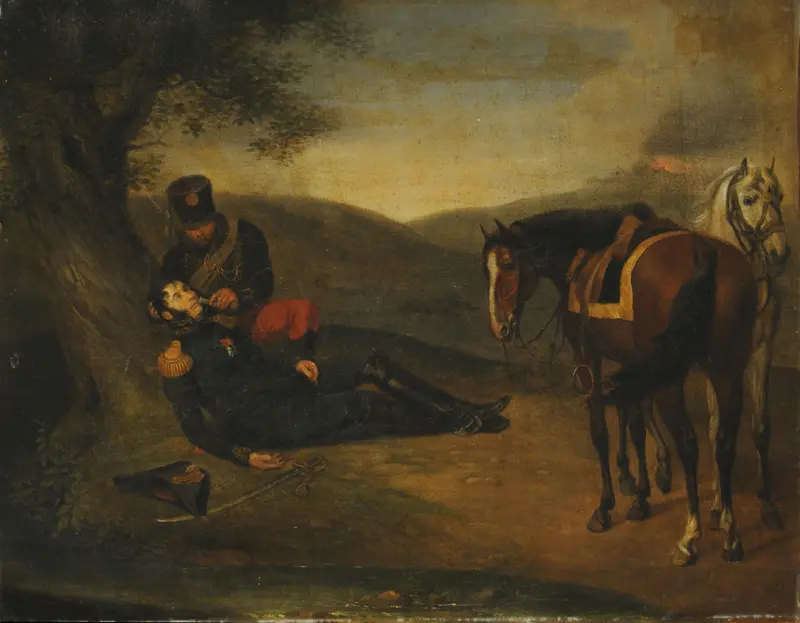
General wounded
Albrecht von Adam
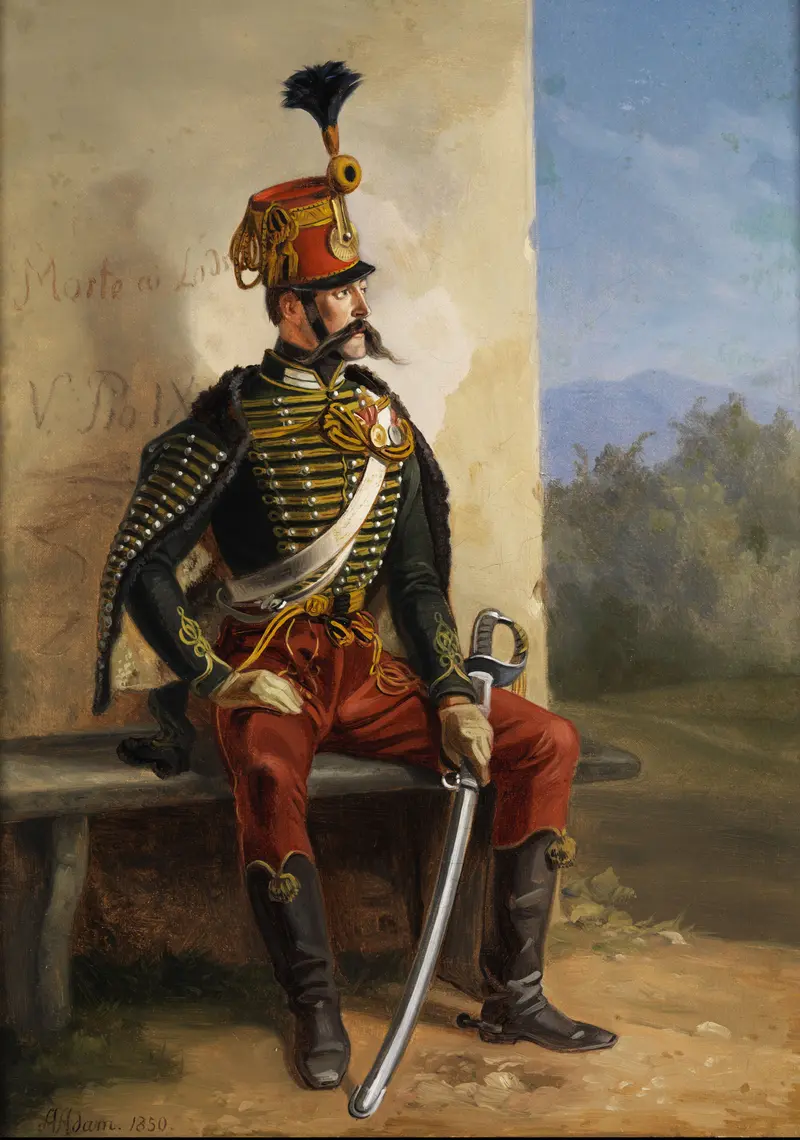
Soldat bei der Rast
Albrecht von Adam
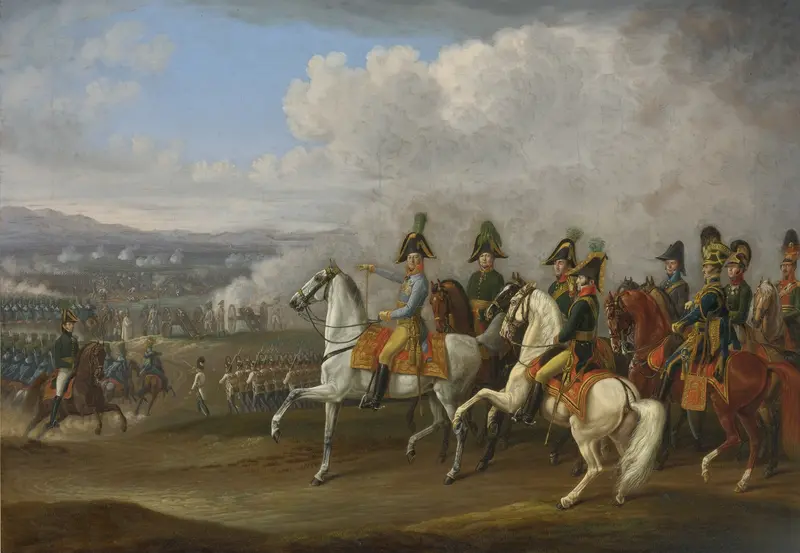
General von Bellegarde and his officers cbserving a battle
Albrecht von Adam
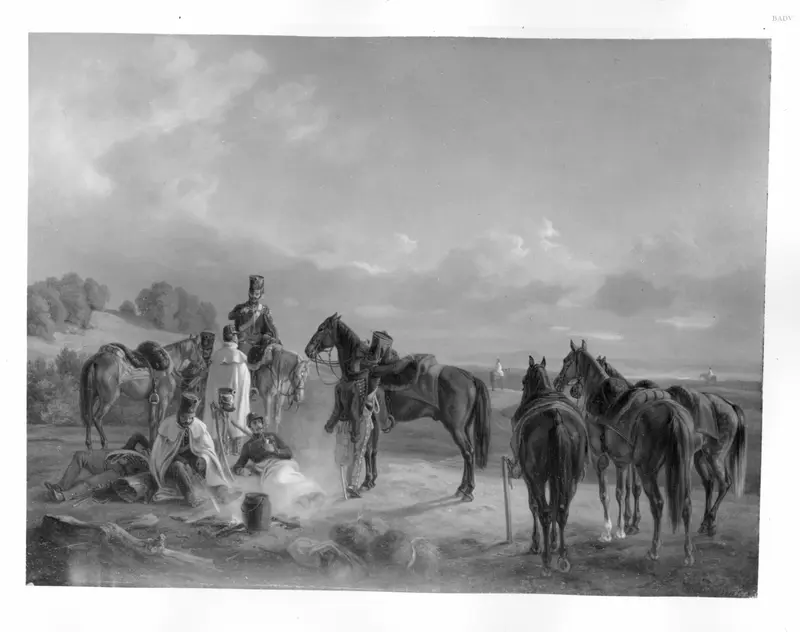
Soldaten und Pferde am Lagerfeuer 0420 Führermuseum
Albrecht von Adam
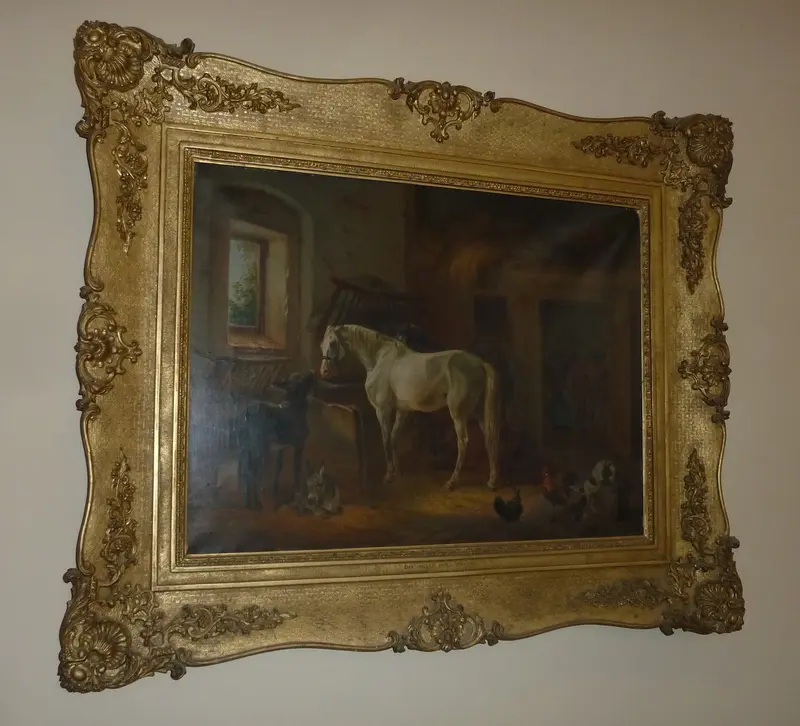
Interior of a Stable
Albrecht von Adam
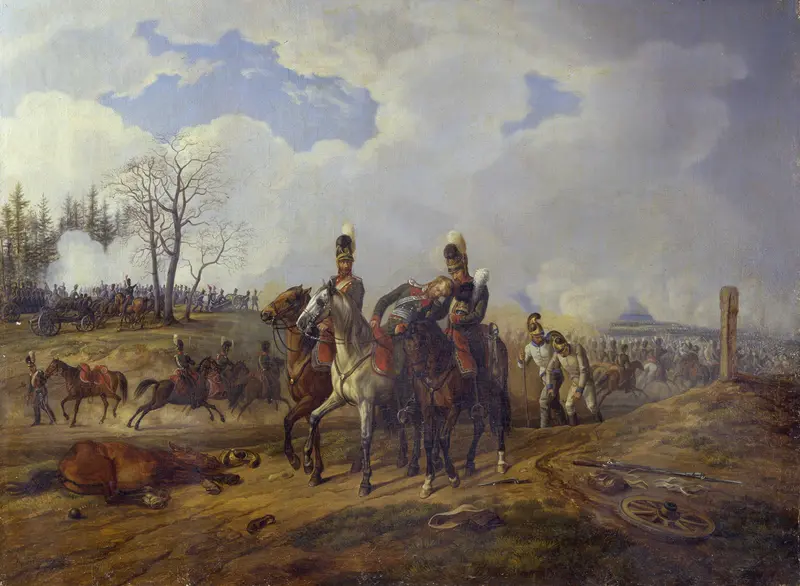
Die Schlacht bei Abensberg am 20. April 1809
Albrecht von Adam
More Landscape Art

The Starry Night
Vincent van Gogh

View of Delft
Johannes Vermeer

Water Lilies
Claude Monet

The Grand Canal, Venice, looking north-west from the Ca' Corner to the Ca' Contarini degli Scrigni, with the campanile of Santa Maria della Carità
Canaletto

Windsor Castle
Canaletto

The Grand Canal looking North-East from the Palazzo Dolfin-Manin to the Rialto Bridge
Canaletto