
Peasants Resting in the Field — History & Facts
What draws the eye first in Peasants Resting in the Field is the way a moment of pause—simple and unhurried—becomes the quiet center of the landscape. The horses, still harnessed to the plough, stand in the shadow of a gnarled oak, their bodies catching the afternoon light with a silvery sheen. The farmer, rough hands gripping a bottle, drinks deeply while a boy and a dog look on, forming a triangle of attention and care.
The plough, left askew, signals the interruption of labor, while the distant church steeple and scattered cattle anchor the scene in a real, working countryside. Every gesture and shaft of light insists on the dignity of rest, making the rural pause as worthy of painting as the toil itself. Painted in 1818, this work by Albrecht von Adam belongs to a period when scenes of rural life found new favor among collectors and viewers, reflecting both nostalgia and respect for the rhythms of the land. Oil on canvas was the chosen medium for such detailed, atmospheric compositions, allowing artists to render both the texture of the earth and the subtlety of the sky.
While little is recorded about the specific journey of this painting—now in the Dorotheum collection—its subject and date place it firmly within the broader movement that sought to honor the everyday realities of peasant existence. Look again at the meeting of man, animal, and landscape, and see how the ordinary becomes quietly monumental.
More Artworks by Albrecht von Adam
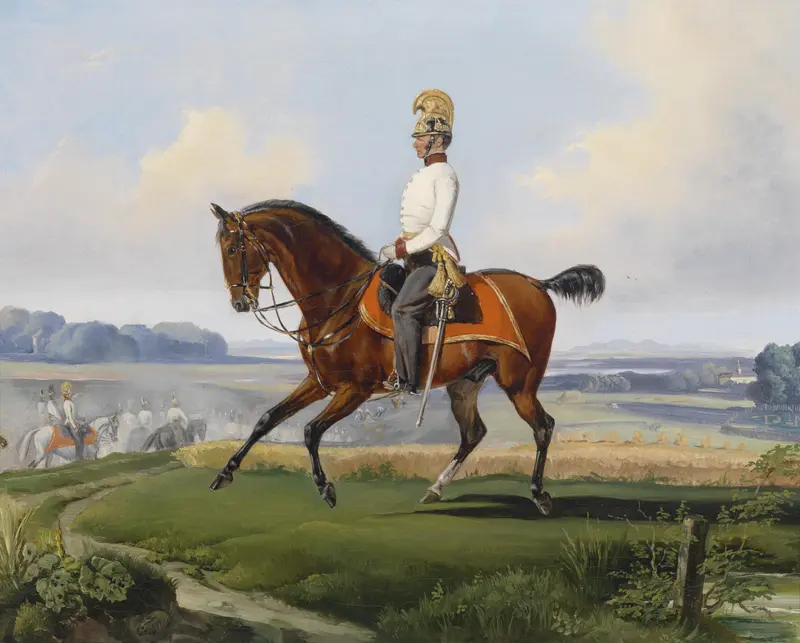
Portrait Oberleutnant Theodor von Klein zu Pferde
Albrecht von Adam
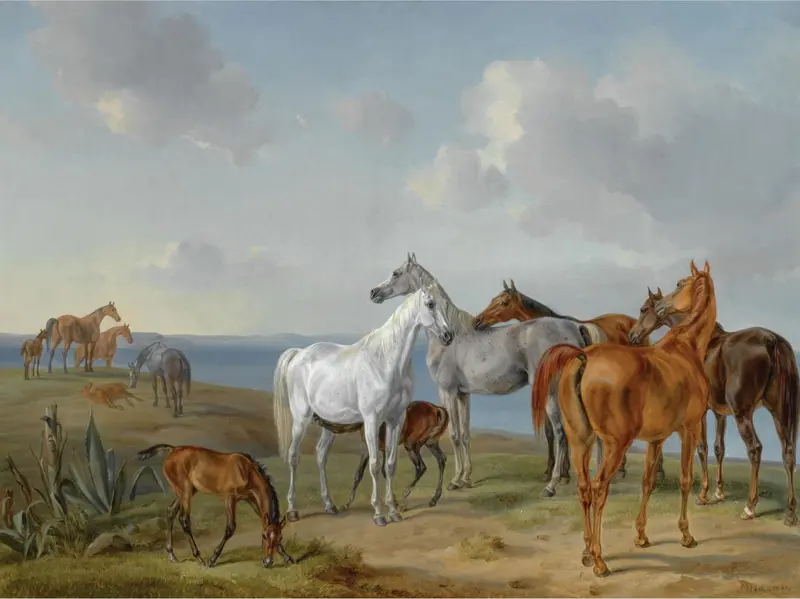
Arabian Horses at Pasture
Albrecht von Adam
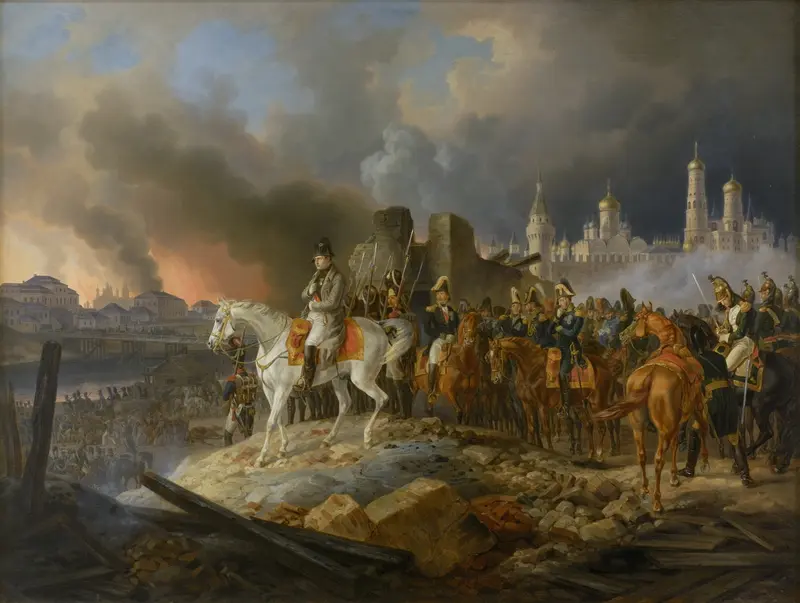
Napoleon in burning Moscow - Adam Albrecht
Albrecht von Adam
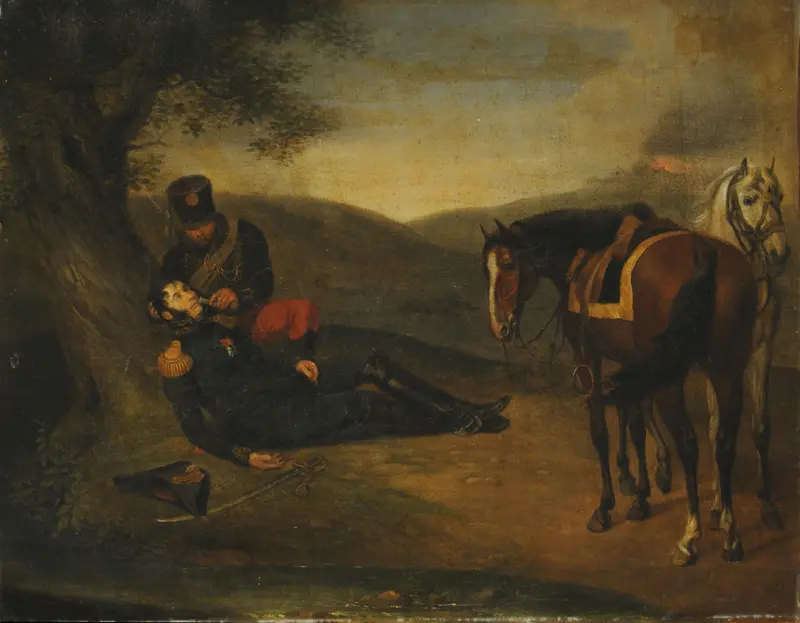
General wounded
Albrecht von Adam
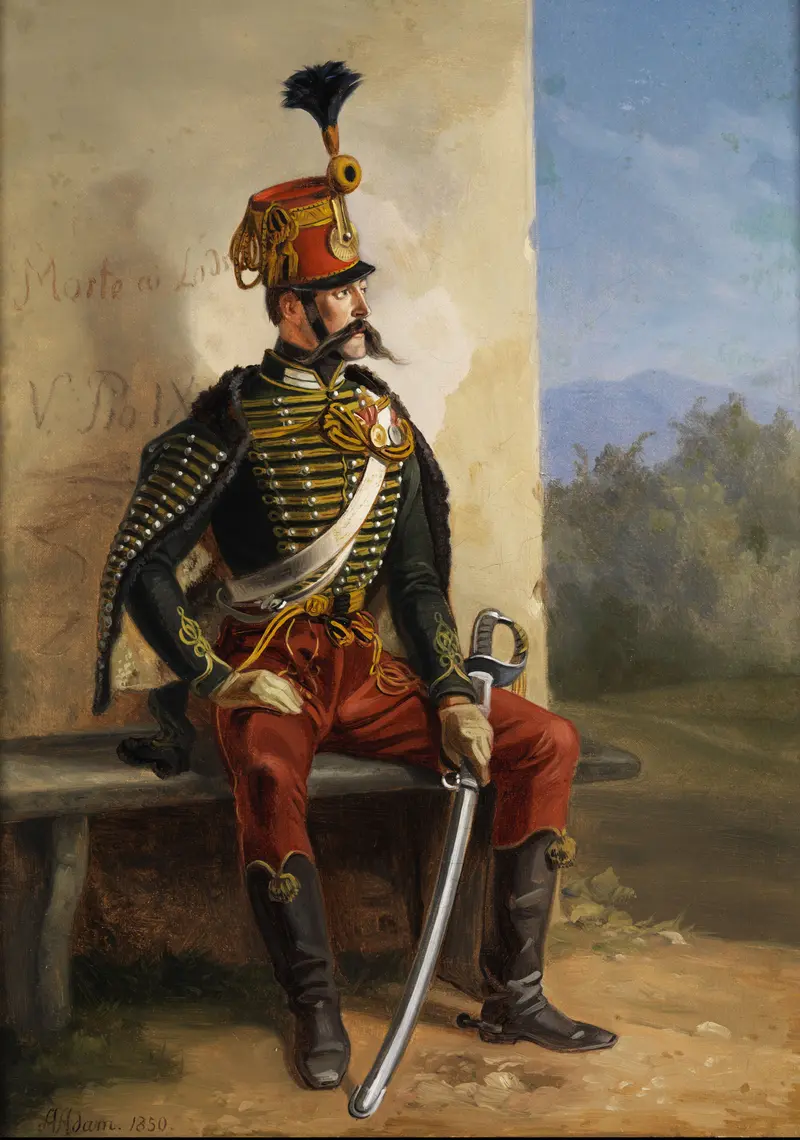
Soldat bei der Rast
Albrecht von Adam
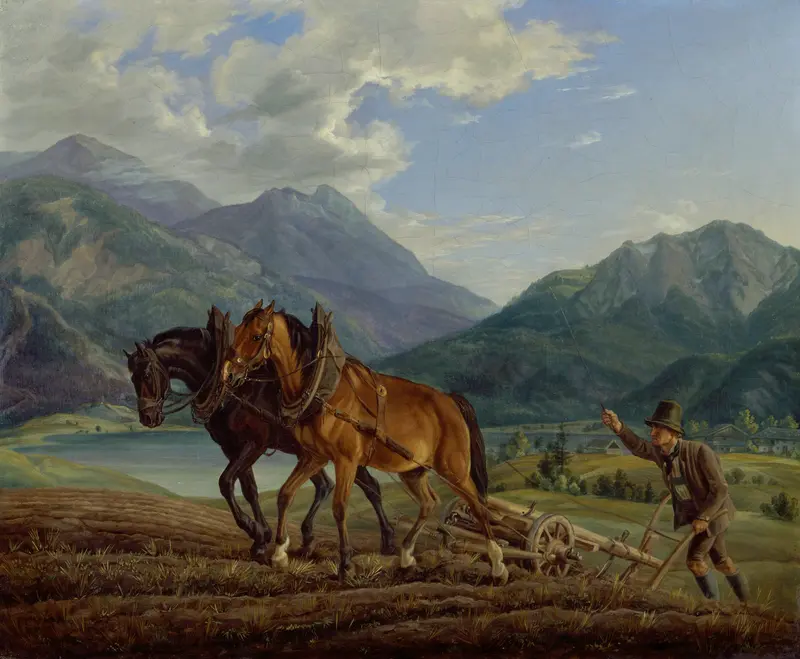
Gebirgslandschaft mit pflügendem Bauern G 303 Lenbachhaus
Albrecht von Adam
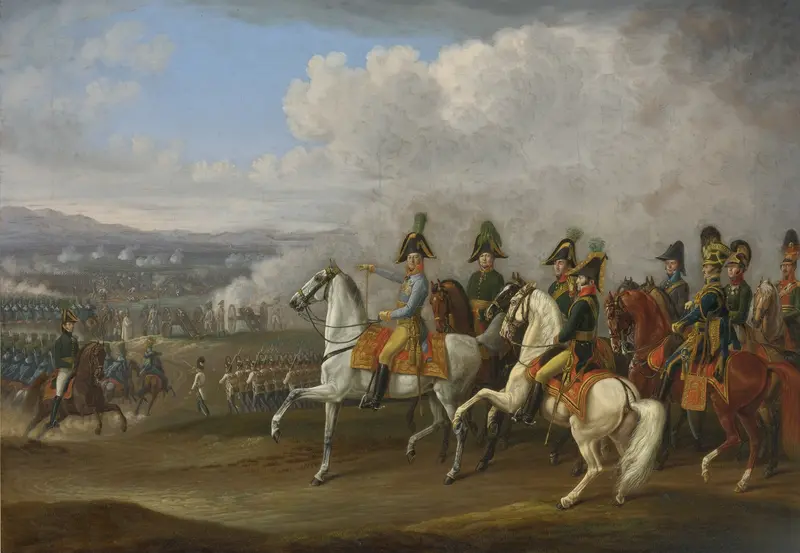
General von Bellegarde and his officers cbserving a battle
Albrecht von Adam
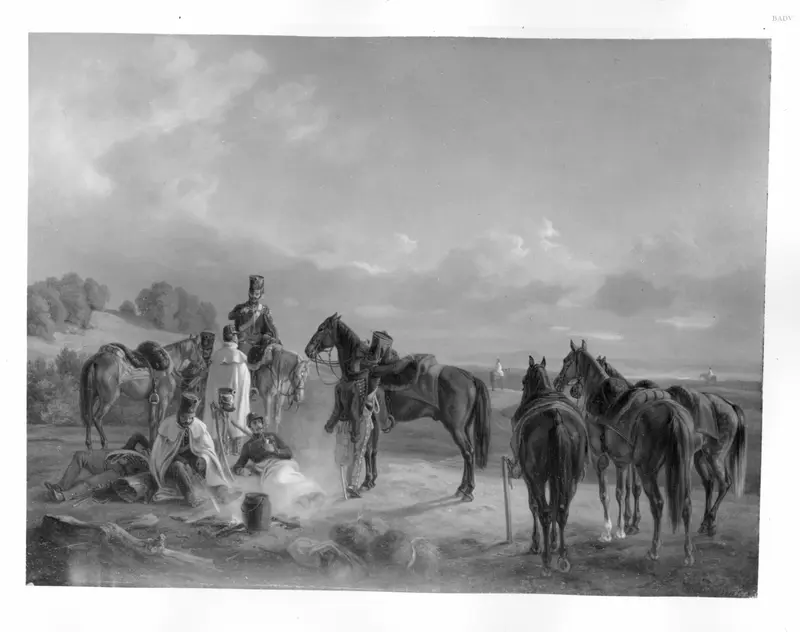
Soldaten und Pferde am Lagerfeuer 0420 Führermuseum
Albrecht von Adam
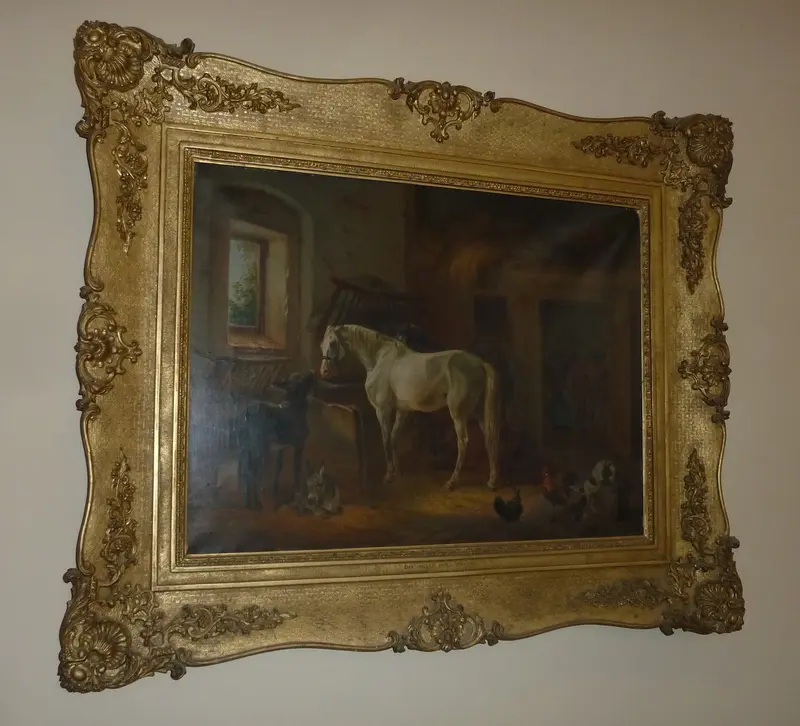
Interior of a Stable
Albrecht von Adam
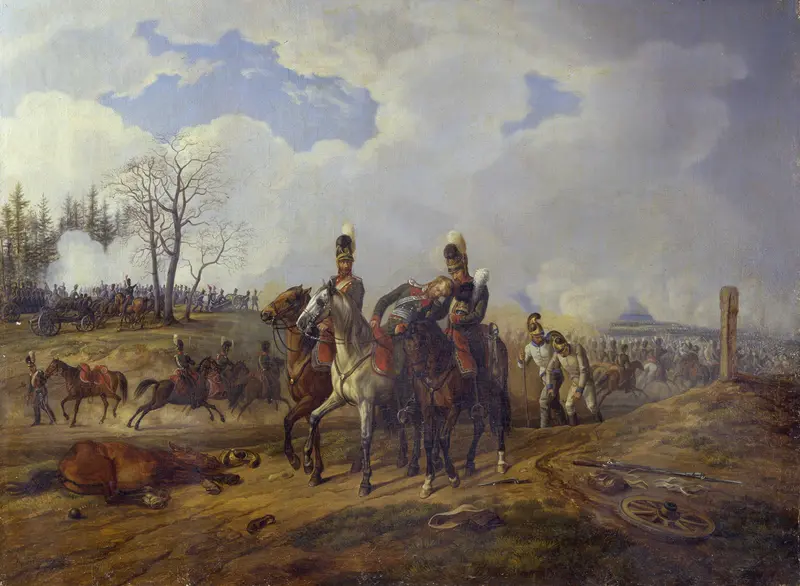
Die Schlacht bei Abensberg am 20. April 1809
Albrecht von Adam
More Landscape Art

The Starry Night
Vincent van Gogh

View of Delft
Johannes Vermeer

Water Lilies
Claude Monet

The Grand Canal, Venice, looking north-west from the Ca' Corner to the Ca' Contarini degli Scrigni, with the campanile of Santa Maria della Carità
Canaletto

Windsor Castle
Canaletto

The Grand Canal looking North-East from the Palazzo Dolfin-Manin to the Rialto Bridge
Canaletto