
Gehoor (Auditus) — History & Facts
In the quietude of Gehoor (Auditus), one can almost hear the echoes of history reverberating through the canvas, compelling us to confront the legacies we inherit. Look to the left at the figure seated in contemplation, the delicate folds of their attire suggesting both grace and restraint. The muted palette combined with intricate details creates a meditative atmosphere, inviting viewers to immerse themselves in reflection. The interplay of light and shadow highlights the serene expression, drawing us into the profound stillness that pervades the work.
Notice how the careful brushstrokes articulate a tactile intimacy, making the viewer acutely aware of the emotional weight carried by the subject. Delve deeper into the symbolism woven throughout the composition. The presence of the ear, subtly integrated into the figure’s silhouette, serves as a powerful reminder of the act of listening—not just to words, but to the silences that shape our understanding. The absence of external distractions emphasizes the inner dialogue, revealing the tension between thought and expression.
In this way, the painting becomes a poignant exploration of the legacies that bind us, urging us to confront both the spoken and unspoken truths of our existence. In the years between 1542 and 1546, the artist was immersed in the complexities of the Northern Renaissance. During this period, Pencz was influenced by the humanist movement and the evolution of portraiture, capturing not just likenesses, but the internal landscapes of his subjects. The world of art was undergoing a transformation, and here, Pencz positioned himself at the intersection of tradition and innovation, creating a piece that resonates with timeless relevance.
More Artworks by Georg Pencz
Browse all →
Parabel van de zaaier
Georg Pencz

Parabel van de arbeiders in de wijngaard
Georg Pencz
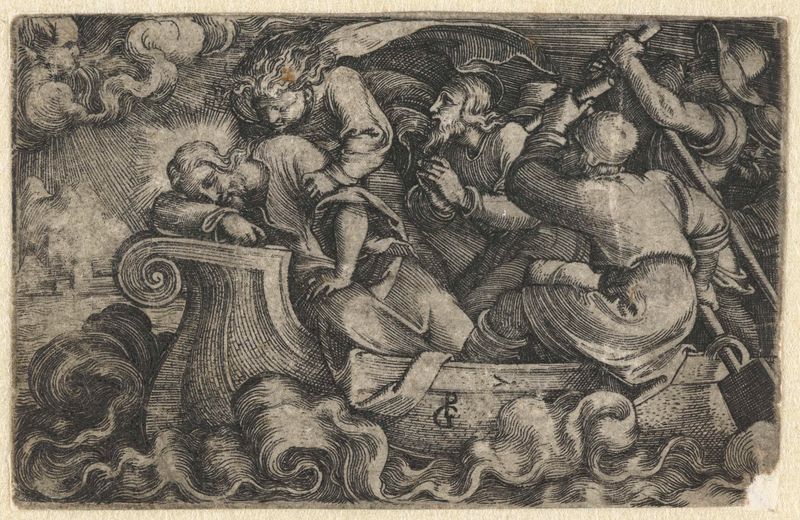
Discipelen wekken slapende Christus tijdens storm op Meer van Galilea
Georg Pencz

Afgunst (Invidia)
Georg Pencz
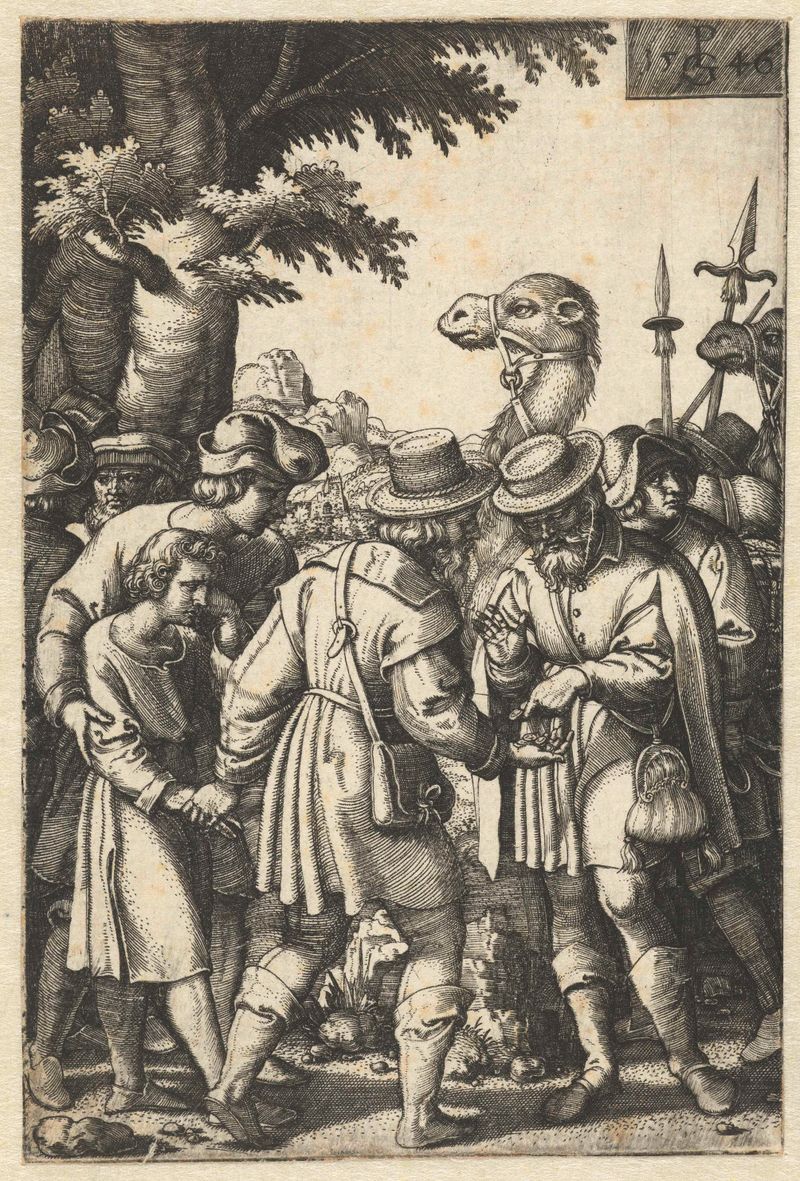
Jozef wordt verkocht aan kooplieden op weg naar Egypte
Georg Pencz

Aanbidding der koningen
Georg Pencz
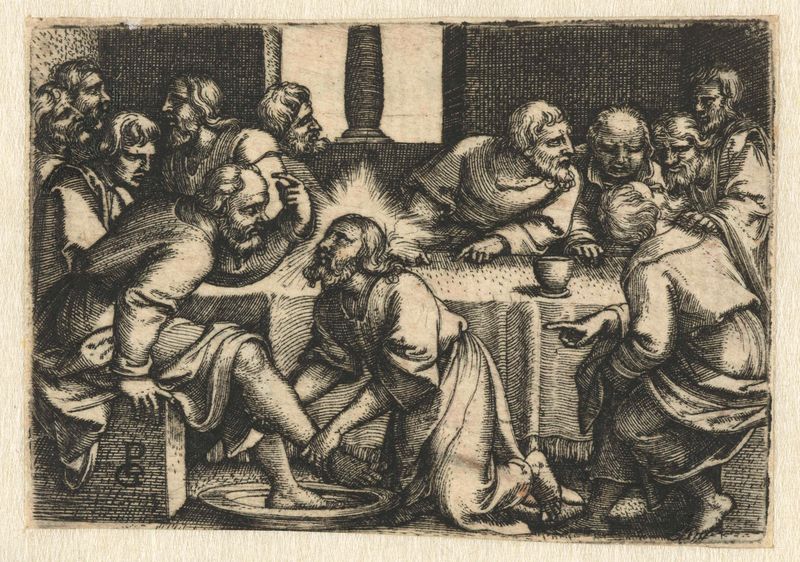
Petrus protesteert als Christus zijn voeten wast
Georg Pencz
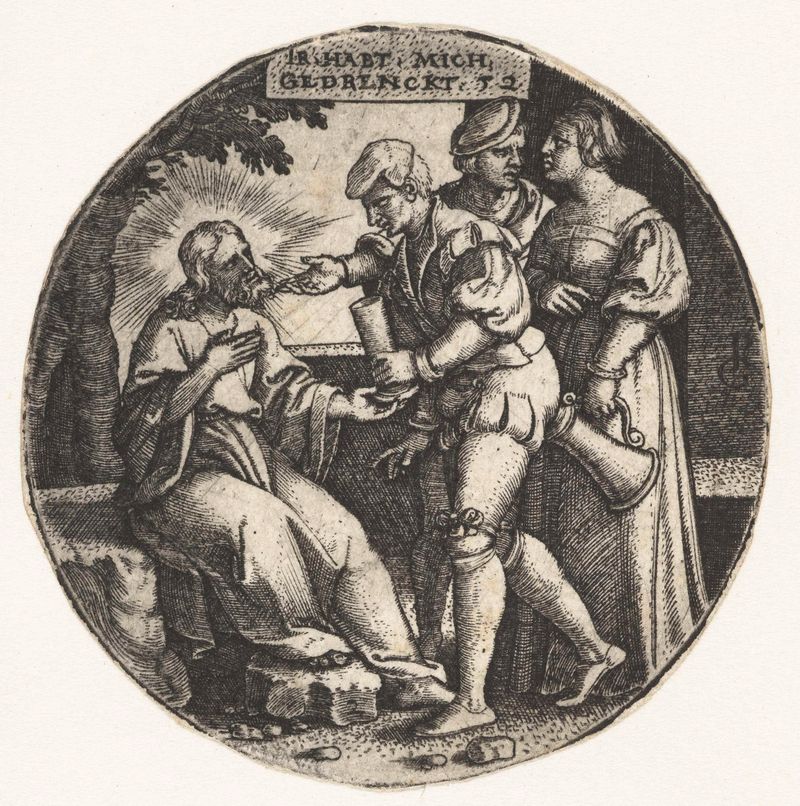
Christus heeft dorst en krijgt drinken aangeboden
Georg Pencz
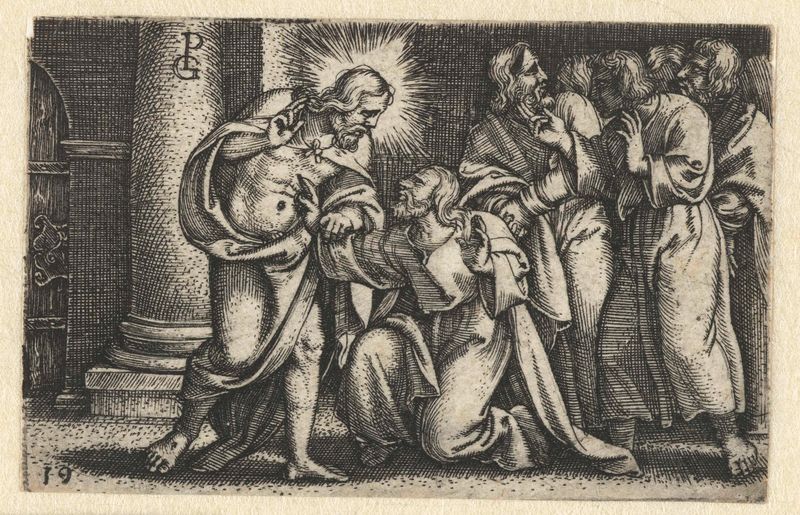
Ongelovige Thomas raakt wonden Christus aan
Georg Pencz

Offer van Abraham van Isaak
Georg Pencz





