Geit met twee jongen — History & Facts
Could beauty survive in a century of chaos? In Geit met twee jongen, the artist captures a serene moment that feels like a whispered promise amid the turmoil of the 17th century. Look closely at the soft light cascading over the goat and its two kids, illuminating their textured fur and creating a gentle halo around them. The delicate brushwork reveals a tender intimacy, guiding your gaze to the mother’s protective stance while the playful youngsters frolic at her feet. The earthy palette of greens and browns grounds the scene, evoking the simplicity of pastoral life while inviting you to breathe in the tranquility of the moment. Beneath the surface, contrasts emerge: the innocence of the young goats juxtaposed with the complexity of their surroundings.
The lush foliage hints at a world teeming with life, yet the stillness within the composition serves as a reminder of vulnerability. This artwork invites contemplation on the balance of chaos and calm, as the goats symbolize both nurturing and the fragility of existence in a shifting landscape. Painted between 1648 and 1652, this piece was created during a time when Europe was rife with political and social upheaval. Berchem, residing in the Netherlands, was influenced by the burgeoning genre of pastoral painting that celebrated idyllic rural life.
As an artist navigating the complexities of his time, he sought solace in the beauty of nature, capturing moments that contrast the external struggles of an era in flux.
More Artworks by Nicolaes Pietersz Berchem
Browse all →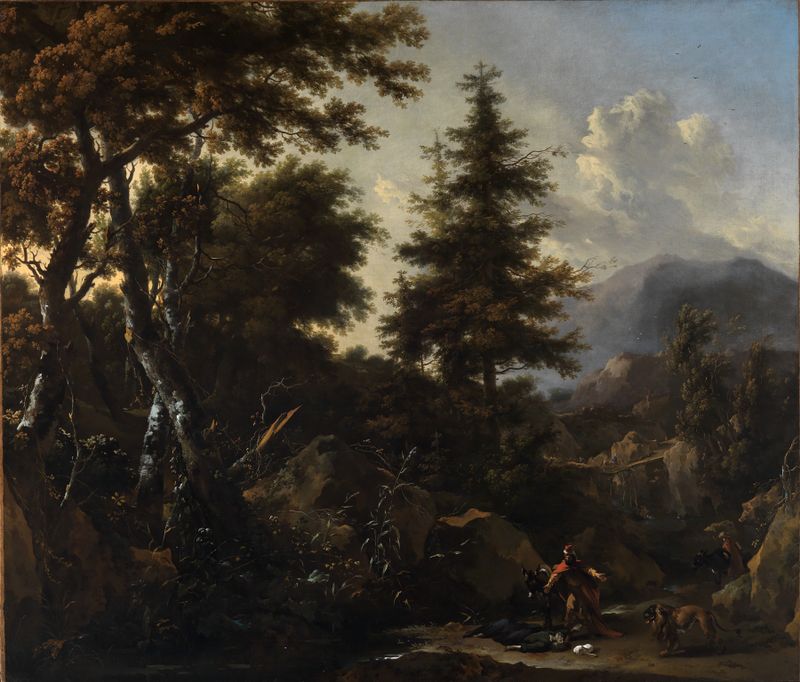
Schlucht im Bergwald mit alttestamentlicher Staffage
Nicolaes Pietersz Berchem
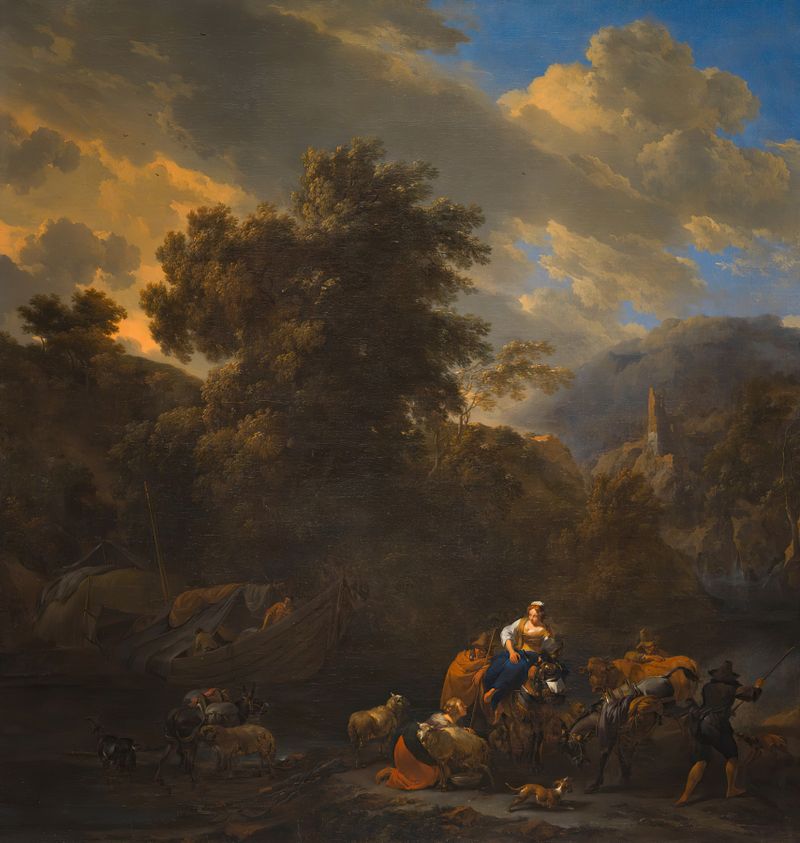
Italianate Landscape with Figures and Pack Animals on the Banks of a River
Nicolaes Pietersz Berchem
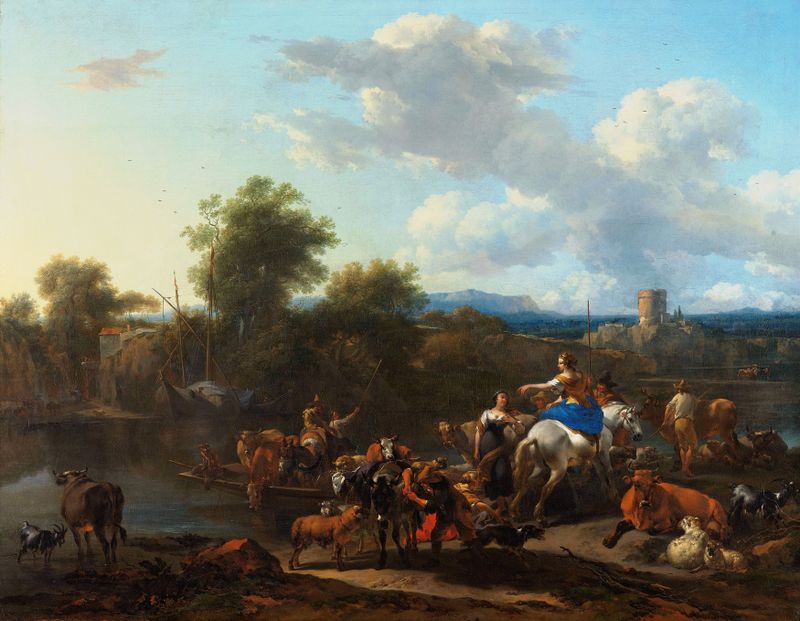
The Cattle Ferry
Nicolaes Pietersz Berchem
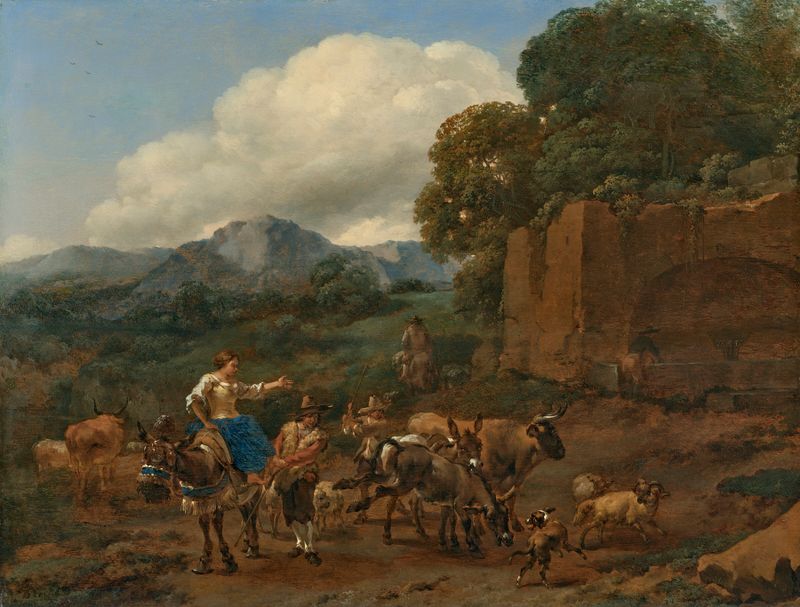
An Italianate landscape with a shepherdess on a mule and a shepherd, herding cattle, sheep, donkeys and dogs on a mountain track next to ruins
Nicolaes Pietersz Berchem
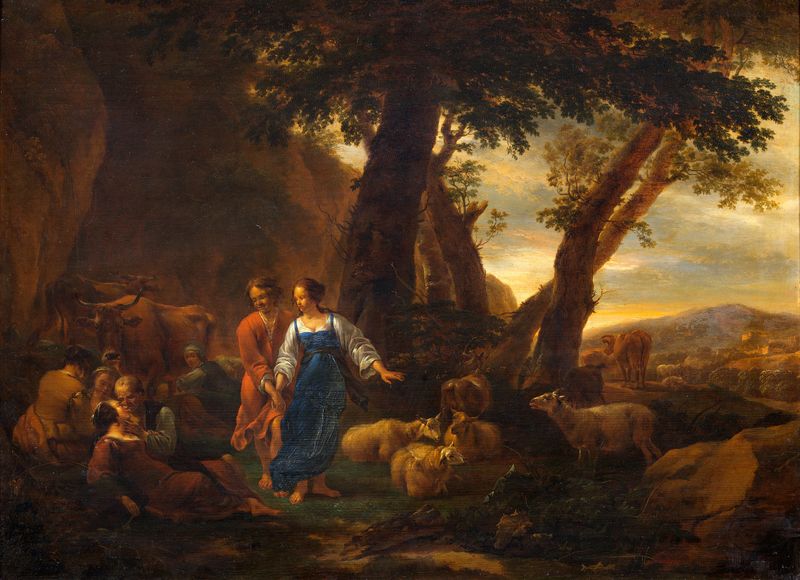
Landscape with Peasants and Cattle
Nicolaes Pietersz Berchem
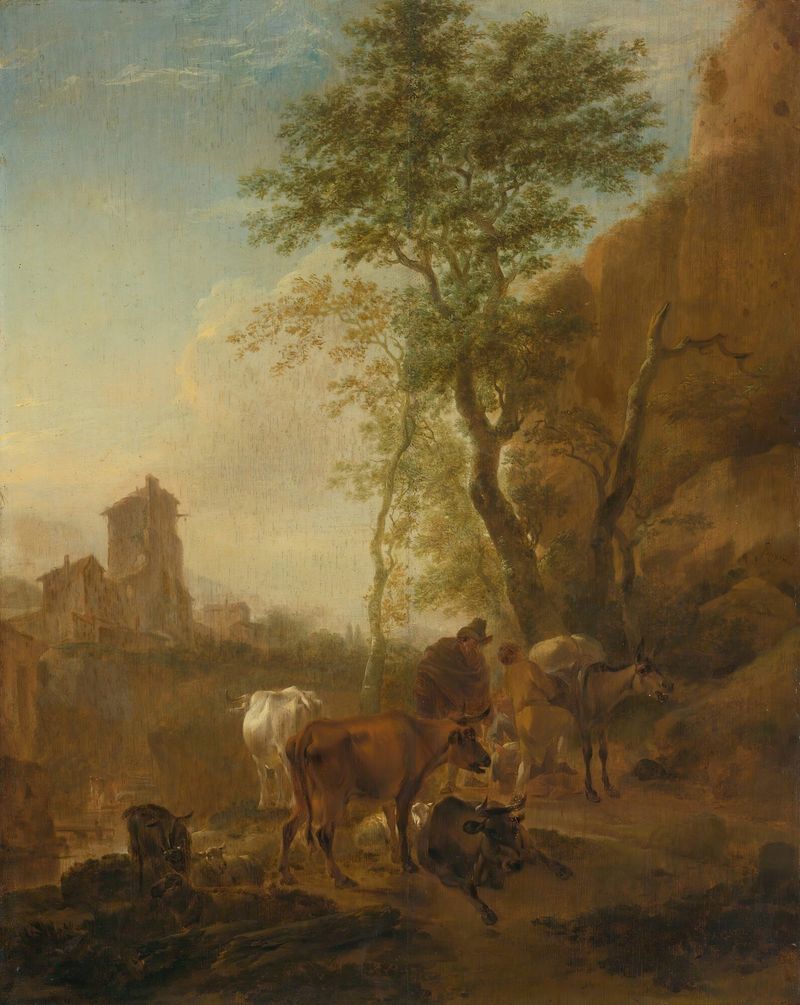
Italianate Landscape With Cows
Nicolaes Pietersz Berchem
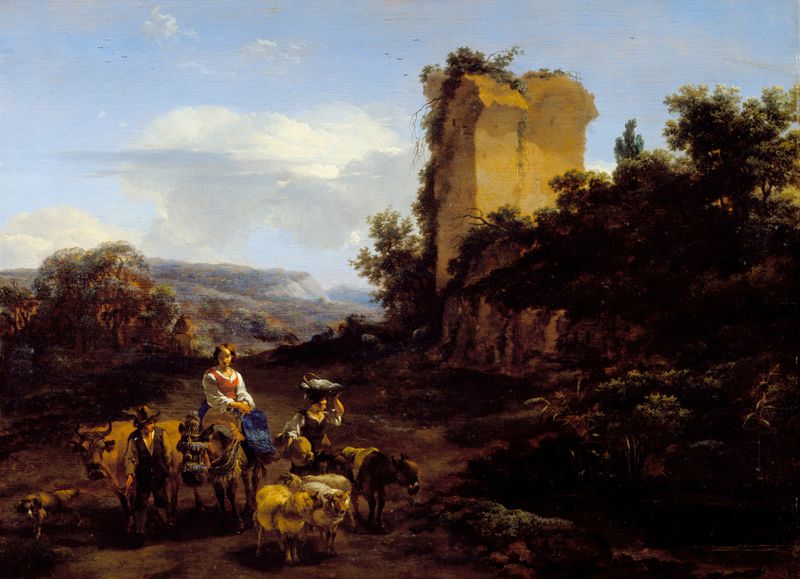
Landscape with Ruins and Travelers
Nicolaes Pietersz Berchem
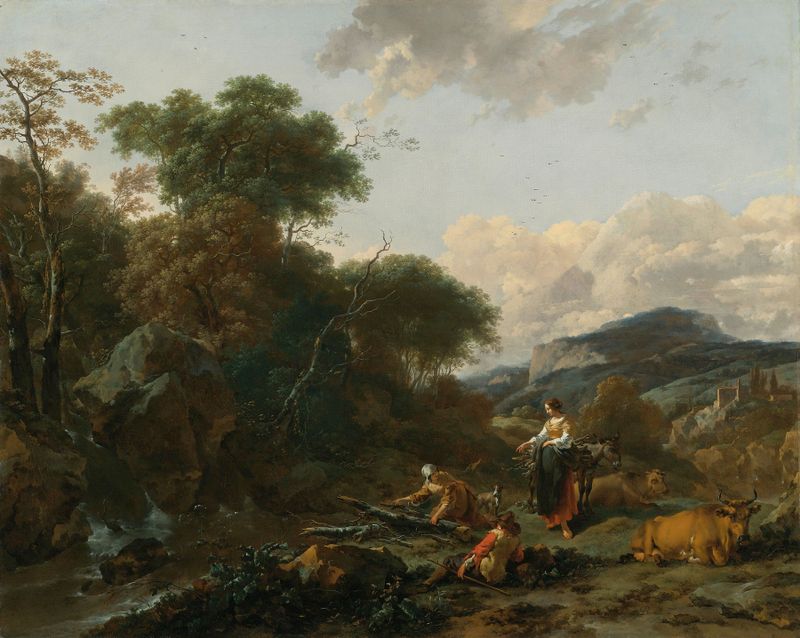
A Landscape With Figures
Nicolaes Pietersz Berchem
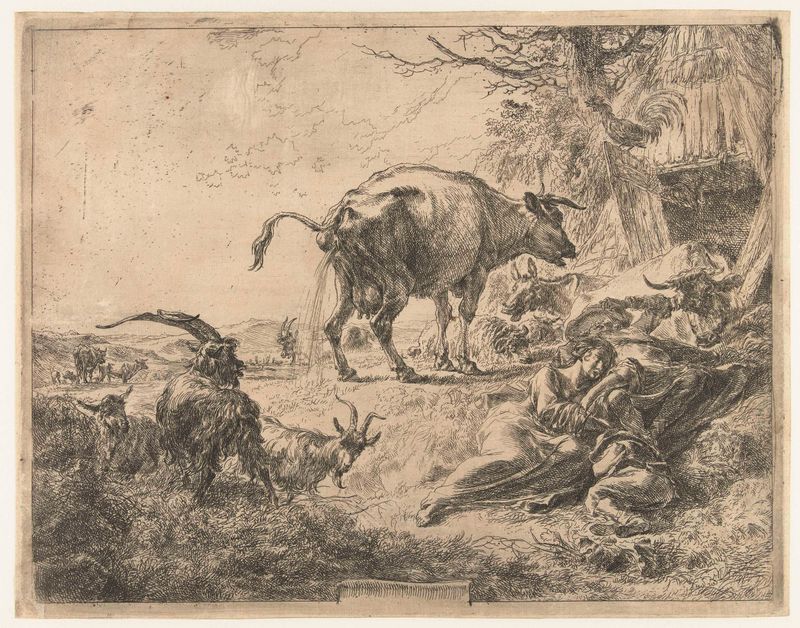
Slapende herdersfamilie en rustend vee
Nicolaes Pietersz Berchem
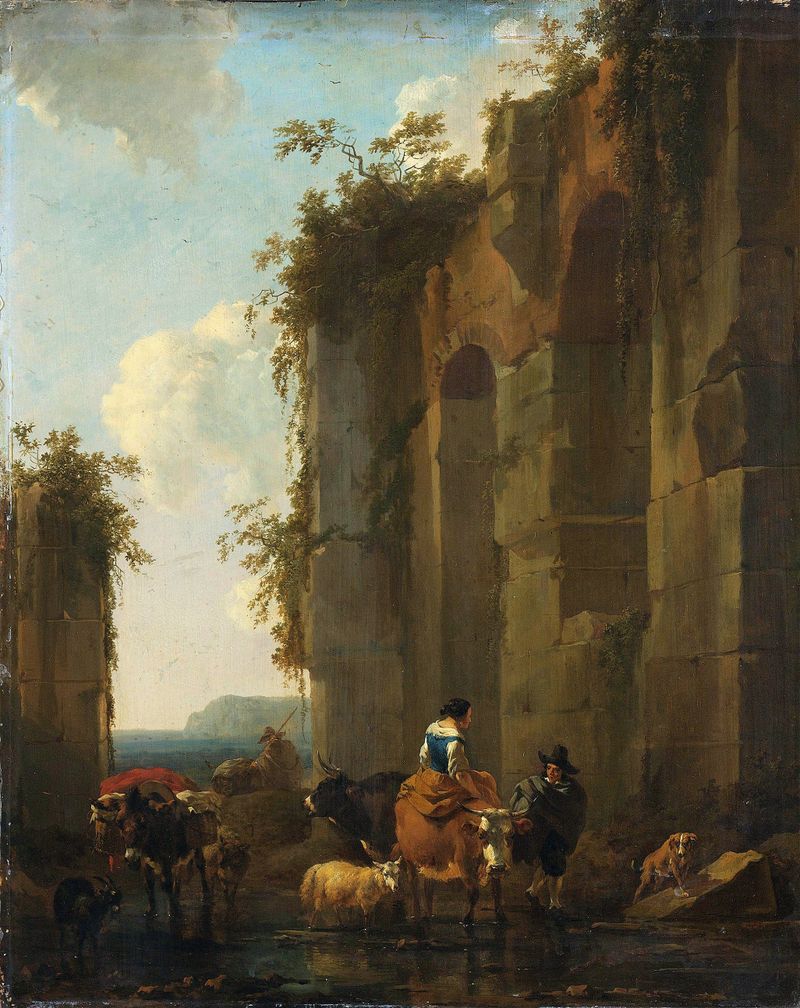
Ruins in Italy
Nicolaes Pietersz Berchem