
Gelée blanche à Saint Chéron — History & Facts
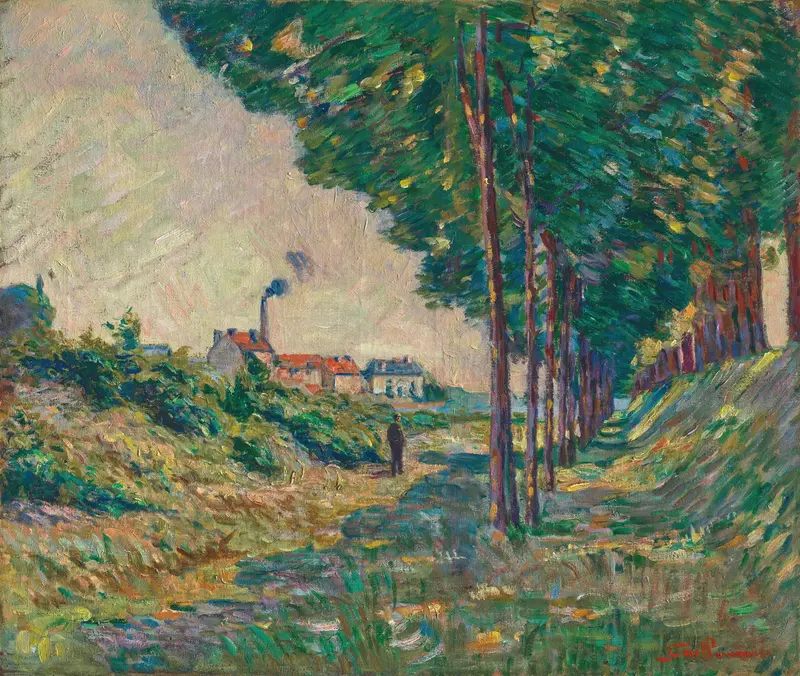
A hush of frost lies over the countryside, but the first thing that catches the eye is not the cold, but the quiet energy of color. The path, winding through the lower left, draws you in with its streaks of ochre and rose, guiding your gaze past the tangled hedge and up toward the distant rooftops. Bare trees stand like sentinels, their branches catching the last coppery light, while the sky overhead glows with unexpected warmth—pale pinks and blues brushed in quick, diagonal strokes that seem to shimmer above the frozen ground.
Every mark of the brush feels alive, as if the painter is not capturing a moment of winter stillness but the memory of warmth that lingers beneath the chill. Painted in 1893, Gelée blanche à Saint Chéron belongs to the world of late nineteenth-century France, when artists like Armand Guillaumin sought to capture fleeting effects of light and atmosphere in the open air. This was the era of Impressionism, a movement that prized direct observation and the honest recording of sensation over academic finish. Works like this were rarely painted for grand salons or official commissions; instead, they were often made for private collectors or simply for the artist’s own pursuit of nature’s changing moods.
Today, the painting’s presence in the Sotheby’s collection reminds us how these experiments—once radical—have become cherished windows onto a vanished landscape. Let your eye linger on the brushwork, and imagine the painter’s hand moving quickly, before the frost could melt.
More Artworks by Armand Guillaumin

La Seine À Charenton
Armand Guillaumin
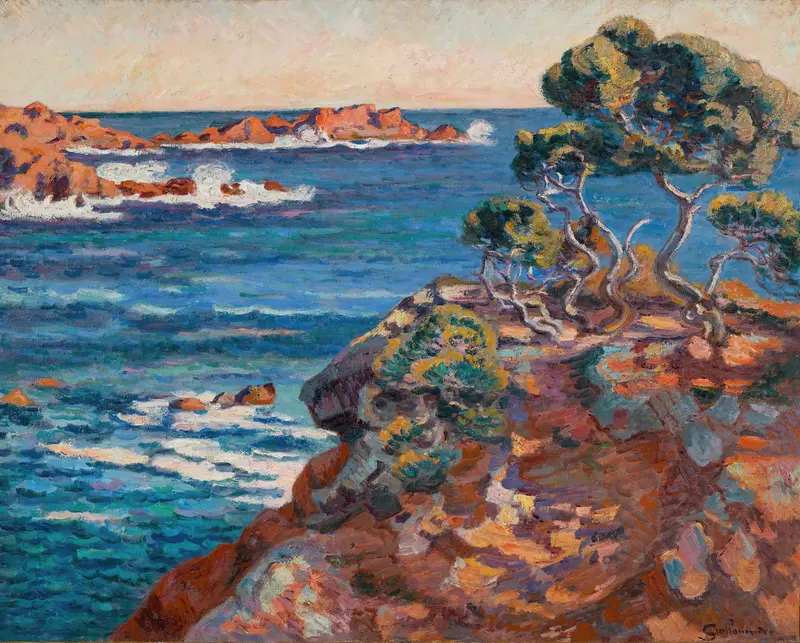
Bord De Mer À Agay
Armand Guillaumin
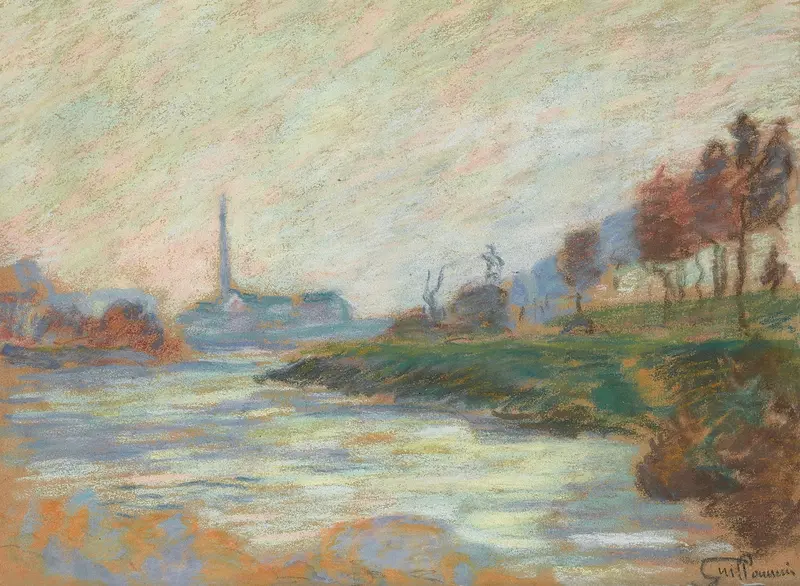
Confluent De La Marne Et De La Seine, Île De La France
Armand Guillaumin
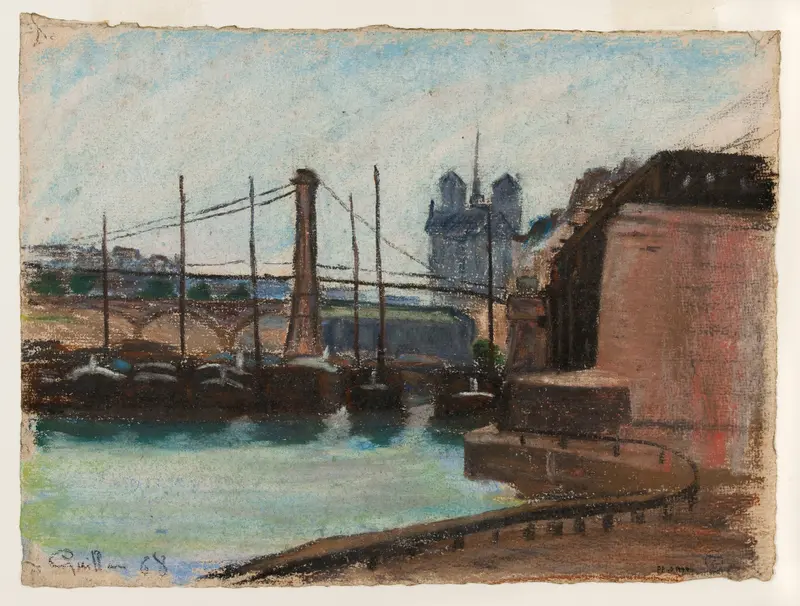
Le Pont d’Austerlitz
Armand Guillaumin
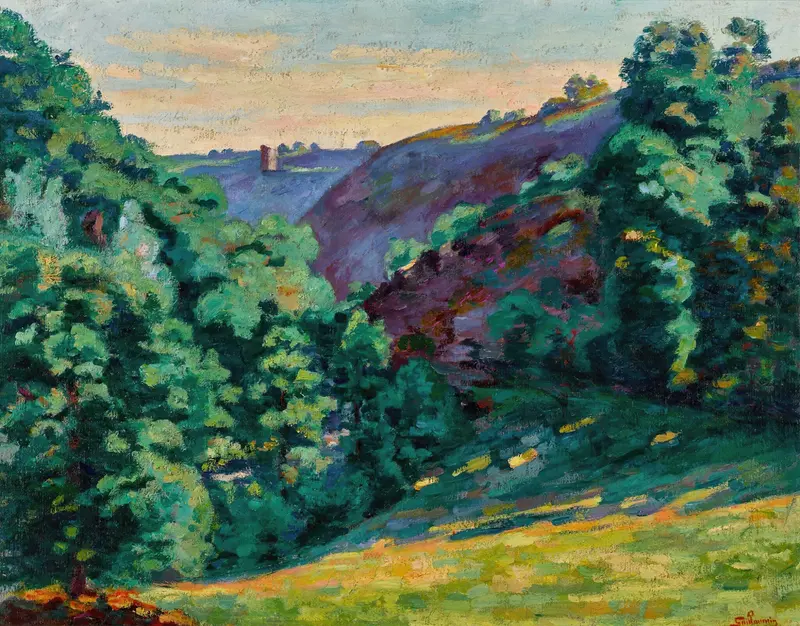
Le Ravin de la folie, vue de Chateau Crozant
Armand Guillaumin
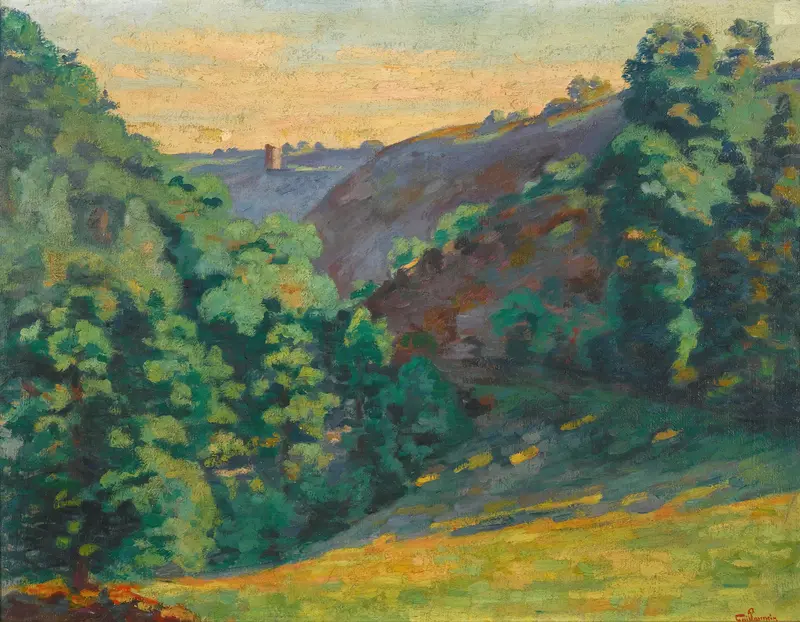
Crozant, Le Ravin De La Sedelle À La Folie
Armand Guillaumin
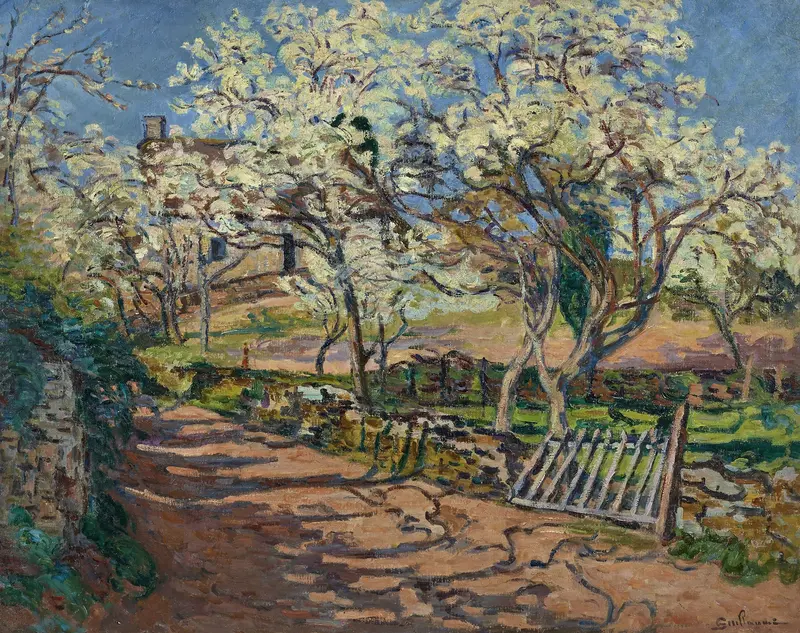
Paysage de Printemps
Armand Guillaumin
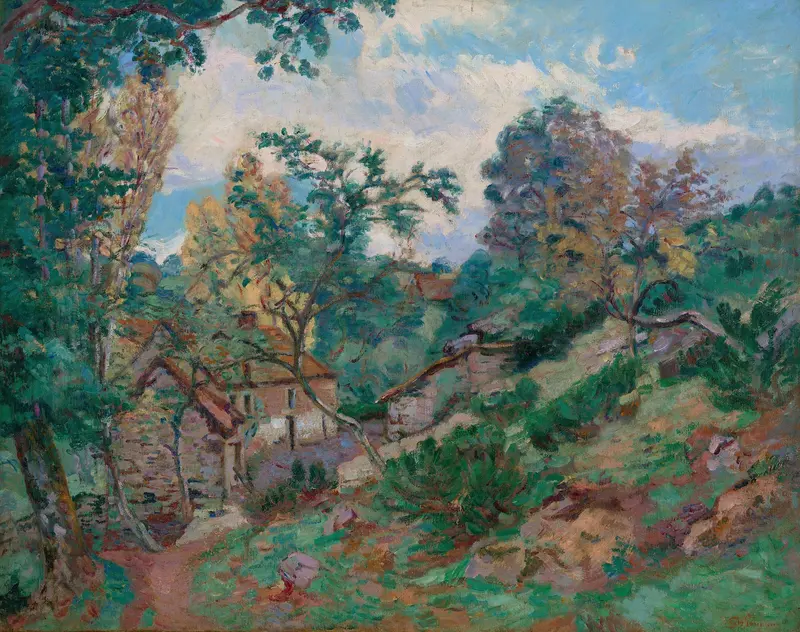
Paysage
Armand Guillaumin
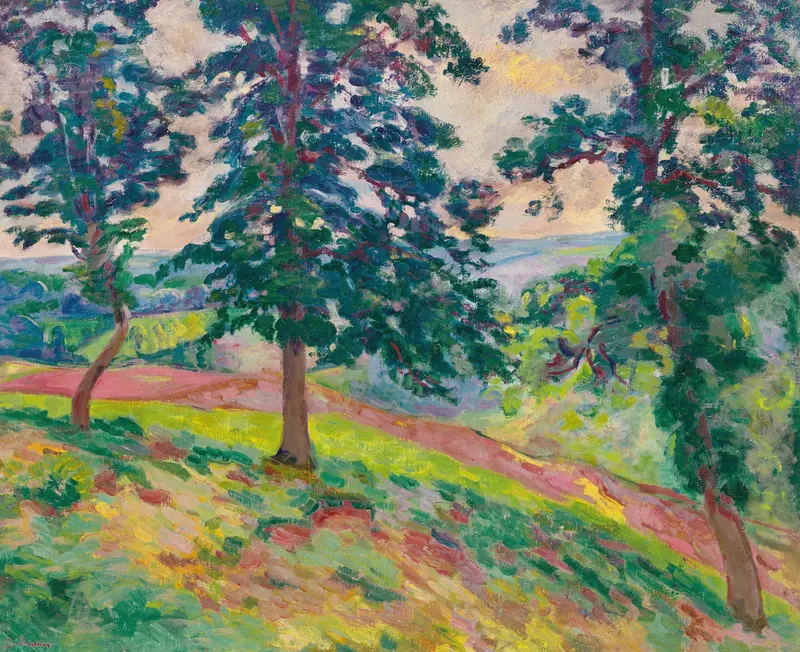
La vallée de la creuse
Armand Guillaumin
Le chemin de halage à Charenton, Ile de France
Armand Guillaumin
More Landscape Art

The Starry Night
Vincent van Gogh

View of Delft
Johannes Vermeer

Water Lilies
Claude Monet

The Grand Canal, Venice, looking north-west from the Ca' Corner to the Ca' Contarini degli Scrigni, with the campanile of Santa Maria della Carità
Canaletto

Windsor Castle
Canaletto

The Grand Canal looking North-East from the Palazzo Dolfin-Manin to the Rialto Bridge
Canaletto