
Gemüsemarkt in Delft — History & Facts
Time stands still in the vibrant exchange of life, captured in a bustling market scene where movement and color collide. Look to the left at the vivid greens of fresh produce, where peppers and cabbages form a riotous tapestry against the earthy tones of the wooden stalls. The interplay of light and shadow creates a dynamic rhythm, guiding the eye across the canvas. Notice how the artist’s loose brushwork evokes a sense of energy and immediacy, as if the vibrant hues of vegetables are in conversation with the warm sunlight, bathing the scene in a golden glow. Delving deeper, the tension between the lively market activity and the stillness of the surrounding architecture reveals a juxtaposition of nature and civilization.
The animated figures, each absorbed in their own tasks, convey a sense of community and continuity, while the distant buildings stand as silent witnesses to the ebb and flow of daily life. This contrast hints at the passage of time, suggesting both the fleeting moments of joy and the enduring cycles of life that define human experience. In 1907, Max Liebermann painted this piece in Delft, a city steeped in art history and tradition. It was a time of transition in the art world as Impressionism began to influence the post-Realist movement.
Liebermann, deeply embedded in the modernist currents of his day, sought to depict the authentic experience of his subjects, reflecting not only the vibrancy of daily life but also the changes occurring in society at large.
More Artworks by Max Liebermann
Browse all →
Die Blumenterrasse in Wannsee mit Blick auf den Fischotterbrunnen
Max Liebermann
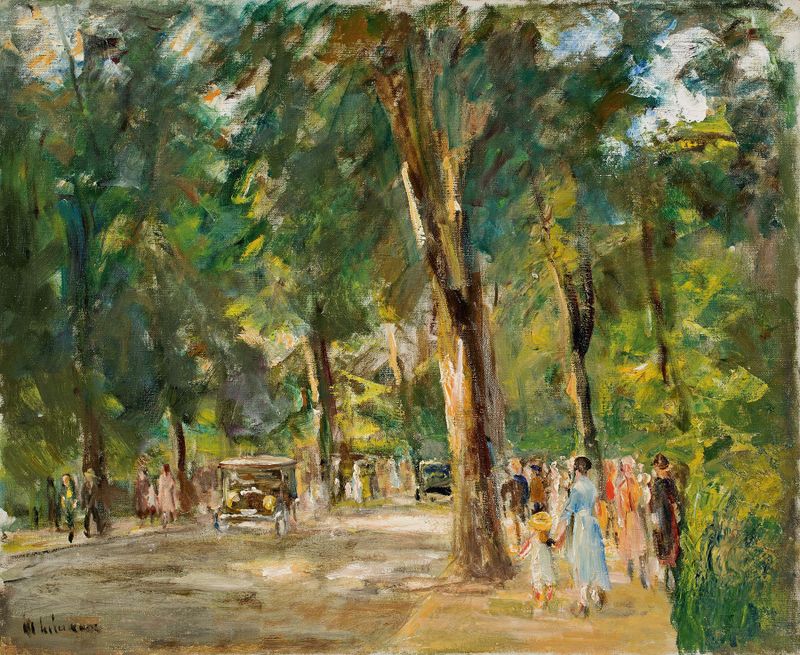
Die Große Seestraße in Wannsee mit Spaziergängern
Max Liebermann

Seitlicher Blick in den Wannseegarten
Max Liebermann

Der Rosengarten in Wannsee
Max Liebermann

Allee mit Spaziergängern und Automobilen
Max Liebermann

Blick in meinen Garten
Max Liebermann
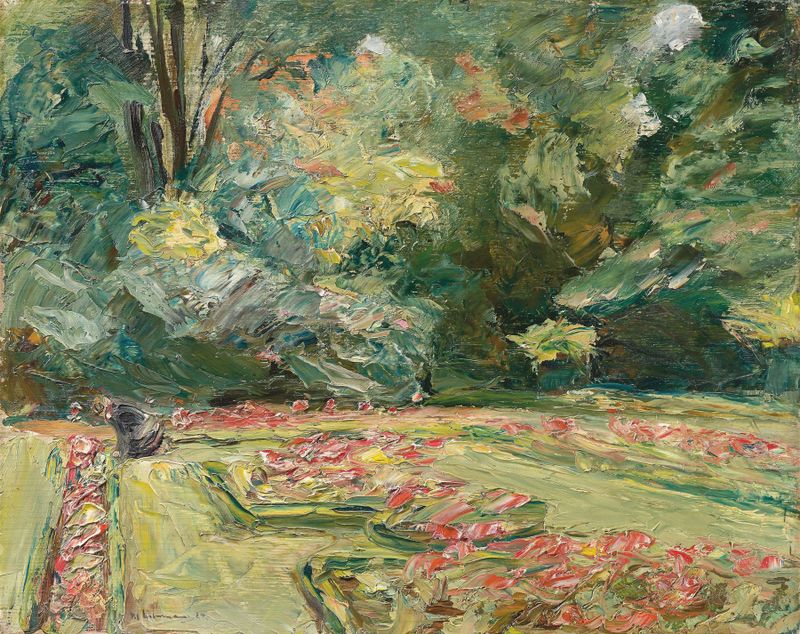
Die Blumenterrasse im Wannseegarten nach Norden
Max Liebermann

Spielende Kinder am Strand
Max Liebermann
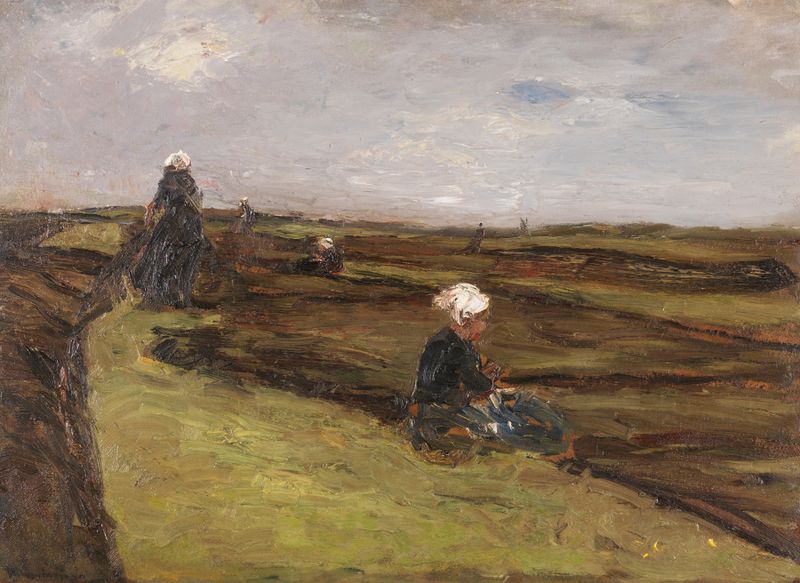
Die Netzflickerinnen
Max Liebermann

Am Strand von Noordwijk
Max Liebermann





