Geschoten wild: een dood hert — History & Facts
Where does light end, and longing begin? This question lingers in the silent space captured by Hollar’s work, inviting contemplation on the fragility of life and the weight of mortality. Look closely at the huddled form of the deer, its lifeless body rendered with meticulous detail. The soft, muted browns of its fur contrast starkly with the luminous highlights that dance across its body, a testament to the artist’s skillful play of light. Notice how the gentle illumination casts delicate shadows, shaping the contours of the animal’s form, while the sparse background hints at a world that continues to exist beyond this moment of stillness. Yet, within this arresting stillness, there lies a profound dichotomy.
The beauty of the deer, captured in its natural habitat, speaks of innocence and the stark reality of a life extinguished. The contrasting interplay of light and shadow evokes a sense of longing — a yearning for the vibrancy of life that has been lost. The dead deer becomes a poignant symbol of both nature’s majesty and its inevitable fragility, compelling viewers to confront their own reflections on existence and death. Wenceslaus Hollar created this work between 1646 and 1647, during a period when he was living in England after fleeing the Thirty Years' War.
The art world of the time was undergoing significant transformation, as artists began to embrace naturalism and the exploration of light. Hollar, known for his detailed etchings, was deeply influenced by the emerging Baroque style, capturing the delicate balance between beauty and transience in his poignant depiction of the fallen creature.
More Artworks by Wenceslaus Hollar
Browse all →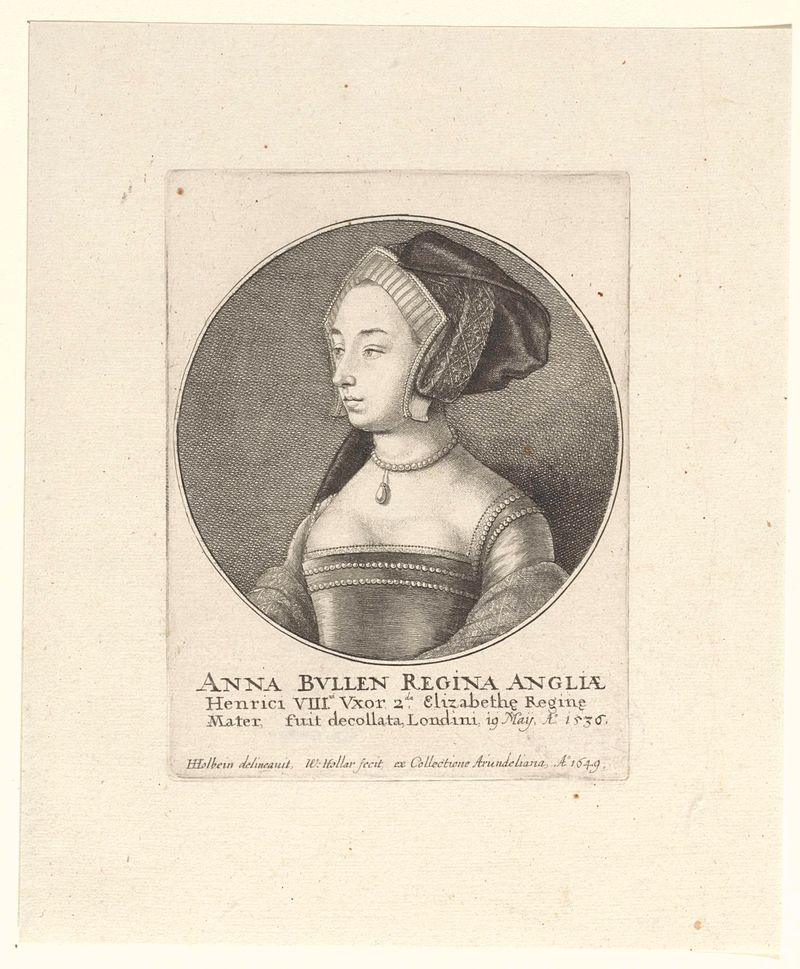
Portret van Anna Boleyn, koningin van Engeland
Wenceslaus Hollar
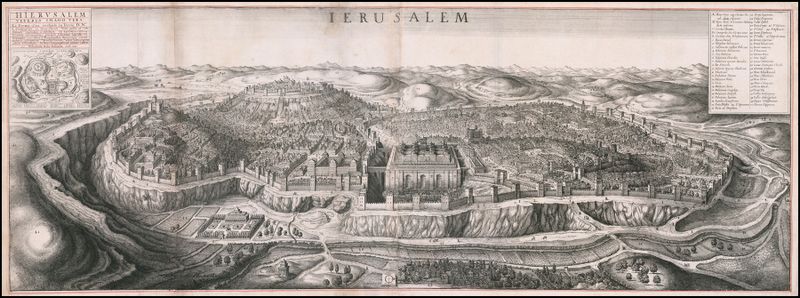
Bird’s eye view of Jerusalem
Wenceslaus Hollar
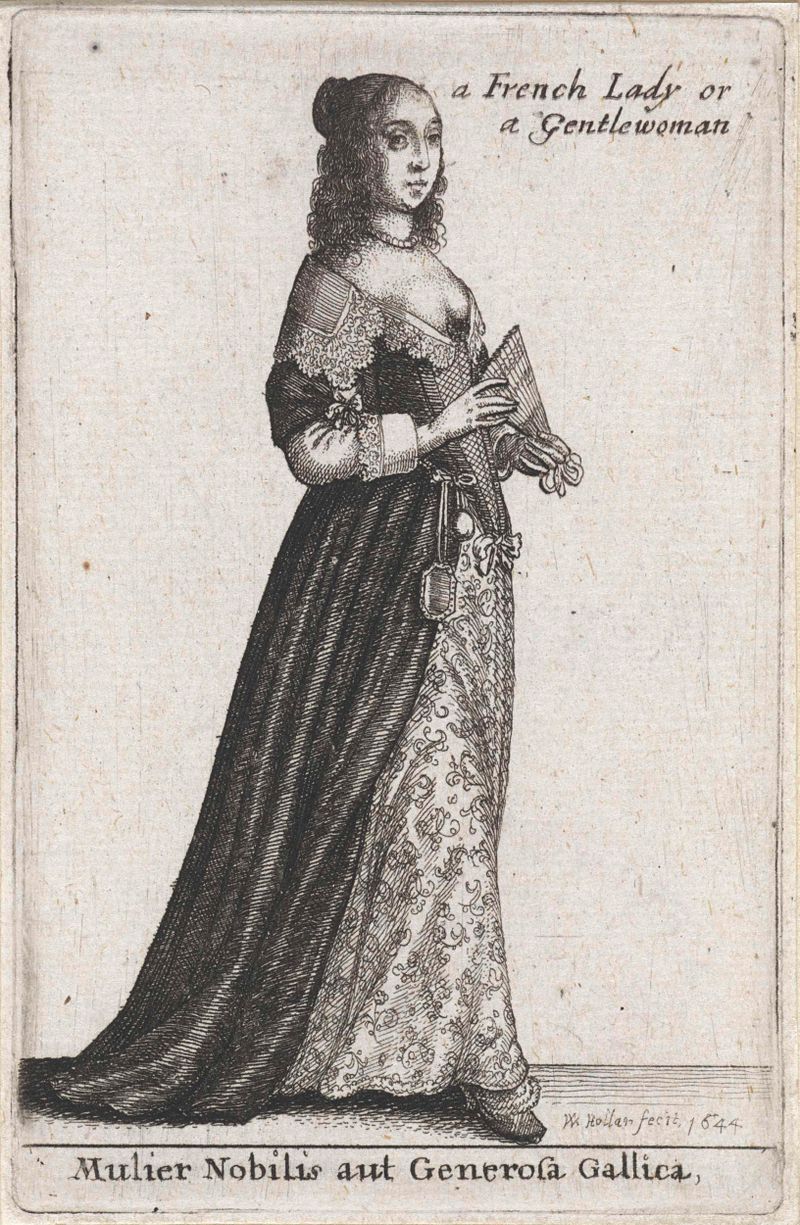
Mulier Nobilis aut Generosa Gallica / a French Lady or Gentlewoman
Wenceslaus Hollar
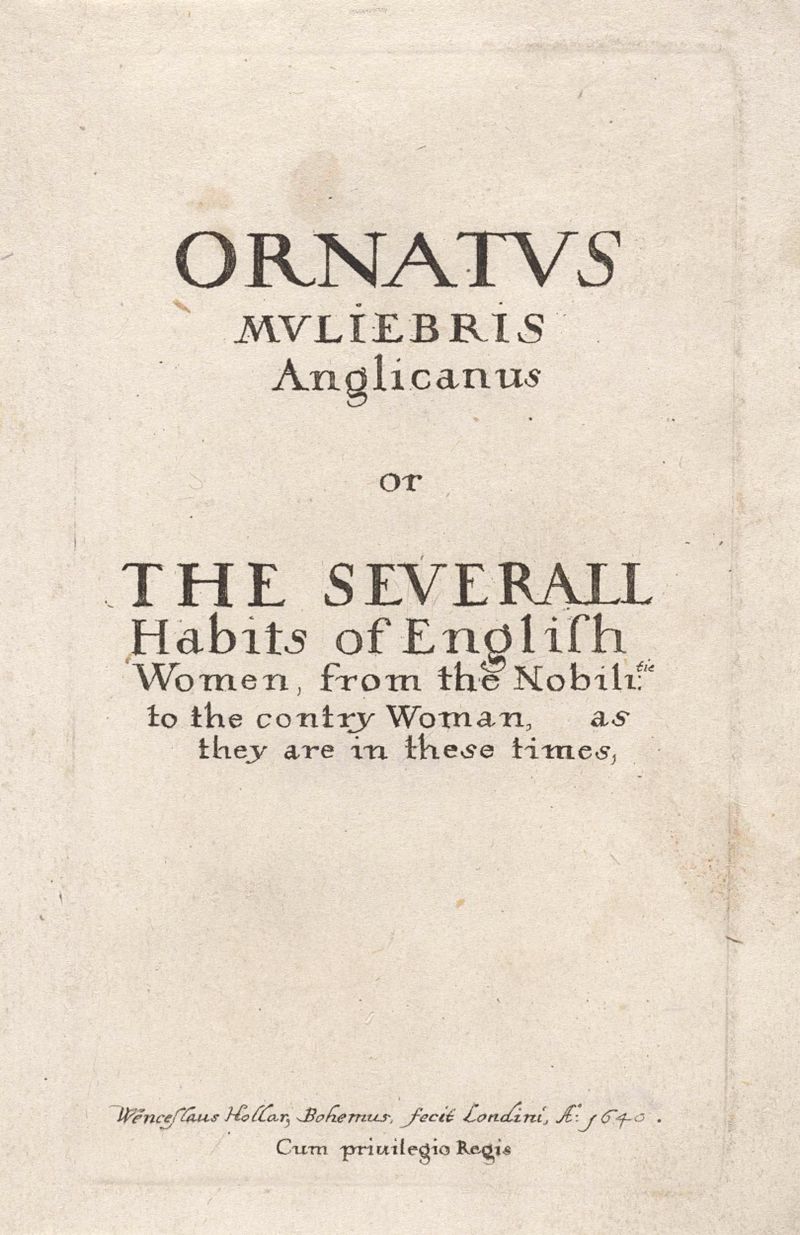
Titelprent voor: Ornatus Muliebris Anglicanus
Wenceslaus Hollar
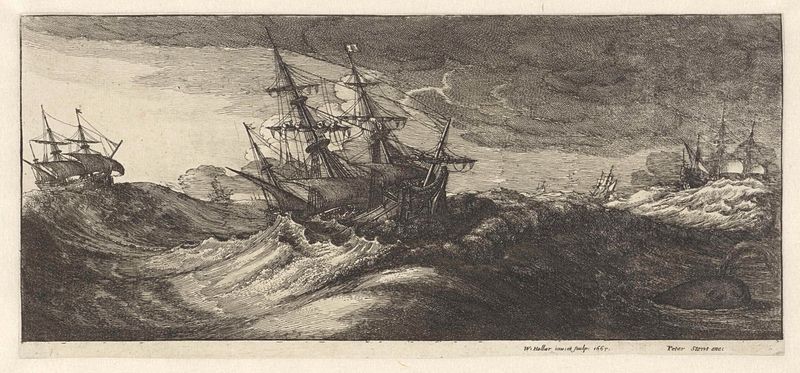
Oorlogsschepen en een walvis in een zeestorm
Wenceslaus Hollar
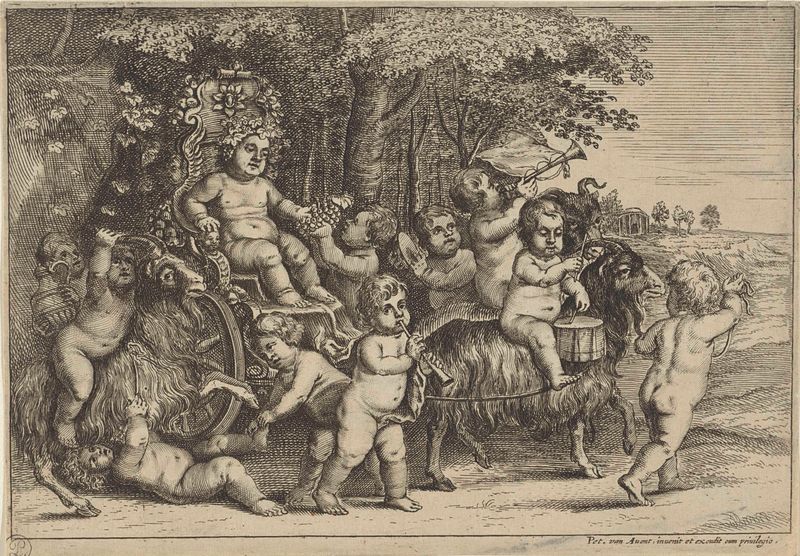
Optocht van bacchant en jongetjes op geiten
Wenceslaus Hollar
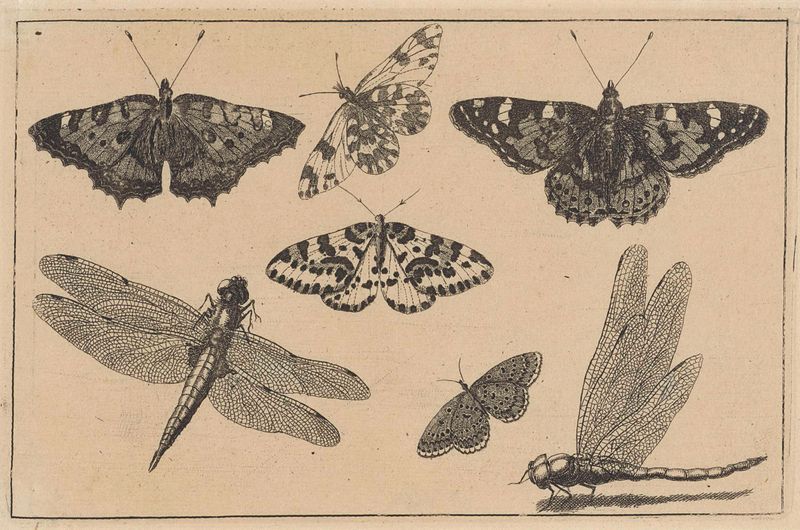
Twee libellen en vijf vlinders
Wenceslaus Hollar
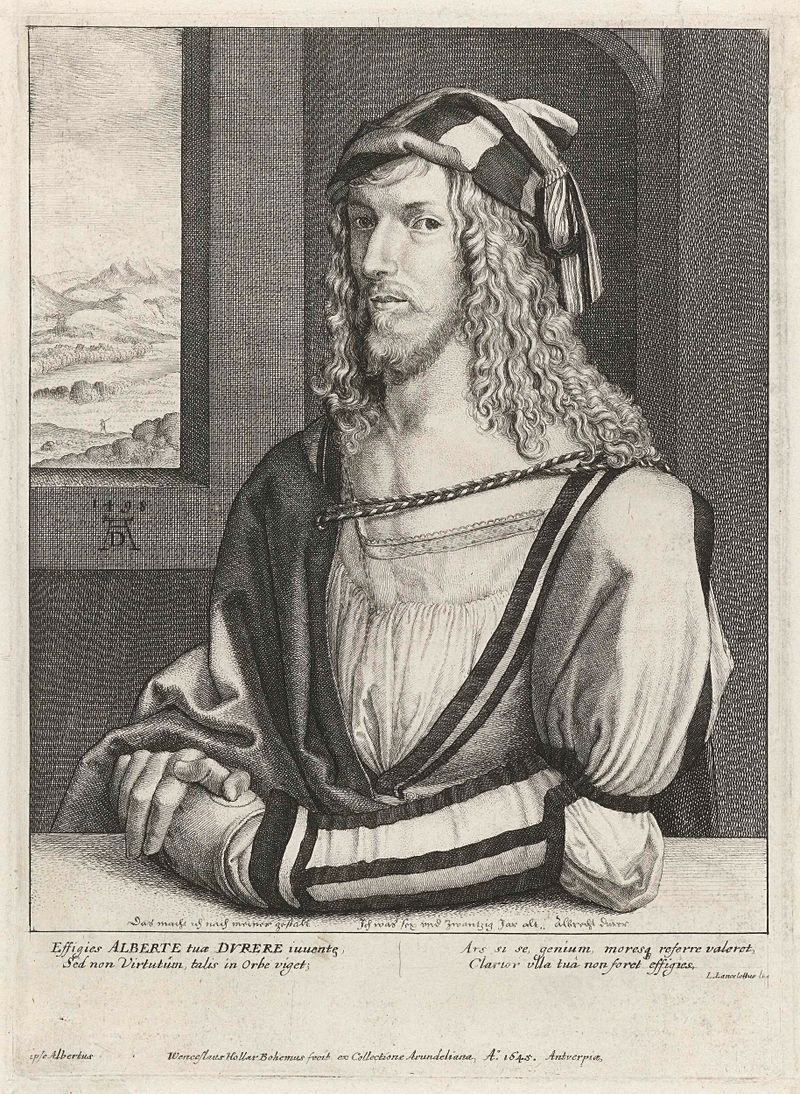
Portret van Albrecht Dürer
Wenceslaus Hollar
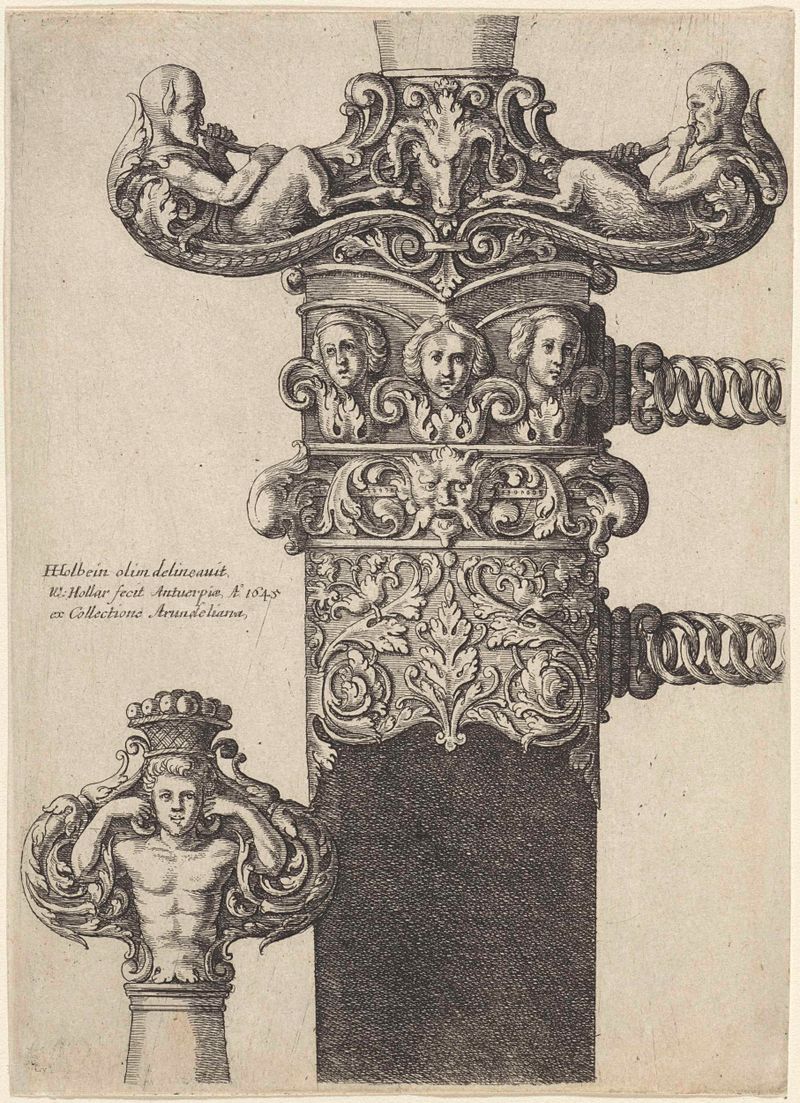
Ornamenteel ontwerp voor een dolk
Wenceslaus Hollar
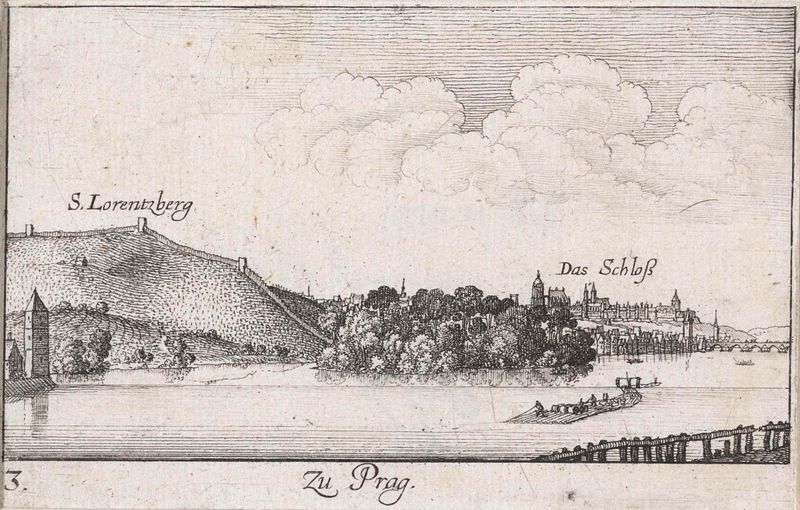
Gezicht op Praag vanaf de Moldau
Wenceslaus Hollar