Geschoten wild: een dood hert, hazen en vogels — History & Facts
Can beauty exist without sorrow? In Geschoten wild: een dood hert, hazen en vogels, Wenceslaus Hollar presents a haunting tableau where nature’s grace intertwines with the inevitability of death. Look closely at the center of the composition where the deceased stag lies, its delicate antlers spreading like branches against the earth. The painter’s meticulous attention to detail draws your gaze to the smooth texture of the fur, highlighted by soft, natural light that lends an almost ethereal quality to the scene. Surrounding the body, a collection of hares and birds emphasize both life and loss, their postures rendered with such realism that one can almost feel their heartbeat in contrast to the stillness of the stag. In this striking arrangement, the juxtaposition of life and death becomes a poignant narrative.
The lush greenery enveloping the lifeless form serves as a reminder of the cyclical nature of existence, while the vibrant feathers of the birds speak to the beauty that persists even in the face of tragedy. Each element, meticulously rendered, heightens the emotional tension, provoking contemplation on mortality and the fleeting moments of beauty that punctuate our lives. During the years 1646 to 1647, Hollar created this work while living in England, having fled the turmoil of the Thirty Years' War. As a prominent engraver and draftsman, he was at the forefront of the baroque movement in art, capturing the intricacies of the natural world amid a period marked by conflict and uncertainty.
In this context, the painting becomes a reflection of Hollar’s own observations on the fragility of life and beauty.
More Artworks by Wenceslaus Hollar
Browse all →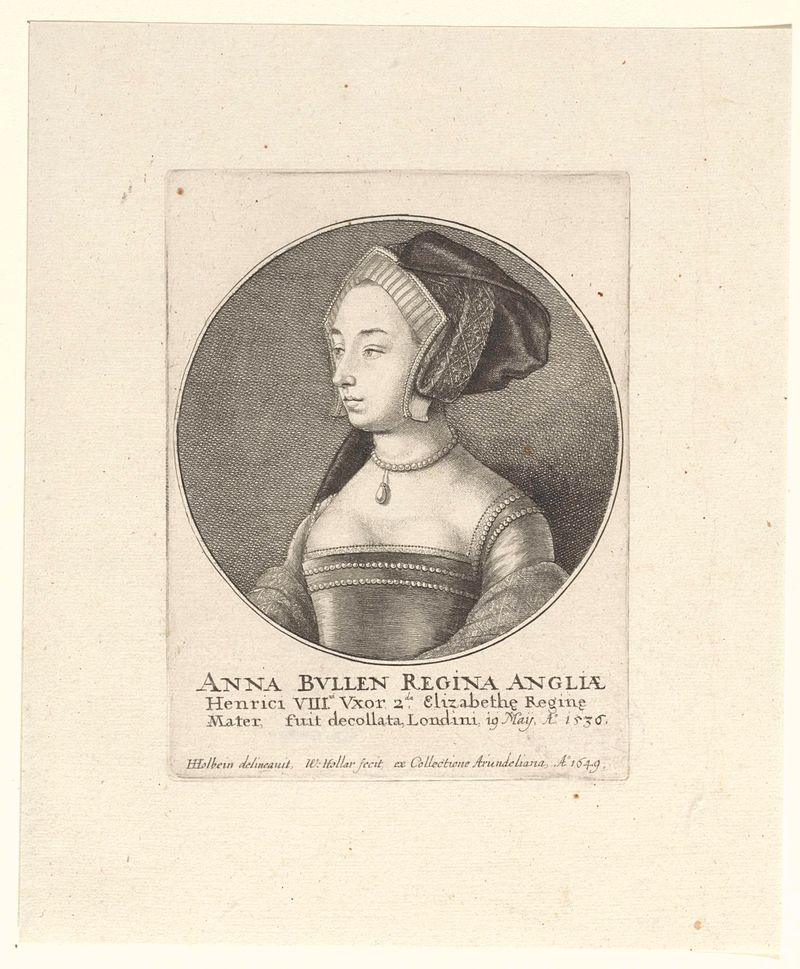
Portret van Anna Boleyn, koningin van Engeland
Wenceslaus Hollar
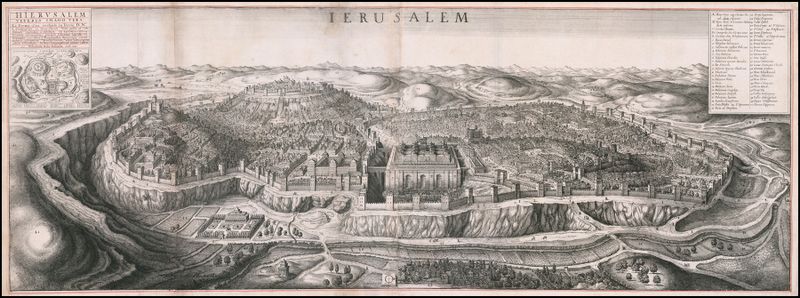
Bird’s eye view of Jerusalem
Wenceslaus Hollar
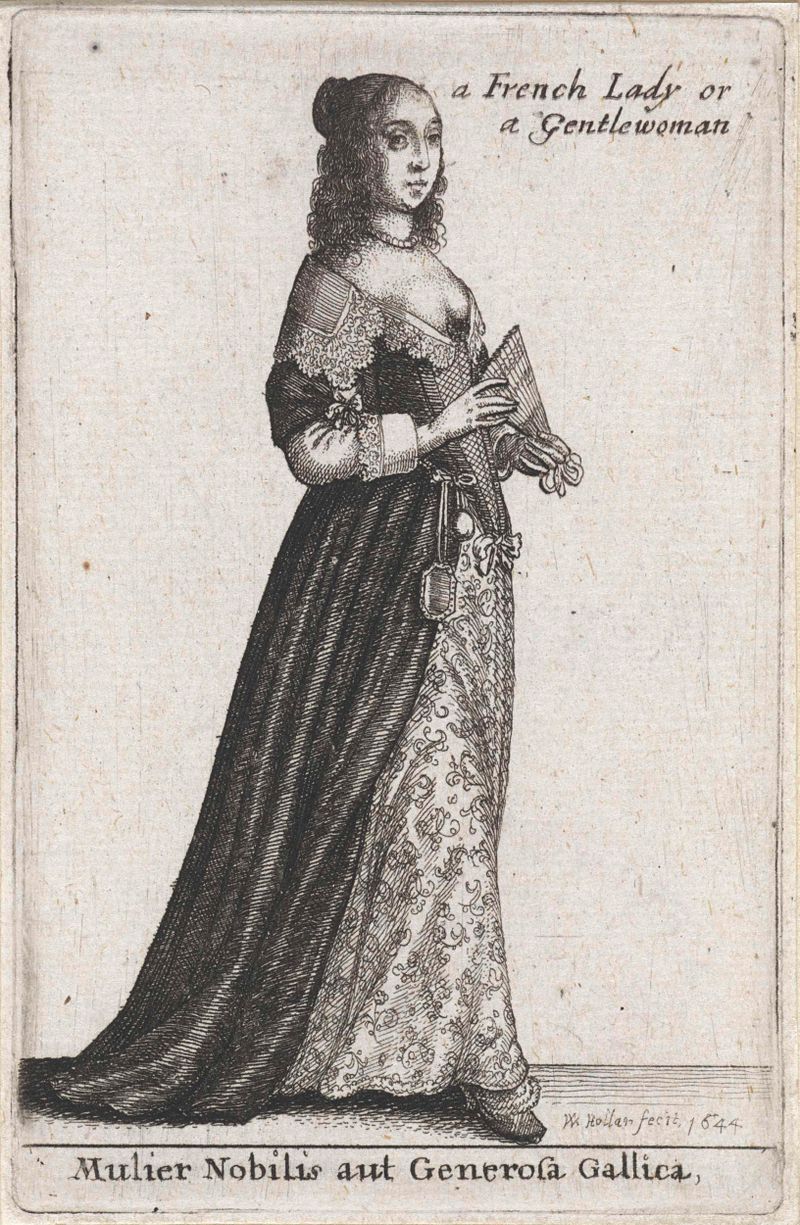
Mulier Nobilis aut Generosa Gallica / a French Lady or Gentlewoman
Wenceslaus Hollar
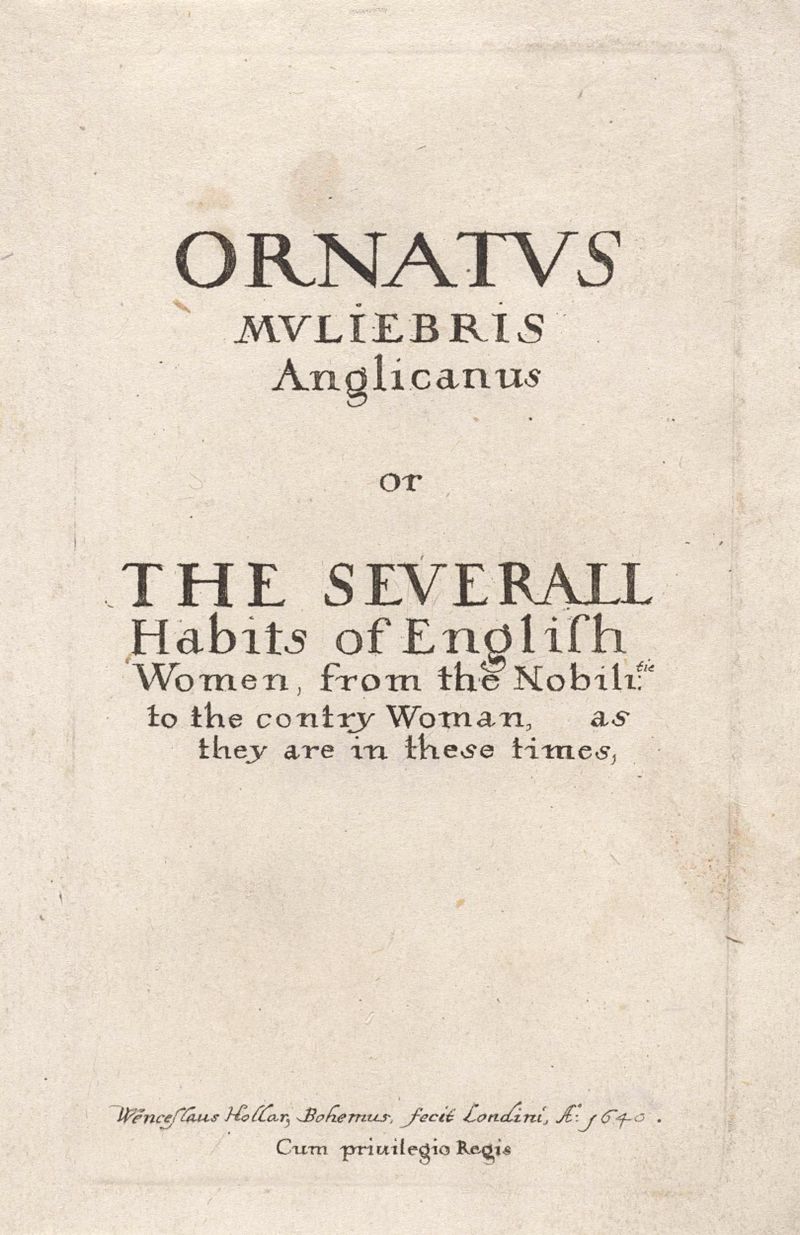
Titelprent voor: Ornatus Muliebris Anglicanus
Wenceslaus Hollar
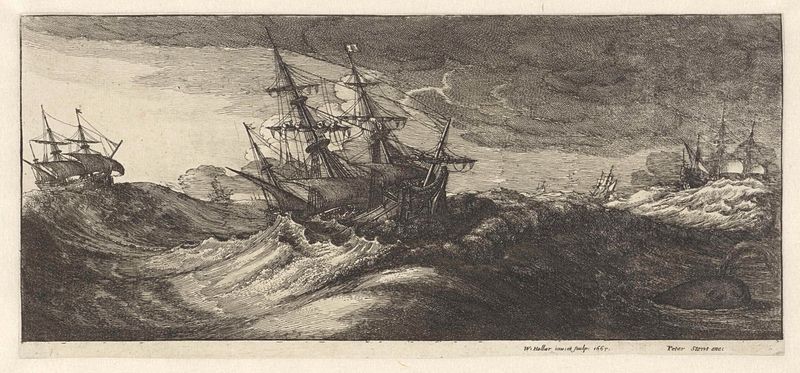
Oorlogsschepen en een walvis in een zeestorm
Wenceslaus Hollar
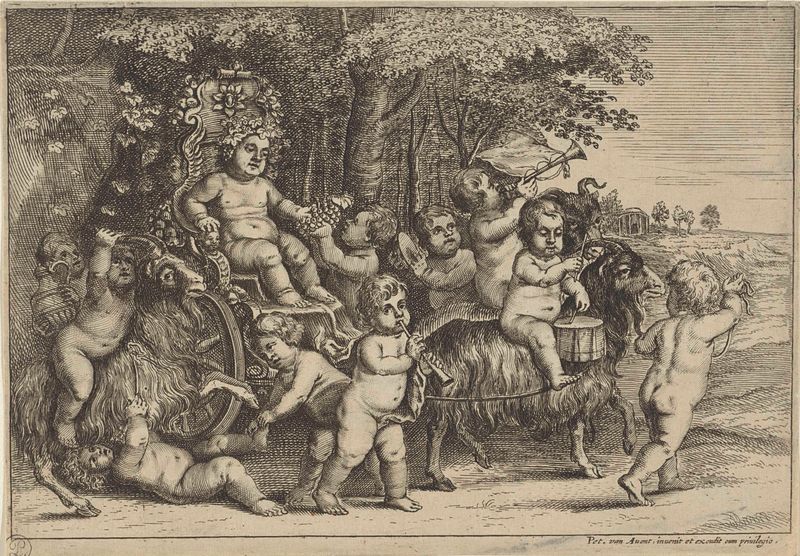
Optocht van bacchant en jongetjes op geiten
Wenceslaus Hollar
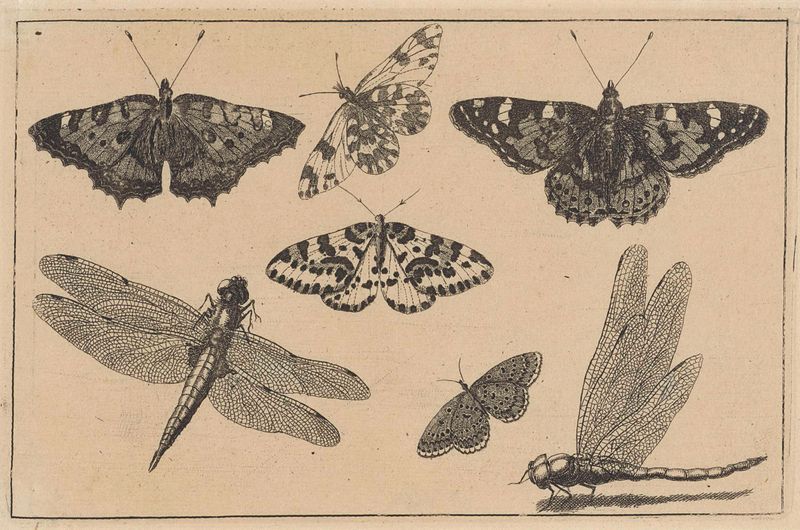
Twee libellen en vijf vlinders
Wenceslaus Hollar
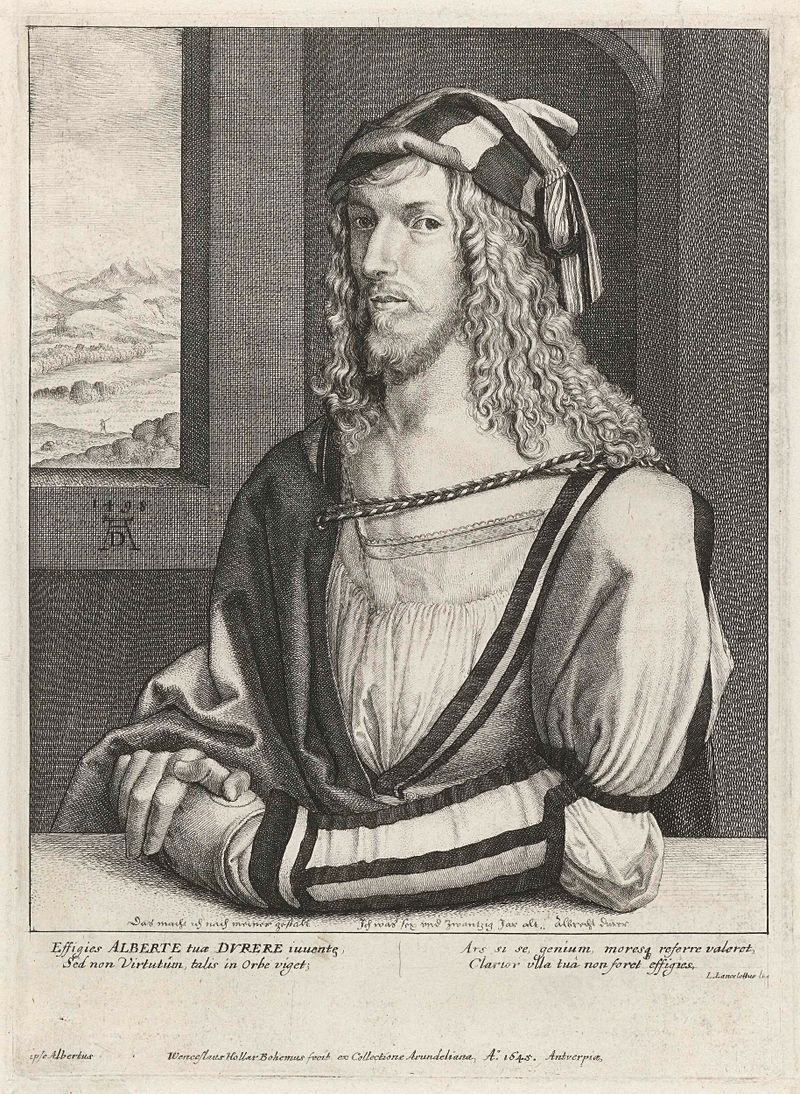
Portret van Albrecht Dürer
Wenceslaus Hollar
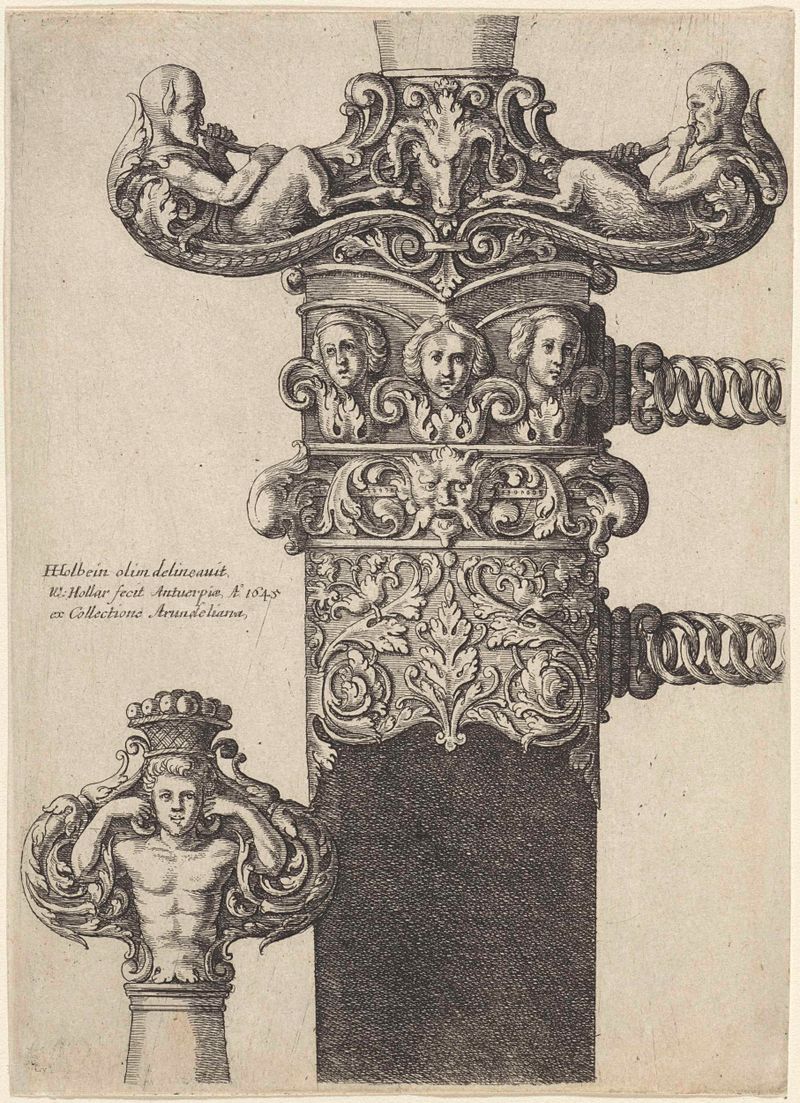
Ornamenteel ontwerp voor een dolk
Wenceslaus Hollar
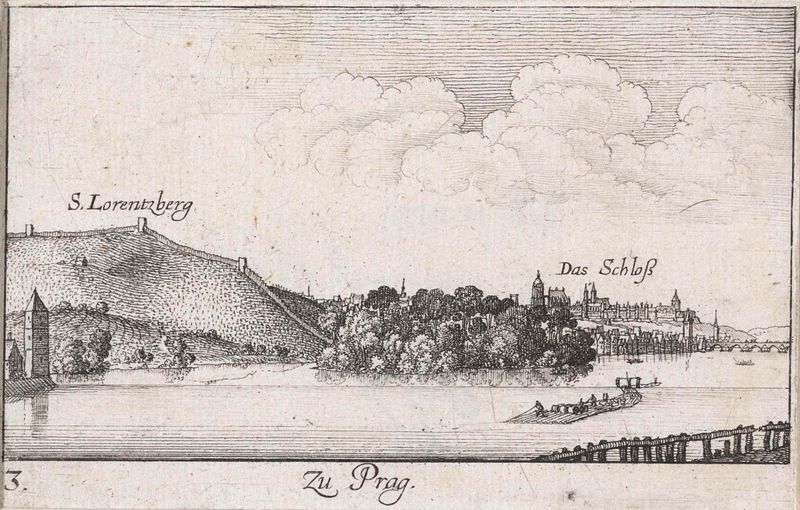
Gezicht op Praag vanaf de Moldau
Wenceslaus Hollar