
Gespleten wilg De gewonde — History & Facts
When did color learn to lie? In the depths of the canvas, vibrant hues pulse with an unsettling energy, beckoning the viewer to confront the madness that simmers just beneath the surface. Look to the left where a gnarled willow tree twists, its branches splayed like frantic fingers grasping at unseen shadows. The greens and browns intermingle in a blur, while splashes of crimson disrupt the natural palette, casting a haunting glow that suggests not only life but also decay. Notice how the light dances off the foliage, creating a dissonance between the serene landscape and the frenetic emotion it harbors. Delve deeper into the composition, and you’ll find a tension between beauty and chaos.
The interplay of light and shadow reveals a struggle—the tree stands resilient yet tormented, embodying both strength and fragility. Each brush stroke pulses with urgency, reflecting the artist’s turbulent inner world. The vibrant colors can be seen as both a celebration of nature and a commentary on the madness that often coexists within it, challenging perceptions of normalcy. Simon Moulijn painted this piece in 1925, during a time when the art world was experiencing profound shifts.
Living in the Netherlands, he was influenced by the rise of modernism and the emotional expressionism that defined the era. The post-war landscape was both a canvas and a battleground for artists seeking to capture the complexities of human experience, and this work emerges as a poignant reflection of that tumultuous time.
More Artworks by Simon Moulijn
Browse all →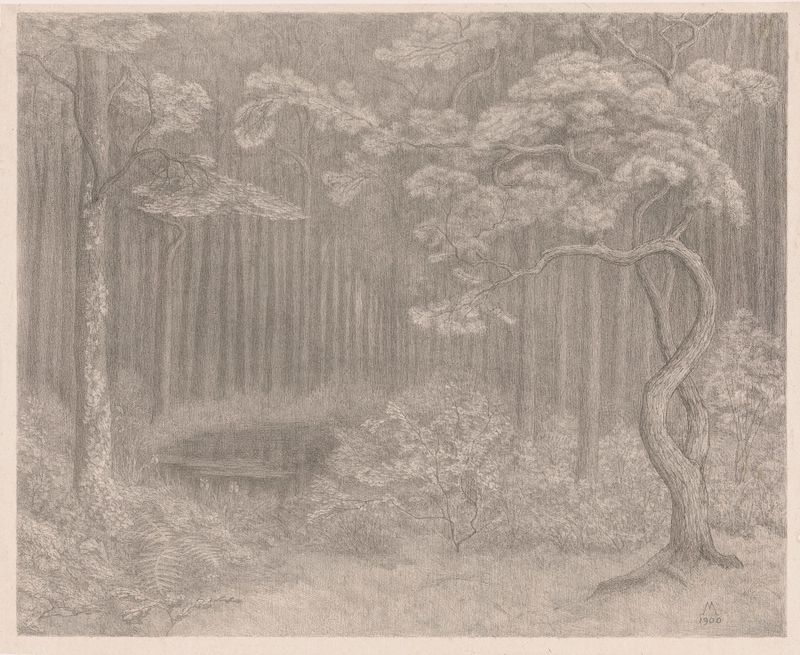
Bosgezicht
Simon Moulijn
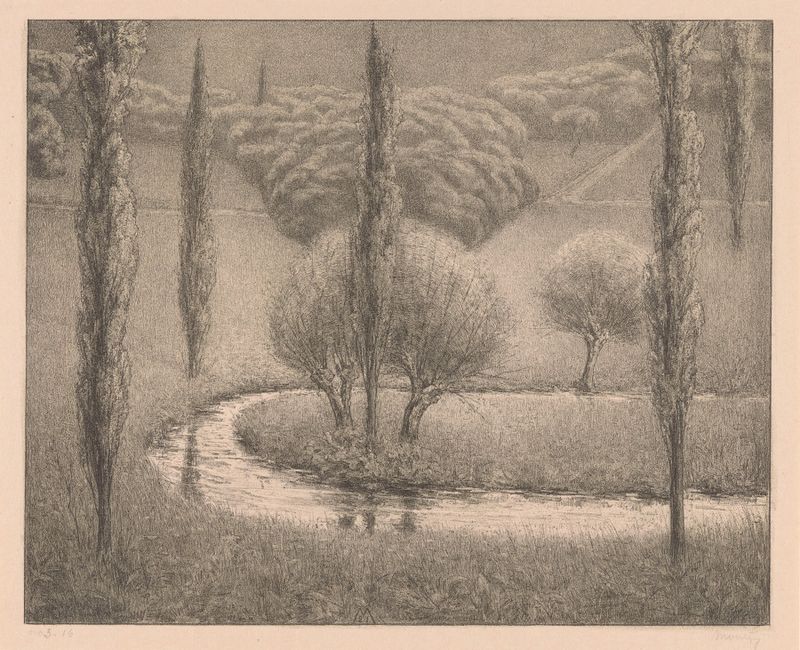
Landschap met wilgen en populieren
Simon Moulijn
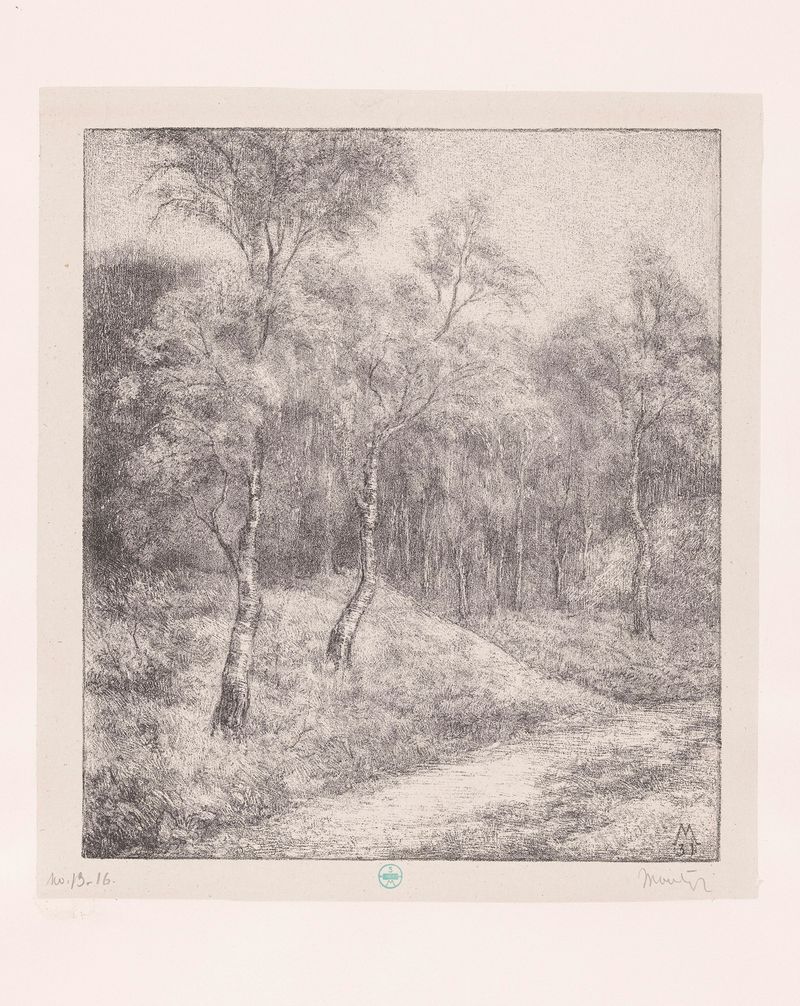
Bospad met berken
Simon Moulijn
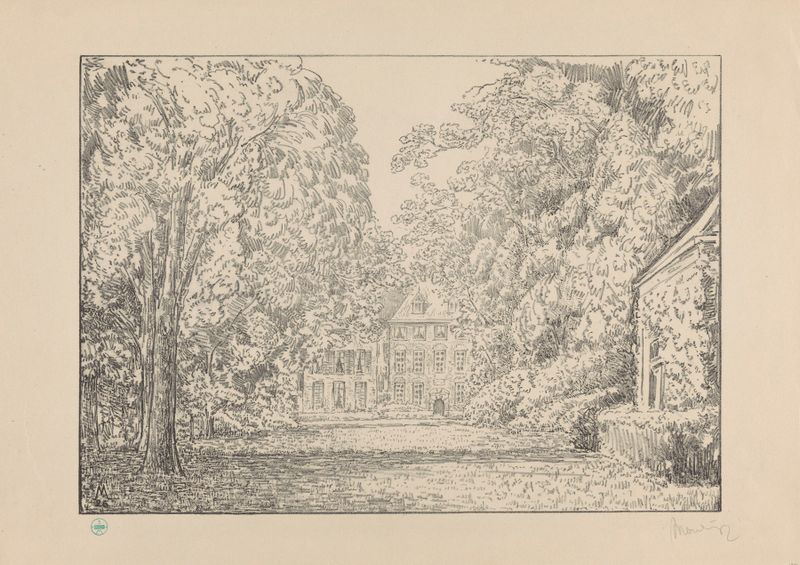
Gezicht op kasteel Duivenvoorde vanuit de tuin Duivenvoorde I
Simon Moulijn
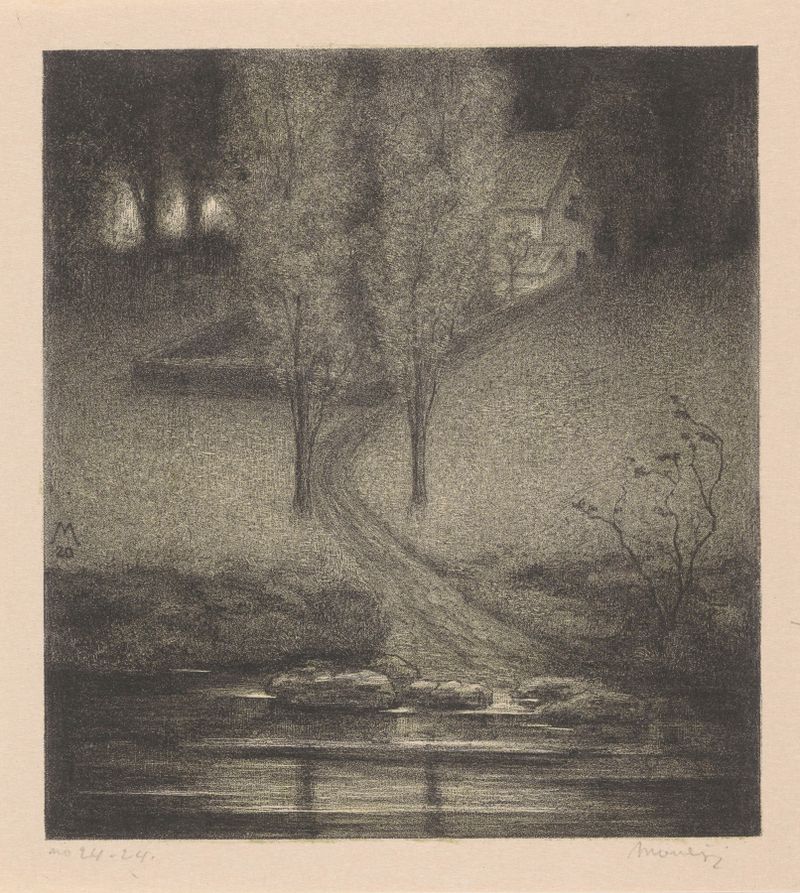
Populieren aan een beek
Simon Moulijn
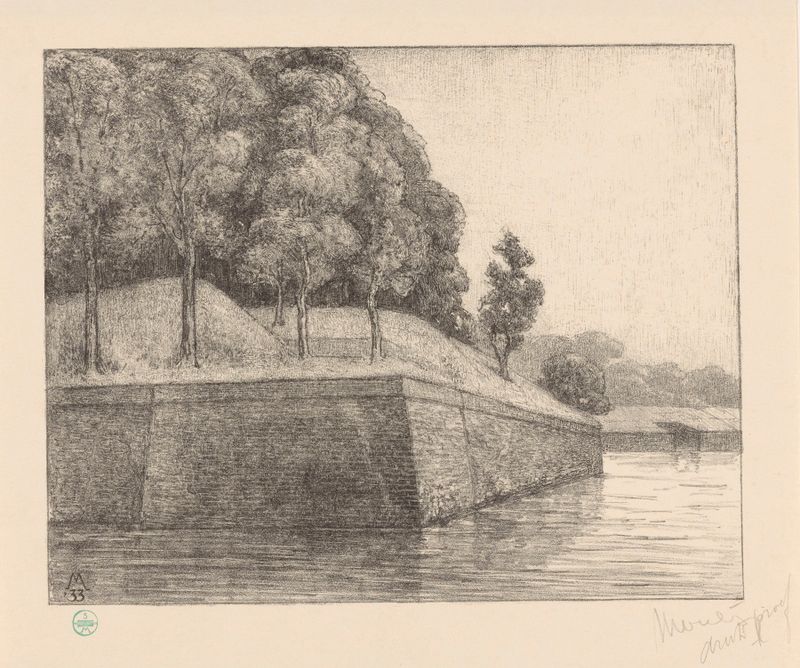
Gezicht op bastion Oud-Molen (westzijde)
Simon Moulijn
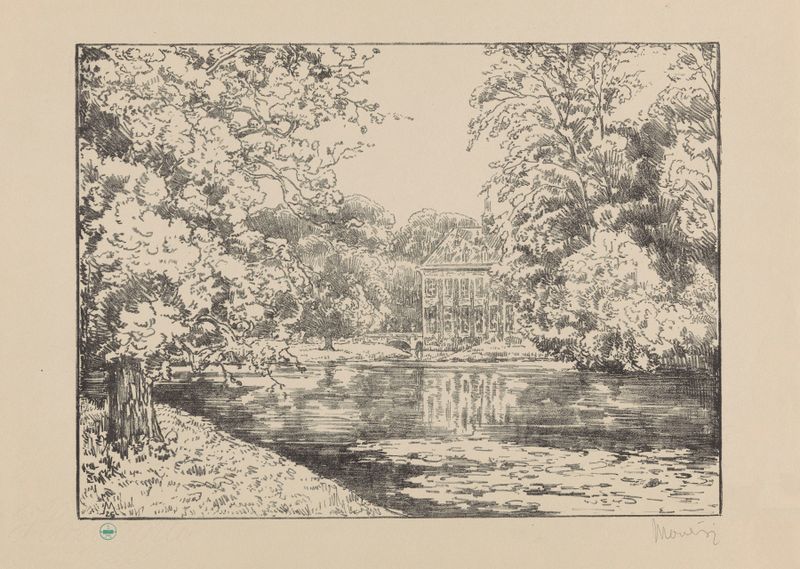
Kasteel Duivenvoorde aan vijver Duivenvoorde II
Simon Moulijn
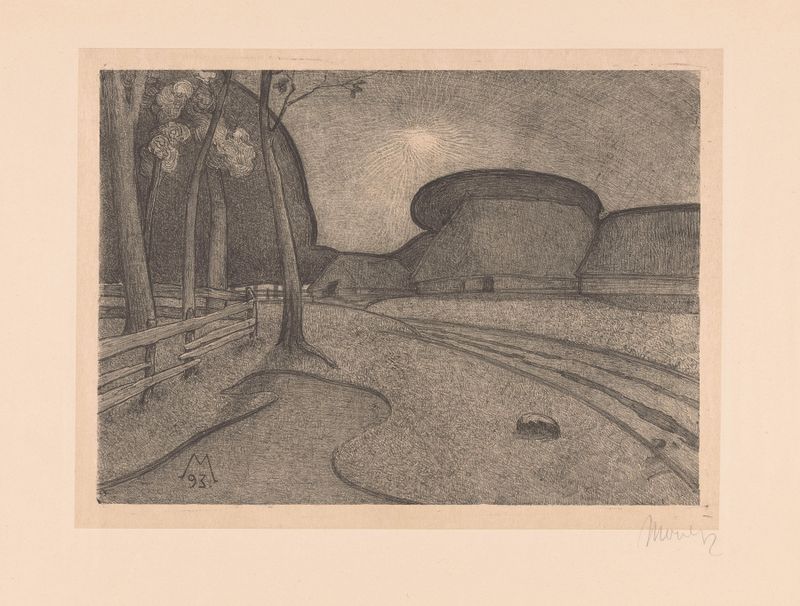
Landschap met boerderij Avond
Simon Moulijn
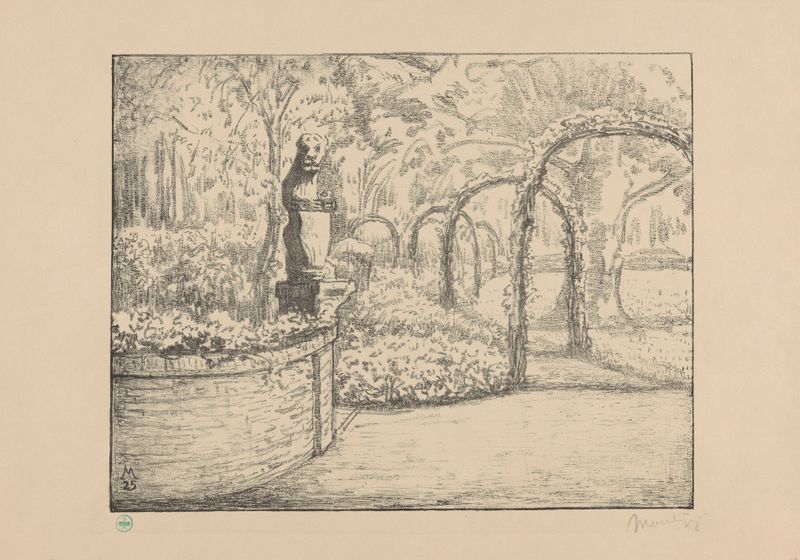
Tuin met rozenbogen op landgoed Zorgvliet Zorgvliet I
Simon Moulijn
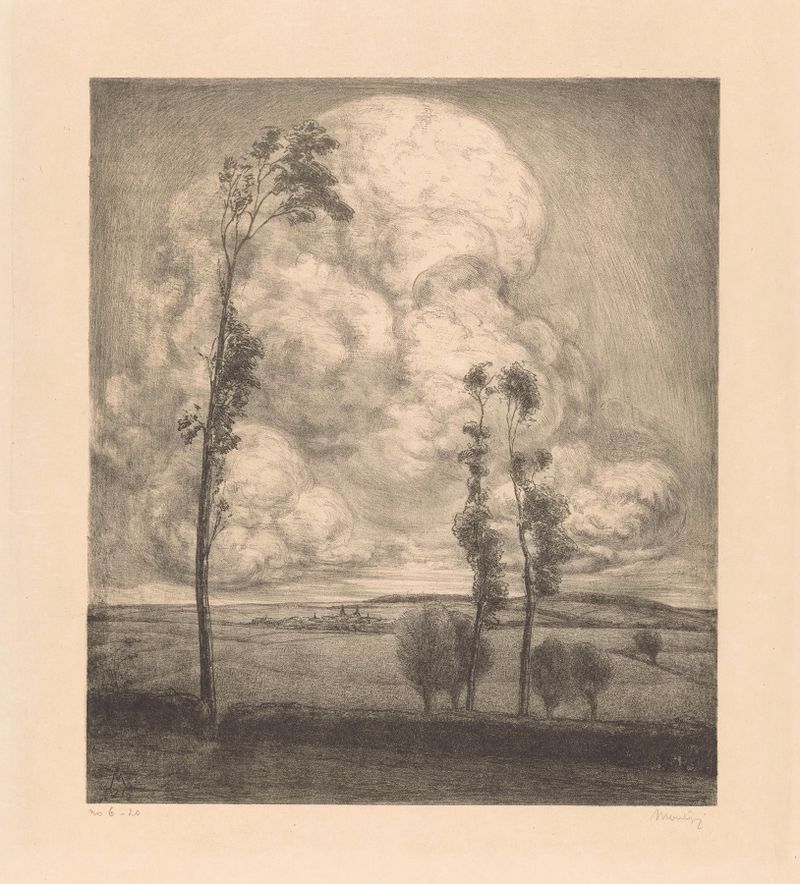
Wolken boven glooiend landschap
Simon Moulijn





