
Gewitter über dem Rosengarten bei Bozen — History & Facts
In the heart of nature, where colors bleed into each other, something stirs—a quiet awakening. The canvas resonates with unspoken truths, inviting us to confront the emotional undercurrents beneath its tranquil surface. Focus on the swirling clouds that dominate the upper portion of the artwork. Their dark, ominous hues contrast sharply with the vibrant roses below, creating an atmospheric tension that draws the eye.
Notice how the brushstrokes express movement, as if the wind itself were captured mid-sigh. The juxtaposition of the lush garden against the brewing storm evokes a vivid interplay of life and foreboding, crafting a narrative where beauty and uncertainty coexist. The roses, vivid and lush, symbolize both fragility and resilience amid the turmoil above. Each bloom stands defiantly against the encroaching darkness, embodying the theme of awakening and renewal.
In the distance, the mountains loom quietly, their presence suggesting an unyielding permanence, while the swirling clouds hint at imminent change. Through these elements, a dialogue unfolds about the duality of existence—joy and sorrow, life and decay—reminding us that beauty often thrives in the face of adversity. In 1914, amid a world on the brink of war, the artist found himself in Bozen, a tranquil escape from the rising tensions in Germany. This moment marked a pivotal shift in his work, as he began to explore deeper emotional landscapes through impressionistic techniques.
The painting reflects not only his personal journey but also the collective yearning for peace in an increasingly chaotic world, encapsulating a moment of quiet reflection before the storm.
More Artworks by Max Slevogt
Browse all →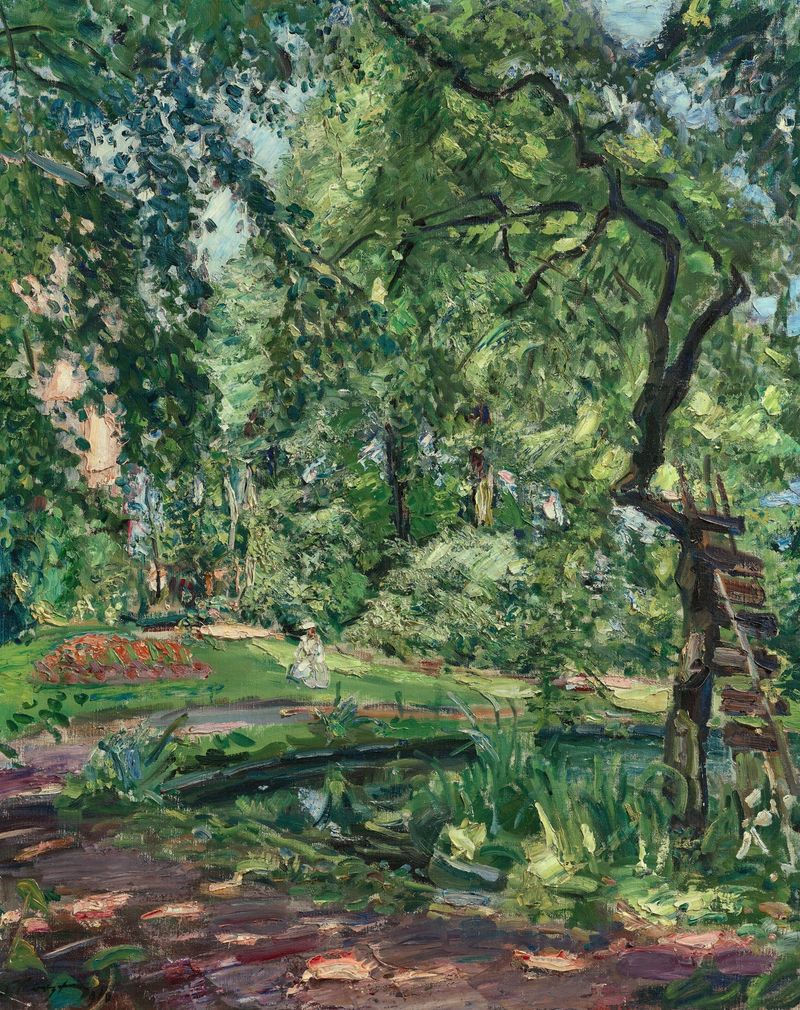
Garten in Godramstein mit verwachsenem Baum und Weiher
Max Slevogt
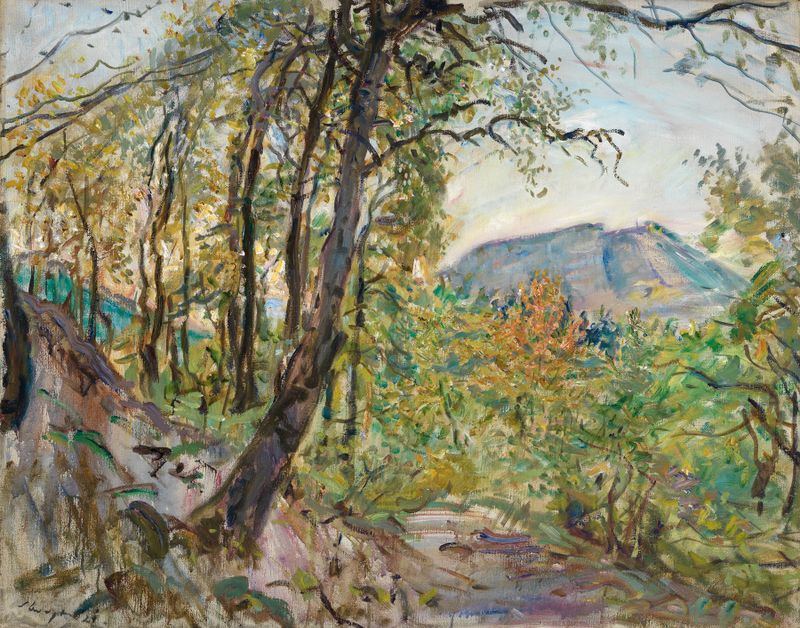
Pfälzische Landschaft
Max Slevogt
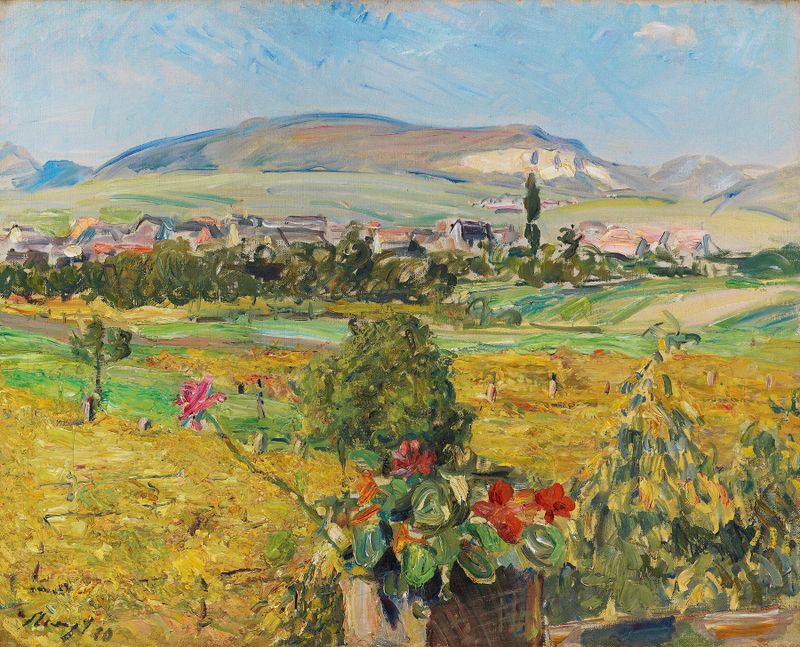
Pfälzer Landschaft
Max Slevogt

Kinder am Weiher (Garten in Godramstein)
Max Slevogt
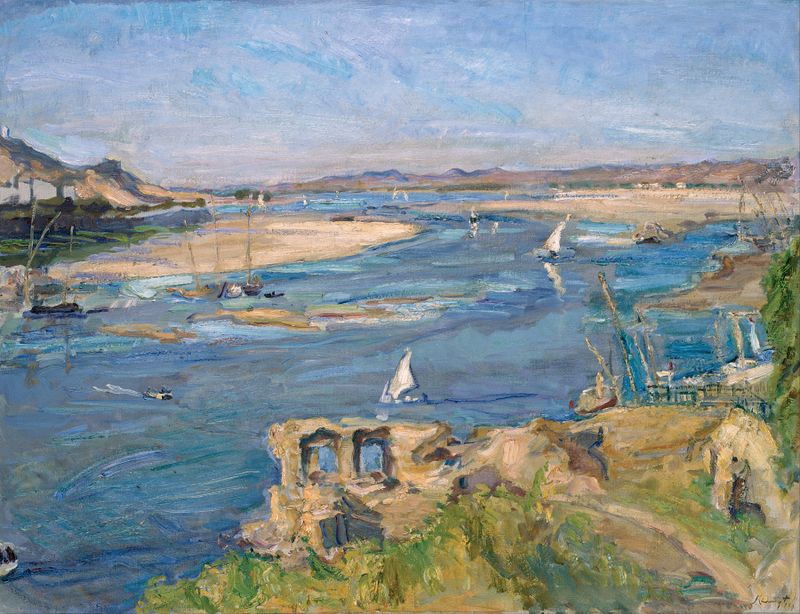
The Nile near Aswan
Max Slevogt
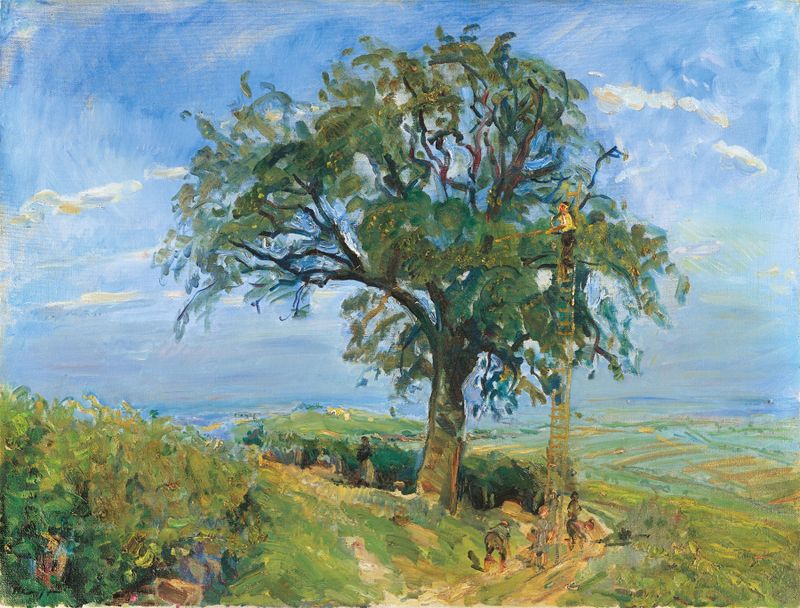
Fruit harvest in the Palatinate (The pear tree)
Max Slevogt
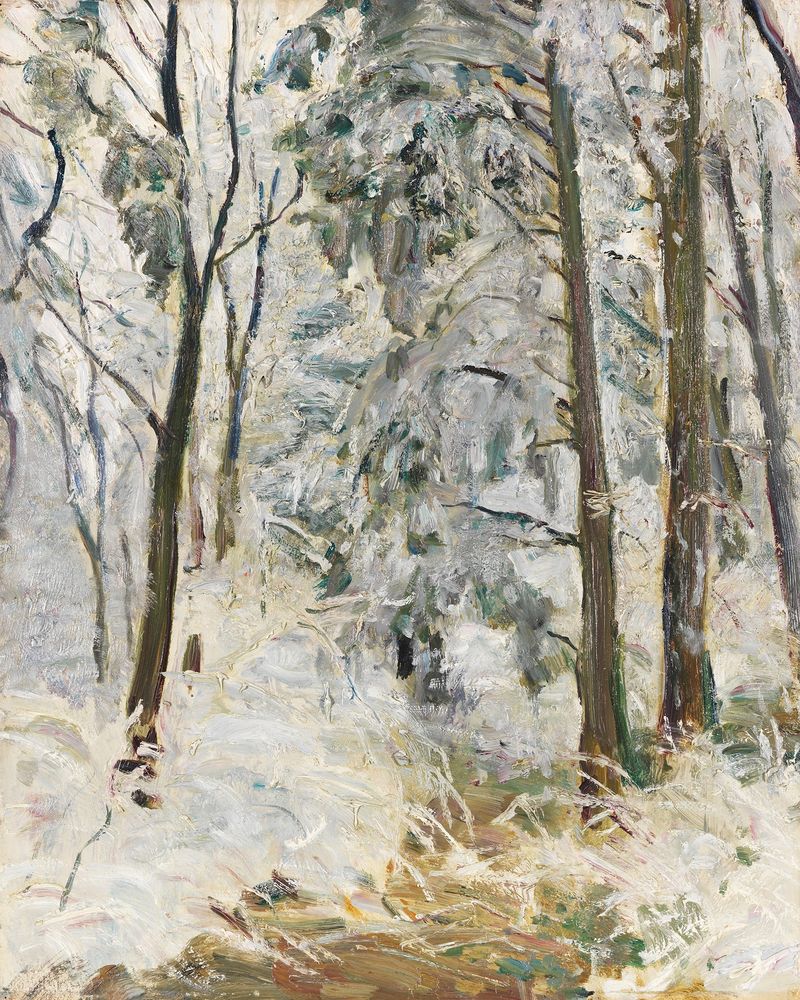
Verschneiter Waldweg
Max Slevogt
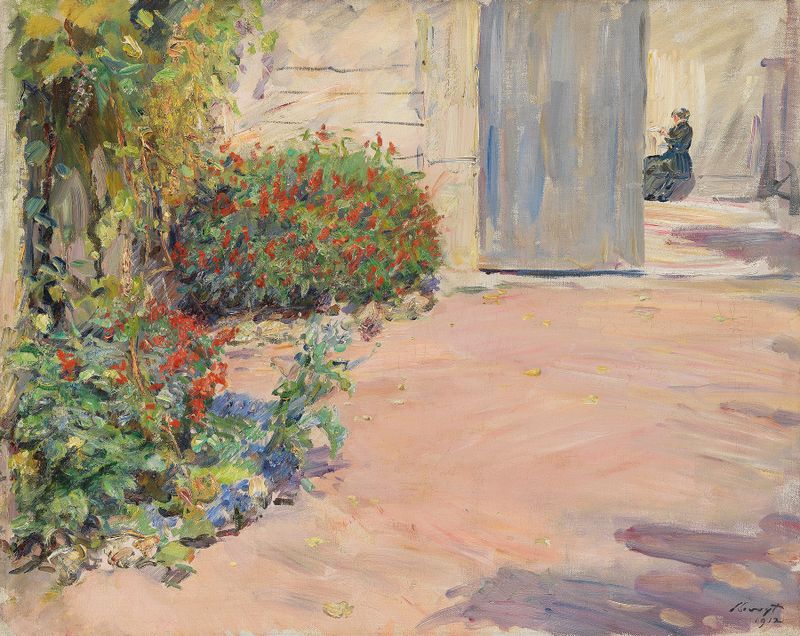
Gartenweg zum Sommerhaus (Godramstein)
Max Slevogt

Grape harvest at Neukastel
Max Slevogt
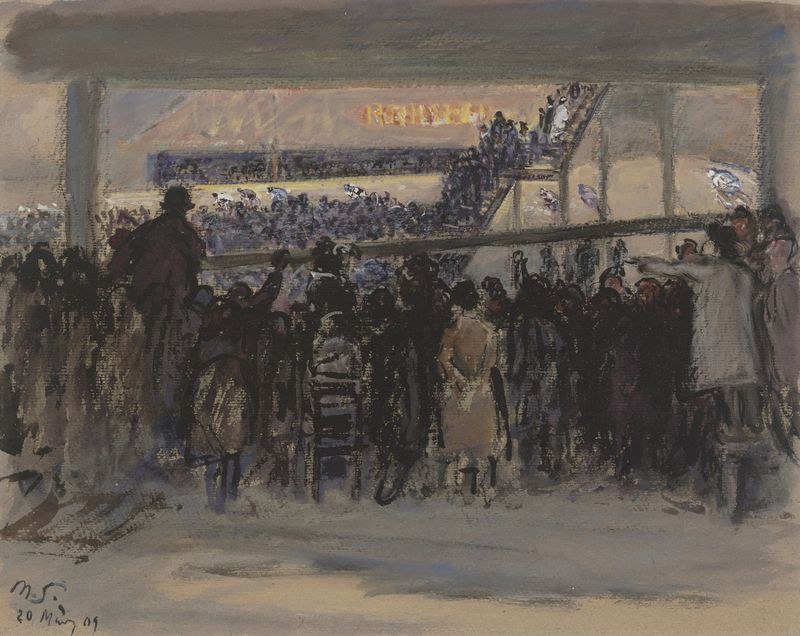
Berliner Sechstagerennen
Max Slevogt





