
Gezicht op aquaduct en de stad Tarente — History & Facts
In the intricate tapestry of life, destiny often reveals itself in the most unexpected places, echoing the silent narratives of landscapes both seen and unseen. Look to the foreground of this vibrant composition, where the aqueduct arises, its arches breaking the horizon, a testament to human ingenuity amid nature’s embrace. The sky, painted in a gradient of blues and soft whites, frames the structure, capturing an ethereal quality that dances with the light. Rich greens and earthy tones create a bridge between the man-made and the natural, drawing the eye upward and into the serene panorama of Tarente beyond, where the city's silhouette melds seamlessly with the distant hills. Within this scene lies an interplay of permanence and transience—the aqueduct stands robust, an enduring symbol, while the city whispers tales of change and adaptation.
Notice the gentle strokes that suggest movement in the trees, hinting at the winds of change that sweep through the landscape. The layers of color and texture evoke a sense of nostalgia, urging viewers to reflect on the passage of time, as if the canvas is a portal to the destinies intertwined within this serene vista. In 1778, while residing in Italy, the artist captured this moment during a period of exploration and deepening engagement with nature. Ducros was influenced by the burgeoning Romantic movement, which sought to express emotion through landscapes.
His work reflects a shift toward a more personal interpretation of scenery, heralding a transformation in how we perceive the connection between humanity and the natural world.
More Artworks by Abraham-Louis-Rodolphe Ducros
Browse all →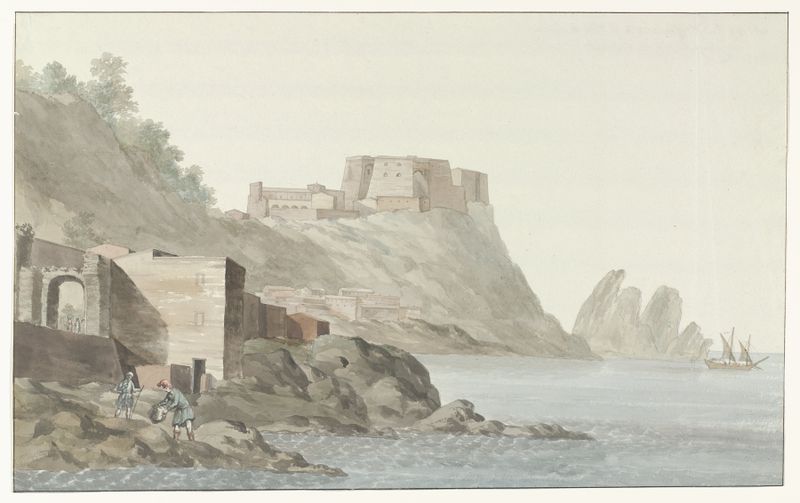
Rots en stad Scilla in de regio Calabrië aan de oostkust
Abraham-Louis-Rodolphe Ducros
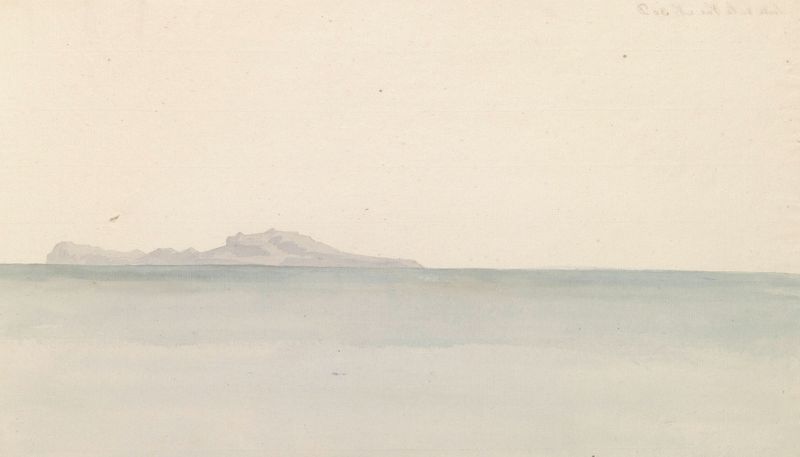
Gezicht op Golf van Napels vanaf kade bij kerk Santa Maria del Carmine
Abraham-Louis-Rodolphe Ducros
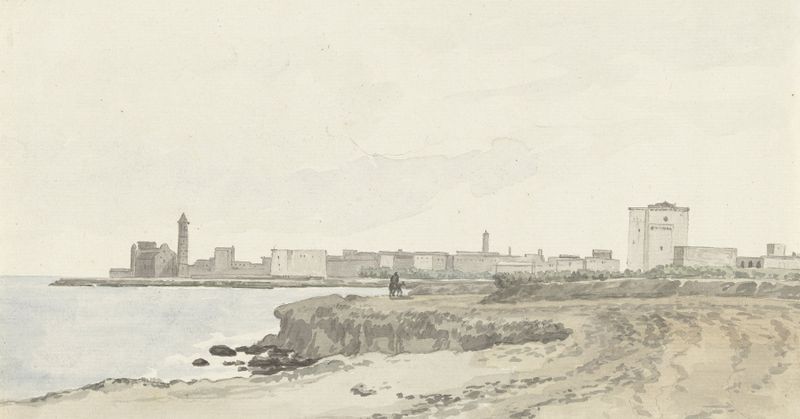
Gezicht op Trani gelegen aan de kust
Abraham-Louis-Rodolphe Ducros
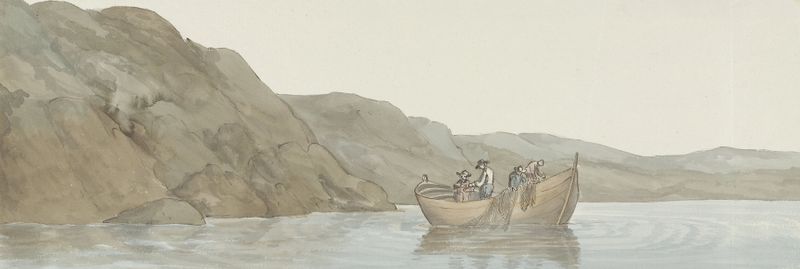
Gezicht op Kaap Paceco in Calabrië nabij de stad Scilla
Abraham-Louis-Rodolphe Ducros
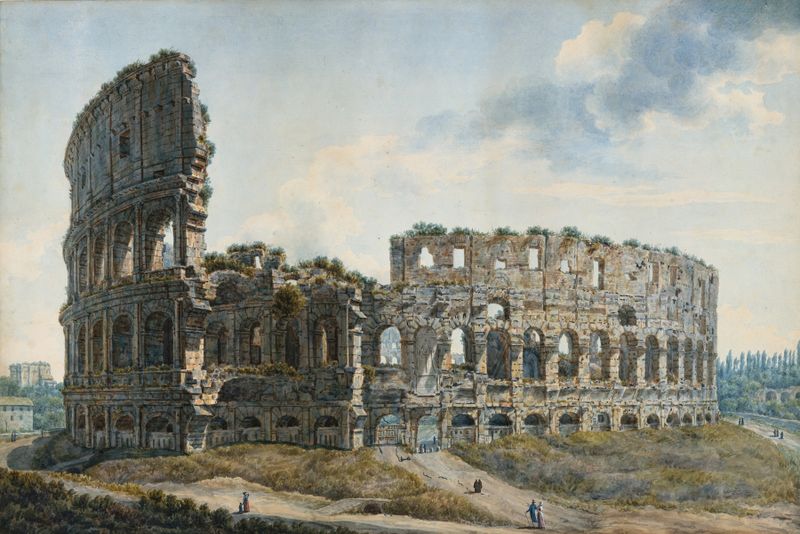
The Colosseum, Rome.
Abraham-Louis-Rodolphe Ducros
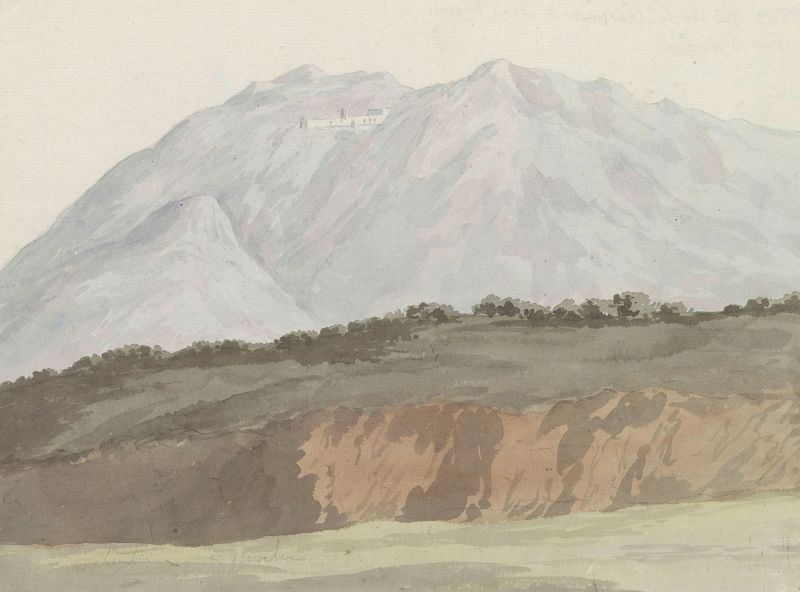
Gezicht op kartuizerklooster van Monte Vergine hoog gelegen boven Avellino
Abraham-Louis-Rodolphe Ducros
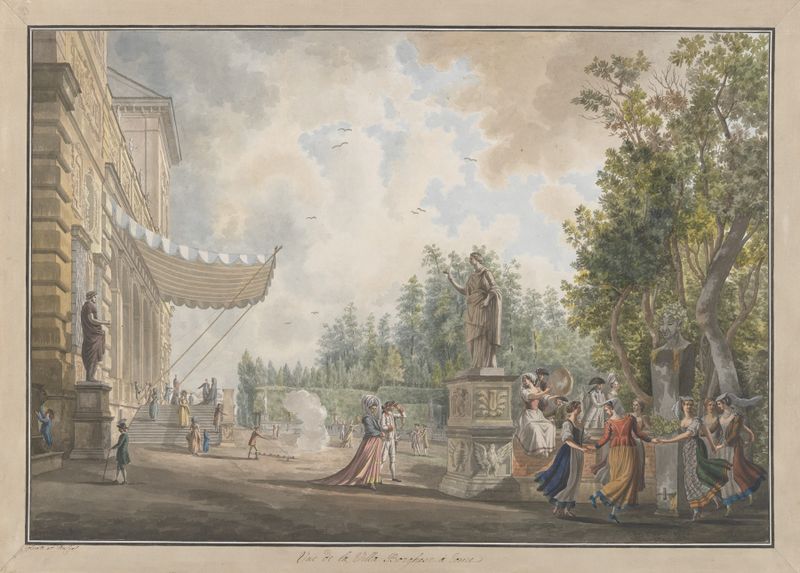
Villa Borghese
Abraham-Louis-Rodolphe Ducros
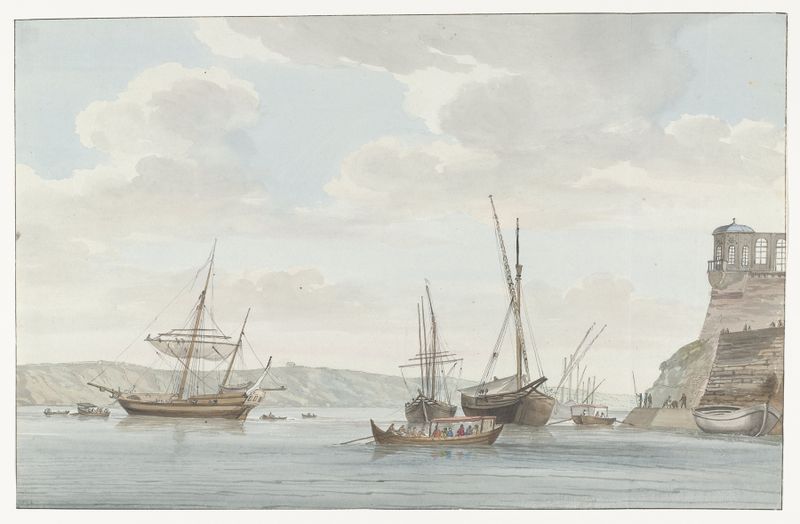
Tuinhuis van de Jardin du Grand Maître uittorend boven de haven met galei schepen op Malta
Abraham-Louis-Rodolphe Ducros
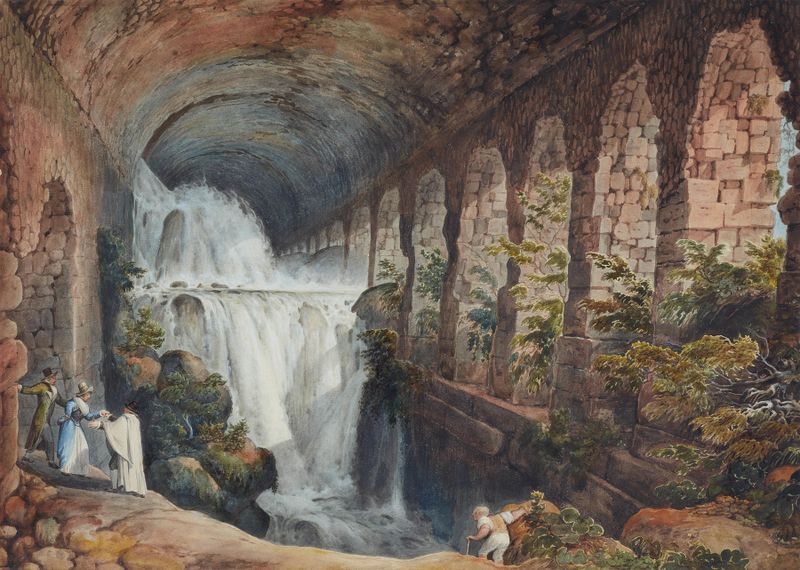
Aquädukt unter der Villa des Maecenas in Tivoli
Abraham-Louis-Rodolphe Ducros
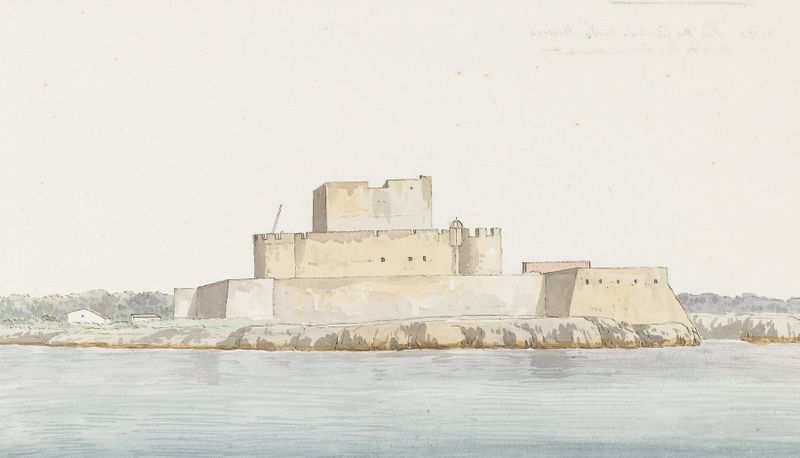
Gezicht op kasteel van San Mauro la Bruca vanaf zee bij aankomst
Abraham-Louis-Rodolphe Ducros





