
Gezicht op Barletta gelegen aan de kust — History & Facts
In its stillness, it holds secrets, whispers of betrayal hidden within strokes of paint. Each corner of the artwork invites contemplation, urging us to peer into the depths of its serene facade. Focus on the expansive horizon, where the azure sky meets the gentle waves lapping at the shore. Look closely at the quaint buildings of Barletta, their warm hues bathed in sunlight, yet cast against shadows that suggest something sinister lurking beneath the beauty.
The clarity of the foreground contrasts with the hazy distance, creating a tension that pulls the viewer’s gaze back and forth, as if searching for an elusive truth. Notice how the figures in the scene — small and seemingly insignificant — stand in juxtaposition to the grandiosity of nature around them. Their gestures are subtle yet poignant, evoking a sense of longing or perhaps regret. The intricate brushwork captures the ebb and flow of emotions, as the coastal landscape both cradles and conceals the human experience within its embrace. Ducros painted this work in 1778 during a time of shifting artistic movements across Europe, delving into the sublime nature of landscapes.
Living in Rome, he was influenced by the neoclassical style emerging in Italy while also exploring themes of realism in his depictions. This period marked a turning point in his career, as he sought to capture not only the beauty of the world but also the complexity of human emotions entwined within it.
More Artworks by Abraham-Louis-Rodolphe Ducros
Browse all →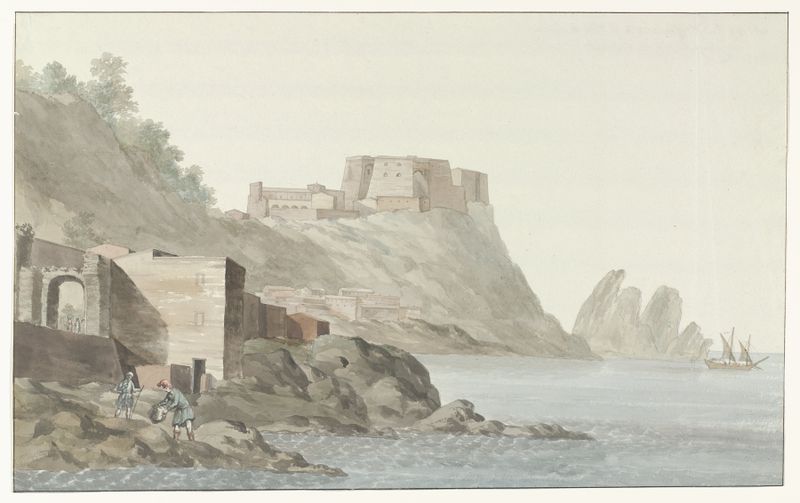
Rots en stad Scilla in de regio Calabrië aan de oostkust
Abraham-Louis-Rodolphe Ducros
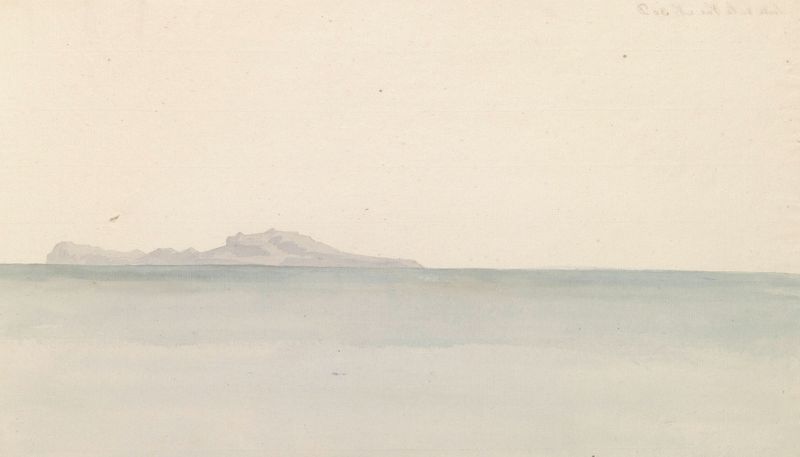
Gezicht op Golf van Napels vanaf kade bij kerk Santa Maria del Carmine
Abraham-Louis-Rodolphe Ducros
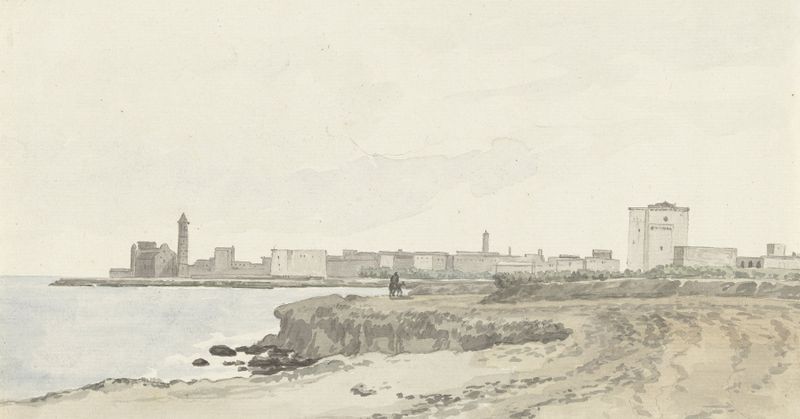
Gezicht op Trani gelegen aan de kust
Abraham-Louis-Rodolphe Ducros
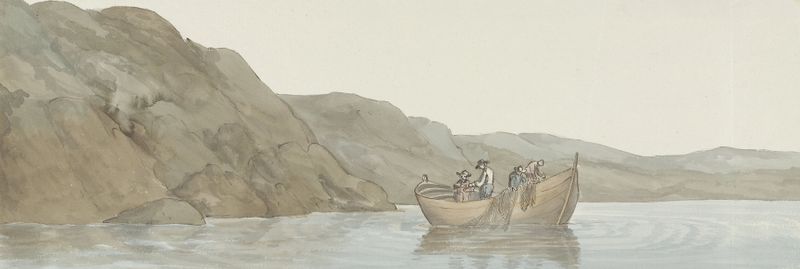
Gezicht op Kaap Paceco in Calabrië nabij de stad Scilla
Abraham-Louis-Rodolphe Ducros
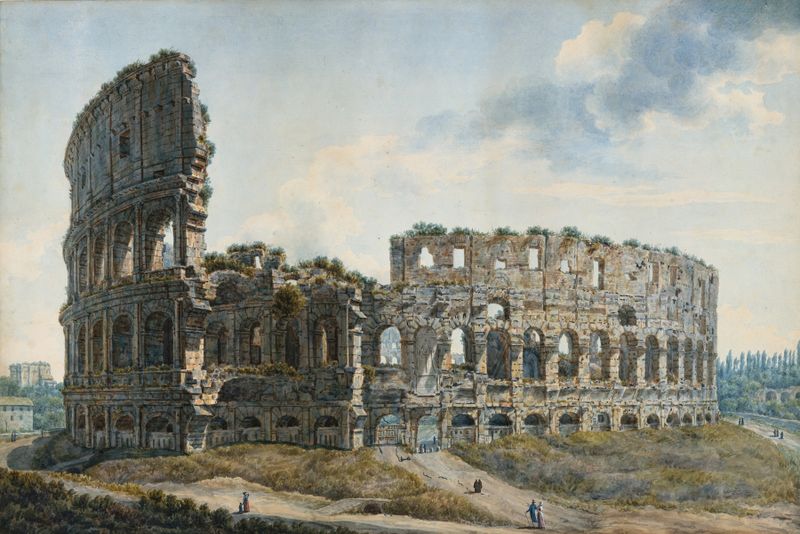
The Colosseum, Rome.
Abraham-Louis-Rodolphe Ducros
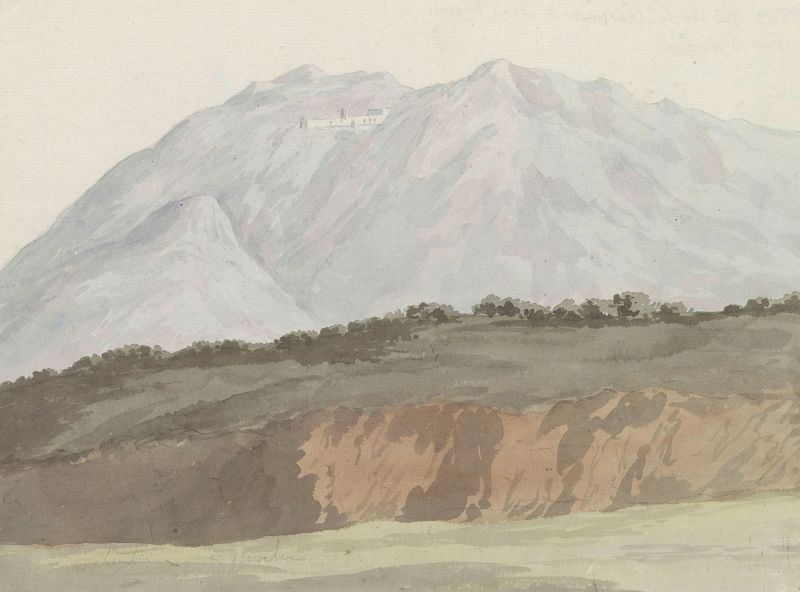
Gezicht op kartuizerklooster van Monte Vergine hoog gelegen boven Avellino
Abraham-Louis-Rodolphe Ducros
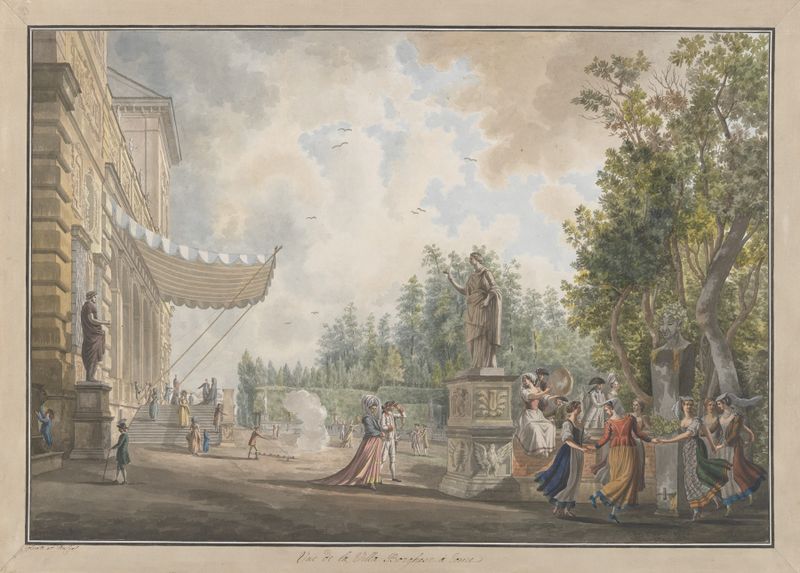
Villa Borghese
Abraham-Louis-Rodolphe Ducros
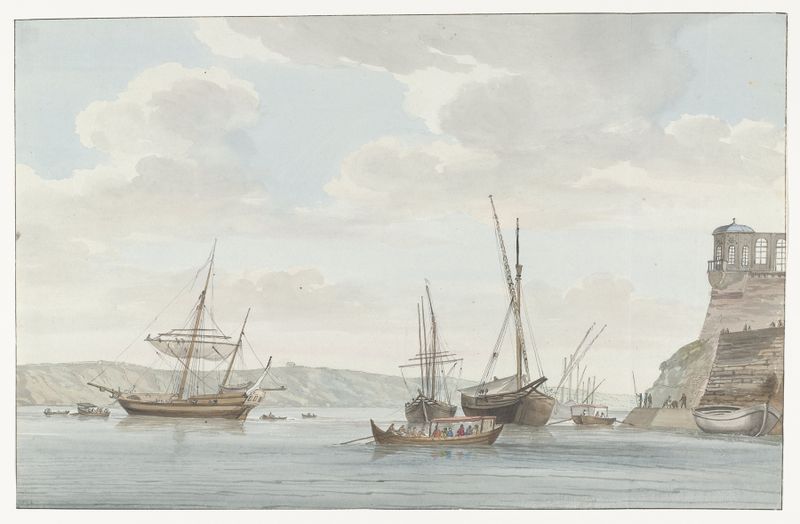
Tuinhuis van de Jardin du Grand Maître uittorend boven de haven met galei schepen op Malta
Abraham-Louis-Rodolphe Ducros
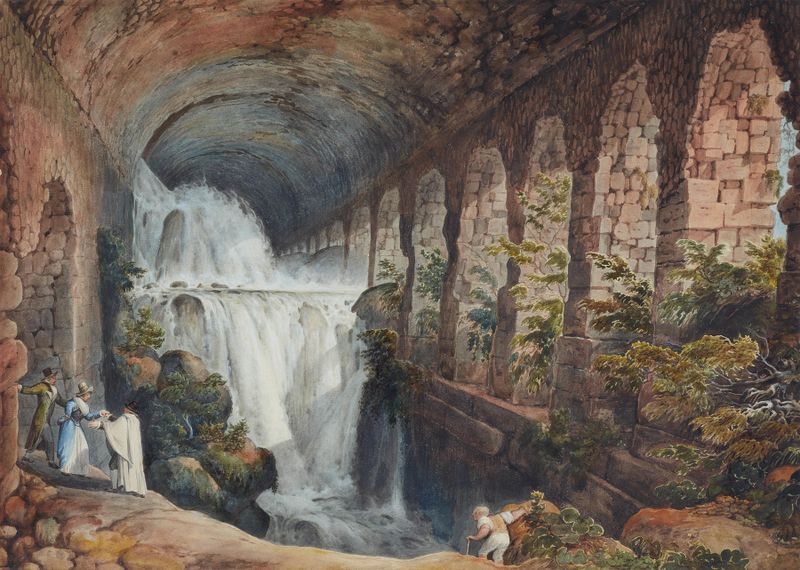
Aquädukt unter der Villa des Maecenas in Tivoli
Abraham-Louis-Rodolphe Ducros
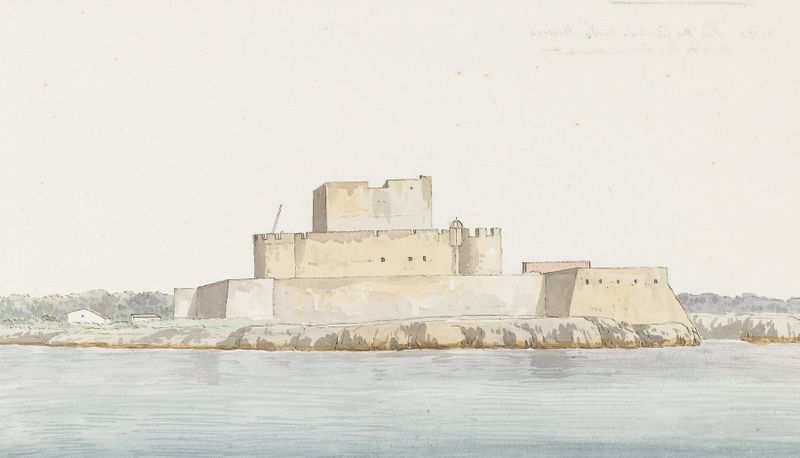
Gezicht op kasteel van San Mauro la Bruca vanaf zee bij aankomst
Abraham-Louis-Rodolphe Ducros





