
Gezicht op Capo Passero — History & Facts
In the delicate interplay of hues, a world comes alive, whispering stories from the past through the vibrancy of the canvas. Focus first on the expanse of azure sky that dominates the upper section, where soft white clouds drift lazily, hinting at the warm embrace of the sun. Look toward the foreground, where the rugged coastline meets the tranquil sea, painted in an array of blues and greens that invite the viewer to trace the contours of the land. Notice how the golden ochre of the earth contrasts with the lush vegetation, each brushstroke revealing a meticulous attention to the beauty of nature.
The light dances across the surface of the water, creating shimmering reflections that capture the essence of a serene moment in time. Delve deeper into the subtle tensions present in the piece. The juxtaposition of the vibrant colors against the calm scene evokes a sense of quiet contemplation, as if the viewer is peering into a fleeting memory. The distant mountains, rendered in soft pastels, hint at both the majesty and the distance of nature, while the small boats anchored nearby symbolize humanity's delicate relationship with the vastness of the landscape.
Each element works in harmony, yet suggests an underlying narrative of exploration and tranquility. Created in 1778, the artist rendered this scene while residing in Italy, a period marked by the rise of neoclassicism and the burgeoning interest in landscape painting. Ducros found inspiration in the Italian vistas, as Europe was experiencing a cultural renaissance focused on beauty and nature. His meticulous technique and vivid colors captured not only the physical landscape but also reflected the emotional depth that art could convey during an era rich with artistic exploration.
More Artworks by Abraham-Louis-Rodolphe Ducros
Browse all →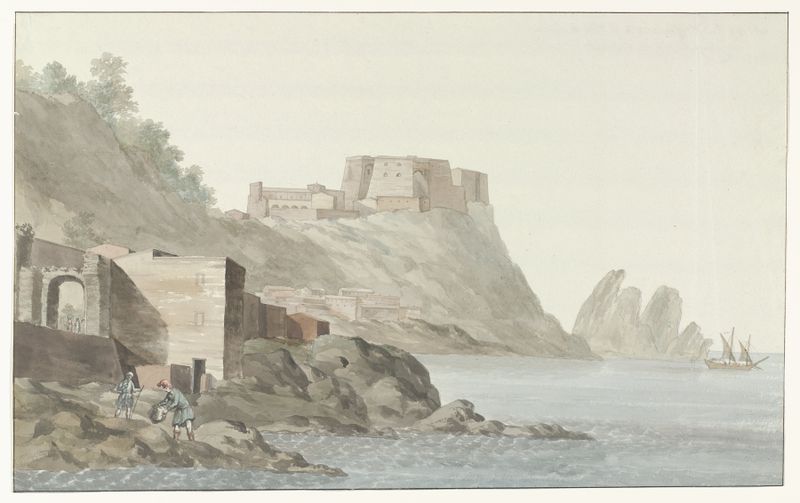
Rots en stad Scilla in de regio Calabrië aan de oostkust
Abraham-Louis-Rodolphe Ducros
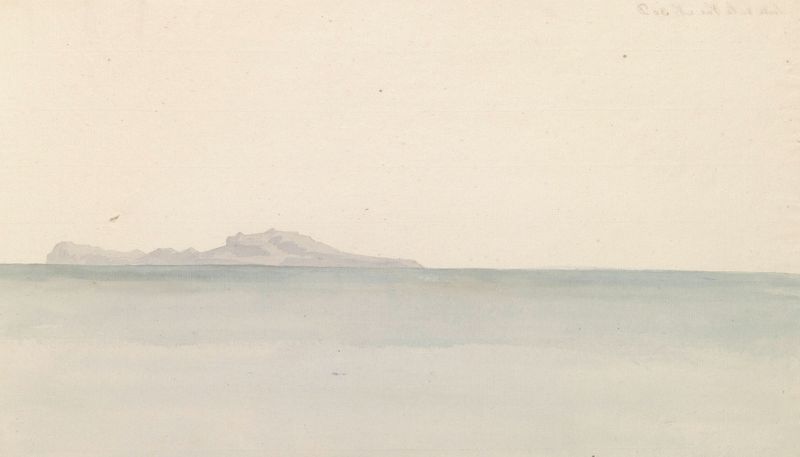
Gezicht op Golf van Napels vanaf kade bij kerk Santa Maria del Carmine
Abraham-Louis-Rodolphe Ducros
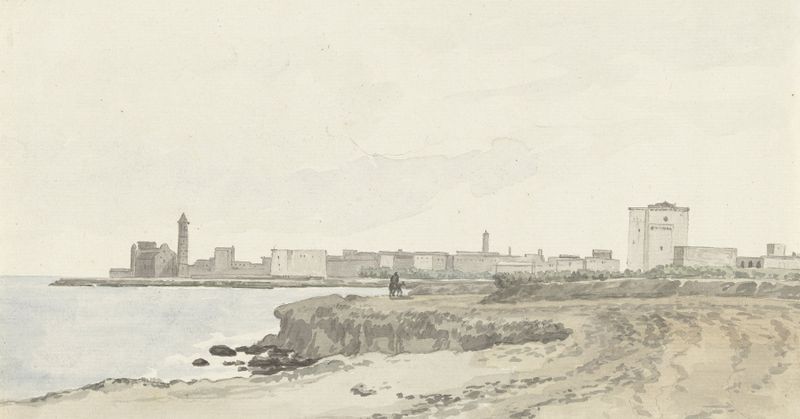
Gezicht op Trani gelegen aan de kust
Abraham-Louis-Rodolphe Ducros
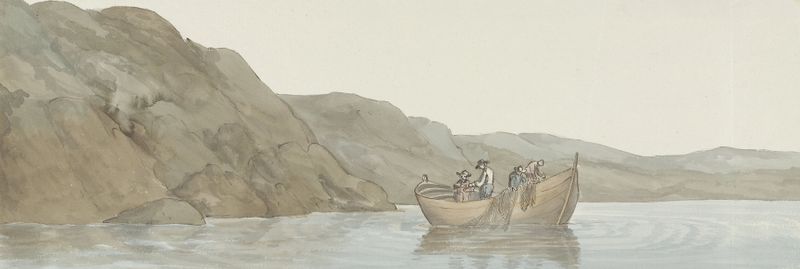
Gezicht op Kaap Paceco in Calabrië nabij de stad Scilla
Abraham-Louis-Rodolphe Ducros
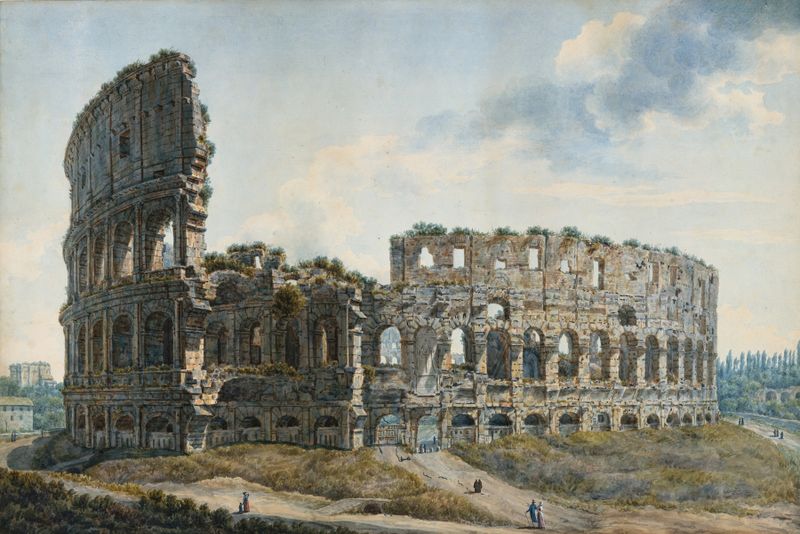
The Colosseum, Rome.
Abraham-Louis-Rodolphe Ducros
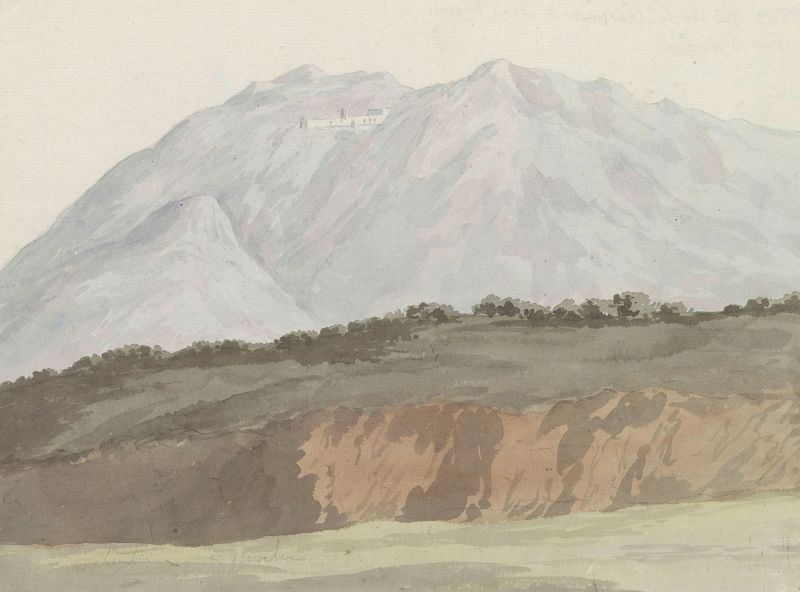
Gezicht op kartuizerklooster van Monte Vergine hoog gelegen boven Avellino
Abraham-Louis-Rodolphe Ducros
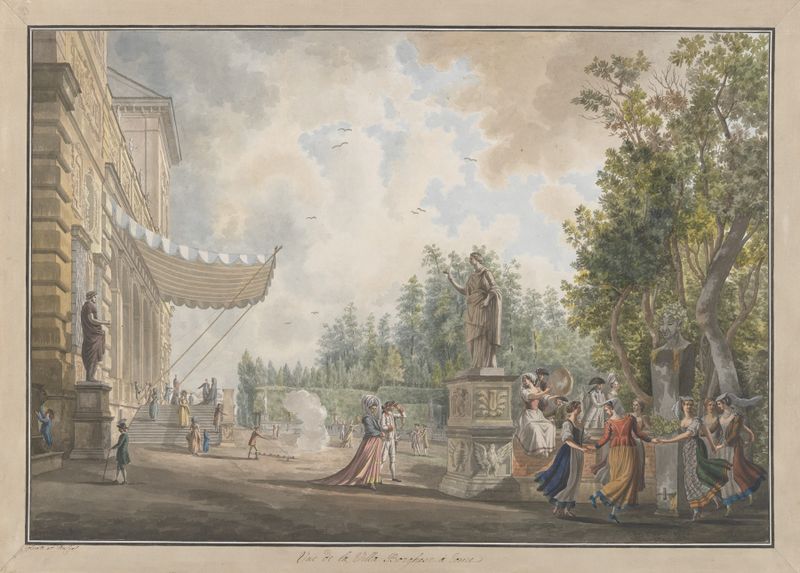
Villa Borghese
Abraham-Louis-Rodolphe Ducros
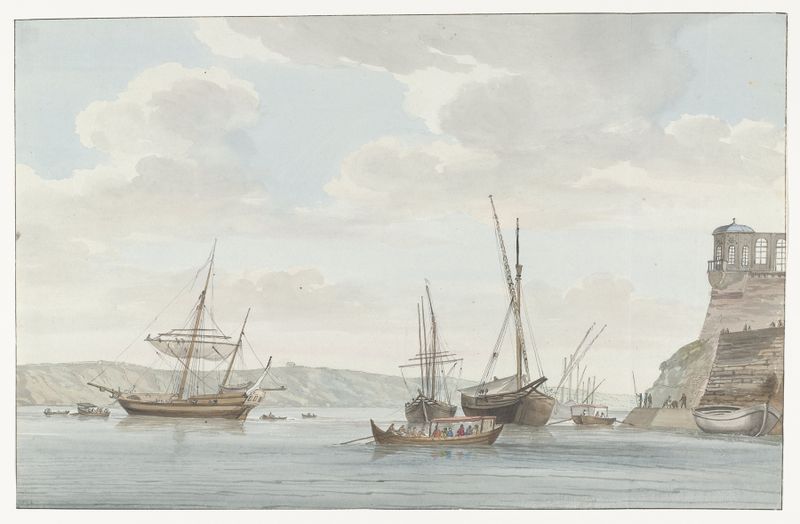
Tuinhuis van de Jardin du Grand Maître uittorend boven de haven met galei schepen op Malta
Abraham-Louis-Rodolphe Ducros
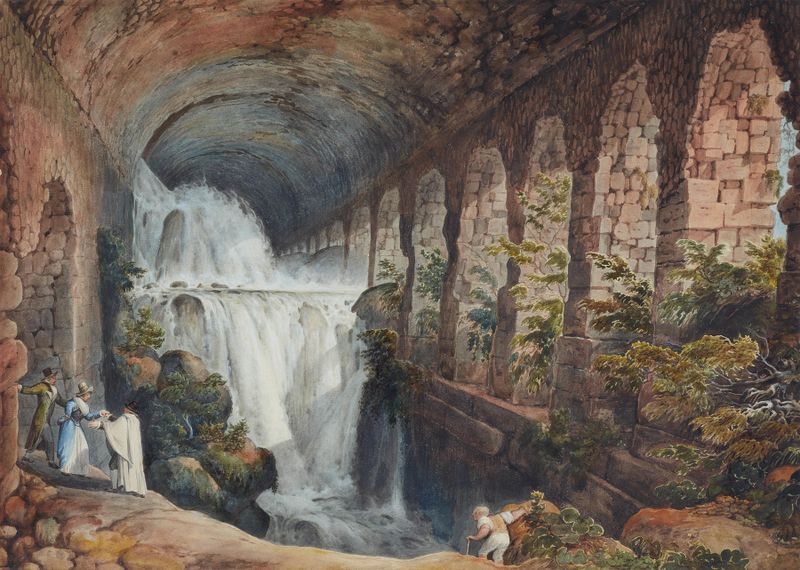
Aquädukt unter der Villa des Maecenas in Tivoli
Abraham-Louis-Rodolphe Ducros
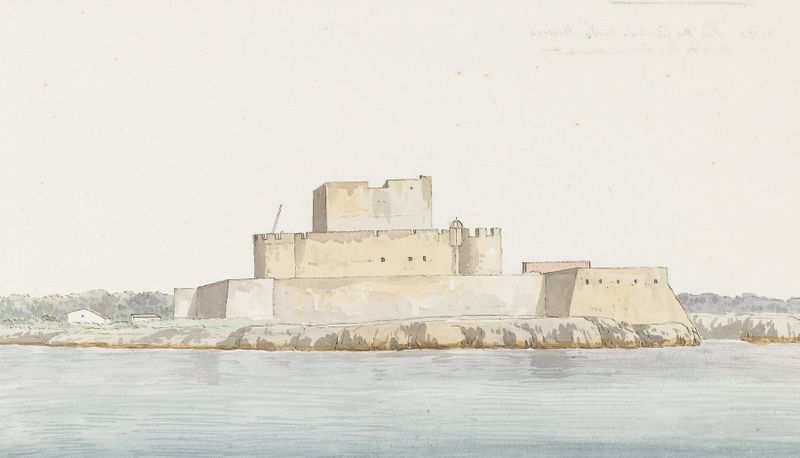
Gezicht op kasteel van San Mauro la Bruca vanaf zee bij aankomst
Abraham-Louis-Rodolphe Ducros





