
Gezicht op de binnenstad van Tanger — History & Facts
What secret hides in the quiet of the canvas? A stillness pervades Wenceslaus Hollar’s Gezicht op de binnenstad van Tanger, inviting us to unravel the melancholy woven into its intricate lines and muted colors. Look to the foreground, where delicate structures frame the scene with elegant arches and rooftops that seem to whisper stories of lives lived beneath their eaves. The soft palette of ochres and greens evokes an atmosphere of nostalgia, while gentle strokes create a sense of texture that draws the eye. Notice how the horizon gently rises, guiding our gaze towards the distant hills, their shapes lost in the haze of the background—a metaphor for memories fading with time. As we explore further, the contrast between light and shadow reveals deeper emotional tensions.
The bustling activity of the town, hinted at through tiny figures, exists in stark contrast to the overarching stillness of the landscape. Each element speaks to the bittersweet nature of transition—between day and night, present and past—suggesting that even in moments of vibrancy, a sense of longing lingers just beneath the surface. In 1669, Hollar found himself in London, having fled the upheaval of the Thirty Years’ War in his native Bohemia. The world of art was shifting, with new techniques and styles emerging, yet Hollar remained anchored in the meticulous detail of his engravings.
Gezicht op de binnenstad van Tanger reflects this moment in his life, a poignant reminder of a displaced artist capturing a city that resonated with both beauty and a profound sense of loss.
More Artworks by Wenceslaus Hollar
Browse all →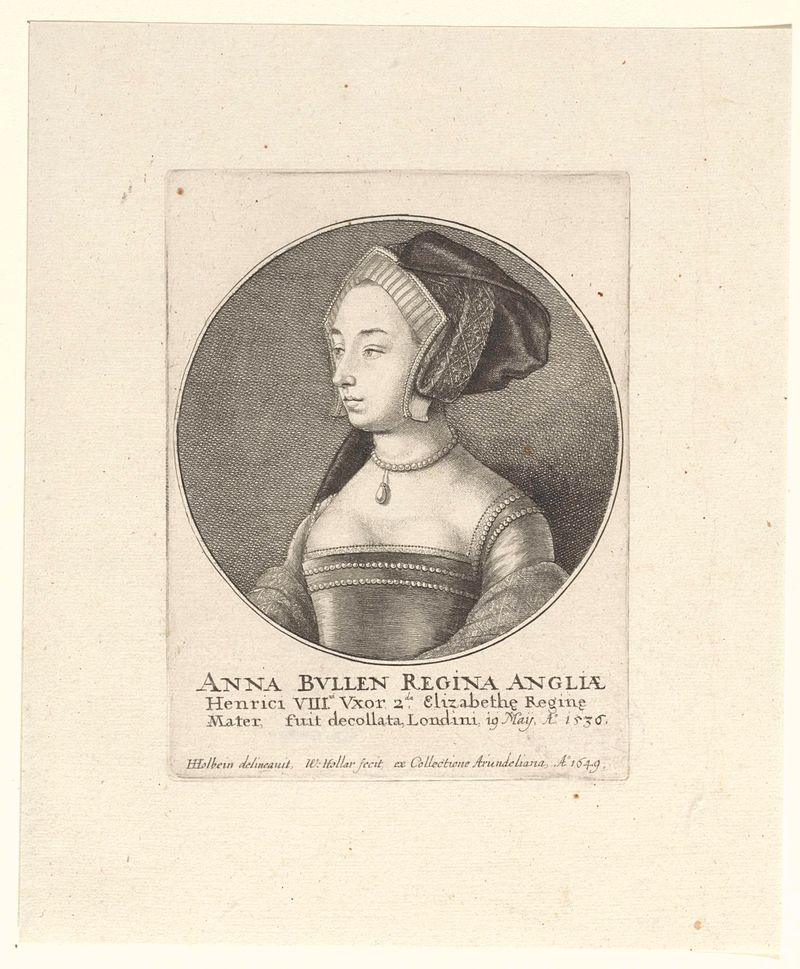
Portret van Anna Boleyn, koningin van Engeland
Wenceslaus Hollar
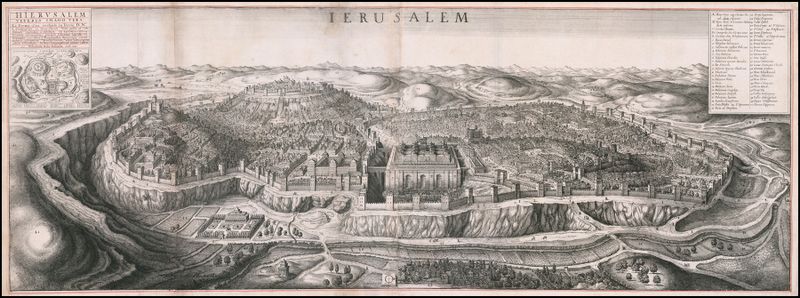
Bird’s eye view of Jerusalem
Wenceslaus Hollar
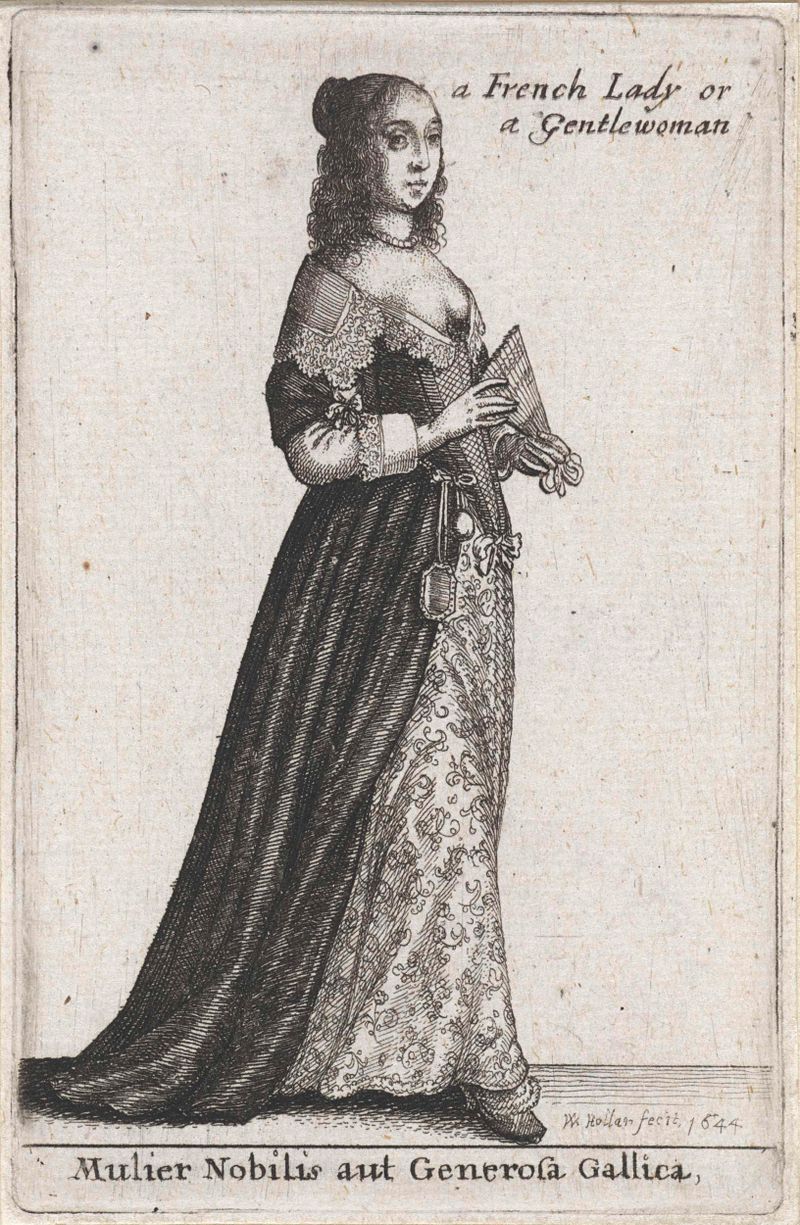
Mulier Nobilis aut Generosa Gallica / a French Lady or Gentlewoman
Wenceslaus Hollar
Titelprent voor: Ornatus Muliebris Anglicanus
Wenceslaus Hollar
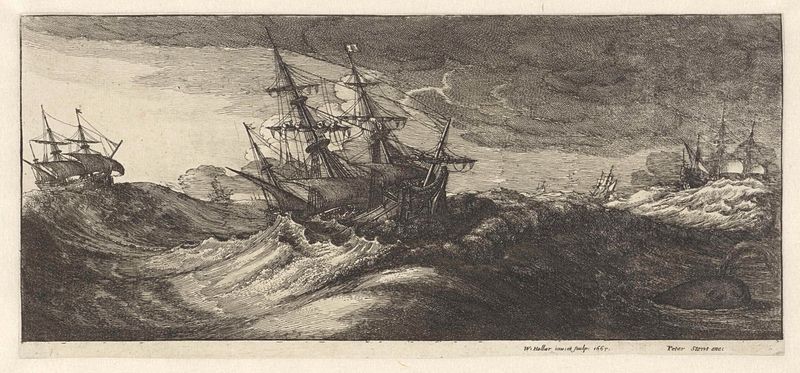
Oorlogsschepen en een walvis in een zeestorm
Wenceslaus Hollar
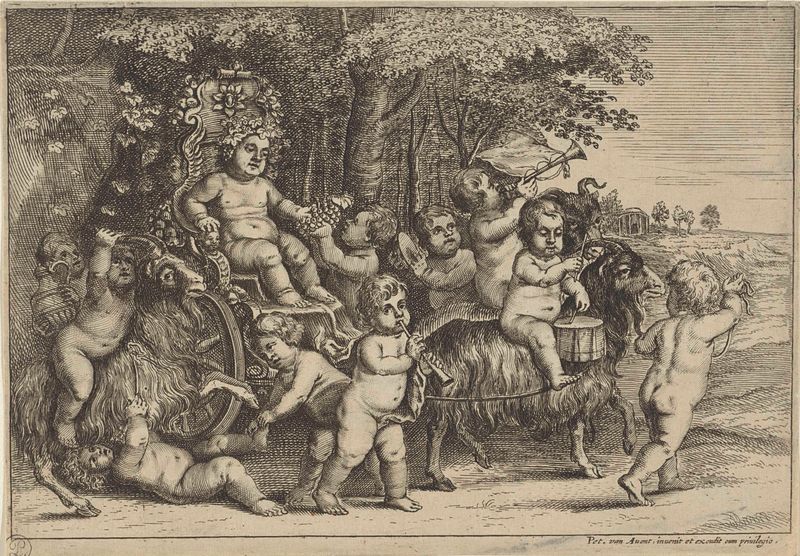
Optocht van bacchant en jongetjes op geiten
Wenceslaus Hollar
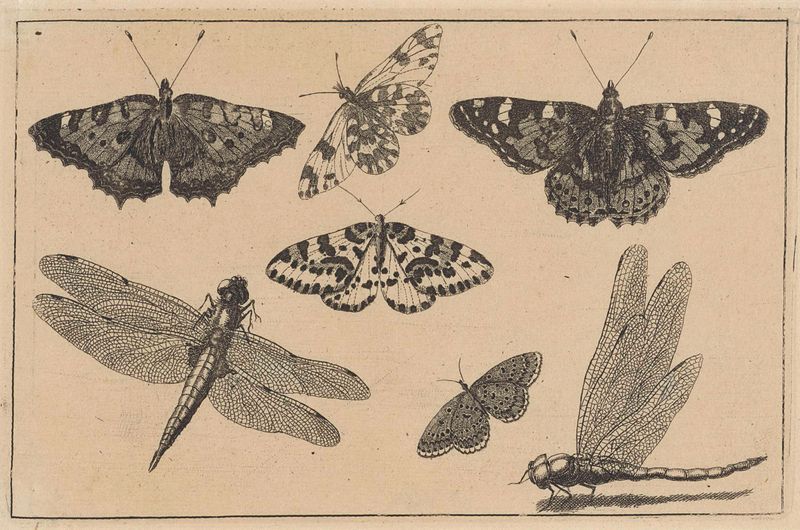
Twee libellen en vijf vlinders
Wenceslaus Hollar
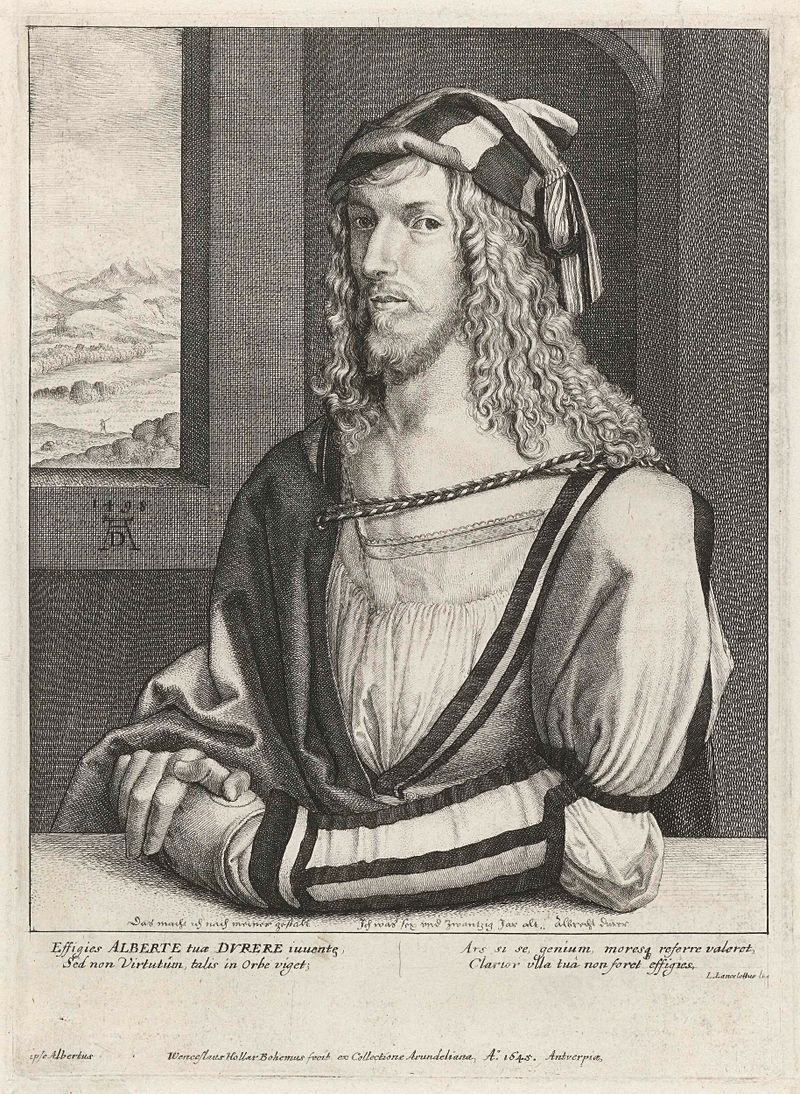
Portret van Albrecht Dürer
Wenceslaus Hollar
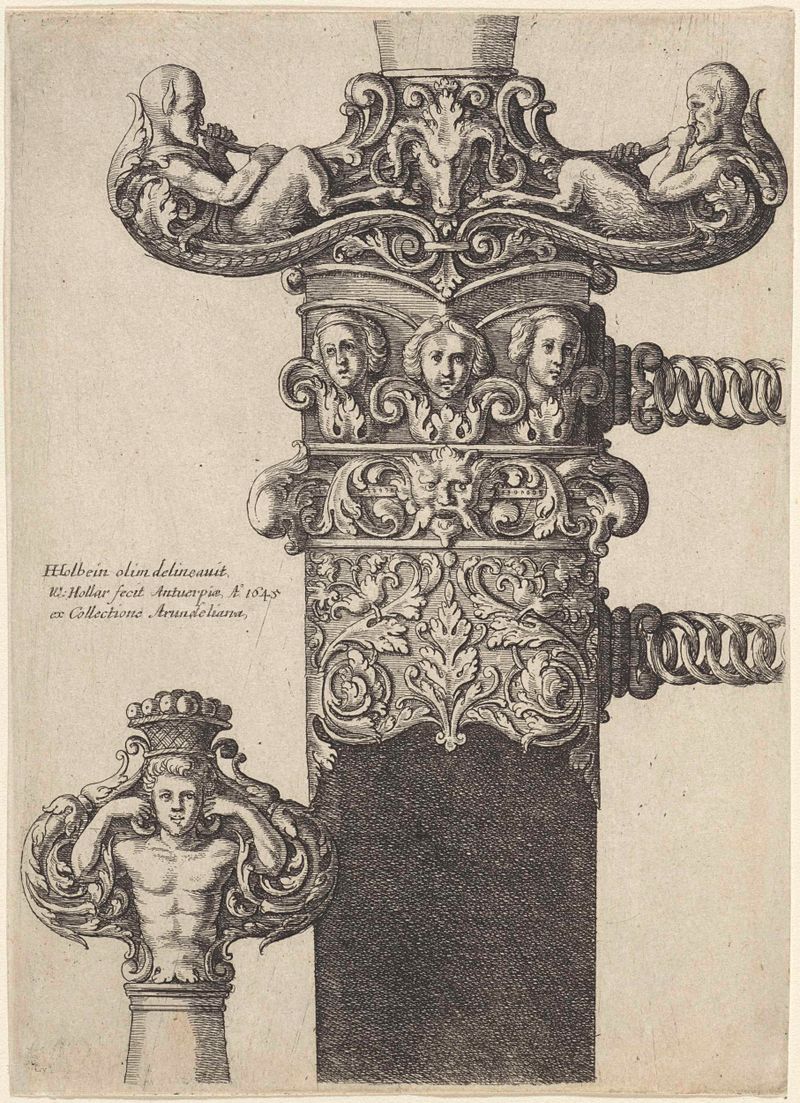
Ornamenteel ontwerp voor een dolk
Wenceslaus Hollar
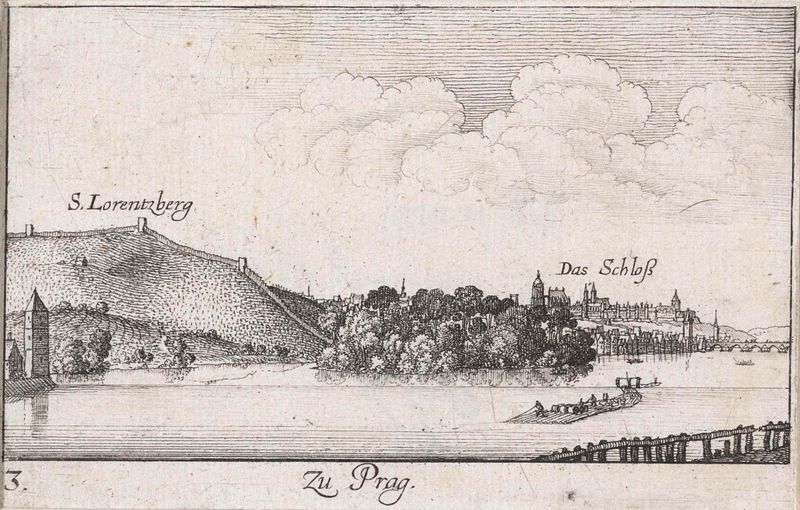
Gezicht op Praag vanaf de Moldau
Wenceslaus Hollar
More Architecture Art
Browse all →
The statue of Liberty
Frédéric Auguste Bartholdi

View of Houses in Delft, Known as ‘The Little Street’
Johannes Vermeer

View of Houses in Delft, Known as ‘The Little Street’
Johannes Vermeer

The Cathedral in Rouen. The portal, Grey Weather
Claude Monet

The yellow house
Vincent van Gogh

The Church in Auvers-sur-Oise, View from the Chevet
Vincent van Gogh